In This Guide: Quick Links
- What Exactly Are We Talking About? Harumaki 101
- The Nutrition Breakdown: What's Really Inside?
- The Health Pros: What Makes Harumaki Potentially Good
- The Health Cons: Where Harumaki Often Stumbles
- How to Make Harumaki a Healthier Choice: Your Action Plan
- Special Diets: Is Harumaki Healthy to Eat For You?
- Let's Talk Recipes: A Healthier Harumaki Blueprint
- FAQs: Your Quick-Fire Questions Answered
- The Final Verdict
You're standing in the freezer aisle, or maybe browsing a restaurant menu, and you see harumaki. Those crispy, golden Japanese spring rolls look incredibly tempting. But then that little voice in your head asks the question: wait, is harumaki healthy to eat? It's a totally fair question. We're all trying to make better choices, right?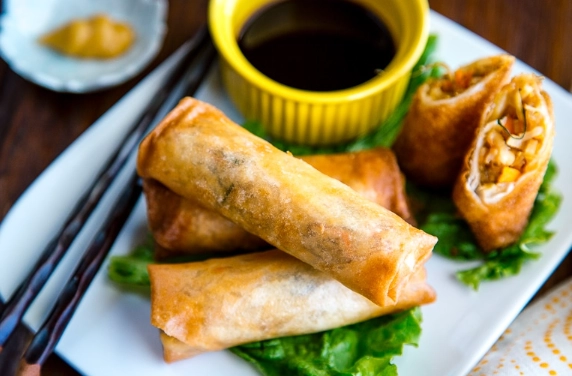
I've been there. I love them. The crunch, the savory filling… it's hard to resist. But as someone who tries to keep an eye on what I'm eating, I've done a deep dive into this. The short answer? It's complicated. It's not a simple yes or no. Whether harumaki is healthy to eat depends entirely on how it's made, what's inside, and how you cook it.
Think of it like this: a homemade harumaki packed with shredded cabbage, carrots, mushrooms, and lean chicken, baked in the oven, is a world apart from a deep-fried restaurant version oozing with fatty pork and served with a sugary dipping sauce. One is a decently balanced snack or light meal; the other is a calorie-dense treat.
What Exactly Are We Talking About? Harumaki 101
First, let's clear up any confusion. Harumaki (春巻き) literally means "spring roll" in Japanese. They're the Japanese take on a dish with Chinese origins. The classic version uses a very thin wheat flour wrapper, which is then filled, rolled, and most traditionally, deep-fried until super crispy. The filling is usually savory—a mix of vegetables like cabbage, carrots, and bamboo shoots, often with some kind of protein like minced pork or shrimp.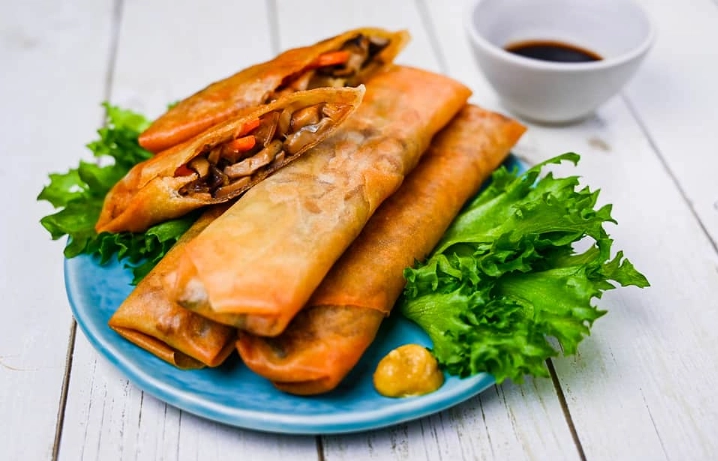
Now, here's where people get tripped up. They're similar to, but not the same as, Vietnamese fresh spring rolls (goi cuon, which use soft rice paper and are often not fried) or Filipino lumpiang shanghai. When we ask "is harumaki healthy to eat," we're specifically talking about these Japanese-style, crispy, usually fried rolls.
Got it? Good. Now, into the nitty-gritty.
The Nutrition Breakdown: What's Really Inside?
To figure out if harumaki is healthy to eat, we need to look under the hood. I pulled data from the USDA FoodData Central and analyzed a bunch of recipes and restaurant listings. Here's a typical picture for one standard, pork-and-vegetable, deep-fried harumaki roll (about 40-50g each).
| Nutrient | Per 1 Roll (Approx.) | Quick Notes |
|---|---|---|
| Calories | 80 - 120 kcal | Adds up fast if you eat 3 or 4. |
| Total Fat | 4g - 8g | Mostly from frying oil. |
| Saturated Fat | 1g - 2.5g | Moderate, depends on filling fat content. |
| Carbohydrates | 8g - 12g | Mainly from the wrapper and some veggies. |
| Protein | 3g - 6g | Comes from the meat or shrimp inside. |
| Fiber | 0.5g - 1.5g | Not a great source, unless you load up on veggies. |
| Sodium | 150mg - 300mg | Can be high due to soy sauce, seasoning. |
Looking at that, you can see the main issues right away. The frying adds a significant amount of fat and calories without adding any nutritional benefit. The wrapper is mostly refined carbs. And the sodium can sneak up on you, especially with dipping sauce.
But.
Look at the protein and the potential for vegetables. That's the opportunity zone. The question "is harumaki healthy to eat" hinges on maximizing the good stuff and minimizing the not-so-great stuff.
The Health Pros: What Makes Harumaki Potentially Good
Let's start positive. When made thoughtfully, harumaki can have some legitimate health merits.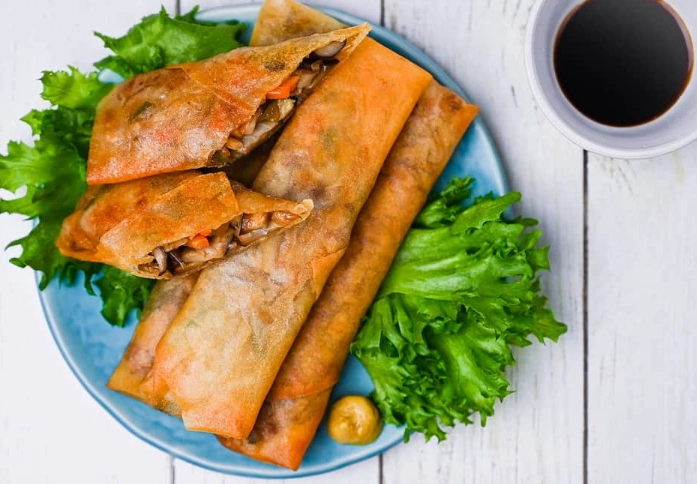
Portion Control is Built-In
Each roll is a single-serving unit. This is actually helpful. It's easier to know you're having two rolls versus digging into a massive, family-style dish where serving sizes blur. This built-in portioning can help with calorie awareness.
A Vehicle for Vegetables
This is the biggest potential win. The filling is a fantastic place to pack in a variety of veggies. Think beyond cabbage and carrots: shredded zucchini, spinach, mushrooms, bean sprouts, bell peppers. You can seriously boost the vitamin, mineral, and fiber content this way. A harumaki bursting with veggies is answering the "is harumaki healthy to eat" question with a much stronger "maybe, yes."
Lean Protein Potential
You're not stuck with fatty pork. Ground chicken or turkey, chopped shrimp, shredded tofu, or even just edamame make for much leaner, high-protein fillings. Protein helps you feel full and satisfied, which can prevent overeating.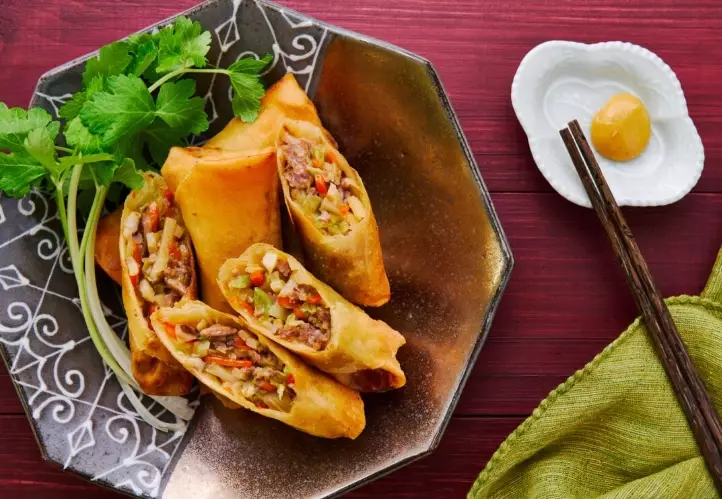
Customization is King
When you make it at home, you control everything. Low-sodium soy sauce? Check. Whole-wheat or rice paper wrappers? Check. An air fryer instead of a vat of oil? Double check. This level of control is what can transform harumaki from a guilty pleasure to a sensible meal component.
The Health Cons: Where Harumaki Often Stumbles
Now, the flip side. The traditional preparation and common restaurant practices introduce several health downsides.
Refined Carbohydrate Wrapper
The classic wrapper is made from refined wheat flour. It offers quick-digesting carbs with very little fiber or micronutrients. For people watching blood sugar or trying to increase whole grains, this is a downside.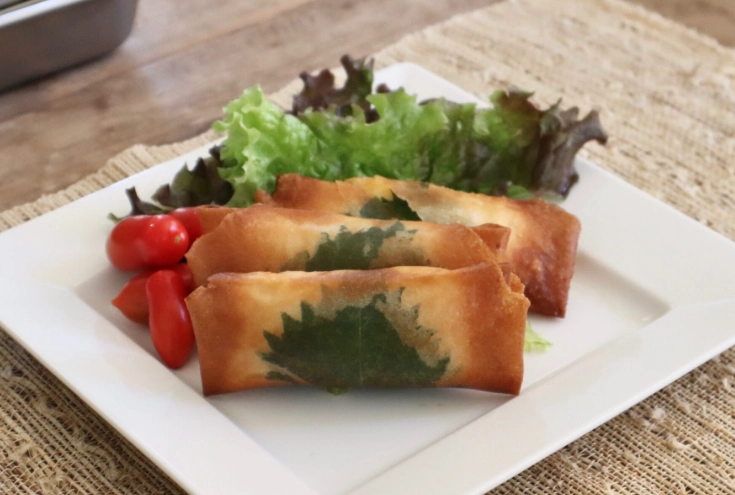
Sodium Overload
Between the soy sauce or salt in the filling and the salty dipping sauce (like soy sauce-based or sweet chili sauce), the sodium in a serving can easily approach 20% or more of your daily limit. That's a concern for blood pressure.
The "Empty Calorie" Risk
A poorly made harumaki—mostly wrapper, a little bit of fatty meat, and scant veggies—delivers calories without much nutritional payoff. It becomes an "empty calorie" food, which isn't what you want if you're focusing on nutrient density.
So, you see the tug-of-war. The potential is there, but the default preparation often leans unhealthy.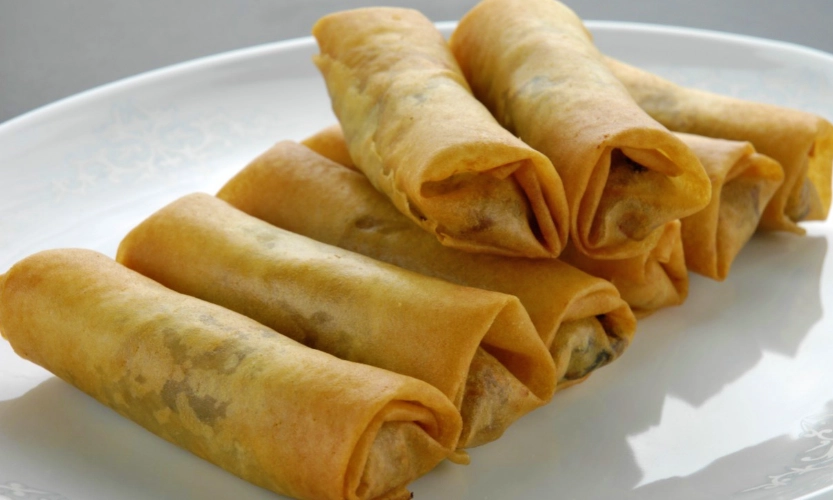
How to Make Harumaki a Healthier Choice: Your Action Plan
This is the most important part. Don't just wonder is harumaki healthy to eat—learn how to make it healthier. Here’s your practical checklist.
- Bake or Air-Fry, Don't Deep Fry: Spritz rolls with a tiny bit of oil and bake at 400°F (200°C) until crisp. Cuts fat by at least 50%.
- Go Whole-Grain or Try Rice Paper: Look for whole-wheat spring roll wrappers. Or use Vietnamese rice paper and make a "fresh bake" version for a gluten-free option.
- Load Up the Veggies: Aim for a 3:1 ratio of vegetables to meat. More color = more nutrients.
- Choose Lean Proteins: Shrimp, chicken breast, turkey, firm tofu, or lentils.
- Make a Lighter Dip: Instead of straight soy sauce, mix it with rice vinegar, a touch of honey, chili, and water. Or use a Greek yogurt-based sauce.
If You're Ordering Out or Buying Frozen
You're not always in control. Here's how to navigate:
- Ask how it's cooked. "Are they baked or fried?" Just asking might make you choose something else.
- Share an order. Make it an appetizer for the table instead of your main.
- Pair it wisely. If you have harumaki, balance it with a big salad or a clear soup as your main to round out the meal.
- Read frozen food labels. Check the nutrition panel. Look for lower saturated fat and sodium. Vegetable-heavy fillings are a good sign.
I tried a frozen "vegetable spring roll" brand once that was mostly starch and cabbage mush—it was honestly disappointing and felt like a waste of calories. Now I check labels more carefully.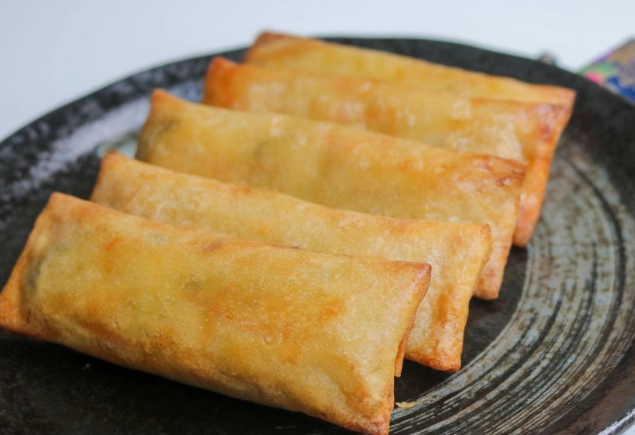
Special Diets: Is Harumaki Healthy to Eat For You?
This depends on your specific needs.
Gluten-Free: Traditional wheat wrappers are a no-go. Your solution is rice paper wrappers. They work great for baked or air-fried versions, though the texture is different—lighter and crackly rather than shatteringly crisp.
Vegetarian/Vegan: Absolutely! Skip the meat and use tofu, tempeh, mashed chickpeas, or just a hearty mix of mushrooms (shiitake are fantastic) and vegetables. Just ensure the wrapper itself doesn't contain egg (most don't).
Low-Carb/Keto: This is tricky. The wrapper is pure carbs. Some people make "wrapper-less" versions using thin slices of cabbage or lettuce as wraps, but that's really a different dish. Traditional harumaki doesn't fit a strict low-carb plan.
Weight Management: Yes, but with strict attention to the tips above—baking, veggie-loading, portion control, and skipping heavy sauces. It can be a satisfying, portion-controlled component of a meal.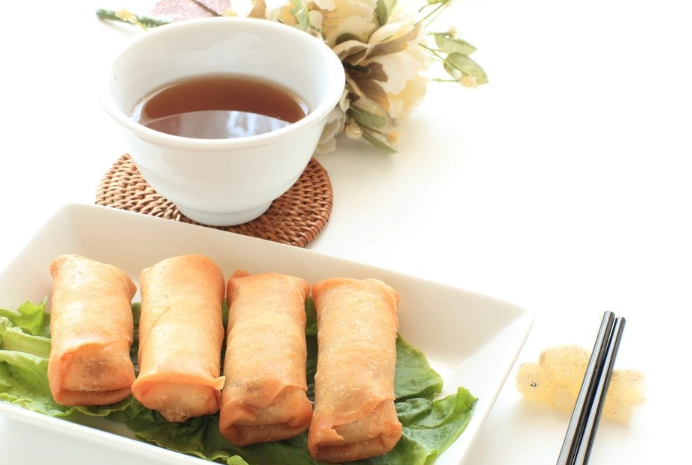
Let's Talk Recipes: A Healthier Harumaki Blueprint
Here’s a basic framework for a healthier homemade version that confidently addresses the "is harumaki healthy to eat" question.
Filling Idea (Enough for 10-12 rolls):
- 2 cups finely shredded green cabbage
- 1 cup shredded carrots
- 1 cup chopped shiitake mushrooms
- 1/2 cup chopped scallions
- 1 cup cooked, shredded chicken breast (or crumbled firm tofu)
- Flavor: 2 tbsp low-sodium soy sauce, 1 tbsp grated ginger, 1 tsp sesame oil, black pepper.
Method: Sauté veggies until just soft, mix with protein and seasonings, let cool. Wrap in whole-wheat spring roll wrappers. Brush lightly with oil and bake on a parchment-lined sheet at 400°F for 18-22 minutes, flipping halfway, until golden brown.
See? That's not so bad. You've got protein, a rainbow of veggies, minimal added fat, and controlled sodium.
FAQs: Your Quick-Fire Questions Answered
Are harumaki healthier than egg rolls?
Often, yes. Harumaki wrappers are typically thinner and less doughy than American-style egg roll wrappers, so they absorb slightly less oil. The fillings can be similar, but it often comes down to specific recipes.
Can I eat harumaki while dieting?
You can, but be strategic. Homemade, baked, veggie-heavy versions are your friend. Limit to 1-2 as part of a meal with more veggies and lean protein. Avoid the fried, restaurant ones as a regular thing.
Is the frozen kind bad for you?
Not necessarily "bad," but you must read the label. Some are surprisingly decent—just vegetables, lean meat, and wrapper. Others are loaded with fat, sodium, and preservatives. The cooking method (oven vs. deep fry) you use at home also changes the game.
What's a healthy dipping sauce?
Skip the straight sweet chili sauce. Try a mix of low-sodium soy sauce with a splash of lime juice and a bit of minced ginger. Or, thin some plain Greek yogurt with a little wasabi and a drip of honey.
How many harumaki is a serving?
For a healthier homemade version, 2-3 can be a reasonable serving as part of a meal. For traditional fried ones, I'd consider 1-2 an appetizer serving, knowing they're more of a treat.
The bottom line? It's all about context.
The Final Verdict
So, after all that, is harumaki healthy to eat?
The most honest answer is: it can be. It's not a health food superhero, nor is it a dietary villain to be avoided at all costs. It sits squarely in the realm of "it depends."
If your version is deep-fried, scant on veggies, and swimming in salty sauce, then no, it's not a healthy choice. It's a calorie-dense occasional indulgence.
But if you take the reins—pack it with colorful plants, choose lean protein, bake it, and watch the sauce—you transform it into a perfectly acceptable, even nutritious, part of your diet. You get the satisfaction of that crispy texture and savory flavor without derailing your health goals.
Don't overthink it. Use the tips here. Read labels when buying. Ask questions when eating out. And most importantly, if you love them, learn to make a healthier version at home. That's the best way to ensure the answer to "is harumaki healthy to eat" is a confident "yes" on your own terms.
Reader Comments