If you're planning a trip to Japan between June and September, or you're just a curious foodie, you'll hear one name pop up on menus everywhere: ayu. Ayu sweetfish isn't just another fish. It's a cultural event, a taste of summer, and a culinary experience that divides opinion in the most fascinating way. It's got a flavor profile you won't find anywhere else—some call it refreshingly sweet, others find it intensely... botanical. I remember my first bite in a tiny riverside restaurant in Kyoto, completely unprepared for what I was about to taste. Let's dive into what makes this fish so special, where you can try the best of it, and how to eat it like someone who knows what they're doing.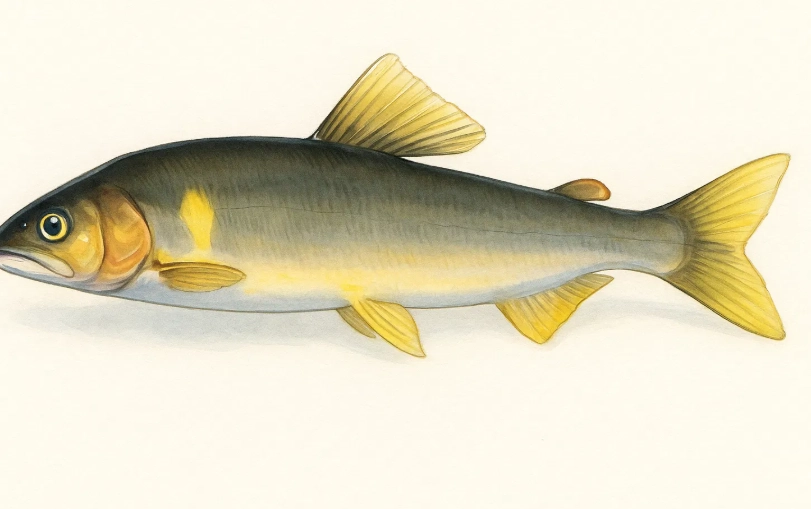
Your Ayu Adventure Starts Here
What Exactly Is Ayu Sweetfish?
Ayu (Plecoglossus altivelis) is a small freshwater fish native to East Asia. In Japan, it's a superstar. It lives in clean, fast-flowing rivers and has a one-year lifespan, which is why it's so strictly seasonal. The name "sweetfish" comes from its unique diet of algae and river rocks, which gives its flesh a distinct, sweet aroma. The Japanese name "ayu" itself is said to come from the verb "ayumu" (to walk), referring to the way it seems to climb waterfalls during its upstream migration. It's a fish wrapped in poetry from the get-go.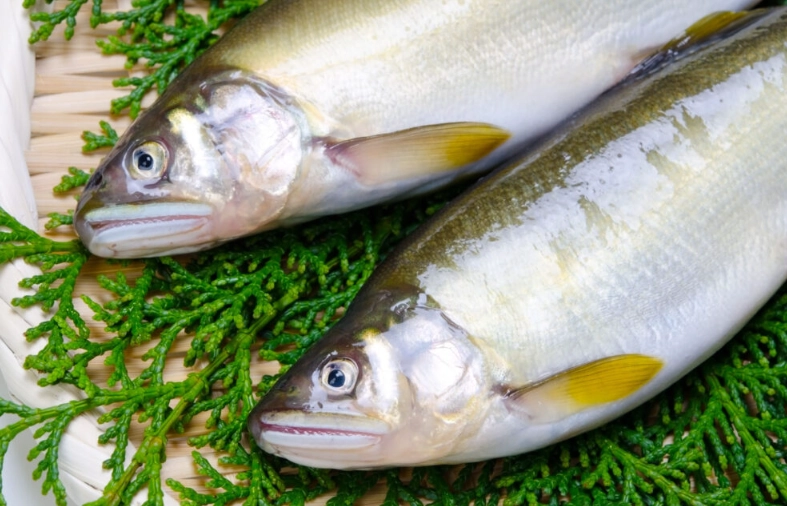
Here's the thing most guides don't tell you: not all ayu are created equal. The taste varies wildly depending on where and how it's caught. Wild ayu, caught by traditional tomozuri fishing (using a live ayu as a decoy), is considered the pinnacle and commands a high price. Farmed ayu is more common and affordable, but often lacks the complex, herbal notes. If a menu just says "ayu," it's likely farmed. They'll proudly advertise "natura" or "yama" for wild-caught.
What Does Ayu Sweetfish Taste Like?
This is the million-yen question. Describing the taste of ayu is tricky. It's not like salmon or tuna.
The dominant flavor is a clean, sweet, almost melon-like or cucumber-like freshness. That's from the algae. But there's a secondary, more challenging note that catches many first-timers off guard: a distinct bitterness, especially in the innards and near the skin, that tastes like... well, river weeds. It's herbal, grassy, and slightly astringent.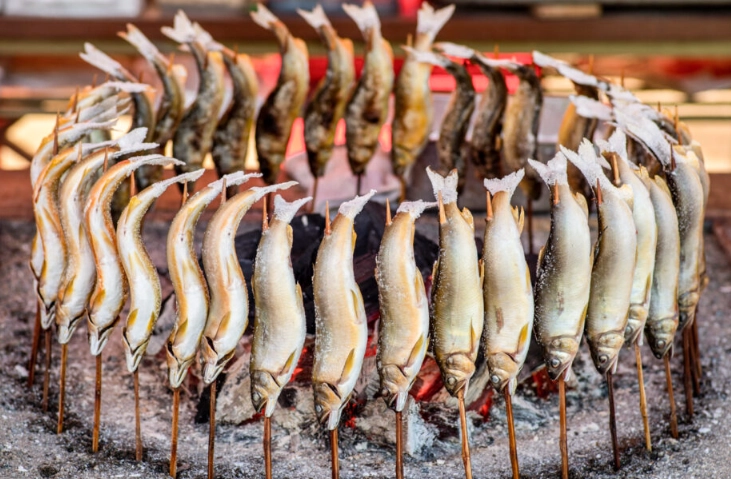
I've seen people take one bite and light up, calling it the essence of a mountain stream. I've also seen others recoil slightly, not expecting that vegetal punch. The classic preparation, ayu no shioyaki (salt-grilled whole), amplifies these flavors. The crispy skin, the slightly bitter liver, the sweet flesh—you're meant to eat it all, bones and head included. The contrast is the whole point.
More Than a Meal: Ayu's Cultural Weight
You can't separate ayu from Japanese summer culture. It's featured in ancient poetry, like the Man'yoshu. It's the subject of ukiyo-e woodblock prints. More practically, ayu fishing with cormorants (ukai) is a centuries-old tradition that continues today as a tourist spectacle in cities like Gifu and Kyoto (Arashiyama). Watching the master fishermen (usho) control the cormorants on leashes under firelight is mesmerizing. It's a living history lesson, and the fish caught that night often ends up in high-end ryokan meals the next day.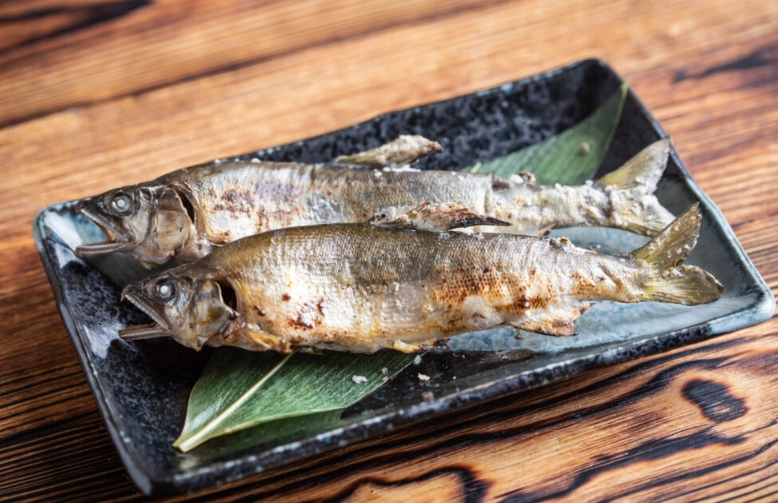
This connection to nature and seasonality (shun) is central to Japanese cuisine. Eating ayu is about tasting a specific time and place—the pure, cool rivers of early summer. It's a ritual.
Where to Eat Authentic Ayu Sweetfish
Forget just picking any restaurant. To get the real experience, you need to be strategic. Here are specific spots, based on my own trips and local recommendations, that do ayu right.
Top Tier: The Unforgettable Experiences
These places are destinations in themselves, often requiring planning (and a bigger budget).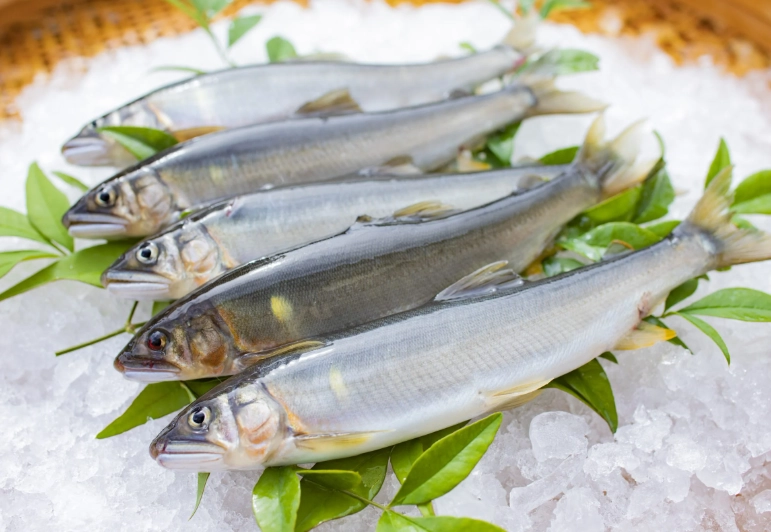
| Name & Location | What Makes It Special | Key Details (Price, Hours, Note) |
|---|---|---|
| Kitcho Arashiyama (Kyoto) 58 Susukinobaba-cho, Saga-Tenryuji, Ukyo-ku, Kyoto |
Legendary kaiseki restaurant. Their wild ayu course is an artistic masterpiece, showcasing the fish in multiple preparations (sashimi, grilled, in soup). The setting by the Katsura River is sublime. | Expect ¥40,000+ per person. Reservations are mandatory, often months ahead. Lunch and dinner seatings. They have an English-speaking concierge. |
| Gifu Nagaragawa Ukai (Gifu) Nagaragawa area, Gifu City |
Several restaurants here serve ayu directly from the cormorant fishing (ukai) on the Nagara River. You can often book a combo: watch ukai from a boat, then dine. | Dinner courses range from ¥8,000 to ¥15,000. The ukai season runs from May 11 to October 15. Book the boat viewing separately through the Gifu Tourist Information. |
Excellent & Accessible: Great City Options
You don't need to travel to a riverbank for fantastic ayu. These Tokyo and Kyoto spots deliver.
- Nadaman (various locations, incl. Tokyo): A high-end chain with a long history. Their seasonal kaiseki will always feature ayu prominently during summer. The Shinagawa location is particularly reliable. A summer course starts around ¥15,000. Check their website for seasonal menus.
- Kiyamachi Sakuragawa (Kyoto): Located in the Pontocho dining district, this traditional restaurant has private rooms overlooking the Kamo River. Their ayu no shioyaki is textbook perfect—crispy, fragrant, and beautifully presented. A dinner course is about ¥12,000. They're used to foreign guests.
- Tsukiji Sushi Zanmai (Tsukiji Outer Market, Tokyo): For a more casual but authentic bite, try ayu sushi or a small grilled ayu here. It's fresh, straightforward, and you can pair it with other market finds. A single grilled ayu might cost ¥1,500-¥2,000. Go early to avoid the worst crowds.
A quick tip: Use Tabelog (Japan's equivalent of Yelp). A rating above 3.5 is excellent. Search for "鮎" (ayu) and filter by area.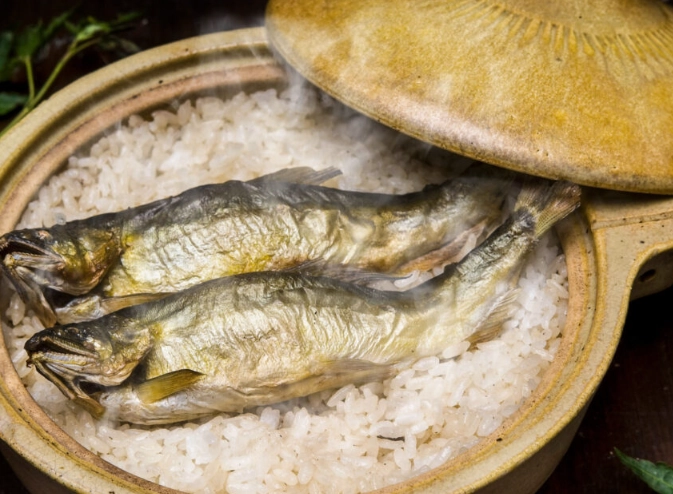
How to Eat Ayu Sweetfish Like a Local
Okay, your perfectly grilled ayu has arrived. Now what? Most places serve it whole with just a wedge of sudachi lime. Here's the step-by-step most tourists miss.
1. Squeeze the lime over the entire fish. The acidity cuts the richness.
2. Start with the meat along the back. Use your chopsticks to gently peel the top fillet away from the spine. The flesh should be tender and flake easily.
3. Don't avoid the skin and the area right underneath it. This is where a lot of the flavorful fat and that characteristic aroma reside. Yes, it might be more bitter, but that's part of the profile.
4. The controversial part: the head and bones. You are supposed to eat them. Once you've finished the top fillet, lift the tail, and the entire skeleton (head included) should come away cleanly from the bottom fillet. Now, you can eat the bottom meat.
5. Eating the head and spine. This is the expert move. The skull has little bits of tasty meat. The spine, when grilled properly, is crispy and edible. Many locals crunch right through it. If it's too hard for you, it's okay to leave it. But try a small bite of the crispy fin or tail—it's like a fish chip.
The big mistake? People just eat the easy back meat and leave the rest, missing over half the flavor and texture experience. Embrace the crunch.
Your Burning Ayu Questions Answered
Ayu sashimi (ayu no sashimi): Very fresh, young ayu served raw. It's delicate and sweet, often presented beautifully.
Ayu boiled in sweet soy (ayu no kanro-ni): Simmered whole in a sweet and savory sauce until tender. The bones soften and become edible.
Ayu soup (ayu no sumashi-jiru): A clear soup with ayu, often with a hint of ginger. It's light and aromatic.
So there you have it. Ayu sweetfish is more than dinner; it's a direct line to a Japanese summer. It's a taste that challenges and rewards, wrapped in centuries of tradition. Whether you seek it out at a riverside ryokan or grab one at a bustling market stall, you're participating in a seasonal ritual. Just remember to eat the crispy bits.
Reader Comments