My first attempt at making pork tonkatsu was a disaster. The breading fell off in patches, the inside was dry, and the oil temperature was all wrong, leaving me with a greasy, sad cutlet. It tasted nothing like the crisp, juicy, impossibly light version I'd had in Tokyo. That failure sent me down a rabbit hole. I asked a chef friend in Osaka for tips, read Japanese cooking forums late into the night, and went through pounds of pork and panko until I cracked the code.
This isn't just another pork tonkatsu recipe. It's the distilled version of everything I wish I'd known. We'll cover the precise cuts of meat, the science behind the double coating, the exact oil temperature most guides get wrong, and how to make a tonkatsu sauce that blows the bottled stuff out of the water. Forget soggy, heavy cutlets. Let's make the real deal.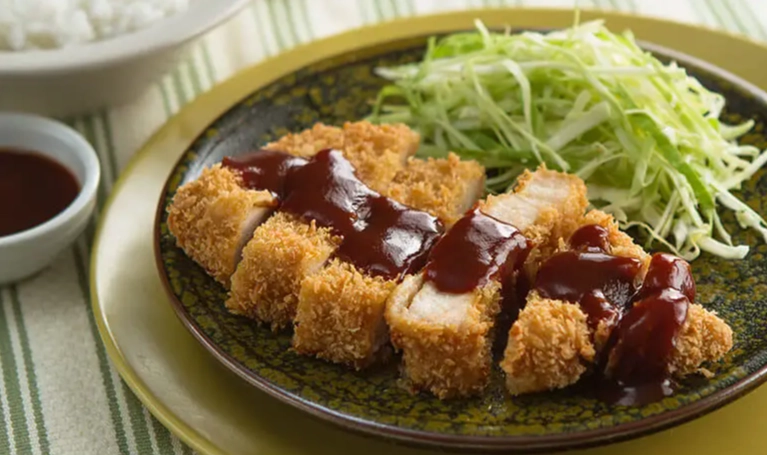
What's Inside This Guide
Why Your Ingredients Matter More Than You Think
You can't build a great house with cheap materials. The same goes for tonkatsu. Let's break down each component.
The Pork: It's Not Just Any Chop
Most recipes just say "pork chop." That's where the first mistake happens. You want pork loin cutlets or pork fillet (tenderloin). Loin is richer with a bit of fat, while fillet is leaner and incredibly tender. For beginners, I recommend loin—the fat helps keep it moist.
Thickness is critical. Supermarket chops are often too thin. Aim for 1.5 to 2 cm (about 3/4 inch) thick. Any thinner and it'll overcook before the crust is golden; any thicker and the center might be raw when the outside is done. If you can only find thick chops, butterfly them or ask your butcher.
Panko: The Engine of Crunch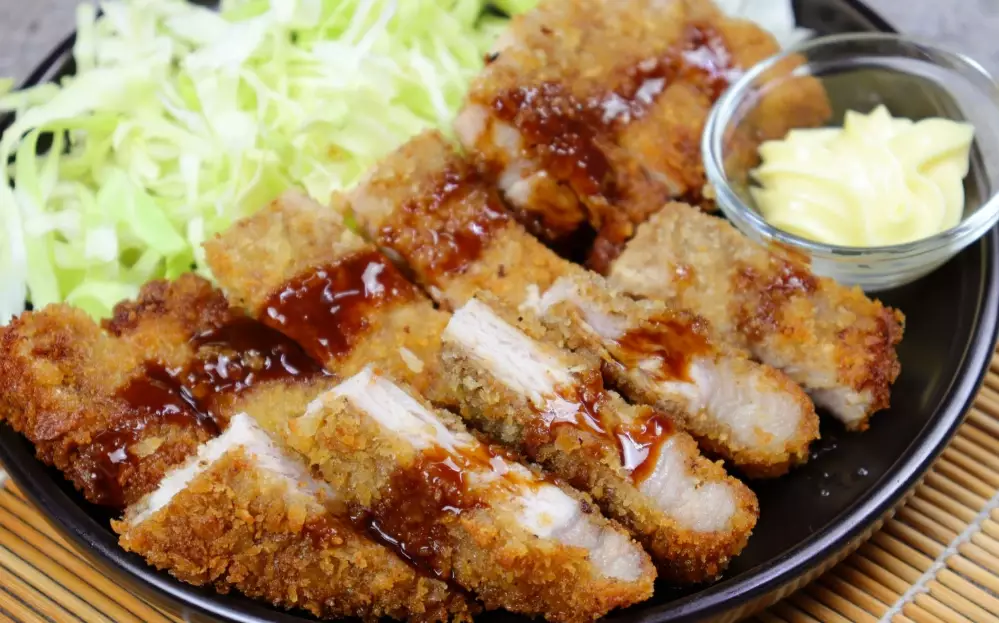
This is non-negotiable. Western-style breadcrumbs make a dense, sandy coating. Japanese panko is made from crustless bread, creating large, airy flakes that fry up into a shatteringly crisp, golden web. It absorbs less oil, so the result is lighter.
Here's a pro tip most miss: use fresh panko, not pre-toasted. The pre-toasted kind (often labeled "Golden Panko") has less moisture and can burn more easily. You want the plain white panko—you'll be toasting it perfectly in the oil yourself. For an incredible upgrade, seek out "fresh" or "premium" panko, which has even larger, flakier crumbs. Some specialty Asian markets sell it refrigerated.
The Breading Station & Oil
You need three shallow dishes: one for flour, one for beaten egg, one for panko. Use all-purpose flour. For the egg, a splash of water or milk (about 1 tsp per egg) helps thin it slightly for a more even coat.
The oil choice matters. You need a neutral oil with a high smoke point. Canola, vegetable, or peanut oil are perfect. Avoid olive oil. You'll need enough to deep fry—about 3-4 cm (1.5 inches) deep in a heavy pot like a Dutch oven. A deep fry thermometer is your best friend here.
| Ingredient | Specific Recommendation & Why | Common Mistake to Avoid |
|---|---|---|
| Pork | Pork loin cutlet, 1.5-2cm thick. The fat cap keeps it juicy during frying. | Using thin, lean pork chops which dry out instantly. |
| Panko | White, fresh (not pre-toasted) Japanese panko. Creates a lighter, crisper crust. | Using fine, sandy Western breadcrumbs for a dense coating. |
| Flour | All-purpose flour. It's just a glue layer, no need for fancy types. | Skipping the flour step, which makes the egg slide off. |
| Egg | Beaten with 1 tsp water/milk per egg for easier spreading. | Using egg straight from the fridge; cold egg congeals faster. |
| Frying Oil | Neutral oil like canola or peanut. High smoke point, no strong flavor. | Using butter or olive oil which burns at frying temps. |
The Step-by-Step Tonkatsu Process: From Fridge to Fryer
This is where precision pays off. Rushing or guessing leads to my first failed attempt.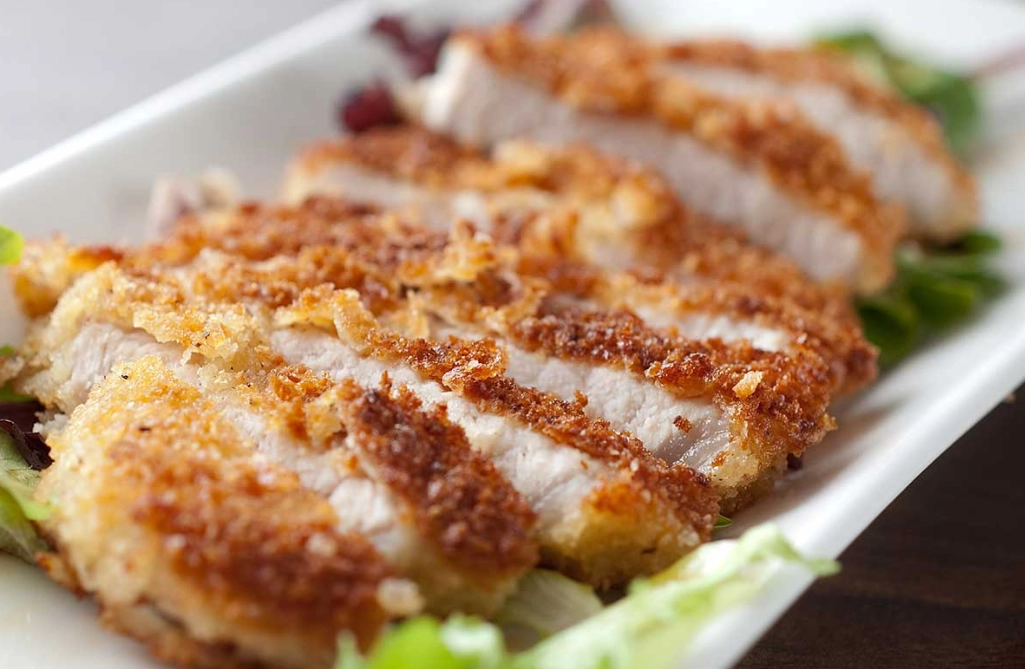
1. Preparing the Pork
Pat the cutlets completely dry with paper towels. Any surface moisture is the enemy of adhesion. Use the back of a knife or a meat tenderizer to gently score the rim of fat and any connective tissue. This prevents the meat from curling dramatically in the hot oil. Don't pound the meat flat—you want that thickness. Season both sides generously with salt and pepper.
2. The Breading Ritual (The Double Coat)
Set up your station: flour, egg, panko. Use one hand for dry steps (flour, panko) and one hand for wet (egg). This keeps your fingers from becoming batter-coated claws.
- Flour: Dredge the pork lightly. Shake off all excess flour. You want a whisper-thin layer, not a dusty coating.
- Egg: Dip thoroughly, letting the excess drip back into the bowl.
- Panko: This is the key. Place the cutlet in the panko and pile more on top. Press firmly and evenly with your palms. Don't just sprinkle. You want a solid, compact layer of panko adhering to the entire surface. Lift it, press again on any bare spots. A loose coating will fall off in the oil.
Let the breaded cutlets rest on a rack for 5-10 minutes. This lets the coating set, which drastically reduces shedding.
3. Frying: The Temperature Dance
Heat your oil to 170°C (340°F). Not 180°C, not 350°F. 170°C. This is the magic number for cooking the pork through without burning the panko. Use a thermometer.
Gently lower the cutlet into the oil. It should bubble vigorously but not violently. Fry for 5-6 minutes, turning once or twice, until deep golden brown. If the crust is coloring too fast, your oil is too hot; reduce the heat.
Here's the expert move: increase the heat to 180°C (355°F) for the final 30 seconds. This "blast" ensures maximum crispness and forces out any surface oil. Remove and drain immediately on a wire rack set over a sheet pan—never on paper towels, which trap steam and make the bottom soggy.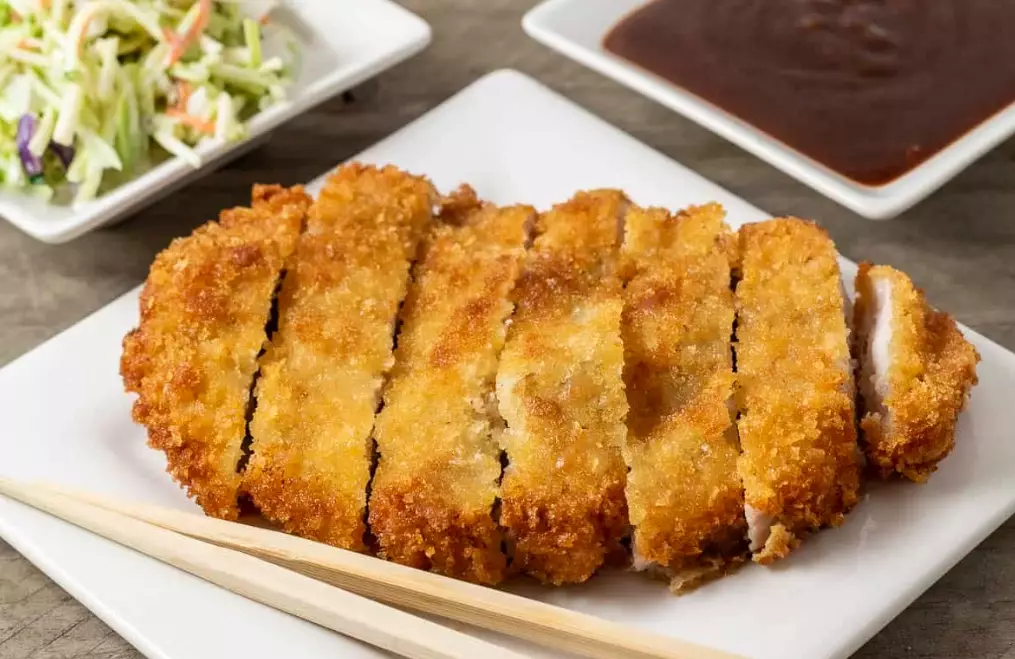
Tonkatsu Sauce Secrets: Beyond the Bottle
Bull-Dog sauce is fine in a pinch, but homemade has a depth and balance that's simply better. It's also surprisingly easy. The base is a sweet-and-sour Worcestershire-style sauce.
Combine in a small saucepan: 4 tbsp ketchup, 3 tbsp Worcestershire sauce, 2 tbsp oyster sauce, 1 tbsp sugar, and 1 tsp Dijon mustard. Whisk over low heat until the sugar dissolves and it just starts to simmer. Let it cool. It will thicken slightly. Taste and adjust—more sugar for sweetness, a splash of Worcestershire for tang.
The mustard and oyster sauce are the secret weapons. They add a complex umami that cuts through the richness of the fried pork. It keeps for weeks in the fridge.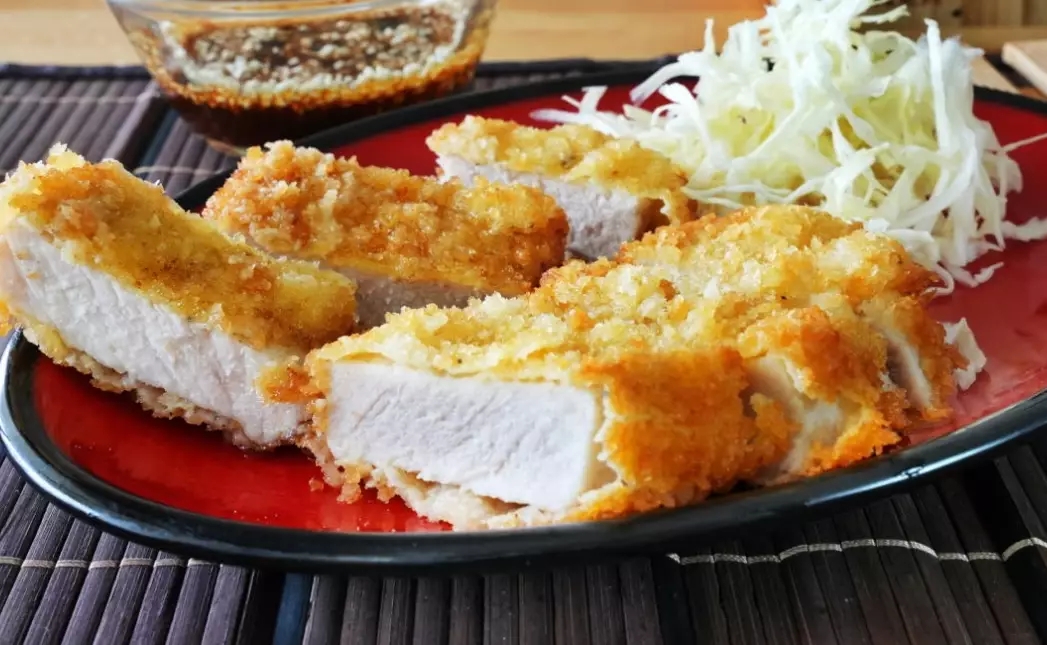
Serving, Pairing & The Ultimate Bite
Tonkatsu is a plate, not just a cutlet. The traditional setup is beautiful in its simplicity.
- Finely Shredded Cabbage: This isn't an afterthought. The crisp, watery cabbage is a perfect palate cleanser. Slice it as thinly as you can. Some restaurants soak it in ice water to make it extra crisp, then drain well.
- A Bowl of Steamed Rice. Short-grain Japanese rice is the ideal companion.
- Miso Soup. A simple miso soup with wakame and tofu rounds out the meal.
- A wedge of lemon to squeeze over the cutlet just before eating. The acidity brightens everything.
To eat, I like to pour a ribbon of sauce directly over the cutlet, not drown it. Take a bite with a bit of everything: a piece of crispy pork, a dab of sauce, a forkful of rice, and some cabbage. The textures and flavors are meant to play together.
Expert Troubleshooting & FAQ
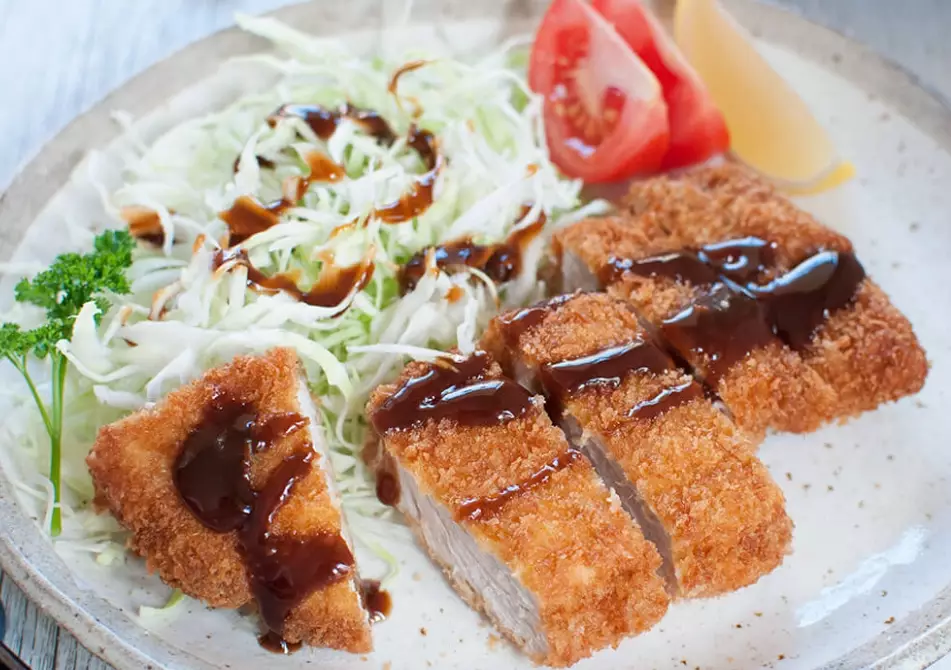 Mastering pork tonkatsu is about respecting the process. It's not a complicated dish, but each step has a purpose. Get the right cut, press that panko on like you mean it, trust the thermometer, and let it rest. The result—a symphony of crunch, juicy pork, and savory-sweet sauce—is worth every bit of focus. Now go turn that stove on.
Reader Comments