You're staring at a sushi menu, trying to find a vegetarian option that isn't just cucumber or avocado. You see "kanpyo roll" and a spark of hope appears. But then the doubt creeps in. Is it really vegetarian? The short, direct answer is: a traditional kanpyo roll is often NOT vegan and may not even be vegetarian, depending on your specific dietary rules. The core ingredient—kampyo (dried gourd strips)—is plant-based, but the way it's prepared and the other components in the roll can introduce animal products. Let's break down exactly why, so you can make an informed choice next time you're at a sushi bar or grocery store.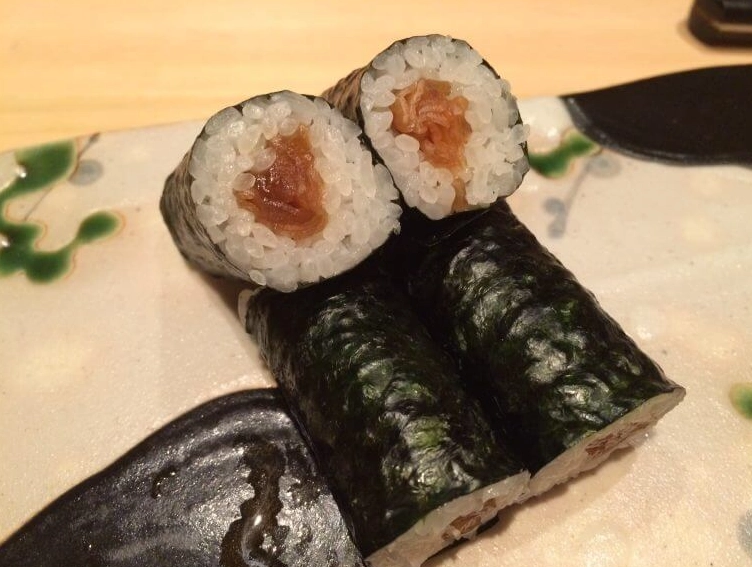
What’s Inside This Guide
- What is Kanpyo Roll? A Quick Primer
- What is Kanpyo Made Of? The Core Ingredient
- The Sushi Rice: A Potential Hidden Non-Vegetarian Ingredient
- The Nori Seaweed: Almost Always Vegan
- So, Is Kanpyo Roll Vegetarian? A Clear Verdict
- How to Ensure Your Kanpyo Roll is Vegetarian
- Where to Find Vegetarian Kanpyo Rolls
- Making Vegetarian Kanpyo Roll at Home
- FAQs About Kanpyo Roll and Vegetarianism
What is Kanpyo Roll? A Quick Primer
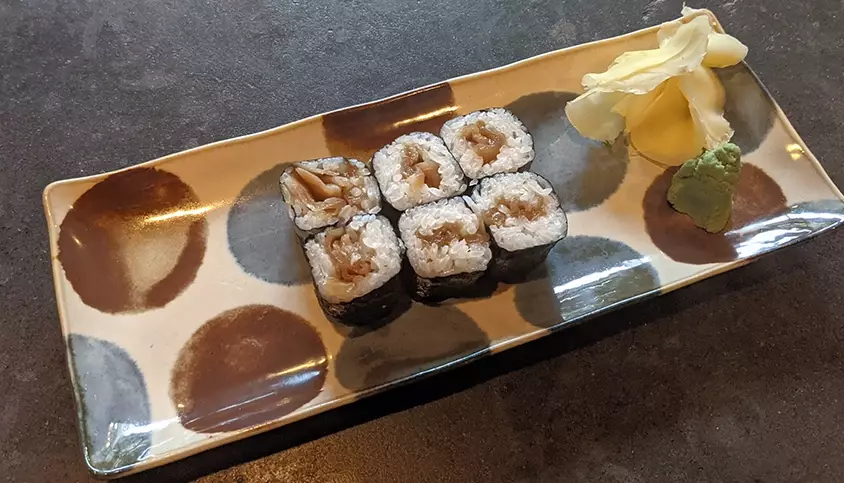
Before we dive into ingredients, let's be clear about what we're talking about. A kanpyo roll (かんぴょう巻き, kampyō-maki) is a type of thin sushi roll (hosomaki). It's simple: sushi rice and seasoned kanpyo strips rolled tightly inside a sheet of nori (seaweed). It's one of the classic, old-school sushi rolls in Japan, often appreciated for its subtle sweet-and-salty flavor and unique chewy texture. It's not flashy like a dragon roll, but it's a staple.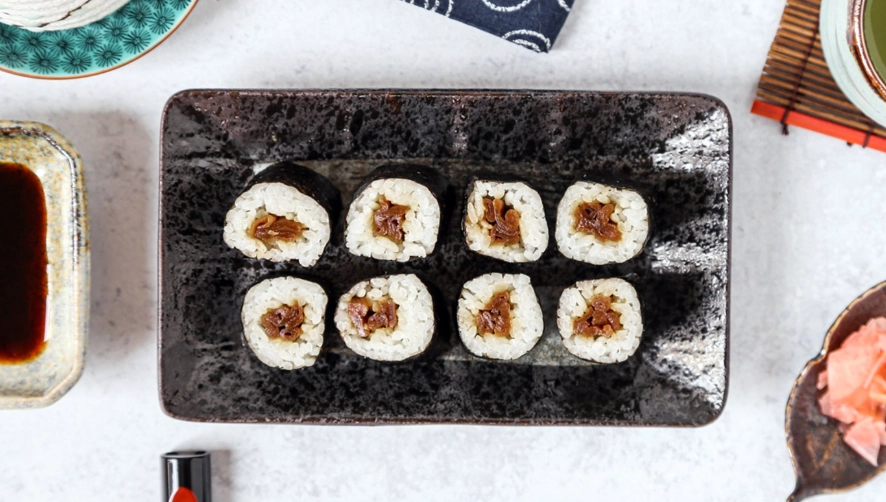
What is Kanpyo Made Of? The Core Ingredient
This is where most people get tripped up. "Kanpyo" or "kampyo" refers to the dried shavings of the calabash gourd (a type of bottle gourd). The gourd itself is, of course, a vegetable. The process involves peeling the gourd into long, thin ribbons, then drying them in the sun. In this raw, dried state, kanpyo is 100% plant-based.
Here's the catch: Dried kanpyo is rock-hard and flavorless. Before it can be used in sushi, it must be rehydrated and simmered in a seasoned broth. This is the critical step that determines its vegetarian status.
The traditional simmering broth (nimono broth) almost always contains dashi. And traditional Japanese dashi is made from katsuobushi (dried, fermented skipjack tuna flakes) and kombu (kelp). Some recipes might use a dashi made from niboshi (dried sardines). So, the kanpyo strips absorb this fish-based broth, making them non-vegetarian.
What it tastes like: Properly cooked kanpyo has a pleasant, slightly sweet (from mirin and sugar), slightly salty, and savory (umami) flavor with a uniquely tender-yet-chewy texture. If it tastes bland or just sweet, it's probably not been seasoned well or may be a cheap, mass-produced version.
However, it is possible to season kanpyo with a vegetarian dashi. This would be a kombu-only dashi (just kelp), or a shiitake mushroom dashi. The flavor profile changes—it becomes more earthy and less intensely umami than the fish-based version—but it's still delicious. You just won't commonly find this in a standard sushi restaurant.
The Sushi Rice: A Potential Hidden Non-Vegetarian Ingredient
Even if the kanpyo itself is cooked in a vegetarian broth, the sushi rice (shari) can be another trap. Authentic sushi rice is seasoned with a mix of rice vinegar, sugar, salt, and... you guessed it, dashi or mirin.
- Dashi in sushi rice: Some chefs, especially in high-end or traditional settings, add a splash of dashi to the sushi rice seasoning for extra depth. It's not universal, but it's a practiced technique.
- Mirin: This sweet rice wine is a standard seasoning. The potential issue? Some cheaper or "hon-mirin" style products can contain a small percentage of shochu (distilled spirit) or other additives. While the alcohol is typically cooked off, strict vegans who avoid all alcohol-derived products might need to check. Most vegetarians wouldn't have an issue with this.
The rice is a smaller risk than the kanpyo seasoning, but it's a detail a seasoned vegetarian diner learns to ask about.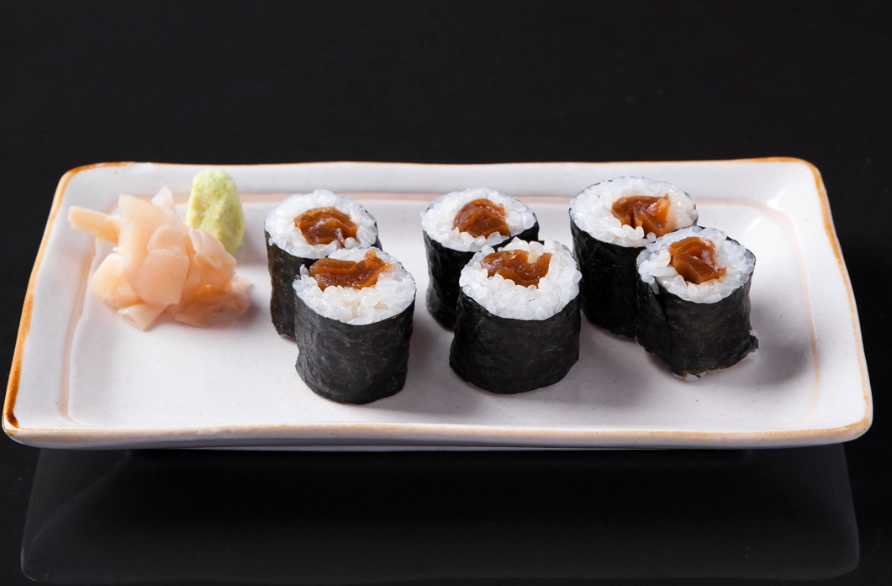
The Nori Seaweed: Almost Always Vegan
Good news here. The nori sheet that wraps the roll is simply dried, toasted seaweed. No animal products are involved in its standard production. It's a safe bet for all vegetarians and vegans. Sometimes you might find flavored nori, but the flavorings (like soy sauce, sesame oil) are typically plant-based.
So, Is Kanpyo Roll Vegetarian? A Clear Verdict
Let's put it all together. Your chances of getting a truly vegetarian kanpyo roll depend entirely on how and where it's made.
| Diet Type | Is Traditional Kanpyo Roll Suitable? | Key Reason |
|---|---|---|
| Lacto-ovo Vegetarian (eats dairy/eggs) | Usually NO | The kanpyo is almost always simmered in fish-based dashi. |
| Pescatarian (eats fish) | YES | Fish-based dashi is not an issue. |
| Vegan (no animal products) | Almost always NO | Fish dashi in kanpyo, potential dashi/alcohol in rice. |
| Made with Vegetarian Broth | YES for all vegetarians/vegans | This is a special preparation, not the default. |
The biggest mistake I see newcomers make is assuming "simple vegetable ingredient = vegetarian dish." Japanese cuisine leans heavily on dashi as a flavor foundation, and it's invisible. You can't see the fish flakes in the clear broth the kanpyo was cooked in.
How to Ensure Your Kanpyo Roll is Vegetarian
Don't just guess. You have to ask, and ask specifically. Here’s the script I use after years of navigating sushi menus as a vegetarian:
1. Ask the server or chef: "Sumimasen, kono kanpyo-maki wa, kanpyo o dashi de nitte imasu ka? Soshite, dashi wa sakana no dashi desu ka?" (Excuse me, is the kanpyo in this roll simmered in dashi? And is that dashi made from fish?).
2. Follow up on the rice: "Sushi-meshi ni wa dashi ga haitte imasu ka?" (Is there dashi in the sushi rice?).
3. Make a clear request: If they use fish dashi, ask: "Kombu dashi dake de kanpyo o nite, vegan no kanpyo-maki o tsukutte kuremasen ka?" (Could you simmer the kanpyo in just kombu dashi and make a vegan kanpyo roll?).
In a busy restaurant, they might say no. But at a nicer sushi-ya or a place with a flexible chef, they might accommodate you. It's always worth asking politely.
Where to Find Vegetarian Kanpyo Rolls
Your odds increase dramatically in certain places. Here are two real-world scenarios:
1. At a Dedicated Vegetarian/Vegan Sushi Restaurant
This is your safest bet. These restaurants build their entire menu around plant-based ingredients and use kombu or shiitake dashi exclusively.
Example: Beyond Sushi (New York City, USA)
Address: Multiple locations in Manhattan.
Their Take: While they are known for creative rolls, they understand traditional preparations. Their version of a kanpyo roll would use mushroom-seasoned gourd strips.
Price Point: Rolls range from $8-$15.
Why it works: The entire operation is vegan, so there's zero cross-contamination risk and no need for complex questions.
2. At a High-End Traditional Sushi Bar (Omakase Experience)
Paradoxically, a very expensive, chef-driven omakase counter can be a great place to get an authentic vegetarian kanpyo roll—if you communicate in advance.
Example: Sushi Shin (Tokyo, Japan - a fictional example based on common practice)
The Process: You book a reservation and note "vegetarian" or "vegan" in the request field. The chef, aiming to provide a complete experience, will prepare a separate batch of kanpyo using kombu dashi and ensure the rice is seasoned without animal products for your meal.
Price Point: Omakase starts at ¥30,000.
The Catch: This is a special request, not off the standard menu. You're paying for the chef's skill and accommodation.
In regular sushi chains or conveyor belt (kaiten) sushi places, I've almost never found a truly vegetarian kanpyo roll. They rely on pre-prepared, standardized ingredients.
Making Vegetarian Kanpyo Roll at Home
This is the most reliable and satisfying method. You control every ingredient. It's easier than you think.
What you need:
- Dried kanpyo (find it at Japanese/Asian grocery stores or online)
- Kombu (for dashi)
- Soy sauce (check for vegan status, some contain trace alcohol)
- Mirin, sugar, rice vinegar
- Sushi rice, nori sheets
Quick Process:
1. Make kombu dashi: Steep a piece of kombu in water, just below boiling, for 20 minutes. Remove kombu.
2. Rehydrate & simmer kanpyo: Soak dried kanpyo strips in water for 15 mins. Rinse well (this removes bitterness). Simmer in the kombu dashi with soy sauce, mirin, and sugar until tender and flavorful (about 15-20 mins). Let cool.
3. Make sushi rice: Season cooked short-grain rice with a mix of rice vinegar, sugar, and salt. Do not add dashi.
4. Roll: Place nori on a bamboo mat, spread a thin layer of rice, add a line of kanpyo strips in the center, and roll tightly.
The homemade version has a cleaner, more vegetal sweetness. It lacks the intense umami punch of fish dashi, but I actually prefer its subtlety. It feels lighter.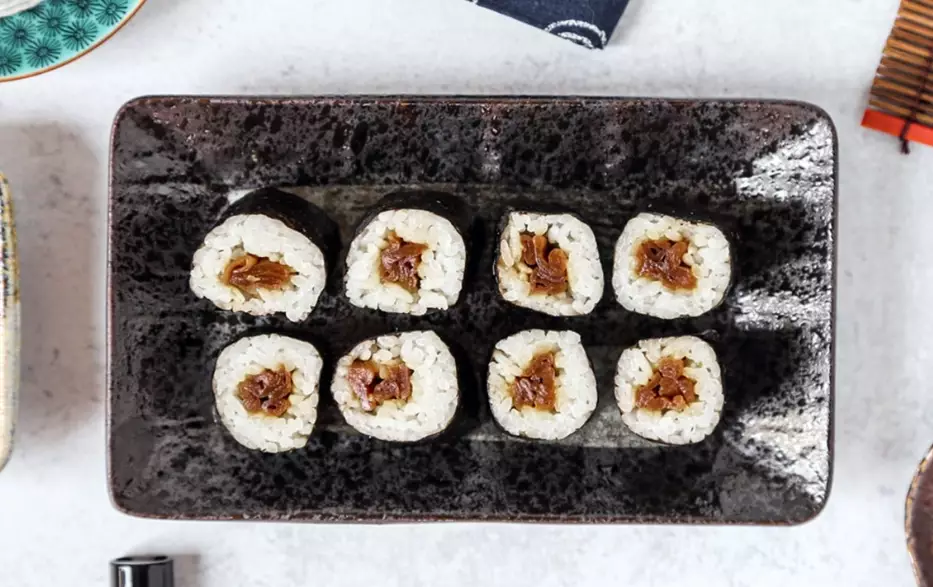
FAQs About Kanpyo Roll and Vegetarianism
Can vegans eat kanpyo roll at any sushi restaurant if I just ask for "no fish"?
I bought pre-made kanpyo rolls from a Japanese supermarket. Are they vegetarian?
Is the sweet taste in kanpyo from sugar or something else?
 Are there other traditional sushi rolls that are secretly non-vegetarian like kanpyo?
What's a foolproof vegetarian sushi order if I'm unsure about the kanpyo?
The bottom line is that kanpyo roll sits in a gray area. The ingredient seems innocent but is often prepared in a way that excludes strict vegetarians and vegans. The key is knowledge and communication. Don't be afraid to ask detailed questions, seek out specialty restaurants, or best of all, try making it yourself. That way, you can enjoy this classic, subtly delicious piece of sushi culture with complete confidence.
Reader Comments