You’ve probably seen "panko" listed as an ingredient in recipes for tonkatsu, fried shrimp, or even as a topping for baked mac and cheese. If you’ve ever swapped it for the standard breadcrumbs in your pantry and been blown away by the lighter, crispier, more delicate crunch, you’ve experienced the magic firsthand. But it’s not magic—it’s meticulous craft. Japanese panko is fundamentally different from its Western counterparts, and the reasons go far beyond just being "bigger flakes." As someone who’s spent years in both home and professional kitchens wrestling with getting the perfect fry, I can tell you that understanding why Japanese panko is better is the key to unlocking its full potential and never going back to a soggy, dense coating again.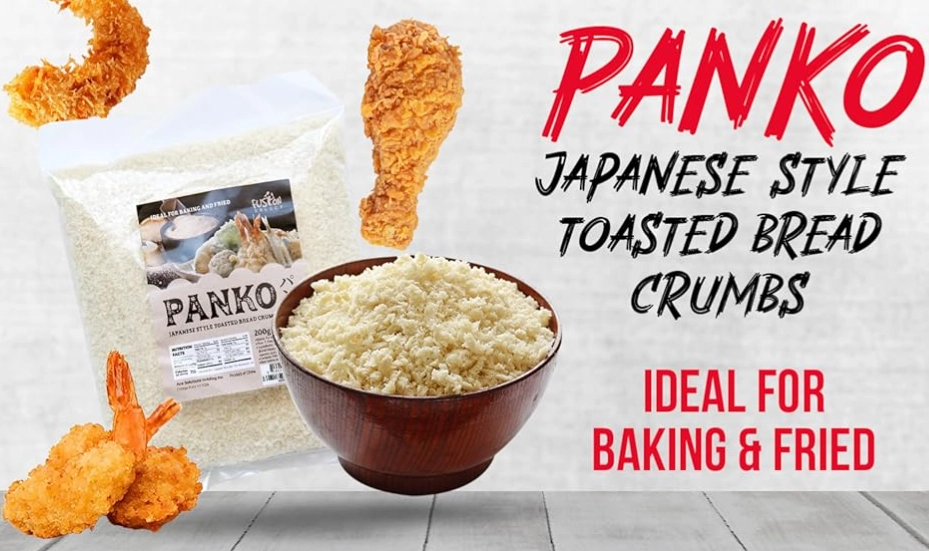
What You'll Learn in This Guide
What Exactly Is Panko (And What It Isn't)
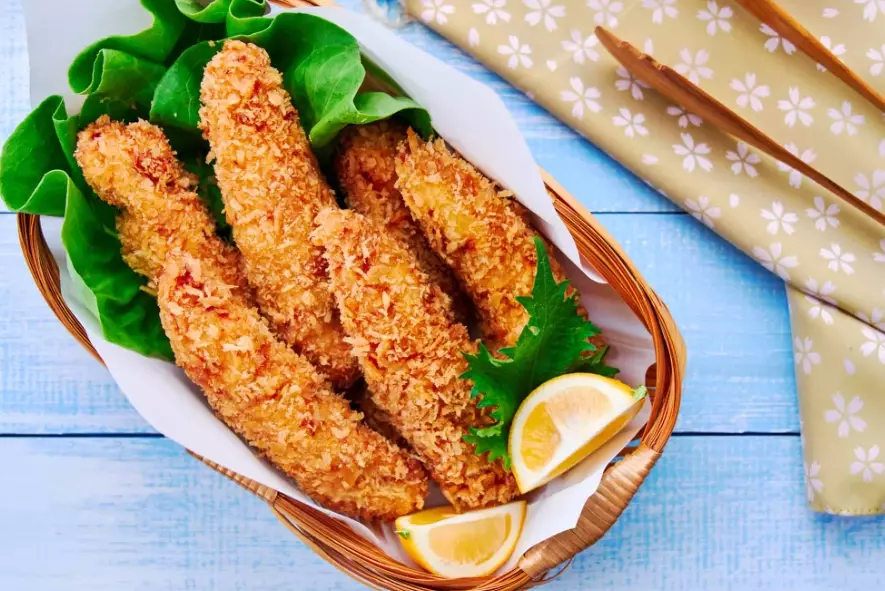
First, let's clear something up. "Panko" (パン粉) simply means "bread crumbs" in Japanese. But in the culinary world, it refers to a specific type of crumb with unique characteristics. The biggest misconception is that any large, flaky breadcrumb is panko. Not true. Authentic Japanese panko is made from crustless white bread that is processed in a specific way (which we'll get to) to create shards, not granules. Think of it like this: regular breadcrumbs are like sand, while panko is like a collection of tiny, airy shingles. This structure is everything.
How Real Japanese Panko Is Made: The Secret Process
This is where the real divergence happens. Most Western dry breadcrumbs are made from baked, dried, and ground bread—often including the crust. The process creates small, dense particles.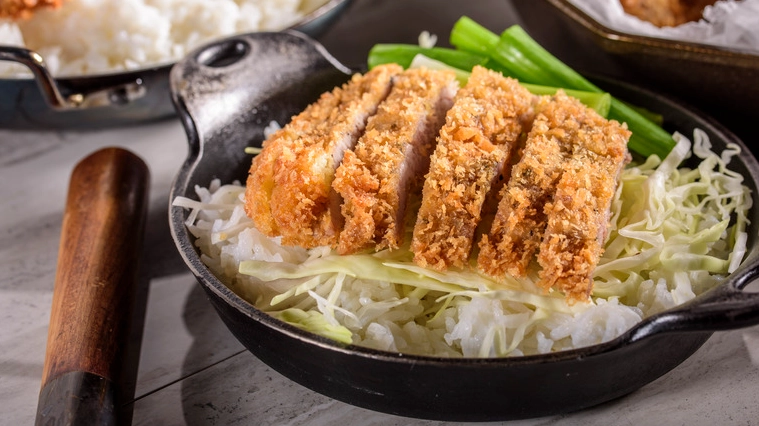
Traditional Japanese panko production is strikingly different. The most common method involves baking bread using an electrical current, not in a conventional oven. This method, detailed in resources from the Japanese Ministry of Agriculture, Forestry and Fisheries, promotes rapid rising without forming a hard crust. The resulting loaf is all soft, airy interior.
This crustless bread is then coarsely grated or shredded, not ground. The shredding action pulls apart the bread's soft structure into those iconic long, jagged flakes. These flakes are then gently dried. Because they start with a more porous, uniform crumb and no crust, the final product has:
- Less oil absorption: More surface area and sharp edges might seem like they'd soak up more oil, but the opposite is true. The airy, shard-like structure creates a web that oil can't easily penetrate, leading to a cleaner, crispier fry. A study published in the Journal of Food Science has noted how breadcrumb structure significantly affects oil uptake.
- No pre-seasoning: Authentic panko is plain. This is a feature, not a bug. It gives you, the cook, complete control over flavoring. You're not locked into the salty, herby profile of Italian-style breadcrumbs.
Panko vs. Regular Breadcrumbs: A Side-by-Side Breakdown
Let's make this concrete. Here’s exactly what changes when you switch from your standard canister to a bag of panko.
| Characteristic | Japanese Panko | Regular / Western Breadcrumbs |
|---|---|---|
| Texture & Shape | Long, light, flaky shards with sharp edges. Looks like snowflakes. | Small, uniform, granular or sandy particles. Often fine and powdery. |
| Crunch Factor | Superior. Creates an airy, delicate, and incredibly crisp coating that stays crispier longer. It has a pronounced "shatter." | Denser, harder crunch. Can become tough or cement-like if too thick. Tends to get soggy faster. |
| Oil Absorption | Lower. The structure creates a barrier, resulting in a less greasy final product. | Higher. Dense particles soak up oil like a sponge, leading to heavier, oilier food. |
| Color | Fries to a consistent, appealing golden-brown without burning easily. | Can darken quickly or brown unevenly due to finer particles and spices. |
| Flavor | Neutral, slightly sweet wheat flavor. A blank canvas for your seasonings. | Often pre-seasoned with salt, herbs (oregano, basil), and sometimes garlic powder. |
| Best Uses | Fried foods (katsu, shrimp, fish), crunchy toppings for casseroles, binding for meatballs/loaves where a lighter texture is desired. | Breading for baked dishes, filler for meatballs/meatloaf, stuffing, topping for baked pasta. |
I learned this the hard way early on. I used Italian-seasoned breadcrumbs for chicken katsu, and the result was a muddy, overly herbal flavor that fought with the tonkatsu sauce, and the coating turned soft disappointingly fast. Panko lets the protein and your chosen seasonings shine.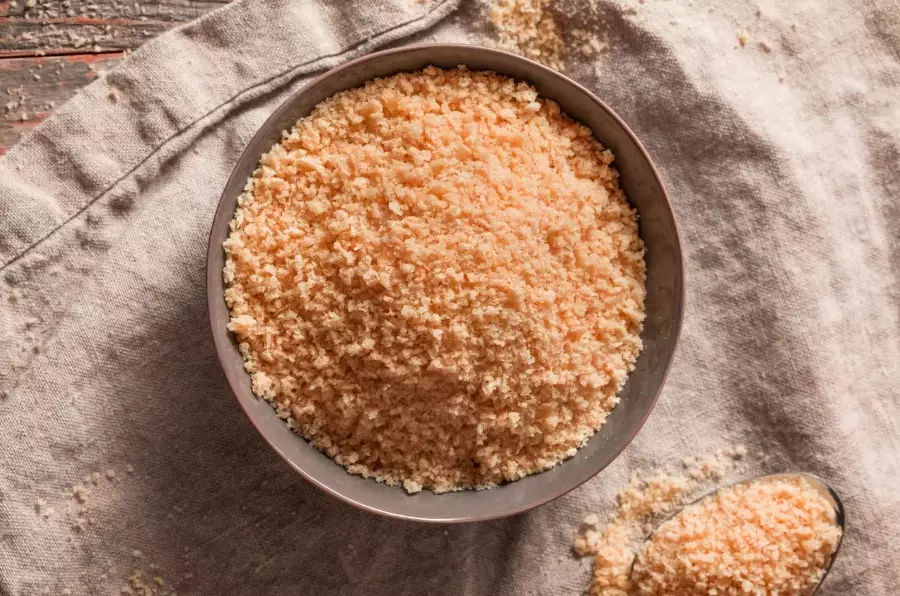
How to Use Panko for Maximum Crispiness (Common Mistakes)
Having great panko is only half the battle. Using it wrong can still lead to mediocre results. Here’s how to get that perfect, restaurant-style crunch every time.
The Breading Station: A Non-Negotiable Setup
Always use the standard breading procedure: seasoned flour -> beaten egg -> panko. The flour provides a dry base for the egg to stick to, and the egg acts as the glue for the panko. Skipping the flour is a common home cook error that leads to patchy, falling-off breading.
Toasting Your Panko: The Game-Changer
This is my single biggest tip that most recipes don't emphasize enough. Toast your panko in a dry skillet with a little oil or butter before breading. Why? It drives off residual moisture, deepens its color and nutty flavor, and starts the crisping process early. When you fry it later, it becomes impossibly crisp and golden almost instantly, reducing the time your food needs in the oil. It also makes it perfect for oven-baking.
Oil Temperature is King
Panko's delicate structure demands the right frying environment. If your oil isn't hot enough (aim for 340-350°F / 170-175°C), the food will absorb oil before the coating sets, becoming greasy. Too hot, and the panko burns before the inside cooks. Use a thermometer. It's the best investment for frying.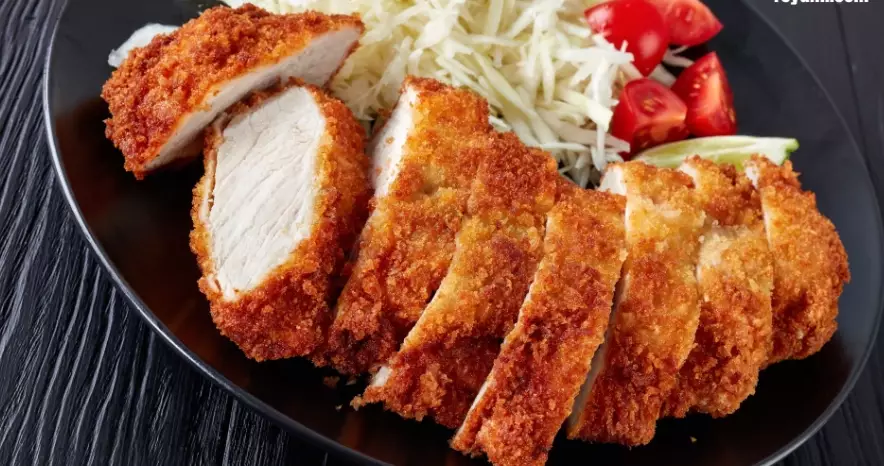
Buying and Storing Panko Like a Pro
Not all panko is created equal, even on the "Japanese" shelf.
What to Look For: Seek out brands that specify "Japanese-style" or are actually imported from Japan (like Brand A or Brand B). Check the ingredient list: it should be short—wheat flour, yeast, oil, salt. Avoid anything with added sugar or a long list of preservatives. The flakes should be visibly large, light, and separate, not clumped together in a dusty mass.
Storing It: This is crucial. Panko is a dried product, but it's not immune to staleness or moisture. Once opened, transfer it to an airtight container and store it in a cool, dark pantry. For long-term storage (over a month), I keep mine in the freezer. The cold, dry environment preserves its texture perfectly. Just spoon out what you need; no need to thaw.
I made the mistake of leaving an opened bag clipped shut in a humid kitchen. Within two weeks, the panko lost its crisp potential and developed an off, slightly musty taste. Don't let that happen to you.
Your Panko Questions, Answered
 Can I use panko in an air fryer?
Reader Comments