Quick Navigation
I remember the first time I ruined a pot of miso soup. I was following a recipe loosely, distracted by a phone call, and let the pot come to a full, rolling boil after I'd added the miso paste. The result? A soup that tasted flat, slightly bitter, and had this weird, separated grainy texture. It was a far cry from the delicate, savory broth I was aiming for. That's when I really learned the hard way why you can't boil miso soup. It's not just chef superstition or a cute cultural tradition—it's basic food science that makes or breaks your dish.
If you've ever searched "why can't you boil miso soup," you're not alone. It's one of the most common stumbling blocks for people trying to make this Japanese staple at home. You get the dashi right, the tofu is cubed, the wakame is soaked... and then you blow it in the final minute by cranking up the heat. Let's break down exactly what happens, why it matters so much, and how to fix it for good.
The Science Behind the "No-Boil" Rule
So, what's the big deal? Why is boiling miso soup such a culinary crime? It boils down (pun not really intended) to three main things: flavor, nutrition, and texture. When you understand what's in your miso paste, the rule makes perfect sense.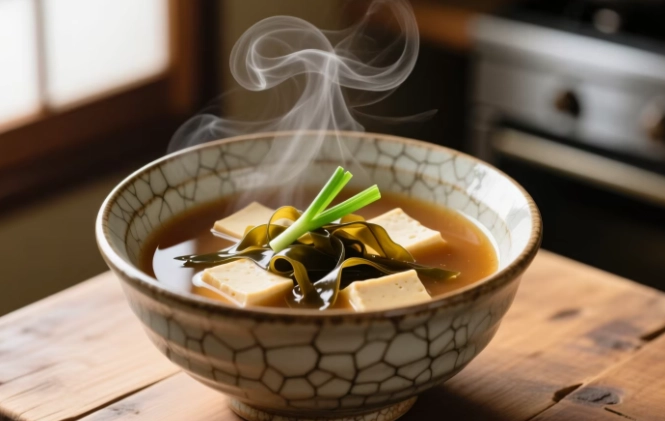
1. Flavor Destruction: Killing the Umami
Miso is a fermented paste, typically made from soybeans, salt, and a mold called koji (Aspergillus oryzae). This fermentation process creates incredibly delicate and complex flavor molecules. The star of the show is umami, that savory fifth taste. The primary umami compounds in miso are glutamates and nucleotides.
Here's the problem. These compounds are fragile. Prolonged exposure to high heat, like a rolling boil, breaks them down. It's like overcooking a fine piece of fish—the subtlety vanishes, leaving behind a harsher, more bitter taste profile. The fermented, cheesy, nutty notes get scorched away. I find boiled miso soup often has a one-dimensional salty taste, missing all the depth. That's the main reason why you can't boil miso soup if you care about how it tastes.
2. Nutritional Loss: Say Goodbye to Good Bacteria
This is a point a lot of recipes gloss over. Real, unpasteurized miso is a live food. It contains beneficial probiotics (like Lactobacillus and Pediococcus species) and active enzymes that are great for gut health. These microorganisms are responsible for the fermentation and contribute to the nutritional profile.
Probiotics are heat-sensitive. According to research on food fermentation, sustained temperatures above 115°F (46°C) start to kill these beneficial bacteria. A full boil is a massacre. You're essentially turning a probiotic-rich, digestive-aid food into a dead, pasteurized product. If you're using miso for its health benefits, boiling defeats a big part of the purpose. The Japanese Ministry of Agriculture, Forestry and Fisheries even highlights the importance of traditional fermentation methods in preserving these live cultures.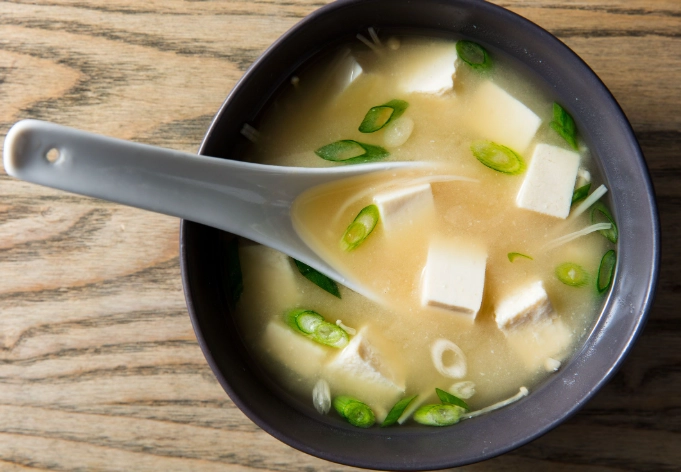
3. Texture and Appearance: The Grainy, Separated Soup
Ever seen a miso soup that looks cloudy with little grainy bits floating around? That's a telltale sign it was boiled. Miso is an emulsion—a stable mixture of its components. High heat breaks that emulsion, causing the proteins and solids to coagulate and separate from the liquid. Instead of a smooth, integrated broth, you get a grainy, uneven texture. It's visually unappealing and feels wrong in your mouth.
The proteins in the soybeans denature aggressively at high temperatures, clumping together. It's similar to what happens if you boil a cream-based sauce—it curdles. So even if you ignore the flavor and health aspects, the texture alone is a compelling reason why you can't boil miso soup.
Let's put this all in a quick comparison table. It really highlights the difference.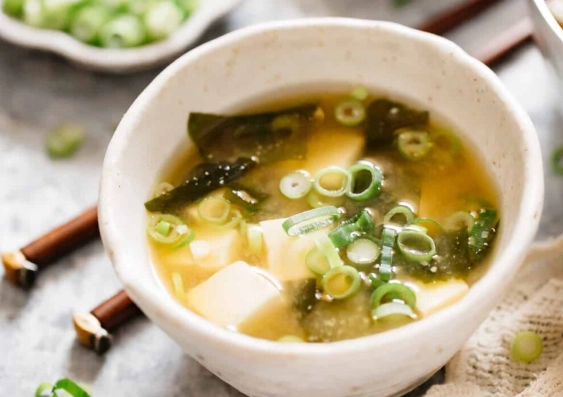
| Characteristic | Properly Prepared Miso Soup (Not Boiled) | Boiled Miso Soup |
|---|---|---|
| Flavor Profile | Complex, deep umami, savory, slightly sweet, nuanced. | Flat, predominantly salty, can be bitter, one-dimensional. |
| Nutrition | Preserves live probiotics and active enzymes (if using unpasteurized miso). | Kills probiotics, degrades heat-sensitive nutrients. |
| Texture | Smooth, integrated, silky broth. | Grainy, separated, can be cloudy. |
| Aroma | Rich, inviting, fermented aroma. | Muted, sometimes with a slightly "off" cooked smell. |
See the difference? It's night and day.
How to Make Miso Soup the RIGHT Way (Step-by-Step)
Okay, so we know why you can't boil miso soup. Now, how do you actually do it correctly? It's easier than you think, but it requires a slight shift in your cooking routine. Forget the "dump and boil" method.
Here’s my go-to method, refined after many pots (and a few failures).
- Make Your Dashi Broth. Bring your dashi (Japanese soup stock—you can use instant dashi granules, kombu, or bonito) to a gentle simmer in a pot. Add any hard vegetables (like daikon radish or carrots) at this stage to cook them through.
- Add Soft Ingredients. Once the hard veggies are tender, add your tofu (cubed) and rehydrated wakame seaweed. Let them heat through for a minute or two. The goal is to have all your solid ingredients hot and ready.
- KILL THE HEAT. This is the critical step. Turn off the burner. Move the pot off the hot burner if you have an electric stove, as the residual heat is significant.
- Dissolve the Miso. Scoop a ladleful of the hot broth into a small bowl. Add your miso paste to this ladle of broth. Use a fork, small whisk, or miso strainer (misokoshi) to dissolve the miso completely into a smooth slurry. This prevents clumping. For a standard pot serving 4, I use about 3-4 tablespoons of miso, but taste as you go.
- Stir it Back In. Pour the smooth miso slurry back into the main pot. Gently stir to incorporate. The residual heat of the broth is more than enough to warm the miso through without ever approaching a boil.
- Serve Immediately. Ladle into bowls, garnish with sliced green onion, and serve right away. Do not return the pot to the boil. If you need to reheat leftovers later, do it very gently on the lowest possible heat, stirring constantly.
That's it. The whole process after adding the miso takes less than a minute. The soup will be piping hot from the broth's retained heat. This method preserves everything good about the miso.
If you take away one thing, let it be this: heat off, then miso in.
Temperature Control: Your Secret Weapon
If you're a gadget person or just want to be sure, think about temperature. As mentioned, the sweet spot is between 140°F and 160°F (60°C - 70°C). At this range, the soup is hot enough to be enjoyable and to lightly "cook" the miso into the broth, but it's far below the 212°F (100°C) of a boil. If you see steam and little bubbles starting to form at the pot's edge, you're in the right zone. If you see rolling bubbles in the center, you've gone too far.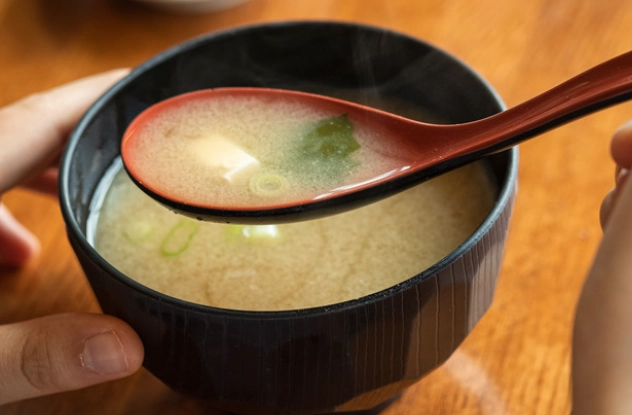
Common Mistakes and How to Avoid Them
Even knowing the rule, it's easy to slip up. Here are the top blunders I've made and seen others make.
- Adding Miso Too Early: The biggest one. You add the miso with the tofu, then let the whole thing simmer for 5 more minutes. By then, the damage is done. Miso is always the last ingredient.
- Not Dissolving the Miso First: Plopping a big spoonful of dense miso paste directly into the pot. It sinks to the bottom, sticks, and you end up with uneven flavor and clumps. Always make a slurry.
- Re-boiling Leftovers: You save some soup for lunch tomorrow and nuke it in the microwave for 2 minutes on high. Same result—destroyed miso. Reheat slowly and stir often.
- Using a Rolling Boil for the Broth: Even before adding miso, a violent boil can make your dashi broth taste harsh. A gentle simmer is all you need for extracting flavor from kombu or bonito.
Answering Your Miso Soup Questions (FAQ)
What type of miso is best for soup?
There are many types! The color is a good guide. White miso (shiro miso) is mild, slightly sweet, and ferments for a shorter time. It's great for delicate soups and dressings. Red miso (aka miso) is saltier, richer, and ferments longer. It stands up well to heartier soups with root vegetables. Yellow miso is somewhere in the middle. I typically use a blend of white and red for a balanced flavor. The USDA FoodData Central database can give you a detailed nutritional breakdown of different types if you're curious about specific content.
Can I add miso to other hot dishes?
Absolutely! The same principle applies. Use miso as a flavor finisher. Stir a tablespoon into stews or braises at the end of cooking. Whisk it into pan sauces after you've taken the pan off the heat. Mix it with butter for compound butter to melt over steak. It's a fantastic umami booster, but treat it with care.
My soup is too salty! How do I fix it?
Miso is salty, so it's easy to overdo it. First, always start with less than you think. You can add more, but you can't take it out. If it's too salty, dilute it with more unsalted dashi or plain hot water. Adding a small pinch of sugar or a splash of mirin (sweet rice wine) can also help balance excessive saltiness by rounding out the flavor.
Is it okay to boil the soup BEFORE adding the miso?
Yes, completely! In fact, you need to boil or simmer your dashi broth to cook any raw ingredients (like vegetables or meat) and to infuse the flavors. The prohibition is specifically on boiling after the miso paste has been added. So, cook your broth base thoroughly, then let it cool just slightly (or just turn off the heat) before the miso goes in.
This is a crucial distinction that solves a lot of confusion. Why can't you boil miso soup? You *can* boil the soup base. You just can't boil the miso itself.
Beyond the Pot: Miso's Delicate Nature
Understanding why you can't boil miso soup opens a door to understanding miso as an ingredient. It's not a hardy tomato paste or a robust curry powder. It's a living, fermented product with subtleties. This respect for ingredients is a cornerstone of Japanese cuisine (washoku).
For deeper reading on traditional Japanese fermentation techniques, the website Japan-Guide.com has excellent cultural context, and resources from institutions like the Kikkoman Institute for International Food Culture (though corporate-affiliated, it provides well-researched historical and technical data) can give you a broader picture of how ingredients like miso are used traditionally.
At the end of the day, cooking is about getting the result you want. If you want a quick, hot liquid and don't care much about nuance, maybe boiling your miso soup is fine for you. But if you're after that authentic, restaurant-quality bowl—complex, savory, smooth, and nourishing—then respecting the "no-boil" rule is non-negotiable. It’s the single most important technique for mastering this simple yet profound soup. Give the cool-down method a try. Taste the difference for yourself. I think you'll find it's worth the extra 30 seconds of care.
Reader Comments