In This Guide
- What Exactly Is Japanese Curry? A Little Bit of History
- Your Roadmap: Different Ways to Make Japanese Curry
- The Core Ingredients: Building Flavor from the Ground Up
- Step-by-Step: How to Make Japanese Curry with Roux Blocks
- Leveling Up: Pro Tips and Flavor Boosters
- Your Japanese Curry Questions, Answered (FAQ)
- Common Pitfalls and How to Avoid Them
- Beyond the Block: Exploring Further
Let's be honest. The first time I tried to figure out how to make Japanese curry, it was a bit of a disaster. I threw in what I thought were the right spices, simmered it for what felt like forever, and ended up with something that tasted more like a vague soup than the thick, rich, deeply comforting dish I remembered from my favorite little restaurant. It was frustrating.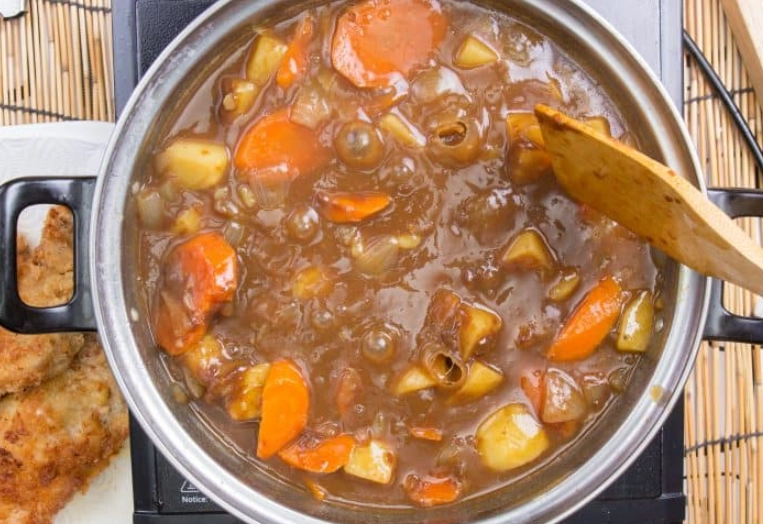
But here's the thing. Once you crack the code, it's one of the easiest, most forgiving, and satisfying meals you can cook. It's a weekly staple in my house now. Rainy day? Make curry. Need to feed a crowd? Make curry. Don't feel like thinking too hard about dinner? You guessed it.
This isn't just another recipe list. We're going to dig into the why behind the steps, explore all the different ways you can approach it (from ultra-easy to scratch-made), and answer every question that might pop up along the way. By the end, you'll know exactly how to make Japanese curry that's perfectly suited to your taste.
What Exactly Is Japanese Curry? A Little Bit of History
It's not Indian curry, and it's not Thai curry. Japanese curry (karē) is its own unique beast. It arrived in Japan via the British during the Meiji era (the British got it from India, you see how food travels?). The Japanese adapted it, smoothed out the heat, thickened it up, and made it their own. It's so ingrained in the culture now that it's considered a national dish, right up there with ramen and sushi. You can find official data on its popularity from sources like the Japanese Ministry of Agriculture, Forestry and Fisheries, which often highlights curry as a top household meal.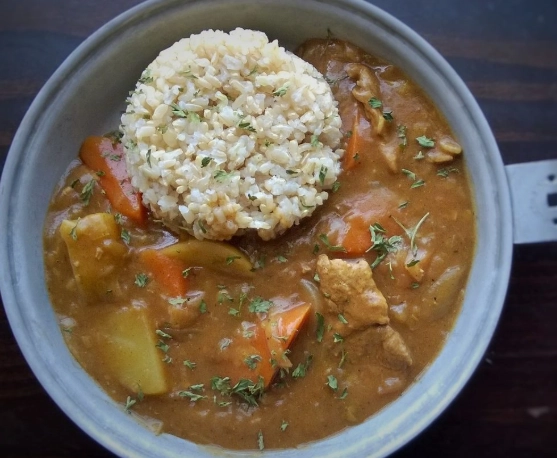
Think of it as a hearty, savory stew with a thick, gravy-like sauce. The flavor is complex—savory, slightly sweet, with a hint of spice and warmth, but rarely fiery hot. It's a hug in a bowl, usually served over rice, and often with a side of bright red fukujinzuke pickles for a crunchy, tangy contrast.
Your Roadmap: Different Ways to Make Japanese Curry
Before we get our pots dirty, let's look at the main paths you can take. Your choice depends on how much time you have and how deep you want to go.
| Method | What It Is | Best For | My Honest Take |
|---|---|---|---|
| The Curry Roux Block | Using pre-made blocks of seasoned curry sauce base (like S&B Golden Curry, Vermont Curry, Java Curry). | Absolute beginners, weeknight dinners, guaranteed consistent results. | This is how 99% of Japanese households do it on a regular basis. It's not "cheating"—it's smart cooking. The flavor is fantastic and reliable. |
| Curry Powder & Flour Roux | Making your own roux from butter, flour, and Japanese curry powder. | Cookies who want more control over saltiness and spice blend. | Gives you flexibility, but getting the spice blend just right can be tricky. It's a fun weekend project. |
| From-Scratch Spice Blend | Toasting and grinding your own whole spices (coriander, cumin, turmeric, etc.) to create a unique blend. | Adventurous home cooks, those with spice allergies, or purists. | Incredibly rewarding, but it's a commitment. The flavor can be amazing, but it will taste different from the "classic" Japanese curry flavor. |
For this guide, we'll focus on the first method—the curry roux block—because it's the gateway to success and what most people are looking for when they search for how to make Japanese curry at home. Once you master that, the other methods are a natural next step.
I keep boxes of different curry roux blocks in my pantry at all times. They have a long shelf life and are my ultimate dinner safety net. Don't let anyone make you feel like using them is inferior.
The Core Ingredients: Building Flavor from the Ground Up
Japanese curry is incredibly adaptable, but it has a classic foundation. Here's what you'll typically need.
The Holy Trinity (and Friends): Vegetables
This is non-negotiable for flavor base. You'll sauté these first to build a deep, sweet foundation.
- Onions: Lots of them. I'm talking 2-3 large onions, thinly sliced. You cook them low and slow until they're deeply caramelized and golden brown. This step is THE secret to a rich, sweet, complex sauce. Don't rush it. 20-25 minutes is not too long.
- Carrots: Cut into bite-sized chunks or rolling cuts (rangiri). They add sweetness and body.
- Potatoes: Use waxy potatoes like Yukon Gold or red potatoes. They hold their shape better. Russets can get mushy. Cut them slightly larger than the carrots, as they cook faster.
Other common adds: garlic, ginger, mushrooms, bell peppers, even eggplant.
The Protein: Your Choice
- Chicken: Thighs are king. They stay juicy during the long simmer. Cut into bite-sized pieces. Breast can work but can dry out.
- Beef: Chuck roast or stew meat, cut into cubes. Needs a longer simmer to become tender.
- Pork: Shoulder or loin, also cubed.
- Seafood: Shrimp or scallops, added at the very end.
- Vegetarian/Tofu: Use hearty veggies like cauliflower, chickpeas, or pan-fried firm tofu added later.
The Liquid
Usually just water. Some recipes use chicken, beef, or vegetable stock for more depth. I often use half water, half low-sodium stock. Be careful with full-strength stock as the roux blocks are already quite salty.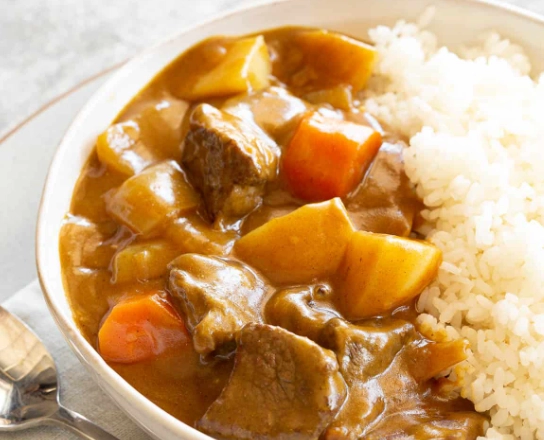
The Magic: The Curry Roux
This is the engine of the dish. Japanese grocery stores have entire aisles dedicated to these. The main brands (S&B, House Foods) have different spice levels (mild, medium, hot) and styles. Vermont Curry has apple and honey for sweetness. Java Curry is a bit more savory and spicy. Golden Curry is the classic, balanced choice. I suggest starting with a medium-hot Golden Curry.
"The key to learning how to make Japanese curry isn't just following steps; it's understanding how the slow-cooked onions melt into the sauce and how the roux thickens not just the liquid, but the entire flavor profile."
Step-by-Step: How to Make Japanese Curry with Roux Blocks
Alright, let's get cooking. This is my tried-and-true method.
Step 1: The Patient Part – Caramelizing the Onions
Heat a tablespoon of oil in a large, heavy-bottomed pot or Dutch oven over medium-low heat. Add all your thinly sliced onions and a pinch of salt. Stir to coat.
Now, you wait. Stir occasionally. Let them sweat, soften, turn translucent, then gradually take on a pale gold, then a deeper amber color. This is where the magic happens. The natural sugars caramelize and create an incredible flavor base that you just can't get any other way. If the bottom of the pot gets dark brown bits (fond), that's good! Just add a splash of water to deglaze it and scrape it up. Those bits are flavor gold.
Pro Tip: No time for a 30-minute onion caramelization? Here's a hack: Cook the onions over medium heat until soft, then add a teaspoon of sugar. It will help them brown faster and mimic some of the sweetness. It's not exactly the same, but it works in a pinch.
Step 2: Building the Stew
Once your onions are beautifully golden, push them to the side of the pot. Turn the heat up to medium-high. Add your protein (chicken, beef) in a single layer. Let it sear and brown on one side before stirring. You want some color for flavor.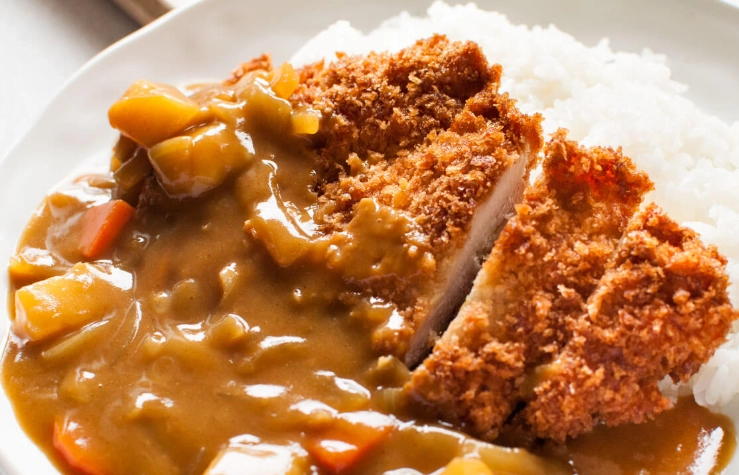
Add the carrots and potatoes (and any other hardy veggies like mushrooms). Stir everything together for a couple of minutes.
Step 3: The Simmer
Pour in enough water or broth to just cover all the ingredients. Bring it to a boil, then immediately reduce the heat to a low simmer. Skim off any grayish scum that rises to the top in the first few minutes—it makes for a cleaner tasting curry.
Cover the pot and let it simmer gently. Chicken will take about 15-20 minutes. Beef will take 45 minutes to an hour, until fork-tender. The potatoes and carrots should be easily pierced with a fork.
Watch Out: Don't boil it vigorously after adding the vegetables, especially the potatoes. They'll break apart on the outside and stay hard in the center. A gentle simmer is key.
Step 4: The Grand Finale – Adding the Roux
Turn off the heat. This is important. Break the curry roux blocks into small pieces and scatter them over the surface of the simmering stew. Let them sit for a minute to soften and start to melt.
Then, stir gently.
You'll see the transformation happen right before your eyes. The liquid will thicken into a glossy, luxurious sauce. Turn the heat back on to the lowest possible setting and simmer for another 5-10 minutes, stirring occasionally to prevent sticking at the bottom. The sauce will thicken even more as it cools.
And that's it. You've just learned the fundamental how to make Japanese curry process.
Leveling Up: Pro Tips and Flavor Boosters
The basic recipe is foolproof, but if you want to make it *your* signature curry, here are some insider tricks.
- The Secret Ingredients: Many home cooks in Japan add a little something extra when they add the roux. A tablespoon of grated apple (for sweetness and slight tang), a teaspoon of instant coffee or cocoa powder (for depth and richness), a splash of Worcestershire sauce or tonkatsu sauce (for umami), or a dollop of honey or fruit jam.
- Roux Combos: Mix two different brands or spice levels of roux blocks. One block of Vermont (sweet) with one block of Java (spicy) is a classic combo.
- Texture: For a super smooth sauce, you can blend a cup of the cooked stew with an immersion blender before adding the roux, then mix it back in.
- The Rest: Curry, like stew, often tastes even better the next day. The flavors have time to marry and deepen. Make a big batch for meal prep.
Your Japanese Curry Questions, Answered (FAQ)
I've gotten a lot of questions from friends over the years. Here are the big ones.
My curry sauce is too thin. How do I thicken it?
First, let it cool a bit—it thickens as it sits. If it's still too thin, make a slurry: mix 1 tablespoon of cornstarch or potato starch with 2 tablespoons of cold water until smooth. Bring your curry back to a simmer and stir in the slurry. Cook for another minute until thickened. Avoid adding more roux block at this stage, as it will make it too salty.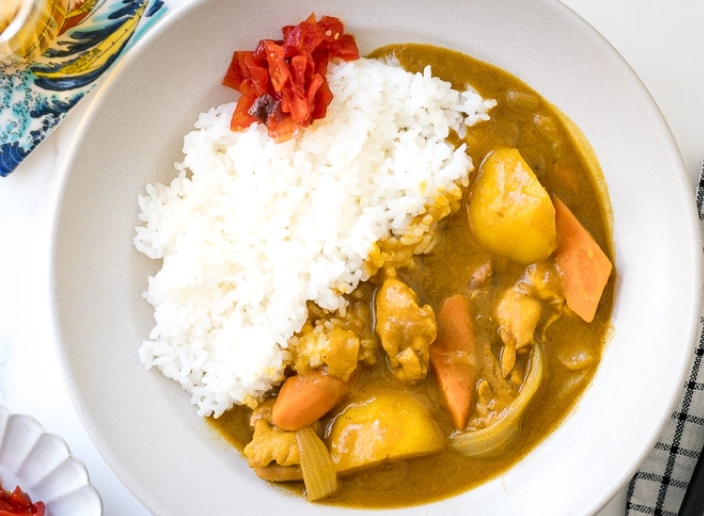
My curry is too thick! It's like a paste.
Easy fix. Just add hot water or broth, a quarter cup at a time, stirring until it reaches your desired consistency. Simmer for a minute to recombine.
Can I make Japanese curry in a slow cooker or Instant Pot?
Absolutely. For a slow cooker: Brown your meat and caramelize onions on the stove (this step is worth it for flavor), then transfer everything except the roux blocks to the slow cooker. Cook on low for 6-8 hours. An hour before serving, turn to high, add the broken roux blocks, and stir until melted and incorporated.
For an Instant Pot: Use the sauté function for the onions and meat. Add everything else except the roux. Pressure cook on high (10-15 mins for chicken, 35-40 for beef). Quick release, then use sauté function again on "low" to stir in the roux.
What can I serve with Japanese curry?
The classic is over short-grain white rice (Japanese or Calrose rice). But it's also fantastic with:
- Udon noodles (curry udon, or kare udon, is a beloved dish).
- A breaded pork cutlet on top (katsu kare) – this is life-changing.
- A soft-boiled or fried egg on top.
- A side of fukujinzuke (red pickles) or rakkyō (pickled scallions).
How long does homemade Japanese curry last?
In the fridge, in an airtight container, 3-4 days. It freezes beautifully for up to 3 months. Freeze in portion-sized containers. Thaw in the fridge overnight and reheat gently on the stove, adding a splash of water if needed.
Common Pitfalls and How to Avoid Them
Let's learn from my (and others') mistakes so yours is perfect on the first try.
My first major fail was adding the roux while the stew was at a rolling boil. It clumped up into weird, floury balls that never fully dissolved. It was a chunky, gritty mess. Turning off the heat is not a suggestion!
- Lumpy Sauce: Always turn off the heat before adding the roux. Let it soften before stirring.
- Bland Curry: You likely didn't caramelize the onions enough. That's your flavor foundation. Also, don't skip searing the meat.
- Mushy Vegetables: You boiled too hard or cut the potatoes too small. Simmer gently and cut potatoes larger than carrots.
- Curry Stuck to Bottom: After adding the roux, you must use the lowest heat and stir occasionally. The thickened sauce can easily scorch.
Beyond the Block: Exploring Further
Once you're comfortable with the roux block method, the world of how to make Japanese curry opens up. You might want to try making your own roux with Japanese curry powder (S&B makes a great one) and a butter-flour base. It lets you control the salt and adjust spices. From there, you can dive into toasting your own spice blends. Resources from culinary institutes or well-regarded cooking websites can be great for exploring these advanced techniques.
The beauty of this dish is its versatility and its soul-warming quality. It's a perfect example of yōshoku (Western-inspired Japanese cuisine) that has been wholeheartedly adopted and adapted into something uniquely and comfortingly Japanese.
So, grab some onions, a box of roux, and a pot. Take your time with those onions. Enjoy the process. Before you know it, you'll have a steaming, fragrant pot of homemade Japanese curry that's exactly how you like it. And honestly, is there anything better than that?
Reader Comments