Quick Guide
- Top 1: Takoyaki Sauce – The Dark, Savory Soul
- Top 2: Kewpie Mayonnaise – The Creamy, Tangy Counterpoint
- Beyond the Two: The Supporting Cast
- The Art of Saucing Your Takoyaki
- Side-by-Side: Breaking Down the Two Sauces
- Frequently Asked Questions (Your Questions, Answered)
- A Brief Dip into History: Where Did This Combo Come From?
- Making the Perfect Homemade Takoyaki Experience
So you just bit into a piping hot, crispy-on-the-outside, molten-on-the-inside takoyaki ball from a street stall in Osaka, or maybe from a restaurant near you. That incredible burst of flavor—savory, slightly sweet, tangy, and creamy all at once. It's magic. But what exactly is creating that magic? If you've ever found yourself wondering, "What are the two sauces on takoyaki?" you're asking the right question. It's the heart of the experience.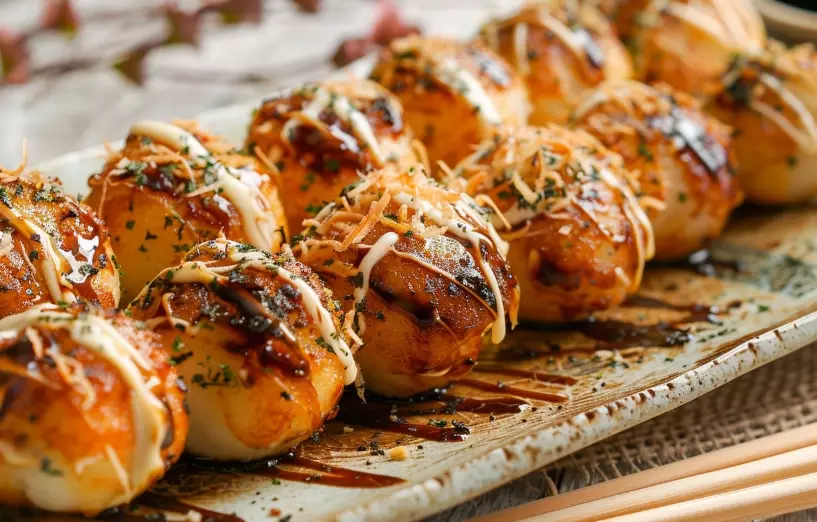
Let's cut straight to it. The two sauces that are absolutely essential, non-negotiable, and slathered over virtually every authentic takoyaki are: Takoyaki Sauce (a thick, Worcestershire-style sauce) and Japanese Kewpie Mayonnaise. Forget one or the other; it's the combination that makes it work. The rich, umami-packed sauce and the tangy, creamy mayo create a flavor and texture harmony that's greater than the sum of its parts.
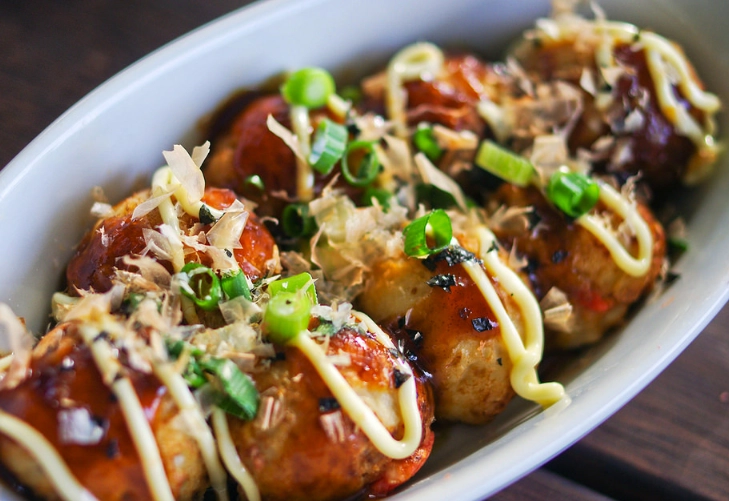
I remember my first time in Dotonbori, Osaka's famous food street. The air was thick with the smell of grilling batter and... that sauce. I watched the vendor artfully drizzle two distinct sauces in a criss-cross pattern over the golden-brown balls. One was dark and glossy, the other pale and creamy. That moment cemented the answer to "what are the two sauces on takoyaki?" in my mind forever. It's not just a topping; it's the signature.
Top 1: Takoyaki Sauce – The Dark, Savory Soul
This is the primary sauce, the one that gives takoyaki its characteristic deep, complex flavor. It's often just called "sauce" (ソース) in Japan. Don't confuse it with tonkatsu sauce or okonomiyaki sauce, though they are close cousins in the same family of Japanese Worcestershire-style sauces.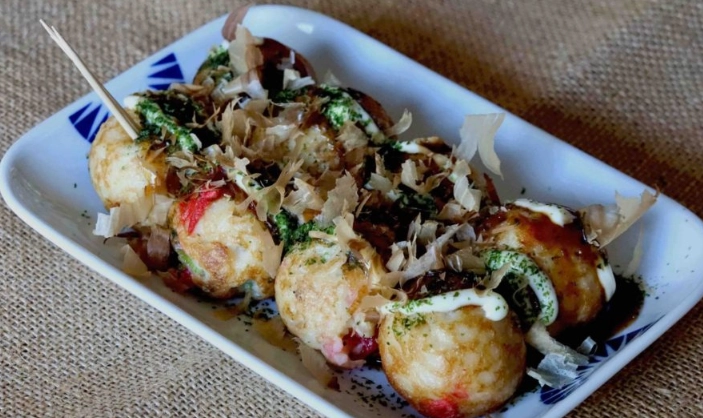
What's in it? Commercial takoyaki sauce, like the iconic Otafuku brand, is a carefully guarded secret blend. But the general profile includes fruits and vegetables (like apples, tomatoes, onions), vinegar, sugar, salt, and a variety of spices. The key differentiator from Western Worcestershire sauce is its thickness and sweeter, fruitier profile with less sharp acidity. It's more like a savory fruit ketchup with incredible depth.
The texture is crucial. It's thick enough to cling to the takoyaki without immediately dripping off, creating that beautiful glossy coat.
What Does Takoyaki Sauce Taste Like?
Imagine the umami of soy sauce, the sweet-tanginess of ketchup, the fruity depth of apple and tomato puree, and the subtle spice blend of cloves and allspice, all simmered down into a smooth, rich glaze. It's savory (umami) first, then sweet, with a tangy finish that cleanses the palate. It perfectly balances the mild flavor of the batter and the octopus inside.
Can I Make It at Home? (A Simple Recipe)
Absolutely. While the store-bought version is convenient, a homemade version lets you tweak the sweetness or tang to your liking. Here's a reliable, no-fuss base recipe:
- 4 tablespoons ketchup (provides sweetness, tang, and body)
- 2 tablespoons Worcestershire sauce (the Japanese kind, like Bull-Dog, is ideal. If using Lea & Perrins, use only 1 tbsp as it's stronger)
- 1 tablespoon oyster sauce (for deep umami)
- 1 teaspoon soy sauce (for saltiness)
- 1-2 teaspoons sugar or honey (adjust to taste)
Just whisk everything together in a small saucepan, heat gently until the sugar dissolves and it slightly thickens, and let it cool. Taste and adjust. Want it fruitier? Add a teaspoon of apple puree. More depth? A pinch of grated onion. This homemade hack solves the "what are the two sauces on takoyaki" dilemma when you're in a pinch and can't find the real deal.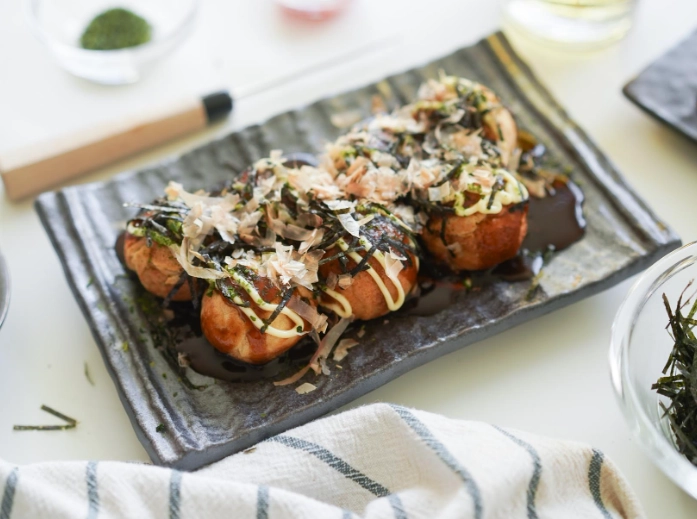
Top 2: Kewpie Mayonnaise – The Creamy, Tangy Counterpoint
This is the white sauce drizzled in elegant lines over the dark takoyaki sauce. And it's not just any mayo. It has to be Japanese Kewpie Mayonnaise. Using American-style mayo like Hellmann's will give you a completely different, and in my opinion, inferior result. The flavor profile is worlds apart.
Kewpie mayo is made exclusively with egg yolks (not whole eggs), which gives it a richer, yellower color and a more custardy, luxurious mouthfeel. It uses rice or apple vinegar instead of distilled vinegar, resulting in a milder, slightly sweet tang rather than a sharp bite. And it contains a touch of MSG (monosodium glutamate), which amplifies the umami and makes it incredibly moreish.
That distinctive tang and rich creaminess cut through the sweetness of the takoyaki sauce and add a cooling element to the hot snack. It also helps all the dry garnishes—the bonito flakes and aonori—stick to the takoyaki.
Why is it so good? The balance. The takoyaki sauce is bold and commanding. Kewpie mayo is smooth and persuasive. Together, they're unstoppable.
The Kewpie vs. Regular Mayo Debate
Let's be clear: you can use regular mayo. Your takoyaki won't be inedible. But it won't taste "right" if you're aiming for authenticity. American mayo is thicker, heavier on the oil, and has a sharper vinegar punch. It can overwhelm the other flavors. Kewpie is lighter, tangier in a fruity way, and acts as a perfect complement rather than a dominant force.
Beyond the Two: The Supporting Cast
While the two sauces are the stars, they're almost never alone. A proper takoyaki plate is a symphony of textures and flavors. After you've applied the two sauces, the following are sprinkled on top:
- Aonori (Dried Green Laver Seaweed): Adds a beautiful green color and a subtle, briny ocean flavor that complements the octopus.
- Katsuobushi (Shaved Bonito Flakes): These thin, pink shavings of dried, fermented skipjack tuna dance and wiggle from the heat of the takoyaki. They provide an intense smoky, savory umami bomb. The quality of katsuobushi is a huge deal in Japan, with specific regions like Makurazaki in Kagoshima being famous for its production.
- Beni Shoga (Red Pickled Ginger): Sometimes added as a garnish for a sharp, pungent, and refreshing bite that cuts through the richness.
Think of it this way: the two sauces are the canvas (the flavor base), and the aonori and katsuobushi are the final brushstrokes of color and texture.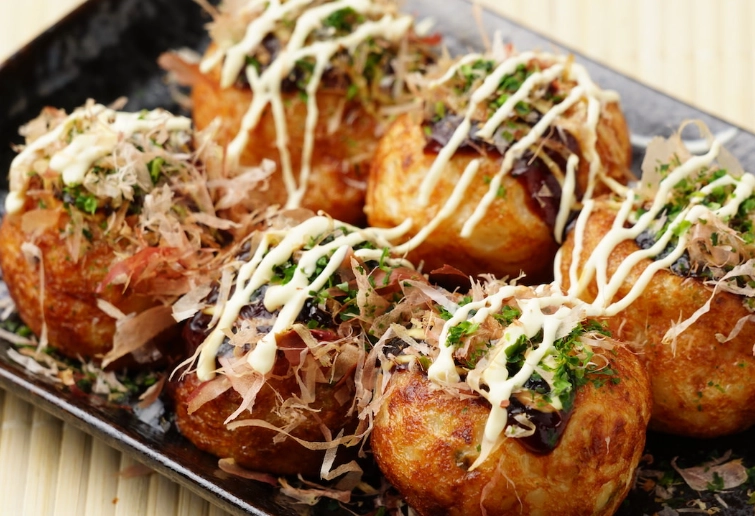
The Art of Saucing Your Takoyaki
There's a method to the madness. It's not just a haphazard squeeze. For the best experience, follow this order:
- Plate your hot takoyaki. The heat is crucial for melting the sauces slightly.
- Drizzle the Takoyaki Sauce first. Use a spoon or a bottle to make parallel lines or a generous zig-zag over all the balls, ensuring each one gets a good coating.
- Immediately drizzle the Kewpie Mayo over the top. Go in the opposite direction to create a cross-hatch pattern. This isn't just for looks; it ensures every bite gets a bit of both sauces.
- Quickly sprinkle on the Aonori and Katsuobushi. Do this while the sauces are still wet so the dry ingredients adhere.
- Serve immediately. The contrast between the hot takoyaki, the room-temp sauces, and the cool, dancing bonito is part of the fun.
Side-by-Side: Breaking Down the Two Sauces
To really understand the answer to "what are the two sauces on takoyaki," let's put them head-to-head.
| Feature | Takoyaki Sauce | Kewpie Mayonnaise |
|---|---|---|
| Primary Role | The main flavor base. Provides the dominant savory-sweet taste. | The creamy counterpoint. Adds richness, tang, and cools the dish. |
| Color & Texture | Dark brown, glossy, and thick (like a glaze). | Pale yellow/ivory, creamy, and emulsified. |
| Key Flavors | Umami, sweet, fruity (apple/tomato), lightly tangy. | Rich, eggy, distinctly tangy (from rice/apple vinegar), slightly sweet. |
| Key Ingredients | Fruits, veggies, vinegar, sugar, spices. | Egg yolks, vegetable oil, rice/apple vinegar, MSG, salt. |
| Can you substitute? | Yes, with a mix of ketchup, Worcestershire, soy, and oyster sauce. | Yes, but the result changes. Mix regular mayo with a bit of rice vinegar and sugar as a backup. |
| Where else is it used? | Okonomiyaki, yakisoba, tonkatsu (similar variants). | Used on everything in Japan: salads, sandwiches, pizza, corn, etc. |
Frequently Asked Questions (Your Questions, Answered)
A Brief Dip into History: Where Did This Combo Come From?
Takoyaki itself was invented in Osaka in the 1930s by a street vendor named Tomekichi Endo, who was inspired by a similar egg-based snack called "rajioyaki." The original takoyaki was reportedly seasoned with just soy sauce. The use of a dedicated "sauce" and mayonnaise came later, post-World War II, as Western influences (like Worcestershire sauce) and new products like Kewpie Mayo (first sold in 1925) became integrated into Japanese cuisine.
The pairing was a stroke of culinary genius born from practicality and taste. The thick sauce added a bold flavor that stood up to street food service, and the creamy mayo made it more luxurious and satisfying. It's a perfect example of yōshoku (Western-influenced Japanese food) becoming a beloved national staple. For more on the fascinating history of Japanese food culture and these adaptations, resources from the Japanese Ministry of Agriculture, Forestry and Fisheries (MAFF) often provide great cultural context.
Making the Perfect Homemade Takoyaki Experience
Want to recreate the magic at home? Here's your checklist beyond just the batter and pan:
- Invest in the sauces first. Order a bottle of Otafuku Takoyaki Sauce and a bottle of Kewpie Mayonnaise online if your local Asian market doesn't carry them. They keep for ages in the fridge.
- Get the garnishes. A pack of aonori and katsuobushi will last many sessions and are essential for authenticity.
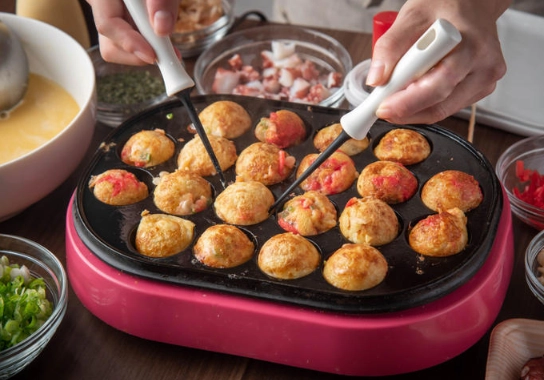
- Technique over tools. You can make decent takoyaki in a regular frying pan (forming little balls is tricky but possible), but a proper takoyaki pan (takoyaki-ki) makes life infinitely easier.
- Sauce LAST. I can't stress this enough. Cook all your balls, get them on the serving plate, then unleash the two sauces and garnishes.
So, the next time you see that glorious pile of golden balls, or you're making them at home, you'll know exactly what's going on. You'll look at the dark glaze and the creamy white lines and think, "Ah yes. The two sauces. Takoyaki sauce and Kewpie mayo." You'll understand why they're both there, what each one does, and how to use them like a pro.
It transforms the experience from just eating a snack to appreciating a carefully crafted balance of flavors that has delighted people for generations. That's the real answer to "what are the two sauces on takoyaki?" It's not just a list of ingredients; it's the secret handshake into a delicious, umami-packed world.
Reader Comments