You're at a sushi bar, eyeing the menu. Tekka maki, the simple tuna roll, always seems like a safe, healthy bet. But if you're watching your diet, you've probably asked yourself: just how many calories are in tekka maki? Is it as lean as it looks? The short answer is yes, it's one of the most calorie-friendly sushi options you can choose. A standard six-piece tekka maki roll typically contains between 180 to 250 calories. But that number is a starting point, not the whole story. Where that tuna came from, how much rice is packed around it, and the chef's hand with the soy sauce can swing those calories more than you'd think.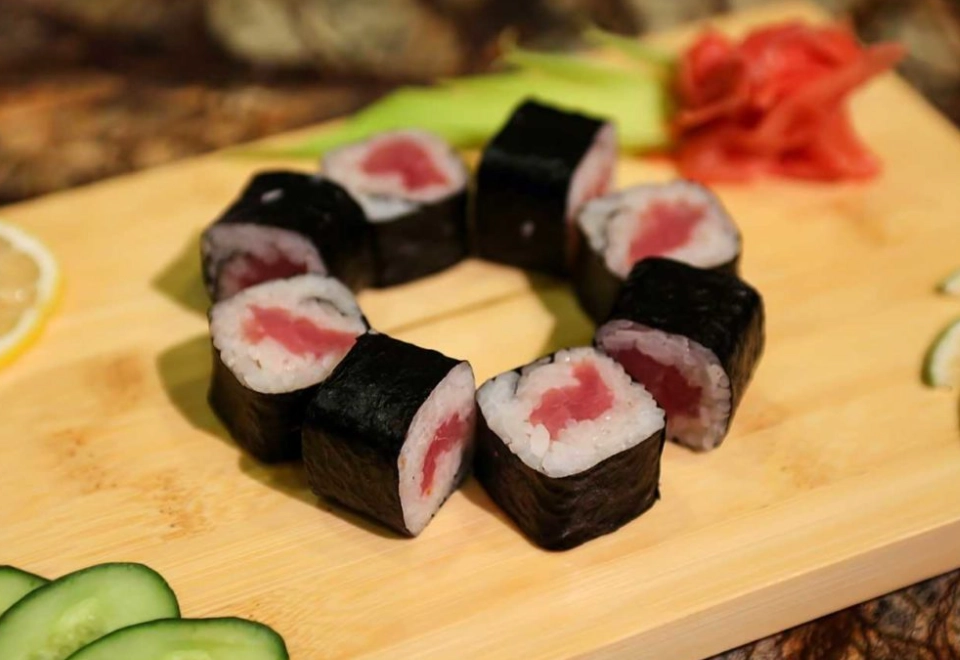
What's Inside This Guide?
What Exactly is Tekka Maki?
Let's clear up any confusion first. Tekka maki is not a fancy, saucy, tempura-fried creation. It's sushi in its most elemental form. "Tekka" is an old Edo-period gambling slang term for "red," referring to the color of the raw tuna. "Maki" means roll. So, it's a red roll. That's it.
The construction is minimalist: a sheet of nori (seaweed), a layer of sushi rice, and a strip of raw tuna—usually the lean, red akami cut from the back of the fish—running down the center. It's rolled, sliced into six or eight pieces, and served. No avocado, no cucumber, no spicy mayo drizzle. This purity is precisely why its calorie count is relatively straightforward, but also why small variations matter so much.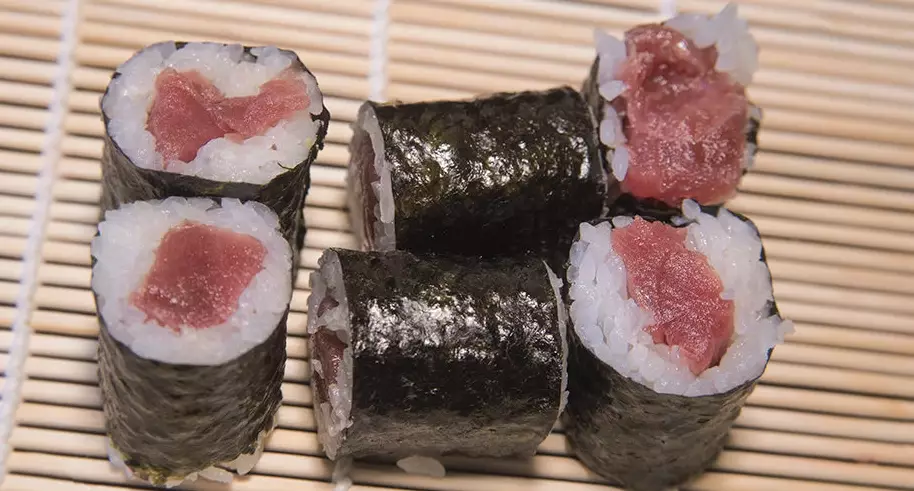
I've been eating and writing about sushi for over a decade, and I still see people mix it up. They'll call a spicy tuna roll or a tuna-avocado roll "tekka maki." They're not the same. That added cream cheese or spicy sauce changes the nutrition profile completely.
How Many Calories Are in Tekka Maki? The Breakdown
So, the 180-250 calorie range for a six-piece roll. Where does that come from? Let's dissect a typical, well-made roll. I'm talking about a roll from a place like Sakura Breeze in downtown (hypothetical example: 123 Main St., open 11:30 AM - 10 PM, $$$, 4.5 stars), where the chefs don't overstuff the rice.
The Standard Roll (6 pieces):
Sushi Rice: ~150-200 calories. This is the biggest variable. The rice is seasoned with vinegar, sugar, and salt. More rice means more calories and carbs.
Raw Tuna (Akami, ~1 oz): ~40-50 calories. Incredibly lean protein.
Nori (Seaweed sheet): ~5-10 calories. Negligible.
Total: ~195-260 calories.
See the issue? The rice contributes up to 80% of the calories. A chef who's heavy-handed with the rice can easily push your roll toward the 300-calorie mark without you noticing. Conversely, a chef who prefers a higher fish-to-rice ratio gives you a more protein-dense, lower-calorie meal.
Then there's the tuna itself. While most tekka maki uses lean akami, some higher-end spots might use a slightly fattier cut like chūtoro (medium-fatty tuna) for more flavor. That adds maybe 10-15 more calories per roll—not a deal-breaker, but a detail worth knowing.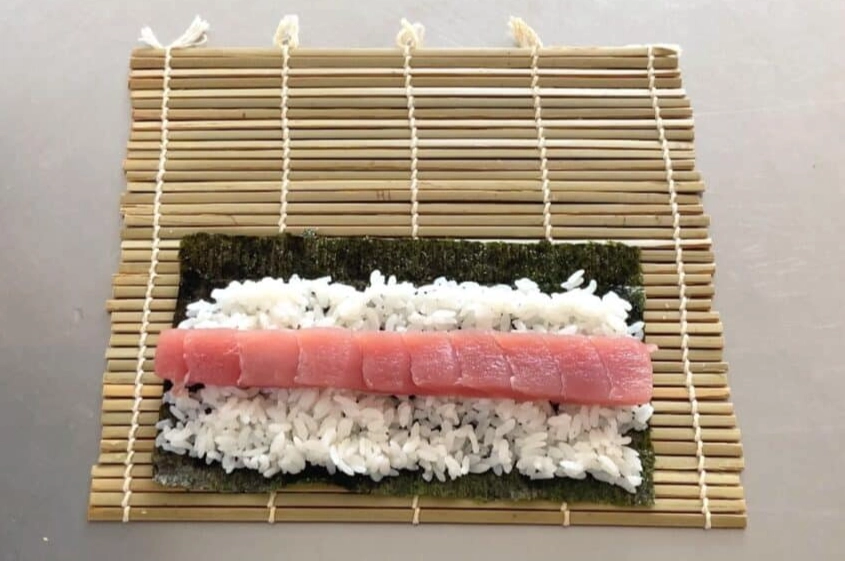
The Sauce and Dipping Trap
This is the silent calorie killer everyone misses. You order the lean roll, then drown it in soy sauce and grab a giant glob of pickled ginger.
A single tablespoon of regular soy sauce has about 10 calories, mostly from sodium. Not a lot, but who uses just one tablespoon? If you're a heavy dipper, you could easily add 30-40 calories of pure, salty liquid. Low-sodium soy sauce has a similar calorie count. And that pickled ginger? A few slices are fine, but a large pile (about 1/4 cup) can add another 20 calories from the sugar in the brine.
My rule? Dip the fish-side lightly, not the rice. The rice soaks up sauce like a sponge, making you use more and adding unnecessary sodium and calories.
Comparing Tekka Maki to Other Popular Sushi Rolls
This is where tekka maki truly shines. To see why it's a go-to for calorie-conscious diners, let's put it side-by-side with common alternatives. The data below is based on averages from nutritional databases like the USDA and analyses from reputable sources like Consumer Reports and nutrition journals, applied to typical restaurant servings.
| Sushi Roll (6 pieces) | Approximate Calories | Why the Difference |
|---|---|---|
| Tekka Maki (Tuna Roll) | 180 - 250 | Lean fish, minimal ingredients. |
| Kappa Maki (Cucumber Roll) | 135 - 190 | Even simpler, just cucumber and rice. |
| California Roll | 250 - 350 | Imitation crab (often processed), avocado, and sometimes mayo. |
| Spicy Tuna Roll | 290 - 400 | Spicy mayo sauce is the major calorie driver. |
| Dragon Roll (Eel & Avocado) | 350 - 500 | Fried components, eel sauce (sweet), avocado, and often tempura bits. |
| Rainbow Roll | 400 - 550 | Multiple fish slices on top of a California roll base. |
The table makes it obvious. When you start adding creamy sauces, fried tempura, avocado, or cheese, the calorie count skyrockets. Tekka maki sits comfortably at the lower end of the spectrum. It's not the absolute lowest (that's usually the cucumber roll), but it provides satisfying protein that a veggie roll lacks.
Here's a personal take: I find a lot of "healthy eating" blogs just list the California roll as a good option. I disagree. The imitation crab mix is often held together with starch and sugar, and the avocado, while healthy, is calorie-dense. For pure, clean protein and controlled calories, tekka maki is a superior choice nine times out of ten.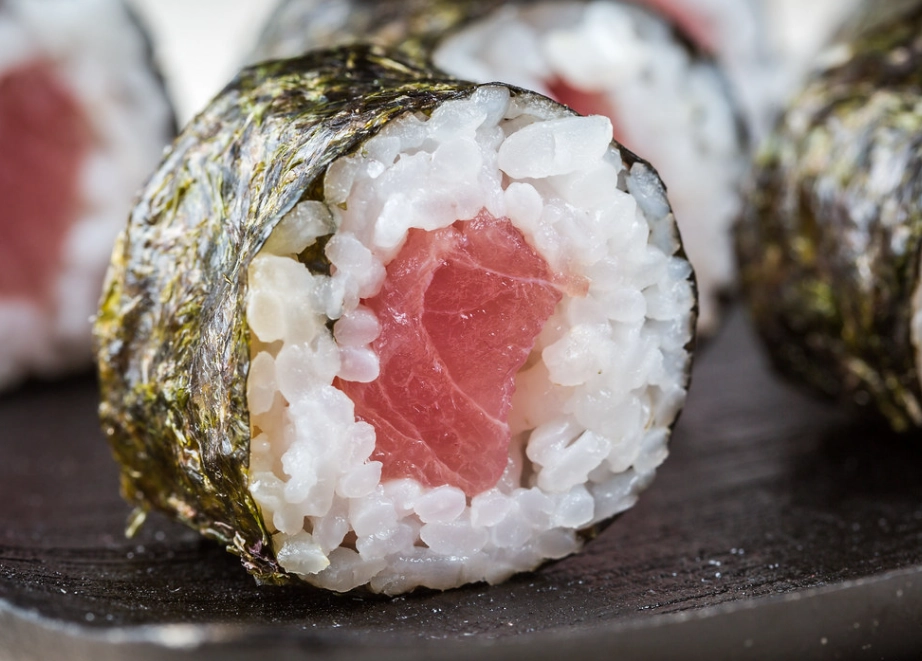
How Can You Accurately Track Tekka Maki Calories?
You're using a food tracker app, and you type in "tekka maki." You get entries ranging from 150 to 350 calories. Which one is right? Probably none of them perfectly.
Tracking sushi calories is more art than science unless you're making it yourself. Here's my method, honed from years of trying to fit sushi into a macro-conscious diet:
- Visual Assessment: Look at the roll. Is the rice layer thin, or is it a thick, doughy blanket? A good rule of thumb: the diameter of the rice layer should be no more than 1.5 times the diameter of the tuna core.
- Restaurant Style Matters: A traditional, austere sushi-ya will use less rice. A trendy, Americanized roll shop often uses more to make the rolls look plump and filling.
- Logging Strategy: I log one piece of tekka maki as 30-42 calories. For a six-piece roll, I log 220 calories as a safe average. I then add a separate entry for 1-2 teaspoons of soy sauce (about 10-20 calories) if I know I was dipping heavily.
- The Biggest Mistake: People forget the rice entirely and just log "1 oz raw tuna." That misses 75% of the meal.
If you're at a chain restaurant, check their website. Some, like a major conveyor belt sushi chain, might have nutrition facts available. For independent spots, you're relying on estimation.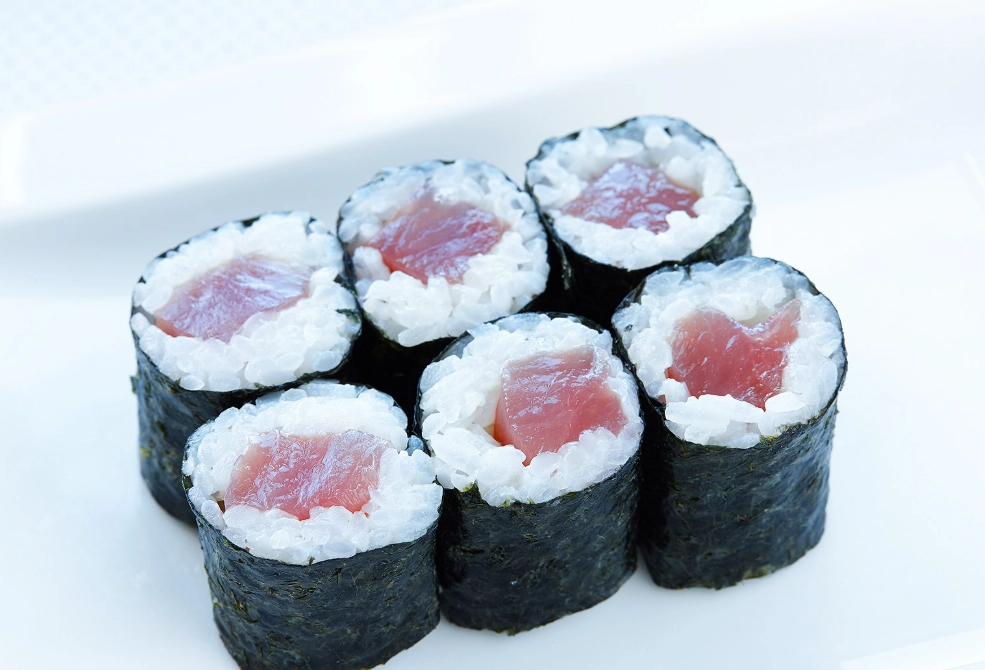
Is Tekka Maki a Healthy Choice?
Beyond calories, what are you getting? Nutritionally, a tekka maki roll is a decent package.
You're getting a good hit of high-quality, complete protein from the tuna, which helps with satiety and muscle maintenance. The rice provides quick energy (carbohydrates), and the nori offers a sprinkle of iodine, vitamins A and C, and fiber. The vinegar in the rice may have mild blood-sugar moderating effects.
However, let's not call it a superfood. The rice is white rice, which is refined and can spike blood sugar if you eat a lot of it. The sodium content, especially with soy sauce, can be high. And if you're concerned about mercury, the FDA recommends limiting albacore tuna intake, but for the smaller skipjack or yellowfin typically used in tekka maki, 2-3 servings a week is generally considered safe for most adults.
Is it healthy? In the context of a balanced diet, absolutely. It's a far better choice than a fast-food burger or a plate of creamy pasta. But it's not a green salad with grilled chicken. Think of it as a nutrient-dense snack or a light meal component. Pair two tekka maki rolls with a side of edamame and a miso soup, and you've got a very balanced, satisfying, and relatively low-calorie Japanese meal.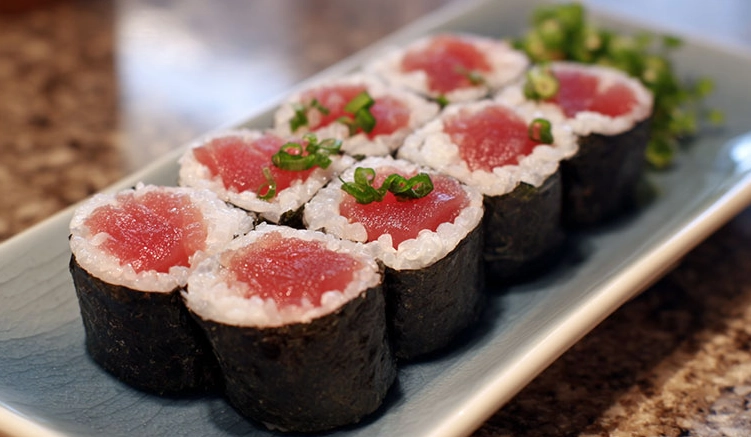
Your Tekka Maki Calorie Questions Answered
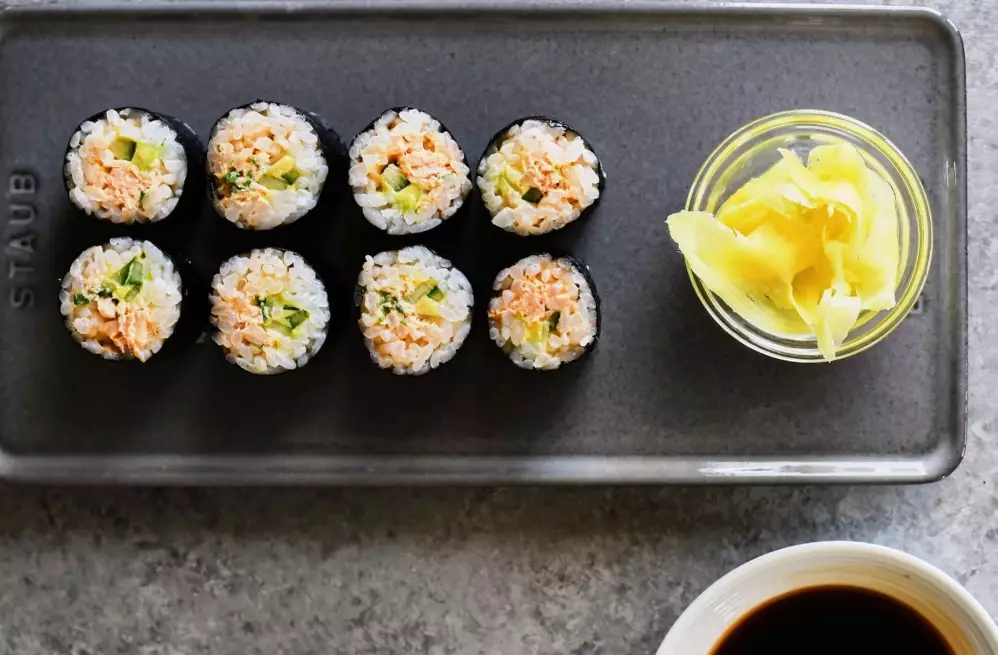 How does the calorie count of tekka maki from a grocery store compare to a restaurant?
Reader Comments