Quick Guide
So you've heard the term "yoshoku food" thrown around, maybe seen it on a menu next to things like "hambagu" or "omurice," and wondered what exactly it is. Is it Japanese? Is it Western? The answer is delightfully both, and neither. It's its own wonderful, delicious category.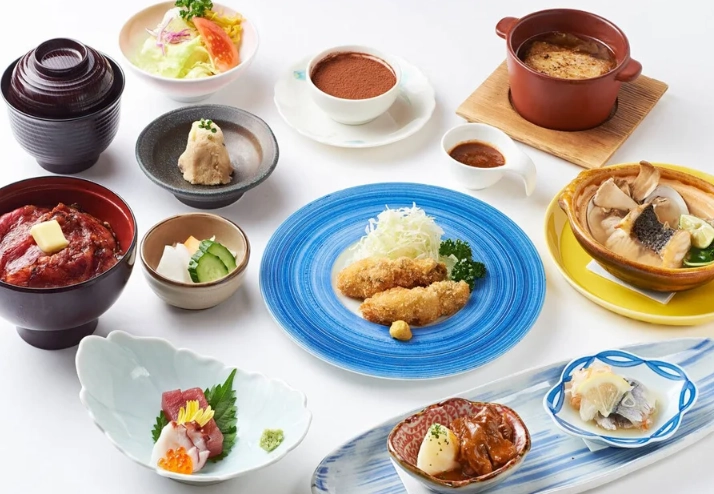
Let's break it down simply. Imagine Japan in the late 1800s, opening its doors after centuries of isolation. Western ingredients like beef, tomatoes, and dairy start trickling in. But instead of just copying European recipes, Japanese cooks did something brilliant. They took these new ideas and adapted them fiercely to local tastes, techniques, and ingredients. They made them their own. That process of adaptation and reinvention is the heart of yoshoku food.
It's not quite fusion. Fusion feels conscious, a bit chef-y. Yoshoku feels like home. It's the comfort food that generations of Japanese kids grew up eating, both at home and in those classic, slightly retro family restaurants. It’s hearty, often saucy, and universally loved. If washoku (traditional Japanese cuisine) is the elegant kimono, yoshoku is the beloved, well-worn denim jacket.
A Quick Dip into History
The story starts in the Meiji era (late 19th century). The government actively promoted Western culture, including food, as part of modernization. Meat eating, once restricted, was encouraged. Early yoshoku was served in fancy restaurants for the elite, but it quickly trickled down. The Japanese Navy adopted a curry-based stew (now the iconic Japanese Curry Rice) to feed sailors efficiently. By the post-war Showa period, with more affordable ingredients and Western-style "family restaurants" popping up, yoshoku became food for the masses. It’s a cuisine born from curiosity, adaptation, and practicality. For a deeper dive into the official cultural perspective, Japan's Ministry of Agriculture, Forestry and Fisheries has a great section on how Western food was integrated, which you can find in their publications on food culture.
What makes a dish yoshoku? It's usually a dish of Western origin (or inspiration) that has been so thoroughly Japan-ified that it's now considered a staple of Japanese home cooking and casual dining. The key is the adaptation. Spaghetti is Italian. Spaghetti topped with a thick, savory-sweet sauce containing soy sauce, maybe with sliced hot dogs or squid? That's Napolitan, a classic yoshoku dish. See the difference?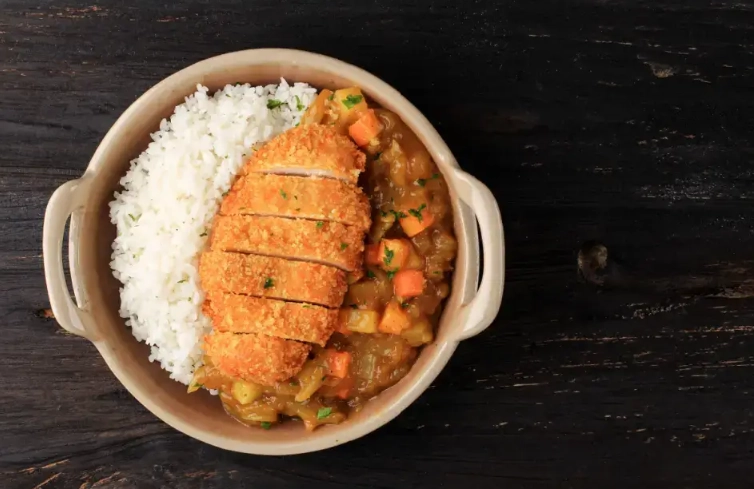
The Must-Try Classics: Your Yoshoku Food Checklist
You can't talk about yoshoku food without meeting its all-star lineup. These dishes are the pillars. Some are everyday meals, others are special treats. Here’s the essential roster.
| Dish Name | The Basic Idea | Key "Japan-ified" Twist |
|---|---|---|
| Hambagu (Japanese Hamburger Steak) | A ground meat patty, usually a mix of beef and pork. | It's served as a steak, not in a bun. Smothered in a rich, demi-glace-based sauce (often with red wine or tonkatsu sauce), usually with rice on the side. The texture is softer, more delicate than a Western burger patty. |
| Omurice (Omelette Rice) | An omelette wrapped around fried rice. | The rice is typically fried with chicken and ketchup (giving it a slight sweetness). The omelette is silky, barely set, and draped over the rice mound like a blanket. Topped with more ketchup or a demi-glace sauce. |
| Japanese Curry Rice (Kare Raisu) | A thick, stew-like curry served over rice. | This is arguably the king of yoshoku food. It's sweeter, less spicy than Indian curries, thickened with a roux (often from store-bought blocks), and loaded with chunky potatoes, carrots, and onions. Pork or beef katsu on top makes it Katsu Curry. |
| Tonkatsu (Pork Cutlet) | A deep-fried, breaded pork cutlet. | Inspired by European cutlets, but the panko (Japanese breadcrumbs) make it incredibly light and crispy. Always served shredded cabbage, a tangy tonkatsu sauce (like a fruity Worcestershire), and rice. The preparation is perfected in Japan. |
| Korokke (Japanese Croquette) | A deep-fried patty of mashed potatoes and minced meat. | Creamier and more delicate than its Western counterparts. Often mixed with béchamel or a Japanese-style white sauce. Comes in many variations (cream korokke, crab cream korokke). |
| Spaghetti Napolitan | Spaghetti stir-fried with vegetables and sausage. | The sauce is a unique ketchup-based creation, often with a dash of soy sauce or Worcestershire. Bell peppers, onions, and mushrooms are common. It's a uniquely Japanese pasta dish born in Yokohama. |
My personal favorite? Hambagu. There's something about that tender patty and the deeply savory sauce that feels like a hug. I remember having it at a tiny, family-run shop in a Tokyo suburb. The sauce was so good I asked for an extra bowl of rice just to soak it all up. The chef just laughed and gave me a thumbs up. That's the spirit of yoshoku food—unpretentious and deeply satisfying.
If I had to rank them by sheer ubiquity and love, Japanese Curry would probably take the top spot. You can find it everywhere: from train station lunch counters to high-end specialty shops. Tonkatsu is a close second. Omurice wins the "ultimate comfort food" award, especially for kids (and adults who are kids at heart).
Yoshoku vs. Washoku vs. Fusion: What's the Real Difference?
This is where people get tangled up. Let's untangle it.
Washoku is traditional Japanese cuisine. Think sushi, sashimi, tempura (though tempura has Portuguese roots, it's been fully absorbed), soba, udon, kaiseki meals. The flavors are delicate, emphasizing dashi (seaweed and bonito stock), soy, sake, and mirin. Presentation is paramount, and the connection to the seasons is deep.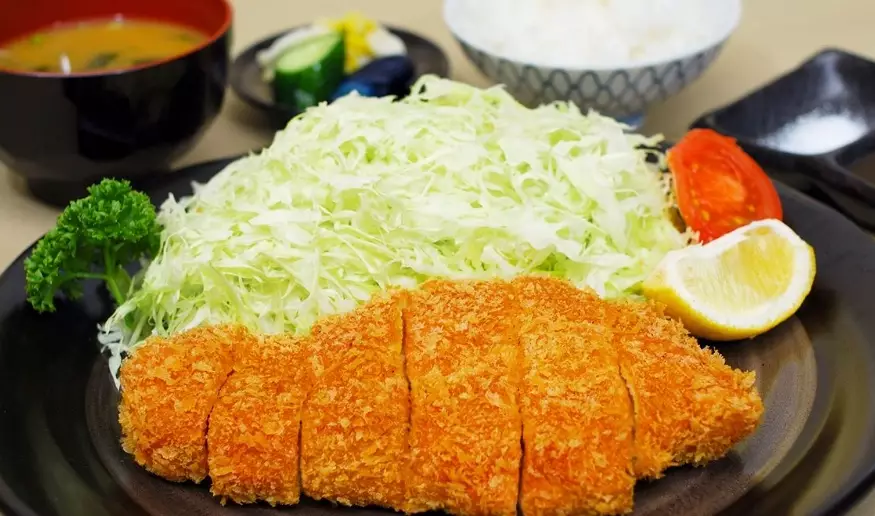
Yoshoku food is a specific historical category. It's the first major wave of Western food adaptation from the Meiji period onward. The dishes have become standardized classics. They feel nostalgic and are deeply embedded in the culture. They're often eaten with a spoon and fork, not chopsticks.
Modern Fusion is the contemporary, creative mixing of Japanese and other global cuisines by chefs. Think sushi burritos, matcha tiramisu, or miso-marinated black cod (a Nobu classic). It's conscious, innovative, and often fine-dining oriented. Yoshoku is its great-grandparent.
Here's a simple way to see it: Tonkatsu is yoshoku. A sushi roll with cream cheese and spicy mayo is modern fusion. A beautifully arranged plate of seasonal sashimi is washoku.
Where to Eat the Best Yoshoku Food (Especially in Tokyo)
Okay, you're convinced. You want to try some. Where do you go?
You have options, from the super casual to the refined. Let's start with Tokyo, the yoshoku paradise.
The Old-School Specialty Restaurants
These places often focus on one or two dishes and have been doing it for decades. The interiors might be straight out of the 1970s, and that's part of the charm. For an incredible, historic omurice, places like Renga-tei in Ginza (opened in 1895!) are legendary. Their omurice is a simpler, drier style, a testament to its origins. For tonkatsu, Maisen is a famous name, but don't overlook tiny counters in basement food halls (depachika) or under train tracks.
The "Family Restaurant" (Famiresu) Experience
Chains like Saizeriya, Gusto, or Jonathan's. This is where yoshoku food lives for many families. It's affordable, the menus are huge (pizza, pasta, hambagu, curry, ice cream floats), and it's utterly unpretentious. The hambagu steak at these places is a guilty pleasure of mine—it's not gourmet, but it's consistently tasty and hits the spot. The coffee is usually bottomless, too.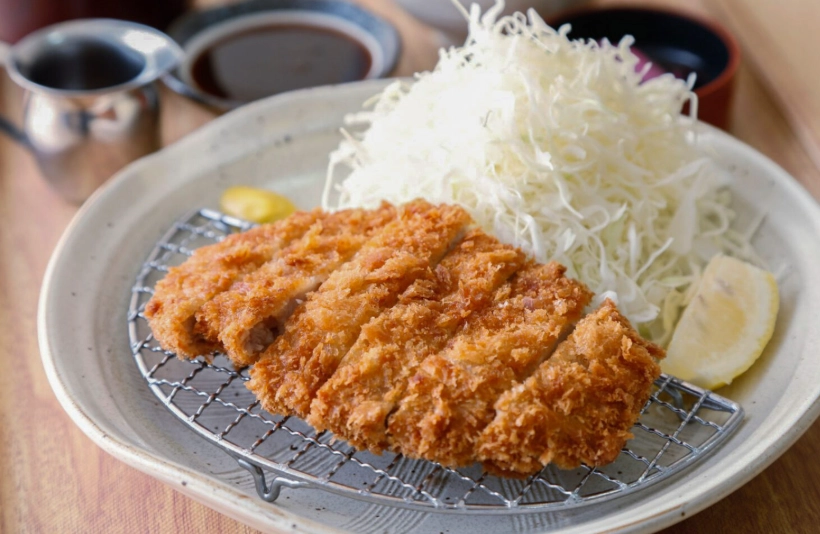
Modern Yoshoku Restaurants
A new wave of chefs is revisiting yoshoku classics with higher-quality ingredients and elegant presentations. Places like Taimeiken in Nihonbashi offer a more upscale yoshoku experience. The omurice might be made with free-range eggs and high-grade rice, the sauce meticulously crafted. You'll pay more, but it's a fascinating elevation of the form.
A Quick Tip for Travelers
Don't just stick to the famous names. Wander into any small, busy restaurant with a plastic food display outside showing hambagu or curry. If it's full of locals, especially older couples or families, you've probably found a gem. The vibe is everything.
Outside Tokyo, you'll find regional specialties. In Hokkaido, soup curry (a more brothy, spicy curry) is a must-try evolution. In Nagoya, you might find a miso-infused take on a classic. The BBC even did a great feature on how Japanese curry became a national dish, tracing its fascinating journey from a British naval import to a lunchbox staple, which you can read more about in their article on Japan's favourite dish.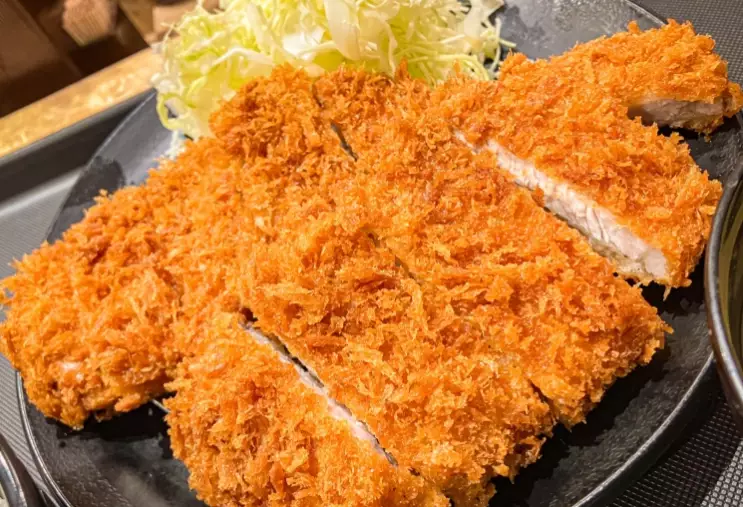
Can I Make Yoshoku Food at Home? Absolutely.
The best part? Yoshoku food is fantastic home cooking. It's designed to be approachable. You don't need fancy techniques for most dishes.
Your Starter Kit: Essential Ingredients
- Sauce Trio: Tonkatsu Sauce (Bulldog is the classic brand), Worcestershire Sauce (Japanese style is a bit different), and Ketchup. These form the base flavor for so many yoshoku sauces.
- Panko: Those big, flaky breadcrumbs for the perfect crispy tonkatsu or korokke.
- Japanese Curry Roux: The blocks (like S&B or House brands) are the secret weapon. You just melt them into your stew.
- Demi-glace Sauce Base: For hambagu. You can buy instant packets or make a simplified version with beef stock, ketchup, red wine, and soy sauce.
- Short-Grain Rice: The essential bed for almost everything.
Let's talk about a simple hambagu. The trick is in the patty. Use a mix of beef and pork (70/30 is good). Soak some panko in milk to make a "panade"—this keeps it incredibly moist and tender. Grate a small onion and cook it gently before mixing it in. That sweetness is key. For the sauce, don't stress about a true French demi-glace. A quick sauce with the fond (browned bits) in the pan, some red wine, beef stock, a splash of soy sauce, and a bit of ketchup and tonkatsu sauce is magical. Trust me.
With omurice, the rice is everything. Day-old rice works best. Fry it up with diced chicken, onions, and a good squeeze of ketchup. The omelette is the scary part, but it doesn't have to be the super-runny, Instagram-famous version. Just make a soft, slightly runny omelette in a non-stick pan and drape it over your rice mound. It'll taste amazing even if it's not perfectly smooth.
I once tried to make the super-fluid omelette. It was a disaster. Egg everywhere. I ended up with scrambled eggs on fried rice. Still delicious. The point is, don't be intimidated.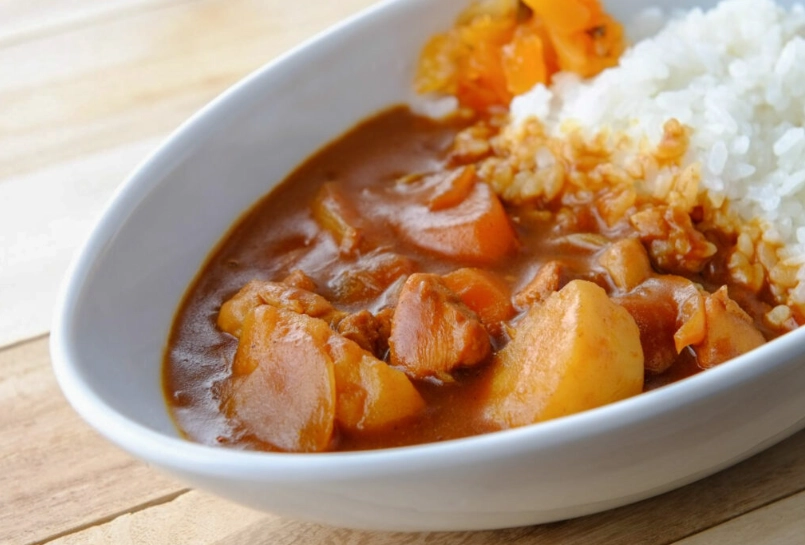
Common Questions About Yoshoku Food (FAQ)
Is yoshoku food considered healthy?
It's... hearty. It's comfort food. Dishes are often fried (tonkatsu, korokke) or served with rich, sometimes sweet sauces. Portions of rice are generous. That said, the ubiquitous side of shredded cabbage with tonkatsu is a great fiber boost. You can make healthier versions at home by baking instead of deep-frying, using leaner meat mixes, and controlling the sauce sugar. But in its classic form, it's a treat, not a health food.
What's the best yoshoku dish for a first-timer?
I'd say Japanese Curry or Hambagu. The flavors are familiar but uniquely Japanese. Curry is a universal language, and the Japanese version is incredibly approachable. Hambagu feels like a fancy version of a meatloaf or Salisbury steak—immediately comforting.
How do you eat yoshoku food? Chopsticks or fork?
Historically, yoshoku was eaten with a spoon and fork, and that's still common. Knives are provided for cutting tonkatsu or hambagu. In casual settings, many people use chopsticks, especially for things like curry rice or korokke. There's no strict rule. Use what feels right. I usually go with a spoon for the rice and sauce, and chopsticks for the main item.
Is yoshoku expensive?
Not at all. At family restaurants, a full meal with drink can be under 1000 yen. Even at nice specialty shops, it's rarely exorbitant. It's everyday food. The modern upscale versions are the exception, not the rule.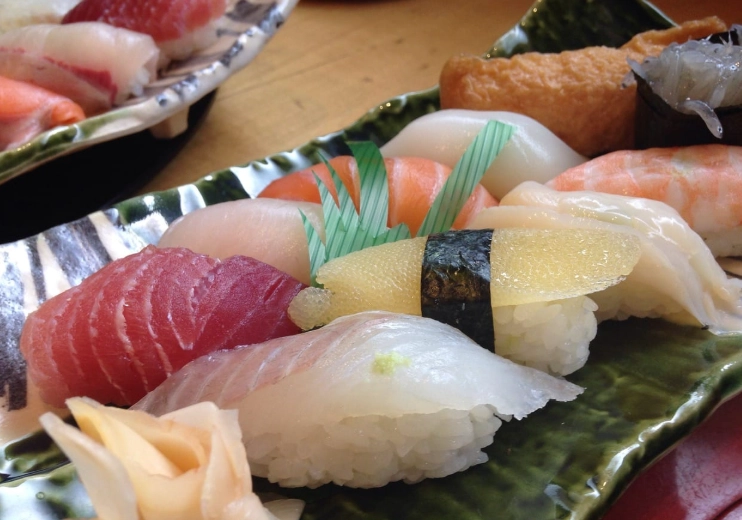
What's the difference between yoshoku and "yōshoku"?
It's the same word! "Yoshoku" (洋食) is the standard romanization. "Yōshoku" is just a more precise spelling indicating the long "o" sound. You'll see both, but they refer to the exact same cuisine.
The Last Bite: Why Yoshoku Food Matters
Yoshoku food is more than just a list of dishes. It's a living story of cultural exchange. It shows how Japan didn't just adopt foreign ideas; it absorbed them, played with them, and created something new and enduring that became a core part of its own identity. It's food without pretension, meant to fill you up and make you happy.
It’s also a cuisine that’s still evolving. Today's chefs are creating what some call "neo-yoshoku" or modern Japanese-style Western cuisine, playing with even more global influences while respecting the roots. The journey that started with trying to recreate a French stew with local substitutes is still going on.
So next time you see "hambagu steak" or "omurice" on a menu, don't just think of it as a Japanese version of something else. Think of it as yoshoku—a delicious, unique category all its own. Give it a try. Order the curry, smother your tonkatsu in sauce, and dig in with a spoon. You'll be tasting a piece of modern Japanese history, one that's wonderfully, deliciously alive.
Reader Comments