In This Article
- Where Did This Idea Come From? A Slice of History
- Breaking Down the Tataki Process: It's All About Speed and Cold
- Tataki vs. The World: How It Stacks Up Against Similar Dishes
- Why Bother? The Allure and the Benefits
- Can You Make It at Home? Absolutely. Here's How.
- Answering Your Burning Questions (FAQs)
- Final Thoughts: Why Tataki Deserves a Spot on Your Table
So you've seen it on a menu, or maybe a friend raved about it. You're left wondering, what is tataki beef, really? Is it raw? Is it cooked? Why does it sound so fancy? Let me tell you, it's one of those dishes that seems complicated but has a beautifully simple soul. I remember the first time I ordered it at a small izakaya in Tokyo, completely clueless. The plate arrived, looking like a piece of art—thin slices of deep red beef with a barely-there browned edge, fanned out like a deck of cards, with little mounds of grated daikon and ginger. One bite, and I was hooked. It was nothing like a steak. It was cool, tender, bursting with a clean, savory flavor, and that hint of smoke from the sear? Perfection.
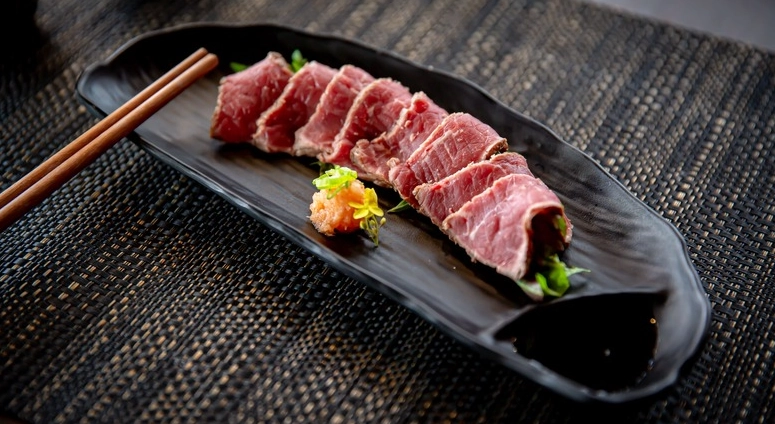
At its core, what is tataki beef? It's a Japanese preparation where a high-quality cut of beef (or sometimes fish like tuna) is very briefly seared over extremely high heat—we're talking seconds per side—and then rapidly cooled. The result is a piece of meat that's cooked maybe an eighth of an inch deep on the outside, while the inside remains gloriously rare, almost raw. It's then sliced very thinly against the grain and served, usually at room temperature or slightly chilled, with a citrusy, savory dipping sauce. The name "tataki" (たたき) comes from the verb "tataku," which means "to pound" or "to hit." Historically, this referred to the method of pounding the meat with a knife or pestle to tenderize it after searing, though nowadays the slicing achieves a similar effect.
The Core Idea: If you think of a spectrum with a completely raw steak tartare on one end and a fully cooked well-done steak on the other, beef tataki sits right next to the tartare, just barely nudged over by a whisper of heat and smoke.
People often confuse it with other dishes. It's not steak tartare, which is completely raw, seasoned, and hand-chopped. It's also not carpaccio, which is raw meat pounded paper-thin. That quick sear makes all the difference. It kills any surface bacteria (a real concern for some eaters), adds a layer of complex flavor from the Maillard reaction—that's the browning that gives cooked meat its delicious taste—and creates a fantastic textural contrast between the barely-set exterior and the melt-in-your-mouth interior.
Where Did This Idea Come From? A Slice of History
The story of how tataki came to be is actually pretty fascinating and involves a bit of cultural crossover. Many food historians point its origins to the city of Kochi (formerly Tosa) on the island of Shikoku, Japan, during the period when foreign influence was beginning to seep into the country. The popular legend—and I love this story—credits a samurai named Sakamoto Ryoma in the late Edo period (around the 1860s). He was a progressive figure who spent time with Westerners. The tale goes that he, or the locals trying to accommodate Western visitors who were wary of fully raw fish, started quickly searing the outside of bonito (a type of fish) over straw fires before slicing it. This method preserved the fresh, raw quality the Japanese loved but added a cooked element that felt more familiar to the foreigners.
This technique, born from fish, naturally translated to beef. With the gradual introduction of beef eating in Japan (which was historically limited due to Buddhist influences), the tataki method became a brilliant way to showcase high-quality meat. It respected the ingredient's natural state while adding a new dimension. You can read more about the culinary history of this period on the Japan-Guide website, a fantastic resource for understanding the context of Japanese food culture. So, when you ask what is tataki beef, you're also asking about a moment in Japan's history where old traditions met new influences.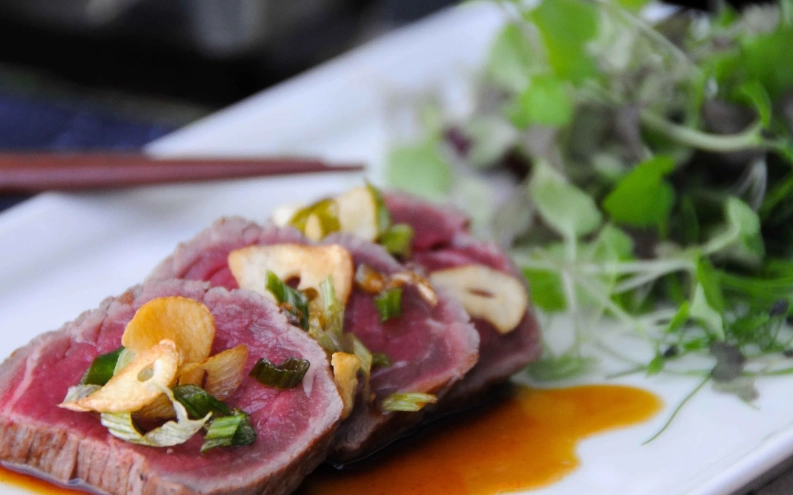
I tried to replicate the straw-fire sear once in my backyard. Let's just say it was a smoky disaster that annoyed my neighbors and barely cooked the fish. Stick to a blisteringly hot cast-iron pan or a grill. The professionals make it look easy.
Breaking Down the Tataki Process: It's All About Speed and Cold
Understanding how it's made really clarifies what tataki beef is. It's a dance between extreme heat and extreme cold, and each step has a purpose.
Step 1: The Cut of Beef
This isn't the dish for a cheap, tough cut. You need something tender, flavorful, and with good marbling. The fat in a well-marbled piece will stay creamy and luxurious in the raw interior.
- The Top Tier (The Dream): Filet Mignon (Tenderloin) is the king here. It's supremely tender, lean, and has a buttery texture that works perfectly. Ribeye Cap (Spinalis Dorsi) is my personal favorite for flavor—it's incredibly rich and marbled. Authentic Japanese restaurants often use high-grade Wagyu, where the intense marbling creates an unforgettable experience.
- The Great Everyday Choices: New York Strip (Sirloin) is excellent—good beefy flavor and tender enough. Top Sirloin is a more affordable but still very good option, just make sure it's a prime center cut.
- What to Avoid: Steer clear of any cut meant for long, slow cooking. Chuck, brisket, round—these will be chewy and unpleasant in a raw/rare state.
| Beef Cut | Best For Tataki Because... | Potential Drawback |
|---|---|---|
| Filet Mignon | Ultimate tenderness, lean, clean flavor. | Can be expensive, less beefy flavor than others. |
| Ribeye / Ribeye Cap | Superb marbling, incredibly rich and juicy flavor. | Can be almost too rich for some, higher fat content. |
| New York Strip | Great balance of tenderness and robust beef flavor. | Can have a slight connective tissue line that needs trimming. |
| Top Sirloin (Center Cut) | Good value, still quite tender with nice flavor. | Not as luxurious as filet or ribeye. |
Step 2: The Sear – A Blast of Heat
This is the "tataki" moment. Your pan or grill needs to be screaming hot. I mean, smoking-hot, can't-hold-your-hand-over-it hot. The goal is to create a flavorful, browned crust in under a minute per side without letting the heat travel more than a few millimeters into the meat. You're not cooking it through; you're painting the outside with flavor. Some chefs even use a blowtorch for pinpoint precision. The meat will look mostly raw except for a thin, grey-brown border.
Pro Tip: Pat the beef extremely dry with paper towels before searing. Any moisture will steam the meat instead of searing it, and you'll miss out on that crucial crust.
Step 3: The Shock – Into the Ice Bath
Right after searing, the meat is plunged into an ice water bath or wrapped tightly and set on (not in) ice. This stops the cooking process dead in its tracks. Without this step, the residual heat would continue to creep inward, turning your perfect rare interior into medium-rare or worse. It also firms up the meat, making it much easier to slice paper-thin later. This rapid cooling is non-negotiable.
Step 4: The Slice and Serve
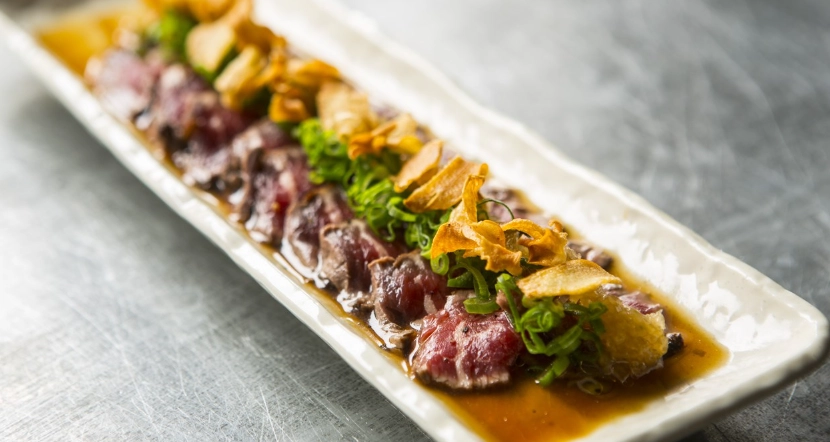
Once completely chilled, the beef is sliced thinly, about 1/8 to 1/4 inch thick, against the grain. Slicing against the grain shortens the muscle fibers, which is essential for tenderness, especially since the interior is raw. It's then fanned out on a plate. The classic accompaniments are a mound of finely grated daikon radish (it acts as a digestive and a palate cleanser), maybe some shredded scallions (negi), and slivers of raw garlic or ginger. The sauce is typically a ponzu—a citrus-soy sauce—sometimes with a drizzle of sesame oil or a touch of grated ginger mixed in.
So, when someone asks what is tataki beef, you can say it's a celebration of texture and temperature, all designed to highlight the pure taste of the beef itself.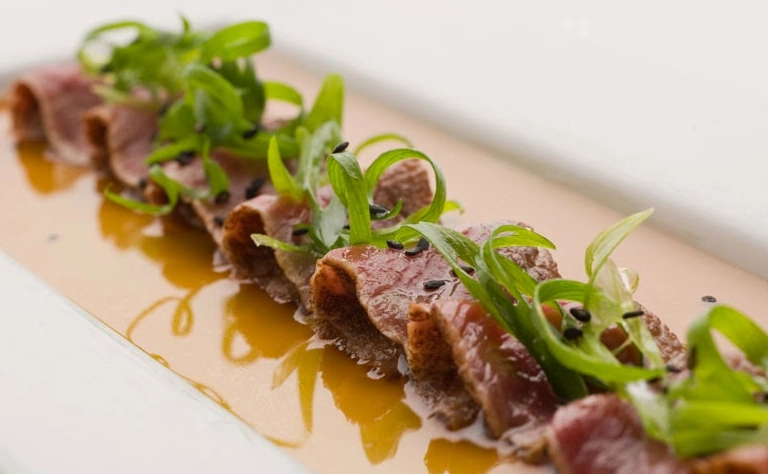
Tataki vs. The World: How It Stacks Up Against Similar Dishes
This is where people get confused. Let's clear it up.
Beef Tataki vs. Steak Tartare: This is the biggest mix-up. Tartare is completely raw. The beef is finely chopped or minced by hand and mixed with seasonings like capers, onions, Worcestershire sauce, and an egg yolk. It's a different texture entirely—more like a savory, meaty spread. Tataki has that cooked exterior and is sliced, not chopped. The flavor profile is also different; tartare is often richer and more pungent, while tataki tastes cleaner and more focused on the beef and its seared notes.
Beef Tataki vs. Beef Carpaccio: Carpaccio, of Italian origin, is also raw. But it's pounded or sliced so thin it's almost translucent, then dressed with olive oil, lemon, and Parmesan. It's about delicacy. Tataki's slices are thicker, and that sear adds a flavor element carpaccio doesn't have.
Beef Tataki vs. A Rare Steak: A rare steak is cooked through, even if just barely. The center is warm, not cool. The texture is uniformly cooked (if rare), lacking the dramatic contrast between the seared crust and cold, raw center that defines tataki. The serving style is also different—steak is a main, often with sides; tataki is an appetizer or a light main, served with its specific condiments.
Why Bother? The Allure and the Benefits
Why go through this specific process instead of just grilling a steak? Good question.
First, safety (perceived and real). For folks squeamish about raw meat, that seared exterior provides a psychological and real barrier against surface pathogens. The USDA recommends cooking beef to a minimum of 145°F for safety, but they also note that whole cuts of beef are sterile on the inside—the danger is on the surface. A proper, high-heat sear directly addresses that. You can find their guidelines on safe meat handling here. I'm not a doctor, but this logic makes sense to me and makes the dish more approachable.
Second, maximizing tenderness and flavor of premium meat. When you spend good money on a beautiful piece of filet or Wagyu, you don't want to overcook it and tighten all the proteins. Tataki is a guaranteed way to keep it at its most tender. The quick sear adds a layer of savory, umami, slightly smoky flavor that pure raw meat lacks, creating a more complex taste profile.
Third, it's light and refreshing. Served cool or at room temperature with the bright ponzu and daikon, it feels elegant and light. It's a perfect appetizer that won't weigh you down. It's also visually stunning—the deep red interior against the dark crust is a showstopper.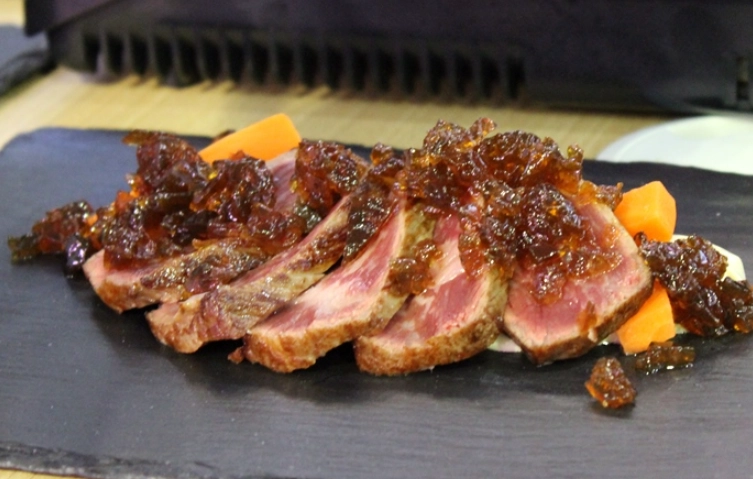
Important Note: Because the interior remains raw or very rare, the quality and freshness of the beef are paramount. You should only make this with beef you trust implicitly, ideally from a butcher you know. Don't try it with supermarket meat that's been sitting in a tray for days. This is non-negotiable.
Can You Make It at Home? Absolutely. Here's How.
Making beef tataki at home is totally doable and way less intimidating than it looks. It's actually a fantastic way to impress guests. Here's a straightforward approach.
What You'll Need:
- A block of high-quality beef (about 1 lb of filet or strip), trimmed of any silverskin.
- Salt and freshly ground black pepper.
- A heavy cast-iron skillet or a grill.
- A bowl of ice water large enough to submerge the meat.
- A very sharp knife (a long slicing knife or a Japanese santoku works great).
- For serving: Ponzu sauce (store-bought is fine, or make your own with soy sauce, lemon/lime/yuzu juice, and a touch of mirin), daikon radish, scallions, fresh ginger.
The Step-by-Step:
- Prep: Take the beef out of the fridge about 20 minutes before cooking to take the chill off the very center. Pat it bone-dry with paper towels. Season liberally with salt and pepper.
- Sear: Get your pan ripping hot over the highest heat. Add a tiny amount of high-smoke-point oil (like avocado or grapeseed). Sear the beef on all sides, including the ends, for about 45-60 seconds per side. You want a deep brown crust. Don't move it around; let it sit and sear.
- Shock: Immediately transfer the seared beef to the ice water bath. Let it sit for 5-10 minutes until completely cold. You can also wrap it tightly in plastic wrap and put it on a bed of ice in a bowl.
- Slice: Remove the beef, pat it dry again. Using your sharp knife, slice it as thinly as you can against the grain. This is easier if the meat is very cold.
- Serve: Arrange the slices on a plate. Grate some daikon into a little pile. Slice some scallions thinly. Pour some ponzu into a small dipping bowl. Serve immediately.
And just like that, you've answered the question what is tataki beef not just with words, but with a delicious plate of food you made yourself.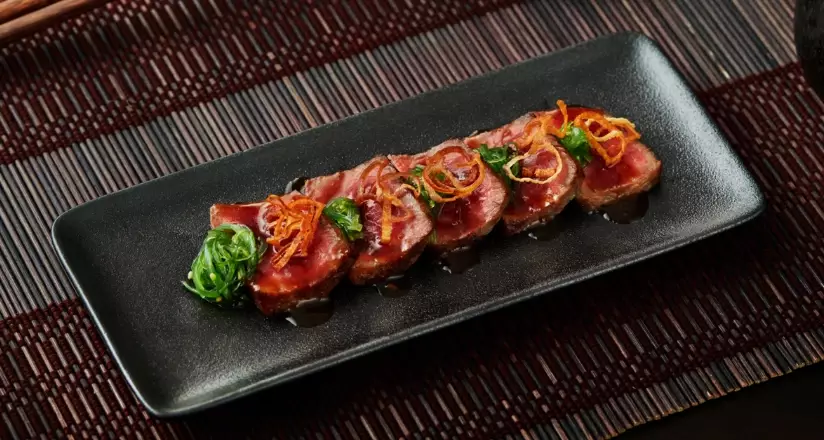
Answering Your Burning Questions (FAQs)
My biggest home-cooking fail was using a dull knife to slice the tataki. It mangled the beautiful meat and ruined the presentation. A sharp knife is not a suggestion; it's a requirement.
Final Thoughts: Why Tataki Deserves a Spot on Your Table
So, after all this, what is tataki beef to me now? It's more than just a dish. It's a technique that shows a deep respect for an ingredient. It's a lesson in contrast—hot and cold, seared and raw, savory and bright. It's surprisingly simple yet feels incredibly sophisticated.
It's not an everyday meal (unless you're lucky), but it's a perfect choice for a special occasion, a fancy appetizer, or when you want to treat yourself to the purest expression of good beef. It demystifies the idea of "raw" meat and offers a gateway into appreciating textures and flavors we might not normally try.
The next time you see it on a menu, don't hesitate. Order it. And now, when you take that first bite of the cool, tender slice dipped in tangy ponzu, you'll know exactly the history, the care, and the simple genius behind it. You might even be tempted to try making it yourself. Go for it. Just get a good cut of beef, heat that pan until it screams, and don't forget the ice bath.
That's the real story of what tataki beef is.
Reader Comments