Let's talk about the Kanpyo roll. You've probably seen it on sushi platters—those neat, pale yellow rolls with a subtle sweetness, often sitting quietly next to the flashier tuna and salmon. It's a staple in traditional Japanese sushi, especially in chirashizushi (scattered sushi) or as a humble yet essential hosomaki (thin roll). But here's the thing most recipes don't tell you: making a truly great Kanpyo roll at home is less about fancy technique and more about understanding one simple, dried ingredient. I messed this up for years, ending up with rolls that were either too tough or blandly soggy, until I learned the few non-negotiable steps that make all the difference.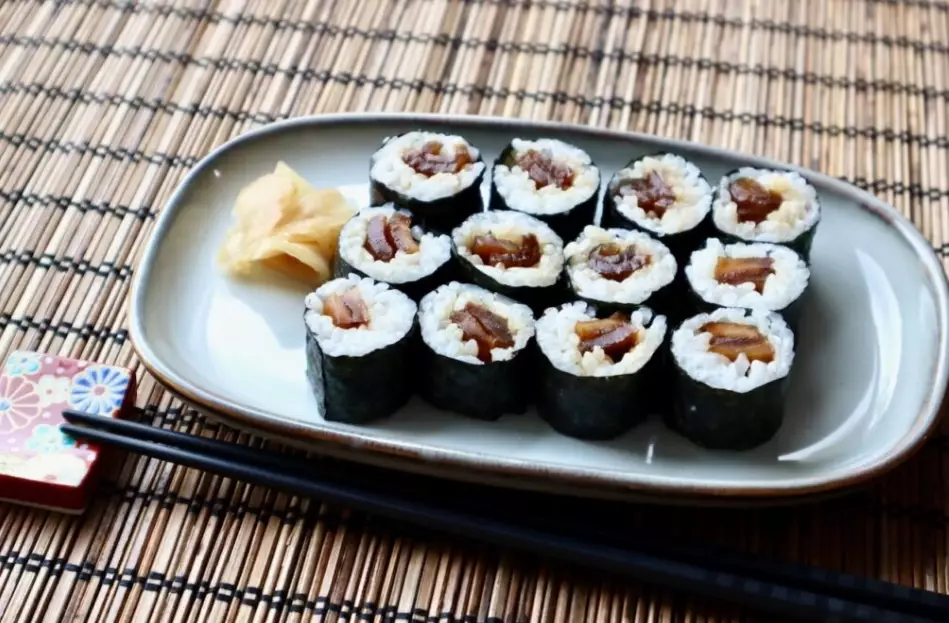
This isn't just another list of ingredients. We're going deep on the Kanpyo roll recipe, from sourcing the right kanpyo (dried gourd strips) to the final slice, with all the little details that separate a good roll from an authentic, restaurant-quality one.
Jump Straight to What You Need
What Is Kanpyo, Anyway?
Before you even think about rolling, let's get familiar with the star. Kanpyo (かんぴょう) are thin, ribbon-like strips made from the flesh of a specific type of calabash gourd. The gourds are peeled, sliced, and then dried, resulting in a shelf-stable ingredient that rehydrates into a pleasantly chewy, slightly sweet component. It's a classic example of Japanese kombu (kelp) and katsuobushi (bonito flakes). The traditional simmering liquid often includes soy sauce, sugar, and mirin, which the kanpyo absorbs beautifully.
You'll find it in two main forms at Japanese or Asian grocery stores: loose in bags or pre-bundled into small skeins. I prefer the loose kind—it's easier to measure and often has fewer broken pieces. If you're ordering online, stores like Marukai or Weee! usually have reliable stock. A 50-gram bag costs around $5-$8 and will make enough filling for a dozen rolls.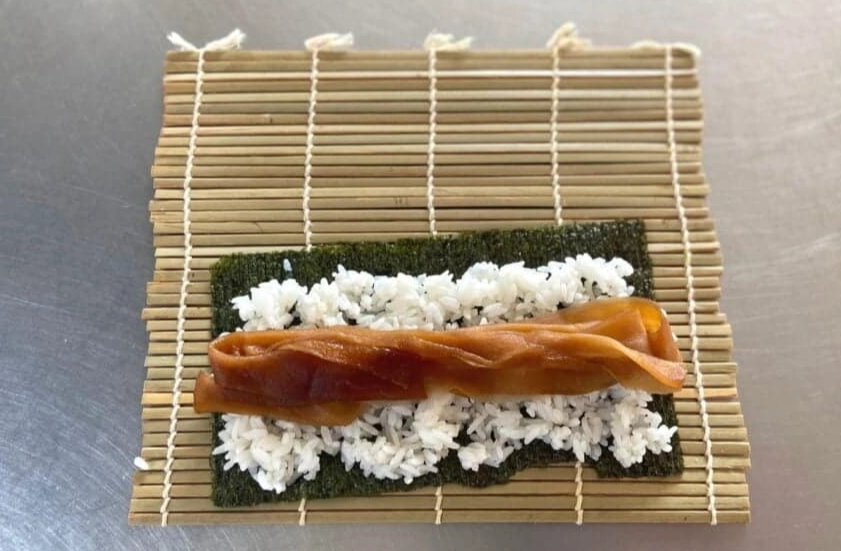
Gathering Your Ingredients & Tools
Here’s everything you need. Don't skip on the sushi rice quality—it's half the battle.
| Ingredient/Tool | Details & Purpose | Notes & Substitutions |
|---|---|---|
| Kanpyo (Dried Gourd) | 20-25 grams for 3-4 rolls. The core filling. | Look for pale cream-colored strips. Avoid any with dark spots. |
| Sushi Rice | 2 cups uncooked short-grain rice (like Koshihikari). | Must be Japanese short-grain. Medium or long-grain won't stick properly. |
| Sushi Vinegar (Su) | Mix of rice vinegar, sugar, salt. Or buy pre-mixed. | Mizkan brand is a good, accessible pre-mixed option. |
| Seasonings for Kanpyo | Soy sauce, mirin, sugar, dashi stock or water. | Use real mirin (hon mirin) for depth, not "mirin-style" seasoning. |
| Nori Sheets | Full-size sheets, preferably yaki-nori (toasted). | Keep in a sealed bag with a desiccant to stay crisp. |
| Bamboo Sushi Mat (Makisu) | Essential for tight rolling. | Wrap it tightly in plastic wrap before use for easy cleanup. |
| Sharp Knife | A long, thin-bladed knife (yanagiba or just a very sharp chef's knife). | Dull knives will crush your roll. Wipe the blade with a damp cloth between cuts. |
The Crucial Step: Prepping the Kanpyo
This is where most home cooks rush and pay the price. Kanpyo is dried and often quite salty, so it needs proper rehydration and seasoning.
First, take your 20-25 grams of dried kanpyo and put it in a large bowl. Cover it with plenty of warm water—not boiling, just warm from the tap. Let it soak for 15-20 minutes. You'll see it soften and expand. Now, here's the first expert move: don't just drain it. Take handfuls of the soaked kanpyo and scrub it gently between your palms under running water. This removes excess surface salt and any slight bitterness. It feels a bit odd, but it makes the final flavor much cleaner and sweeter.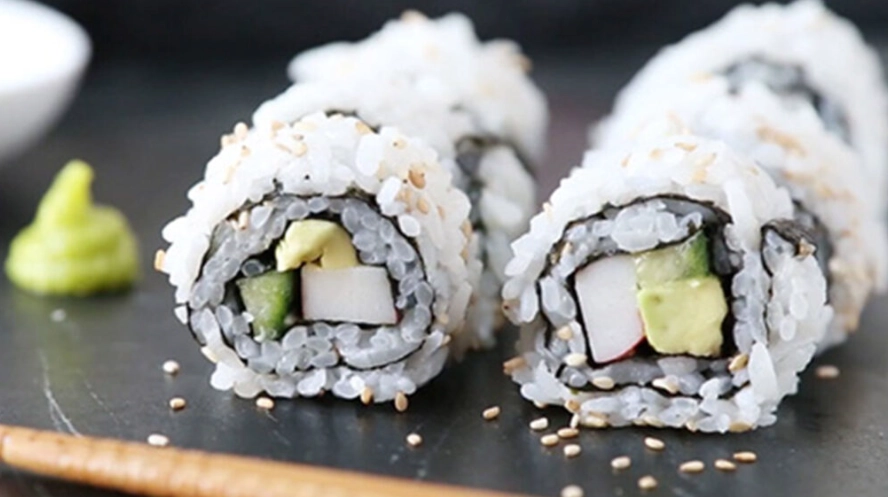
After scrubbing, squeeze out the water. Don't be gentle; get as much moisture out as you can. Now it's ready to cook.
Step-by-Step Kanpyo Roll Recipe
1. Cook and Season the Sushi Rice
Cook your short-grain rice according to package directions. While it's hot, transfer it to a wide, non-metallic bowl (a hangiri is traditional, but a large baking sheet works). Sprinkle the seasoned sushi vinegar over the rice. Using a cutting and folding motion with a rice paddle or spatula, gently mix and cool the rice. Fan it if you can to give it a glossy shine. Cover with a damp cloth until ready to use.
2. Assemble Your Rolling Station
Have your seasoned kanpyo (drained from its liquid), nori sheet, bowl of sushi rice, a small bowl of water with a splash of vinegar (for wetting your hands), and your plastic-wrapped bamboo mat ready. Place the nori sheet shiny-side down on the mat, with the long edge facing you.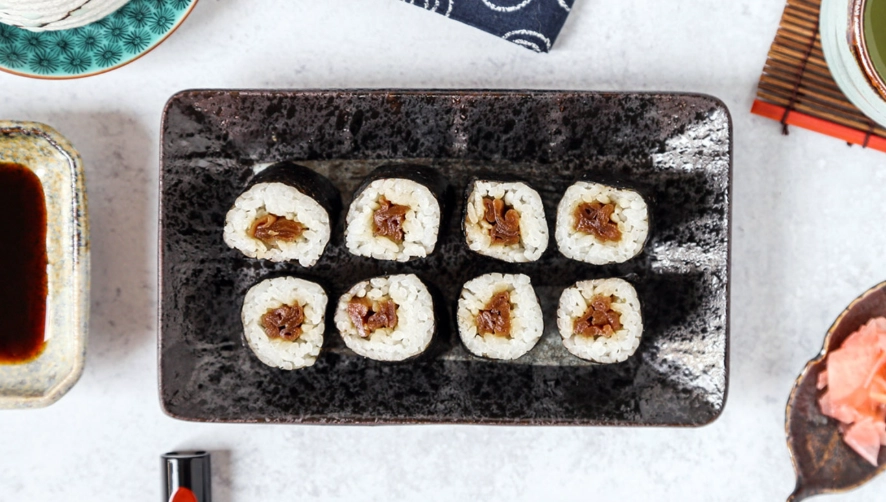
3. Spread the Rice
Wet your hands to prevent sticking. Grab a handful of rice (about ¾ to 1 cup for a full sheet) and gently spread it over the nori, leaving a 1-inch bare strip at the top edge farthest from you. This is critical—it's the seal. The rice layer should be even but thin, about ¼ inch thick. Press gently; you're not making a rice cake.
4. Add the Kanpyo and Roll
Take a small bundle of the seasoned kanpyo strips and lay them horizontally in a line across the rice, about one-third of the way up from the edge closest to you. Don't overfill. Now, lift the edge of the mat closest to you, using your thumbs, and roll it over the filling, tucking the nori edge under to start the cylinder. Apply even, firm pressure as you roll forward, pulling the mat back slightly to keep it tight. When you reach the bare nori edge, moisten it with a bit of water or rice vinegar and complete the roll. Give the whole roll a gentle, even squeeze along its length with the mat to firm it up.
5. Slice and Serve
Let the roll rest for a minute on a cutting board. Using your sharp knife, wipe it clean and moisten the blade slightly. Cut the roll in half first. Then, align the two halves and cut each into three or four pieces. Wipe the knife after every cut for clean edges. Serve immediately with soy sauce, pickled ginger, and wasabi.
Expert Tips & Flavor Variations
Once you've mastered the basic roll, play with it.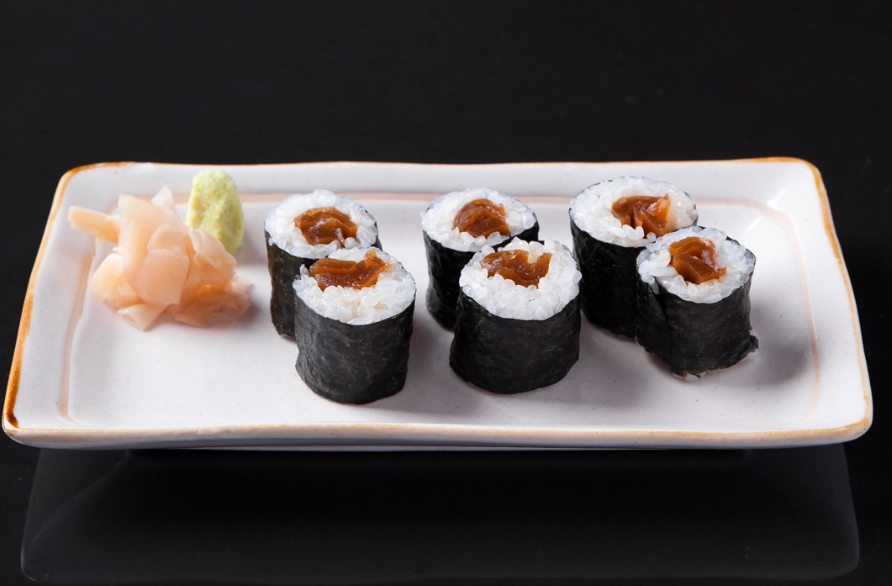
Texture is Everything: If your kanpyo filling is too chewy, you didn't simmer it long enough. If it's mushy, you simmered it too long or with too little liquid. Aim for the texture of a perfectly cooked green bean.
The Rice Factor: Your rice should be at room temperature, not cold. Cold rice gets hard and won't stick. If it's too warm, it will steam the nori and make it soggy.
Simple Variations: - Kanpyo and Cucumber Roll: Add a few thin juliennes of cucumber (seeds removed) alongside the kanpyo for fresh crunch. - Gomoku Kanpyo: Mix the simmered kanpyo with other traditional chirashi ingredients like shredded omelet, rehydrated shiitake mushrooms, and carrots for a more complex filling. - Inside-Out Roll (Uramaki): Spread rice on the nori, then flip it over so the rice is on the outside. Add kanpyo, roll, and optionally coat the outside with toasted sesame seeds.
Storing them? It's best eaten within a few hours. If you must, wrap the uncut roll tightly in plastic wrap and refrigerate for up to 24 hours, but expect the nori to soften.
Your Kanpyo Roll Questions, Answered
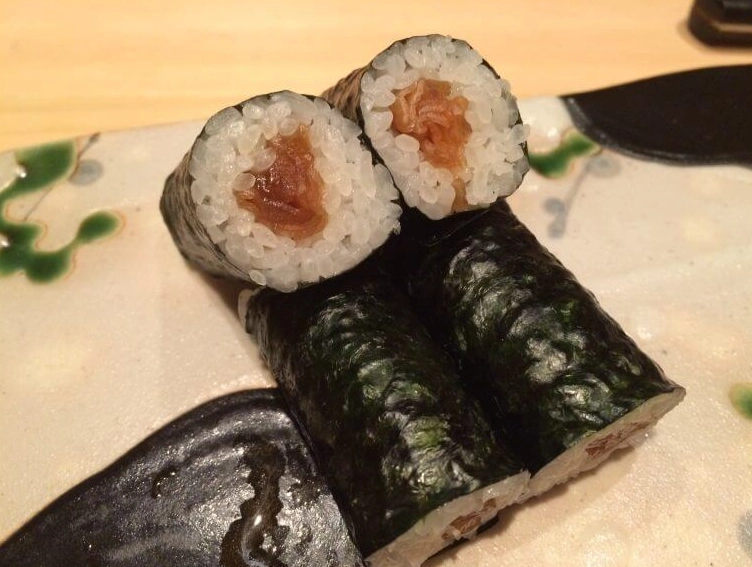 My kanpyo tastes bland even after simmering. What went wrong?
Reader Comments