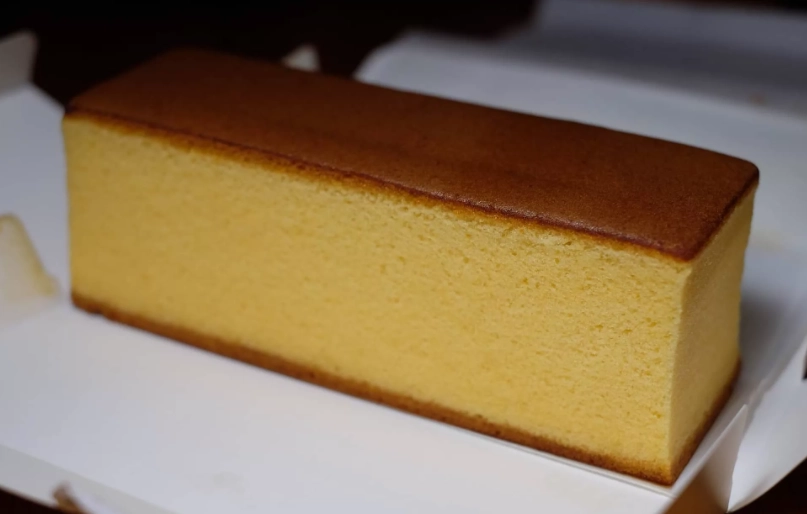
You've probably seen it in Japanese bakeries or gift shops: a tall, rectangular loaf of golden-brown cake, sometimes wrapped in a distinctive blue and white paper. That's castella, or kasutera as it's pronounced in Japanese. At first glance, it looks simple—just a sponge cake. But that first impression is a trap many fall into. The real story of castella is a 400-year-old tale of cultural fusion, precision baking, and a texture so uniquely moist and dense it defies everything you think you know about sponge cakes. It's not just a dessert; it's a edible piece of history from Nagasaki.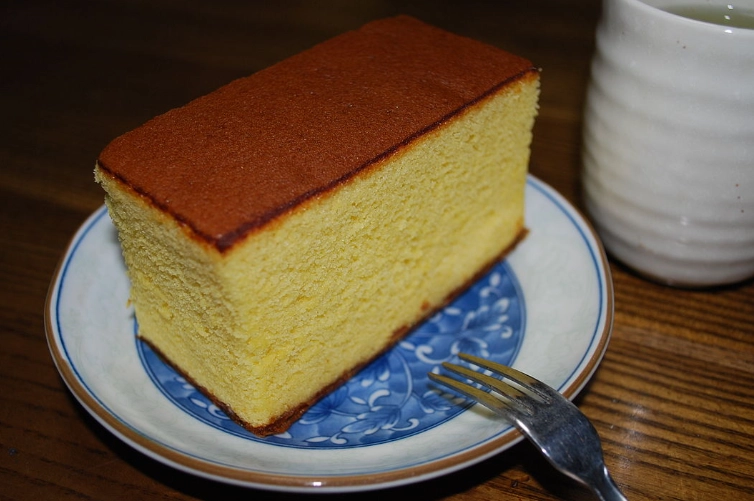
Most guides tell you it's sweet and fluffy. They miss the point entirely. The magic of a perfect castella is in its weighty, almost damp crumb and its deep, caramelized honey flavor. Getting it wrong is easy. Getting it right feels like a small miracle.
What's Inside This Castella Guide
From Portuguese Ships to Japanese Tea Ceremonies
The name gives it away. "Castella" comes from "Pão de Castela," meaning "Bread from Castile" in Portuguese. In the 16th century, Portuguese merchants and missionaries sailing into the port of Nagasaki brought this cake with them. At the time, Japan was largely closed to the outside world under the sakoku policy, but Nagasaki was a rare window. The original Portuguese cake was likely denser, made with bread flour. The Japanese adapted it, using their fine hakurikiko (cake flour) and adding mizuame (starch syrup) or honey for a distinct moisture and sheen.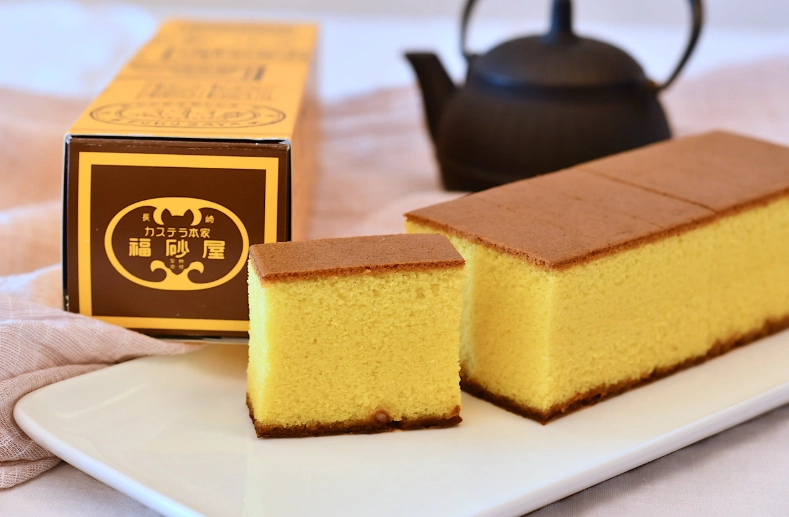
It became a luxury item, a nanbangashi (Southern Barbarian sweet) enjoyed by the elite and later popularized across the country. Today, it's Nagasaki's most famous meibutsu (regional specialty). The Nagasaki City tourism site highlights castella as a key cultural food heritage, a symbol of the city's unique international history.
Why the rectangular shape? It's purely practical. The tall, straight sides are a result of baking in a wooden box-like mold, which also helps create an even texture and makes it easy to slice into perfect, uniform pieces for gift-giving—a crucial aspect of Japanese omiyage (souvenir) culture.
How to Make Castella at Home (The Right Way)
Baking castella is a lesson in patience and technique. Forget everything about whipping up a quick Victoria sponge. This is a different beast. The most common mistake? Treating it like a regular cake and ending up with something dry, crumbly, or eggy.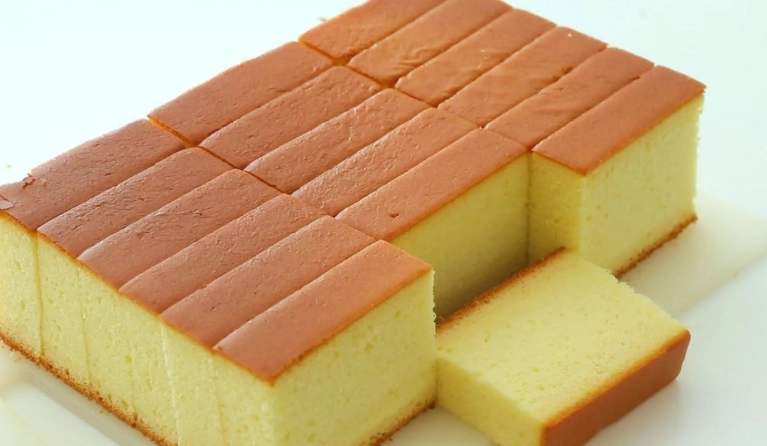
The goal is that signature dense-yet-airy, moist texture with a flat top and a fine, even crumb.
The Non-Negotiable Ingredients
Bread Flour? No. Cake Flour? Yes. This is the first big shift from the Portuguese original. You must use low-protein, fine cake flour. All-purpose flour will give you a tougher crumb. Some expert bakers in Japan even use a specific brand or sift their flour three times for ultimate fineness.
Honey or Mizuame: Honey is more accessible globally and gives a beautiful flavor. Mizuame (available in Asian grocery stores) creates a shinier, slightly chewier crust and retains moisture longer. A blend of both is the professional secret.
The Eggs: Room temperature. Always. Cold eggs won't whip to the necessary high volume. Don't even think about taking them straight from the fridge.
The Critical Process: Where Most Home Bakers Fail
1. The Ribbon Stage is a Lie (Sort of). Recipes say "whip eggs and sugar until ribbon stage." For castella, you need to go beyond the ribbon stage. Whip on high speed for a good 8-10 minutes until the mixture is very pale, thick, and has tripled in volume. When you lift the whisk, the batter should fall in thick, slow folds that hold their shape on the surface for several seconds. This is your structure.
2. Folding, Not Mixing. Sift the flour over the batter in batches. Use a flexible spatula and cut through the center, sweep along the bottom, and fold over the top. Rotate the bowl. You want to incorporate the flour without deflating all those precious air bubbles. Stop the moment no dry streaks remain. Overmixing is the death of fluffiness.
3. The Water Bath (湯煎, yusen). This is non-optional. Pour the batter into a parchment-lined loaf pan (a proper 18cm x 9cm x 9cm Japanese castella mold is ideal). Place that pan inside a larger roasting tray. Pour hot water into the larger tray until it comes halfway up the sides of the loaf pan. This gentle, steamy heat ensures even, slow baking and that moist texture.
4. Temperature Acrobatics. Start at a higher temperature (160°C/320°F) for 15 minutes to set the top, then reduce to 150°C/300°F for the remaining 40-50 minutes. This prevents cracking.
5. The Post-Bake Shock. As soon as it comes out of the oven, drop the pan from a height of about 15cm onto your counter. This shocks the cake and prevents major shrinking. Then, immediately wrap the entire cake (still in the pan) tightly in plastic wrap while it's hot. Let it cool completely wrapped up. This traps steam inside, making the crumb incredibly moist. This step feels wrong, but it's absolutely right.
Where to Buy Authentic Castella: Shops & Online
If baking isn't your thing, or you want to taste the gold standard, here's where to find the real deal. Authentic Nagasaki castella has a shelf life of about 7-10 days, so freshness is key.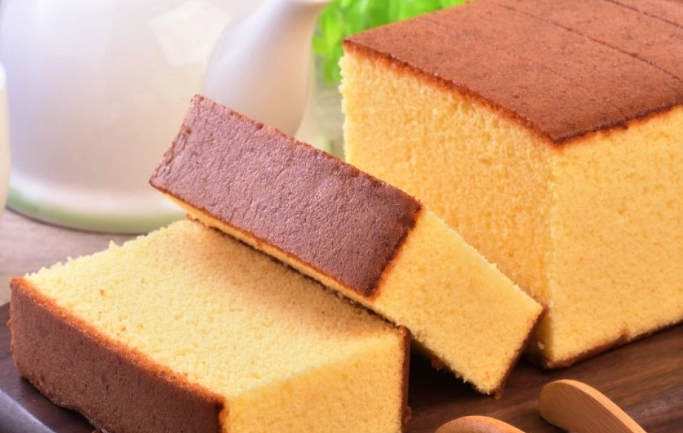
| Shop Name (Brand) | Location (Main Shop) | Key Characteristics & Price Range | Why It Stands Out |
|---|---|---|---|
| Fukusaya (福砂屋) | 3-1 Funadaikumachi, Nagasaki | The oldest (founded 1624). Known for a coarse-grained bottom with crystallized sugar. A whole loaf costs around 1,500-2,000 JPY. | Historical authenticity. The sugar crust at the bottom provides a unique textural contrast. Their process is a closely guarded secret. |
| Shooken (松翁軒) | 2-11 Daikokumachi, Nagasaki | Founded 1681. Offers a very fine, uniform texture. Prices similar to Fukusaya. | Considered by many locals to have the most refined, classic texture. Often less sweet than others. |
| Bunmeido (文明堂) | Multiple locations nationwide, HQ in Nagasaki | The most widely available brand. Softer, slightly lighter texture. Whole loaf ~1,300 JPY. Also sells by the slice. | Accessibility. You can find Bunmeido in major department store basements (depachika) across Japan and at airports. Consistent quality. |
| Castella Coffee Shop Kameya Honten | 1-7 Tokiwamachi, Nagasaki | Not just a seller, but a cafe. You can enjoy a slice with coffee. A slice costs ~400 JPY. | The experience. Sit in a traditional setting and enjoy freshly sliced castella as it was meant to be—with a drink. |
Buying Online & Internationally: Many of these famous shops now ship within Japan through their own websites or platforms like Rakuten. For international buyers, Japanese food specialty online retailers like Japan Centre (UK) or Washoku Shop often stock Bunmeido or other brands, though shipping costs are significant. Check the expiry date closely when ordering online.
A word of caution: avoid the plastic-wrapped, mass-produced "castella" sold in convenience stores for 200 yen. It's a pale, dry imitation that will give you the wrong idea about this cake.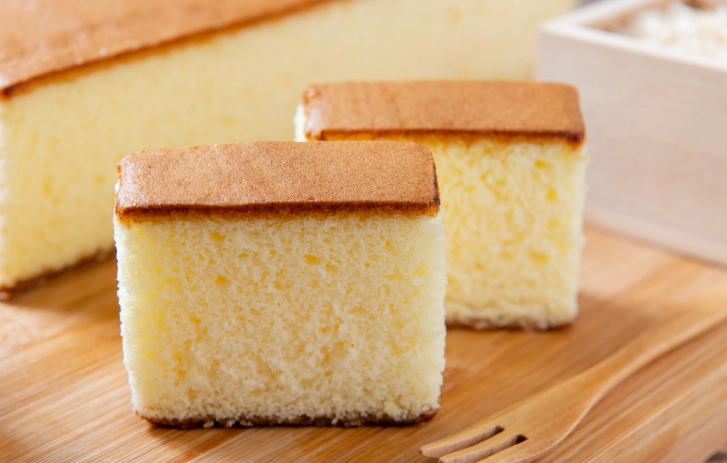
Your Castella Questions, Answered
So there you have it. Castella isn't just a cake you buy as a souvenir. It's a project for a quiet afternoon in the kitchen, a direct link to Japan's era of foreign trade, and a test of your baking precision. Whether you track down an authentic loaf from Nagasaki or brave the water bath yourself, you're participating in a tradition that's been sweetening Japanese life for centuries. The real reward is that first slice: dense, fragrant, and humming with the deep flavor of honey and history.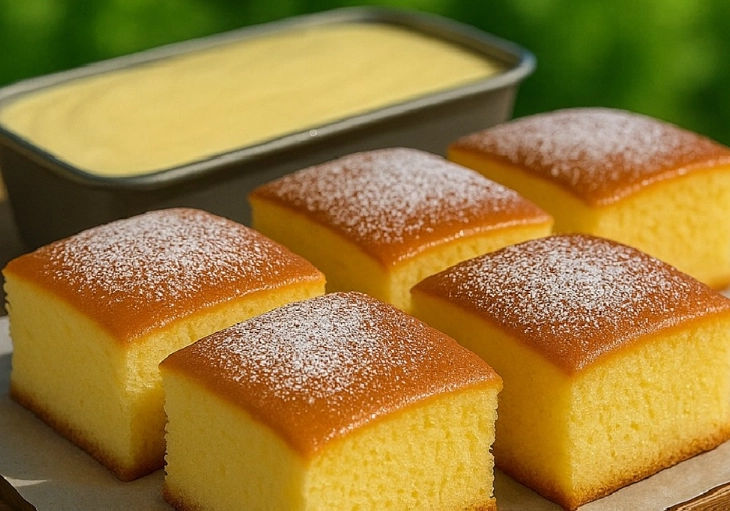
Reader Comments