Let's cut to the chase. A great chicken donburi isn't just food; it's a warm, savory hug in a bowl. It's the dish you crave after a long day, the one you remember from a Tokyo side street, the deceptively simple meal that separates casual cooks from true enthusiasts. I've spent years eating my way through Japan's donburi shops and perfecting the craft at home, and I'm here to tell you that most guides miss the point entirely. They talk about recipes but not soul, about ingredients but not technique. This is different.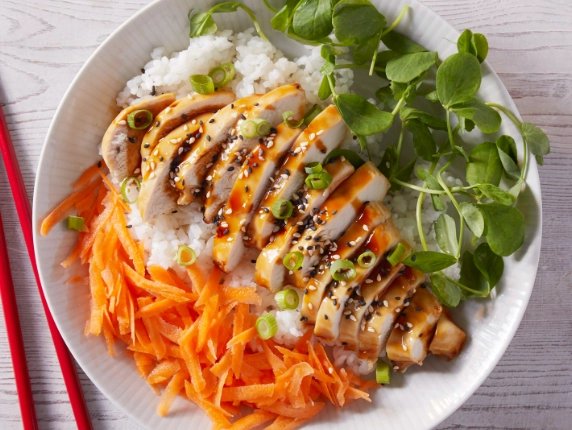
What's Inside This Bowl?
Finding the Real Deal: Tokyo's Top Chicken Donburi Spots
You can read a hundred lists. I'm giving you three places that define what chicken donburi can be. Forget the chains; these are experiences.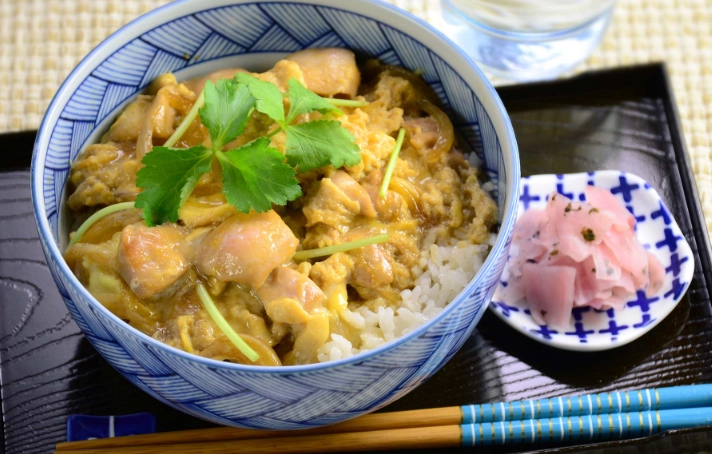
| Restaurant Name & Area | The Signature Bowl & Why It's Special | Practical Info (Price, Hours, Notes) |
|---|---|---|
| Tamahide (Ningyocho) | Oyakodon. This is the originator, established in 1760. Their broth, a secret passed down for generations, is impossibly rich and clear. The chicken is succulent, the egg custard-like. It's less a meal, more a history lesson. | ¥2,200 for the classic oyakodon. Open 11:30 AM - 1:30 PM, 5:00 PM - 8:00 PM (closed Wed). Be prepared to queue, often for over an hour. No reservations for lunch. Worth every minute. |
| Toritsune Shizendo (Jimbocho) | Shizendo Don. A modern classic. Grilled chicken thigh (yakitori-style) over rice, with a raw egg yolk and secret soy blend. The contrast of smoky, crispy chicken and cool, creamy yolk is genius. | Around ¥1,300. Open 11:00 AM - 3:00 PM, 5:00 PM - 9:00 PM (closed Sun). Casual counter seating. The owner is a yakitori master, which explains the perfect chicken. |
| Oyama (Shinjuku) | Tori Meshi. A hidden gem in the Omoide Yokocho alley. It's rustic, loud, and perfect. Simple simmered chicken and onion in a slightly sweet-savory sauce over rice. It's the essence of comfort. | About ¥900. Opens at 5:00 PM until late (closed irregularly). Cash only. It's tiny, smoky, and feels like old Tokyo. Don't go for ambiance; go for soul. |
My personal take? Tamahide is pilgrimage-worthy, but Toritsune Shizendo is the one I dream about. Oyama is where you go after a few drinks for that perfect, unpretentious bite. They each teach you something different about the dish.
The Anatomy of a Great Chicken Donburi
Break down any great bowl, and you'll find three non-negotiable elements. Get one wrong, and the whole thing falls flat.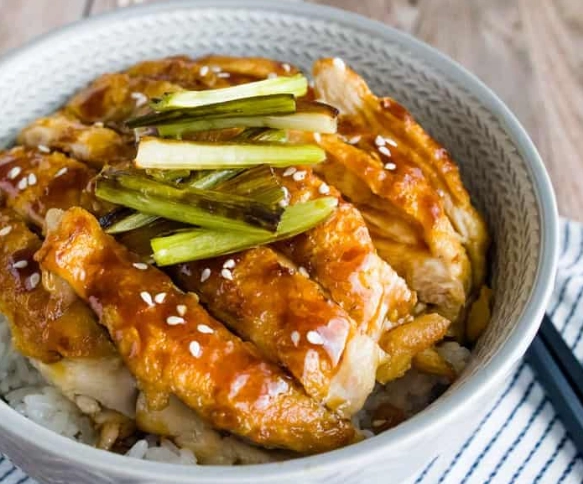
The Rice: The Foundation Everyone Ignores
It's not just a bed. It's a component. Using leftover rice or poorly cooked rice is the first sign of an amateur. The rice must be freshly cooked Japanese short-grain, slightly firm so it doesn't turn to mush under the topping. I cook mine with a piece of kombu (dried kelp) in the water—a tiny trick that adds a layer of umami most people miss.
The Chicken & Egg Union: It's About Texture, Not Just Flavor
The magic of classics like oyakodon (“parent-and-child donburi”) is the textural conversation. The chicken should be tender, but with a slight bite. The eggs should be just set, but still creamy, weaving through the chicken and sauce. If your eggs are scrambled or rubbery, you've killed the dish. The sauce—dashi, soy, mirin—should be balanced, not just sweet. It should coat, not drown.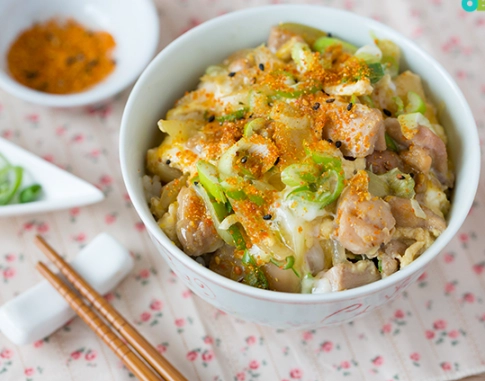
The Topping-to-Rice Ratio: The Golden Rule
Too much topping and it's a stew on rice. Too little and it's just a tease. The ideal is about a 60/40 ratio, topping to rice. Every spoonful should get you a bit of everything.
Here's the insider bit no one talks about: The best shops don't cook the topping directly in the serving bowl. They use a small, dedicated donburi pan (a donabe or small fry pan) to control the heat and reduction perfectly, then slide it onto the waiting rice. This keeps the rice hot but not steamed, and the topping perfectly sauced.
The Foolproof Home Kitchen Chicken Donburi Recipe
This is my weekday warrior version. It respects tradition but is built for reality. You don't need special equipment, just attention to timing.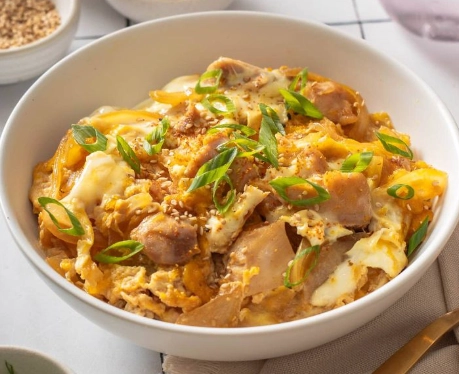
What You'll Need (for 2 generous bowls):
- Chicken: 300g boneless, skin-on chicken thigh, cut into bite-sized pieces. Skin-on is crucial for flavor. Breast dries out too fast.
- The Sauce: 200ml good-quality dashi (instant is fine), 2 tbsp soy sauce, 2 tbsp mirin, 1 tbsp sake, 1 tsp sugar. Taste it. It should be savory first, then sweet.
- The Rest: 1 medium onion, thinly sliced. 3-4 large eggs, lightly beaten—don't over-whisk. 2 bowls of freshly cooked Japanese rice. Mitsuba or green onion for garnish.
The 10-Minute Process:
First, get your rice cooking and your bowls warming. In a 10-inch skillet or small pot, combine the dashi, soy, mirin, sake, and sugar. Bring it to a simmer. Add the sliced onion and let it cook for 2 minutes until it starts to soften. Now, add the chicken pieces in a single layer. Let it simmer for about 4-5 minutes. Skim off any scum that rises—this keeps the sauce clear.
Here's the critical moment. Pour about two-thirds of the beaten eggs over and around the chicken. Put a lid on, count to 30 seconds. Now, remove the lid and pour the remaining egg over the top. Immediately cover again, turn off the heat, and let it sit for 1 minute. The residual heat will finish cooking the top layer to a soft, creamy set.
Divide the rice between your warm bowls. Now, gently slide the entire chicken and egg mixture from the pan, placing it neatly on top of the rice. Pour any remaining sauce over. Garnish. Serve immediately. The whole process, once prepped, is under 10 minutes of active cooking.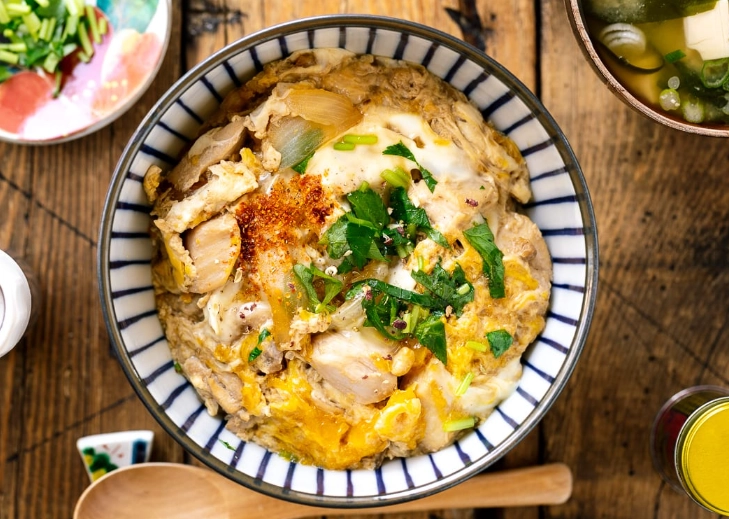
The 3 Mistakes Almost Everyone Makes (And How to Fix Them)
I've seen these ruin more donburi than I can count.
1. The Over-stir. You add the egg and immediately start scrambling it like you're making breakfast. Fix: Let the egg set undisturbed for those 30 seconds with the lid on. You're creating a soft custard, not scrambled eggs.
2. The Soggy Rice Catastrophe. You put the rice in a cold bowl, or you dump the piping hot topping on it and let it sit. The steam condenses and turns the bottom layer to glue. Fix: Warm your serving bowls. I run mine under hot water and dry them quickly. Serve and eat immediately.
3. The Syrupy Sauce. You boil the sauce down too much before adding the chicken, or you use low-quality mirin that's just corn syrup. The result is a cloying, sticky glaze. Fix: Simmer, don't boil rapidly. Use real mirin or, in a pinch, a mix of a little sugar and dry sherry. The sauce should be fluid enough to seep into the rice.
Your Chicken Donburi Questions, Answered
My homemade chicken donburi sauce never tastes as deep as the restaurant's. What's the secret?
It's likely your dashi. Most home cooks use instant, which is fine, but the best shops make their own kombu-and-bonito dashi daily. For a quick upgrade, steep your instant dashi with an extra piece of kombu for 10 minutes off the heat before using. Also, don't underestimate the flavor from properly skimming the scum when the chicken cooks—it removes impurities that make the sauce taste muddy.
Can I make chicken donburi ahead of time for a lunchbox?
You can, but you have to accept compromises. The egg will overcook and the rice will lose texture. If you must, pack the rice and topping separately and combine just before eating. Even slightly warm topping will steam the rice in a sealed container, leading to sogginess. It's a dish that truly rewards eating fresh.
What's the difference between oyakodon, katsudon, and other donburi? Is chicken always the best?
"Don" just means bowl. Oyakodon is chicken and egg. Katsudon is a breaded pork cutlet (tonkatsu) simmered in egg and sauce. Gyudon is beef and onion. Tendon is tempura. Each has its charm, but chicken donburi, especially oyakodon, holds a special place because of its simplicity and balance. It's harder to hide poor ingredients or technique. When done right, it's pure harmony. That's why I think it's the ultimate test—and reward.
Reader Comments