Key Highlights
Let's be honest, you've probably seen a picture of beef tataki somewhere – that gorgeous piece of meat, seared just on the outside, screaming red and cool in the middle, sliced so thin you could almost see through it, fanned out on a plate like some culinary artwork. It looks fancy, intimidating, like something only a sushi chef with years of training could pull off. I thought the same thing for the longest time. Then I tried making it at home, and let me tell you, my first attempt was... well, let's just say the dog looked interested, but even he was skeptical. It was chewy, uneven, and the sauce was a salty mess.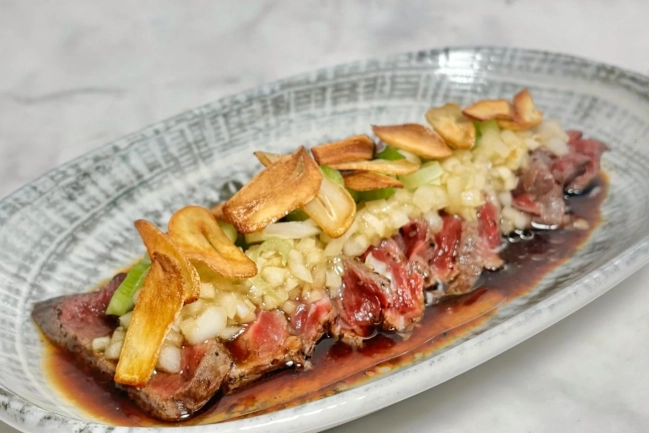
But that's the thing about a great beef tataki recipe. It's not about complex techniques or a pantry full of obscure ingredients. It's about understanding a few simple principles: heat control, knife skills, and balancing flavors. Once you get those down, you can make a tataki of beef that'll make you feel like a rockstar, and it takes less than 30 minutes of active work. This isn't just another recipe list. This is the guide I wish I had when I started, packed with the why's and how's, the little tricks, and the answers to all the questions that pop up when you're staring at a piece of raw-ish beef in your kitchen.
So, what exactly is it? In the simplest terms, beef tataki (たたき) is a Japanese preparation where a high-quality cut of beef is very quickly seared over intense heat, then immediately cooled to stop the cooking. The word "tataki" means "pounded" or "hit," which historically referred to briefly searing the meat over straw flames and then lightly pounding it. Today, it's more about that characteristic quick sear. The interior remains essentially raw or very rare, while the outside gets a flavorful, aromatic crust. It's then sliced paper-thin against the grain and served with a dipping sauce, most traditionally a citrusy, savory ponzu.
Deconstructing the Perfect Beef Tataki Recipe
Alright, let's roll up our sleeves and get into the nitty-gritty. A great beef tataki recipe rests on four pillars: the beef, the sear, the slice, and the sauce. Mess up one, and the whole thing feels off. Nail all four, and you've got magic.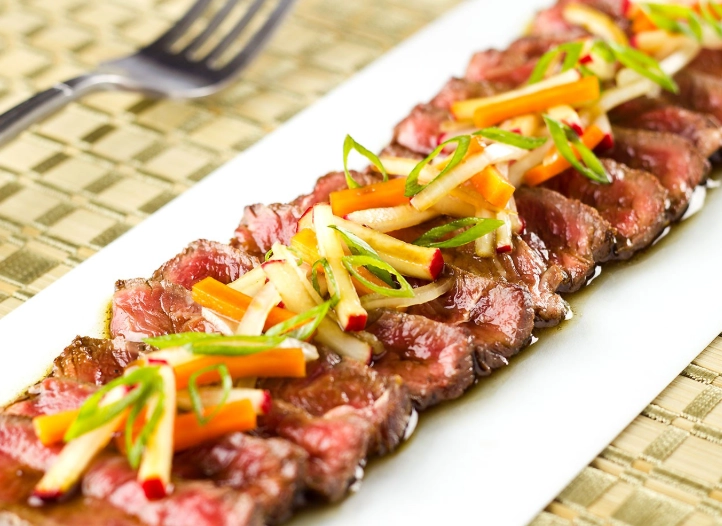
Pillar One: Choosing and Prepping Your Beef
This is the most critical decision. You're eating the meat almost raw, so quality and cut are non-negotiable. You need a tender, well-marbled cut with minimal connective tissue.
Excellent Alternatives:
- Top Sirloin Cap (Picanha): This is a fantastic, more affordable option if you can find it. It has a great fat cap that renders beautifully during the sear, adding insane flavor.
- Strip Loin (New York Strip): Good marbling and beefy flavor. Just be sure to trim any excess fat or gristle from the edges.
- Ribeye Cap: The most flavorful part of the ribeye, incredibly tender and marbled. A true luxury pick.
What to Avoid: Tough, lean cuts like round or chuck. They'll be chewy and unpleasant. Also, avoid cuts with large bands of gristle running through them.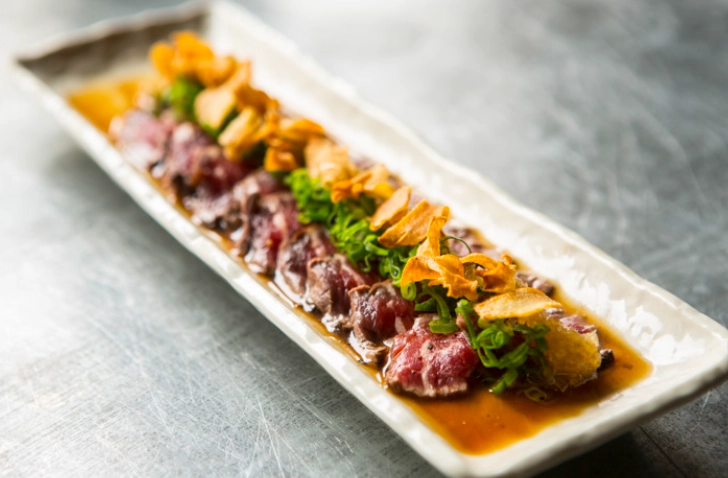
How much to buy? Aim for about 6-8 ounces (170-225g) per person as an appetizer, or 8-12 ounces (225-340g) for a main course.
Prep is Key: Take the meat out of the fridge about 20-30 minutes before cooking. A cold center will lead to an uneven sear. Pat it bone-dry with paper towels. Any moisture on the surface will steam the meat instead of searing it. Give it a light coat of neutral oil with a high smoke point (grapeseed, avocado, or canola) and season generously with kosher salt and freshly cracked black pepper. Don't be shy.
| Beef Cut | Best For | Flavor & Texture | Budget Note |
|---|---|---|---|
| Beef Tenderloin | The classic, foolproof choice | Buttery, supremely tender, mild flavor | High |
| Top Sirloin Cap (Picanha) | Flavor enthusiasts | Rich, beefy, tender with a delicious fat cap | Medium |
| Strip Loin | A balanced, reliable option | Good beefy flavor, firm but tender texture | Medium-High |
| Ribeye Cap | The ultimate indulgence | Extremely rich, heavily marbled, melts in your mouth | Very High |
Pillar Two: The Art of the Blazing Fast Sear
This is the 60-second make-or-break moment. The goal is to create a deep brown, flavorful crust without cooking the inside. You need maximum heat and no fear.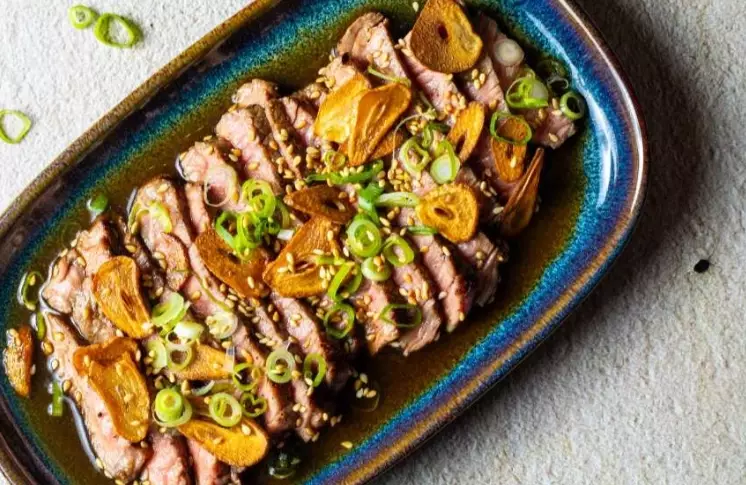
- Weapon of Choice: Use the heaviest skillet you own—cast iron or thick-bottomed stainless steel. Place it over the highest heat possible and let it get screaming hot for a good 5 minutes. You should see wisps of smoke.
- The Action: Lay the seasoned beef in the pan. It should sizzle violently. Do not touch it for 30 seconds. Let a proper crust form.
- The Flip: Using tongs, sear each remaining side for 20-30 seconds. For a cylindrical tenderloin, you'll want to sear all four "sides." You're basically creating a flavorful box around the raw center.
- The Edge Sear (Optional but Pro): Briefly hold the meat with tongs to sear the edges for just a few seconds each.
- The Cool Down: Immediately transfer the beef to a plate or rack and put it in the freezer for 10-15 minutes. This stops the cooking dead in its tracks and firms up the meat, making slicing infinitely easier. Don't skip this!
Pillar Three: The Zen of Slicing
This is where the "tataki" presentation comes to life. Slicing it wrong can ruin the tender texture you just worked so hard to preserve.
First, find the grain.
Look at the chilled, seared beef. You'll see lines of muscle fiber running in one direction. That's the grain. You must slice perpendicular (across) these fibers. Slicing with the grain gives you long, tough, stringy pieces. Slicing against it yields short, tender bites that practically dissolve.
The Tools: Use the sharpest knife you have. A long, thin slicing knife (like a sujihiki or a good chef's knife) is ideal. A dull knife will crush and tear the meat.
The Technique: Hold the knife at a slight angle (about 45 degrees) and make thin, confident slices, about 1/8 to 1/4 inch thick. Don't saw back and forth. One smooth, pulling motion. As you slice, fan the pieces out on a serving plate. It looks impressive and helps each piece cool slightly.
Pillar Four: The Sauces & Accompaniments
The sauce isn't just a dip; it's a vital counterpoint that cuts the richness of the beef and ties the dish together. The classic is Ponzu.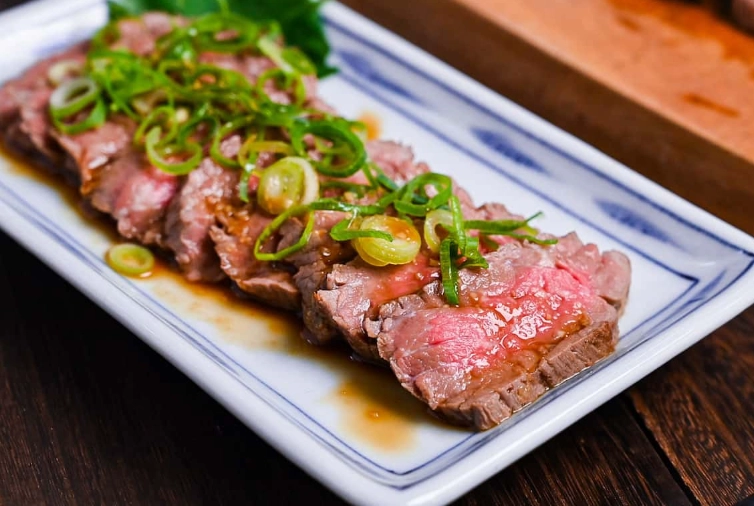
Classic Ponzu Sauce: This citrus-soy sauce is the perfect partner. You can buy it, but making it is simple and so much better. Combine equal parts fresh citrus juice (a mix of yuzu if you can find it, or lemon/lime/orange) and good-quality soy sauce. Add a splash of mirin (sweet rice wine) and a bit of grated daikon radish or a tiny bit of finely grated ginger and garlic. Let it sit for 30 minutes for the flavors to marry. The Japanese Ministry of Health, Labour and Welfare has general guidelines on food handling that reinforce the importance of using fresh ingredients for dishes involving raw or semi-raw meat preparations.
Sauce Variations & Toppings: Don't feel locked in. Here’s a quick ranking of my favorite ways to serve it:
- The Classic: Ponzu sauce with a pile of finely shredded daikon radish ("tsuma") and perhaps a few shiso leaves.
- The Umami Bomb: A ginger-scallion oil. Minced ginger and scallions piled on the beef, then hot oil poured over to sizzle and cook them slightly.
- The Simple Twist: A flaky sea salt (like Maldon) and a drizzle of really good extra virgin olive oil or toasted sesame oil.
- The Zesty Kick: A spicy miso mayo or a wasabi-infused soy sauce.
Your Step-by-Step, No-Stress Tataki of Beef Recipe
Let's put it all together into one actionable plan. Print this, stick it on your fridge.
Ingredients (Serves 2-4 as an appetizer):
- 1 lb (450g) beef tenderloin or top sirloin cap, trimmed
- High-heat oil (grapeseed, avocado)
- Kosher salt and fresh black pepper
- For Ponzu: 1/4 cup soy sauce, 1/4 cup fresh lemon/lime/orange juice, 1 tbsp mirin, 1 tsp grated ginger, 1 tbsp finely grated daikon (optional)
- For Serving: Shredded daikon radish, microgreens, or sliced scallions
Method:
1. Prep & Season: Pat the beef completely dry. Rub lightly with oil, then season very generously on all sides with salt and pepper. Let it sit at room temp for 20-30 mins.
2. Make the Ponzu: Whisk all ponzu ingredients in a small bowl. Set aside to let flavors blend.
3. Nuclear Hot Pan: Place a heavy skillet over highest heat. Let it preheat for a full 5 minutes until visibly smoking.
4. The 90-Second Sear: Lay the beef in the center of the pan. Don't move it. Sear for 30 seconds until a deep brown crust forms. Flip. Sear next side for 30 seconds. Sear the remaining two sides for 15 seconds each. If comfortable, sear the ends for 5-10 seconds each.
5. Shock & Chill: Immediately move the beef to a plate and place it in the freezer for 10-15 minutes to stop cooking and firm up.
6. Slice & Plate: Using a razor-sharp knife, slice the beef thinly against the grain at a slight angle. Fan out on a serving plate. Arrange shredded daikon on the side.
7. Serve: Serve immediately with the ponzu sauce in small dipping bowls. Eat right away while the contrast between the cool interior and the warm-ish crust is still there.
Answering All Your Beef Tataki Questions (The FAQ)
Here are the questions I get asked the most, and the answers I've found through trial and (plenty of) error.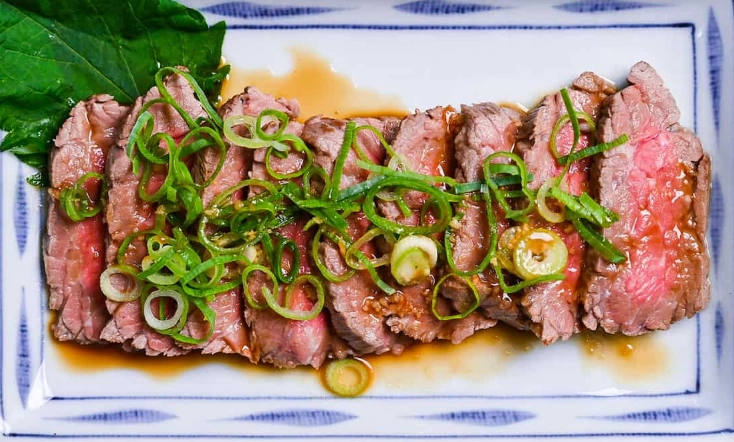
Beyond the Basics: Tips, Tricks, and Final Thoughts
So you've mastered the classic beef tataki recipe. Where do you go from here? Play around.
Try different crusts. Roll the oiled beef in cracked black peppercorns or sesame seeds before searing for a different texture. Experiment with the sauce—a dash of yuzu kosho (citrus chili paste) in the ponzu is a game-changer. For a more substantial meal, serve the sliced tataki of beef on a bed of warm sushi rice or mixed greens for a fantastic salad.
The real joy of this dish, for me, is its deceptive simplicity. It looks like a restaurant showstopper, but it's built on fundamentals any home cook can master: good ingredients, high heat, a sharp knife, and a balanced sauce. It teaches you about meat texture, the importance of resting (or in this case, shocking), and presentation.
My final piece of advice?
Don't stress about making it look perfect. Even if your slices are a little uneven, or your sear isn't a uniform mahogany all over, it will taste incredible. The combination of that savory, slightly smoky crust and the cool, tender, beefy interior dipped in the bright, salty-sour ponzu is just unbeatable. It's a celebration of the ingredient itself.
Grab a good piece of beef, heat that pan until it's angry, and give it a go. Your first attempt will already be pretty good. Your second will be great. And from there, the world of thinly sliced beef recipe variations is your oyster. Or should I say, your tataki.
Reader Comments