My first attempt at Japanese curry was a disaster. I followed the box instructions for Golden Curry to the letter, and it tasted... fine. Just fine. It was a bit watery, the potatoes fell apart, and it lacked that deep, complex savoriness I remembered from my favorite spots in Tokyo. It turns out, the box is a fantastic starting point, but treating it like a complete recipe is where most home cooks go wrong. Golden Curry roux blocks are a brilliant shortcut, a foundation. To build a truly great Japanese curry, you need to understand how to work with them, not just for them.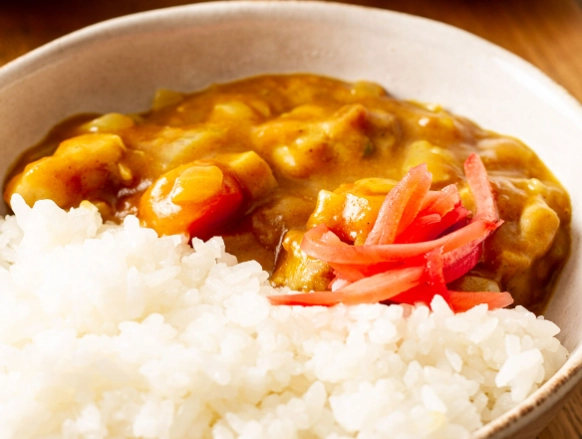
This guide is what I wish I had. We'll go beyond the basic Golden Curry recipe and dive into the techniques that transform a simple sauce into a rich, comforting masterpiece. Whether you're a complete beginner or someone who's made curry a dozen times but feels it's missing something, you'll find the answers here.
Jump to What You Need
- Why Golden Curry is a Smart Starting Point
- Essential Ingredients for Golden Curry Success
- Step-by-Step: Cooking Your Golden Curry
- 3 Common Golden Curry Mistakes (And How to Fix Them)
- How to Level Up Your Golden Curry Game
- Golden Curry vs. Other Japanese Curry Roux Brands
- Your Golden Curry Questions, Answered
Why Golden Curry is a Smart Starting Point
House Foods' Golden Curry is arguably the most famous Japanese curry roux outside of Japan. It's widely available, consistent, and forgiving. The roux blocks are a pre-made blend of spices, flour, and oils—your job is to hydrate and enrich them. Think of it like a high-quality cake mix. A good baker can take that mix and, with a few tweaks, make it taste homemade.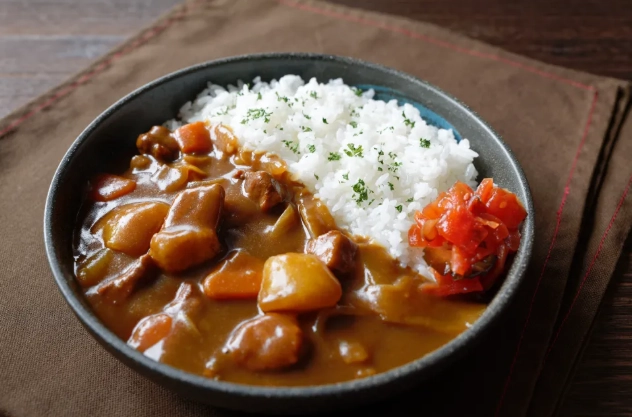
The flavor profile is mild and slightly sweet, leaning towards a family-friendly taste. That's its strength and its weakness. It's a perfect canvas. For beginners, it removes the intimidation of blending spices like cumin, coriander, and turmeric from scratch (a process detailed in resources from places like the Japanese Ministry of Agriculture, Forestry and Fisheries, which notes the history of curry's adaptation in Japan). For the experienced cook, its neutrality means you can push it in any direction.
Essential Ingredients for Golden Curry Success
You can't build a great dish with poor materials. Here’s your shopping list, with notes on why each item matters.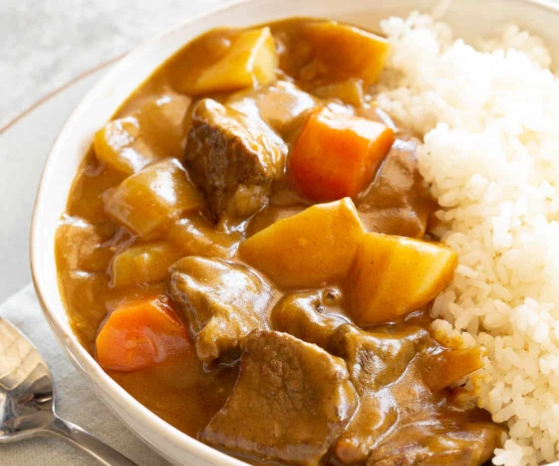
| Ingredient | Quantity (Serves 4) | The "Why" & Pro Tips |
|---|---|---|
| Protein (Choose one) | 500g (1.1 lbs) | Chicken thigh (boneless, skin-on for more flavor, skin removed if you prefer) is king—it stays juicy. Beef chuck or stew meat needs a longer braise. Pork shoulder is a fantastic, rich alternative. For a vegetarian curry, use hearty mushrooms like shiitake or king oyster. |
| Onions | 2 large (about 500g) | This is your flavor base. Don't skimp. Yellow or brown onions are best. Slicing them thinly is crucial for proper caramelization. |
| Carrots | 2 medium | Cut into rolling wedges (rangiri style) for even cooking and a nice presentation. They add sweetness. |
| Potatoes | 2-3 (waxy type) | Here's a big one: Use waxy potatoes like Yukon Gold or red potatoes. Starchy Russets will dissolve into mush. Cut them slightly larger than the carrots so they finish cooking at the same time. |
| Garlic & Ginger | 2 cloves garlic, 1-inch knob ginger | Freshly minced or grated. This is non-negotiable for aroma and depth. The pre-minced stuff in jars just won't give the same punch. |
| Cooking Oil | 1-2 tbsp | A neutral oil like vegetable or canola is fine. Some use butter or a butter/oil mix for extra richness. |
| Water/Broth | 750ml - 1 liter (3-4 cups) | Water works, but low-sodium chicken or vegetable broth is a massive upgrade. It adds a savory backbone the roux alone can't provide. |
| Golden Curry Roux | 1/2 to 1 whole box (per heat preference) | A full 8.4oz box of Medium Hot makes a robust, thick sauce. Start with 3/4 if you're unsure. Mild is very mild; Hot has a noticeable kick. |
| Secret Flavor Boosters (Optional) | - | We'll get to these later: soy sauce, ketchup, Worcestershire sauce, honey, apple, coffee. |
Step-by-Step: Cooking Your Golden Curry
This is the core method. Follow this, and you'll get a great curry. The magic happens in the steps that follow this section.
1. The Foundation: Browning and Sweating
Cut your protein into bite-sized pieces. Pat it dry—this is key for browning, not steaming. Heat oil in a heavy-bottomed pot or Dutch oven over medium-high heat. Brown the protein in batches if needed. Don't crowd the pan. Set it aside.
In the same pot, add the sliced onions. This is where patience pays off. Cook them over medium-low heat, stirring occasionally, for a good 15-20 minutes. You want them soft, golden, and sweet, not just translucent. Add the minced garlic and ginger for the last minute.
2. Building the Stew
Return the meat to the pot with the onions. Add the carrots and potatoes. Pour in enough broth or water to just barely cover the ingredients. Bring to a boil, then immediately reduce to a gentle simmer. Skim off any grayish scum that rises in the first few minutes—this makes for a cleaner-tasting sauce.
Cover and simmer until everything is tender. Chicken thighs take about 20 minutes. Beef chuck can take 1 to 1.5 hours. Potatoes should be fork-tender but not falling apart.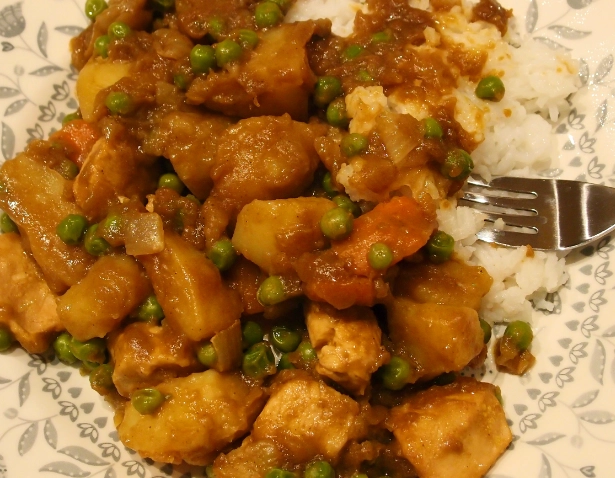
3. Incorporating the Golden Curry Roux
Turn off the heat. Break the curry roux blocks into small pieces and scatter them over the surface of the stew. Let them sit for a minute to soften. Then, stir gently but thoroughly until the roux is completely dissolved and the sauce is smooth.
Turn the heat back to low and simmer, uncovered, for another 5-10 minutes. This allows the sauce to thicken and the flavors to marry. The sauce will continue to thicken as it cools.
3 Common Golden Curry Mistakes (And How to Fix Them)
I've made these. You probably have too.
Mistake 1: The Watery Curry. You followed the box's water measurement, and it's soup. Fix: The box assumes you have zero liquid from vegetables or meat. Always use less liquid than instructed (start with 750ml for 4 servings). Let the curry simmer uncovered to reduce. If it's still thin, make a small slurry of 1 tbsp cornstarch and 2 tbsp cold water, stir it in, and simmer for 2 more minutes.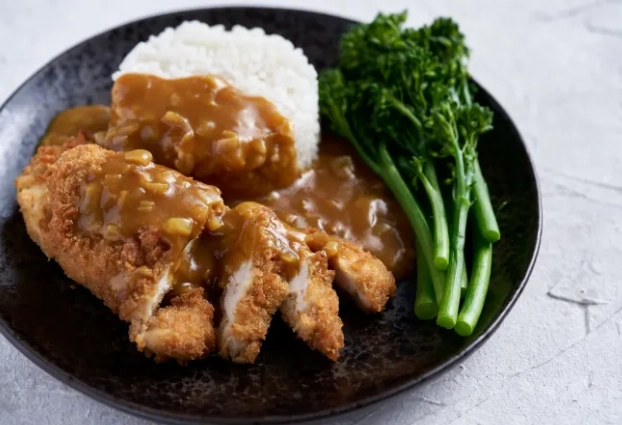
Mistake 2: The Bland Curry. It tastes one-dimensional, just salty-sweet. Fix: You skipped the flavor base. The onions weren't caramelized, or you used water instead of broth. Next time, build that base. For a quick rescue, add a splash of soy sauce (for umami), a teaspoon of Worcestershire sauce (for complexity), or a squeeze of ketchup (for tangy sweetness).
Mistake 3: The Mushy Vegetable Mess. The potatoes have vanished into the sauce. Fix: You used the wrong potato (starchy) and/or cut them too small. Use waxy potatoes and cut them large. Consider adding them halfway through the stewing process so they cook for less time.
How to Level Up Your Golden Curry Game
This is where you make it yours. After dissolving the roux, consider adding one or two of these:
- Soy Sauce (1 tbsp): The ultimate umami booster. It deepens the savory flavor without making it taste like soy sauce.
- Fruit Sweetness: Grate half an apple or a small pear into the stew when you add the broth. It dissolves completely, adding a subtle fruity sweetness that's traditional.
- Worcestershire Sauce or Tonkatsu Sauce (1 tbsp): Adds a tangy, spiced fruitiness that cuts through richness.
- A Spoonful of Instant Coffee: Sounds weird, but it works like in chili. It doesn't taste like coffee; it adds a roasted, bitter note that balances sweetness.
- A Square of Dark Chocolate: A classic hack. It adds richness and a slight bitter depth.
My personal non-negotiable? A tablespoon of Japanese mayonnaise (Kewpie) stirred in at the very end. It sounds insane, but it adds an incredible creaminess and a touch of tang and umami from the rice vinegar and MSG in the mayo. Try it once.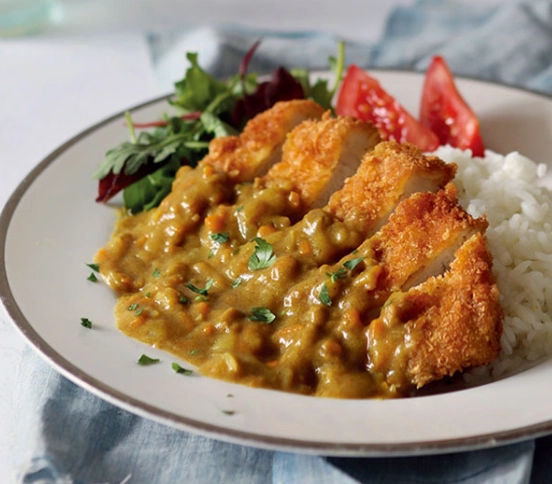
Golden Curry vs. Other Japanese Curry Roux Brands
Golden Curry isn't your only option. Here’s a quick comparison to help you choose.
| Brand | Flavor Profile | Best For | My Take |
|---|---|---|---|
| House Foods Golden Curry | Mild, slightly sweet, all-purpose. The "standard." | Beginners, families, a blank canvas for customization. | Reliable and consistent. It's my go-to for testing new add-ins. |
| S&B Vermont Curry | Noticeably sweeter, with honey and apple notes. | Those who prefer a sweeter curry, kids. | Too sweet for my taste on its own, but great if you're skipping extra sweeteners. |
| House Foods Java Curry | Spicier, more aromatic, with a stronger spice blend. | Anyone wanting a more complex, adult-oriented spice flavor. | Has more of a "kick" and depth. Less of a blank canvas, more of a statement. |
| Glico Curry Zeppin | Rich, savory, with a focus on umami and fruitiness. | Foodies looking for a more restaurant-style taste. | My favorite for eating straight. It's more balanced and complex out of the box. |
You can even mix brands! Half a block of Golden Curry with half a block of Java Curry makes a wonderful hybrid.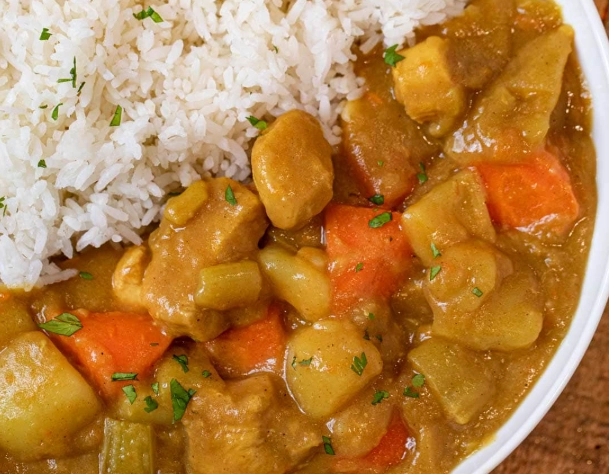
Your Golden Curry Questions, Answered
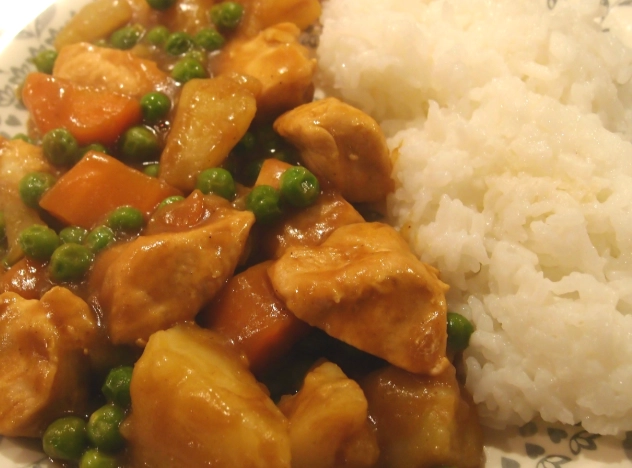
So there you have it. Golden Curry is more than a boxed mix—it's a gateway to one of the world's great comfort foods. Don't just make the recipe on the back. Use it as a foundation, play with the techniques and add-ins, and make it your own. The best Japanese curry recipe is the one you tweak until it's perfect for you. Now go grab a box and get cooking.
Reader Comments