Quick Navigation
- Let's Get Our Terms Straight: What Are We Even Talking About?
- The Core of the Battle: Breaking Down the Sauce & Seasoning
- Noodles, Toppings, and the Full Bowl Experience
- So, Which One Should YOU Choose? A Practical Guide
- Can You Make Them at Home? A Realistic DIY Approach
- Calories, Health, and Other Burning Questions
- Beyond the Basics: Regional Twists and Modern Takes
- The Final Verdict: Coating vs. Clinging
So you've fallen down the rabbit hole of Japanese noodles, past ramen and udon, and you've stumbled upon these two mysterious terms: aburasoba and mazesoba. They look similar in pictures—bowls of noodles without soup, topped with all sorts of goodness. Your Instagram feed might be full of them. But what's the real deal? Is it just a naming difference, or are we talking about two completely different culinary experiences?
Let me tell you, the confusion is real. I remember the first time I walked into a specialty shop in Tokyo. The menu had both, and my Japanese was, well, shaky at best. I pointed at random and ended up with a bowl that was delicious but not at all what I was expecting. That moment of tasty confusion sparked a years-long noodle quest.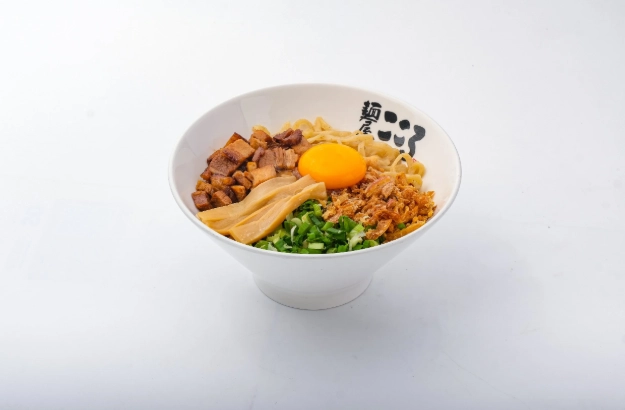
This isn't just academic foodie stuff. If you're ordering at a restaurant, you want to know what you're getting. If you're trying to make it at home (a fantastic lockdown project, by the way), you need to know which ingredients are non-negotiable. Getting it wrong means missing out on what makes each dish special.
And honestly, some online guides oversimplify it. They just say "one has broth, one doesn't." That's missing the point entirely. We're going deep today.
Let's Get Our Terms Straight: What Are We Even Talking About?
Mazesoba (混ぜそば), on the other hand, means "mixed noodles." The star here is a concentrated, often paste-like tare (seasoning sauce) placed at the bottom of the bowl. Think of a thick blend of soy sauce, vinegar, chili, ground meat, maybe some miso or nutty sesame paste. You don't just coat; you aggressively mix and mash until that paste clings to the noodles in delicious clumps.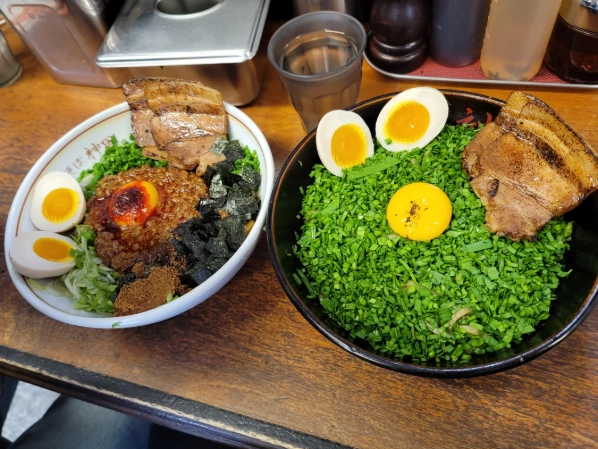
See the difference already? Coating vs. clinging.
Both are considered "dry" or "soupless" ramen derivatives, born from the creative minds of ramen chefs looking for new textures. They share a family tree but took very different paths. To get the official Japanese perspective on noodles and their classifications, resources from the Japanese Ministry of Agriculture, Forestry and Fisheries (MAFF) can be useful for understanding the cultural context, though they don't define these specific modern dishes.
The Core of the Battle: Breaking Down the Sauce & Seasoning
This is where the aburasoba vs mazesoba fight is won or lost. The liquid (or not-so-liquid) component defines the soul of the dish.
Aburasoba's Secret Weapon: The Aromatic Oil
For aburasoba, the oil isn't just canola oil. It's a crafted flavor bomb. Chefs might infuse chicken fat with garlic, ginger, and leeks. Or use a deeply roasted sesame oil blended with pork lard. Sometimes, they'll drizzle a bit of a concentrated soy-based sauce on top of the oil, but the oil is the primary vehicle.
The goal is slickness and aroma. When you mix it, the noodles get glossy and each bite is perfumed with that infused oil. It's rich but not heavy in a cloying way. There's a elegance to it. A bad aburasoba oil can be greasy and one-dimensional. A good one is complex and leaves you wanting more.
Mazesoba's Heart: The Flavor Paste (Tare)
Mazesoba throws elegance out the window and goes for bold, direct flavor. At the bottom of your bowl, you'll find a thick, dark, often meaty paste. This usually contains:
- Ground pork or minced meat, cooked down with seasonings.
- A double-strong hit of soy sauce and mirin.
- Vinegar for a sharp kick (this is a HUGE differentiator).
- Spices like chili bean paste (doubanjiang) or rayu (chili oil).
- Often, a nutty element like ground sesame or peanut.
You have to work for this one. Use your chopsticks to really dig in and mix for a good 30 seconds. The paste loosens up with the heat of the noodles and creates a sticky, clumpy, intensely flavorful coating. It's a more rustic, hands-on experience. The vinegar is key—it cuts the richness and makes it addictive.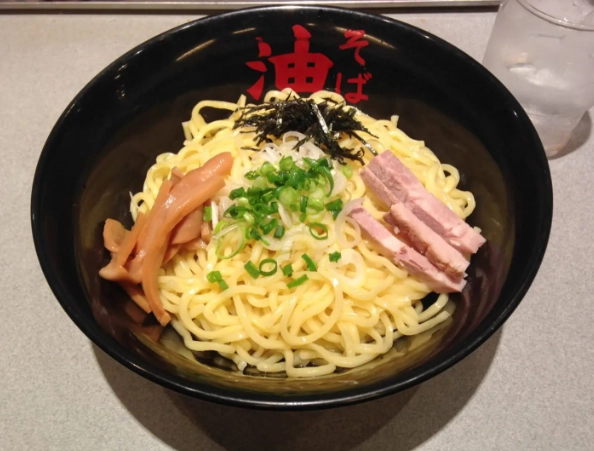
I find the mixing part weirdly satisfying. It's like you're finishing the dish yourself.
Noodles, Toppings, and the Full Bowl Experience
Okay, sauce is king, but the supporting cast matters too. The choice in noodles and toppings isn't random; it's designed to work with that sauce base.
| Feature | Aburasoba (Oil Noodles) | Mazesoba (Mixed Noodles) |
|---|---|---|
| Primary Noodle Type | Medium-thick, straight, firm wheat noodles. They need structure to hold the slick oil. | Often slightly thinner or curlier than aburasoba noodles. The texture helps the paste cling. |
| Classic Toppings | Thin chashu slices, menma (bamboo shoots), finely chopped negi (green onion), nori seaweed, a raw egg yolk (common). The egg yolk adds creaminess to the oil. | Chunkier ground meat, crisp lettuce or cabbage, corn, a poached or onsen egg, nori, negi. The veggies add fresh crunch against the paste. |
| Eating Technique | Gentle, thorough mixing to distribute oil. Eat relatively quickly before noodles stick. | Aggressive, thorough mixing to incorporate paste from the bottom. You can take your time. |
| Final Texture | Glossy, slick, each noodle separate. Cleaner mouthfeel. | Clumpy, sticky, saucy. Noodles clump together with bits of meat and paste. Messier, more robust. |
| Common Flavor Notes | Toasted sesame, garlic, savory fat, umami. Rich but balanced. | Meaty, tangy (from vinegar), spicy, nutty. Punchy and complex. |
See how it all ties together? The raw egg yolk in aburasoba makes sense—it emulsifies with the warm oil and noodles into a luxurious sauce. The vinegar in mazesoba makes sense—it cuts through the thick paste and ground meat.
One thing I dislike? Some cheaper places use low-quality, bland noodles for both. It's a tragedy. The noodle is half the dish! It should have a good chew (what the Japanese call "koshi").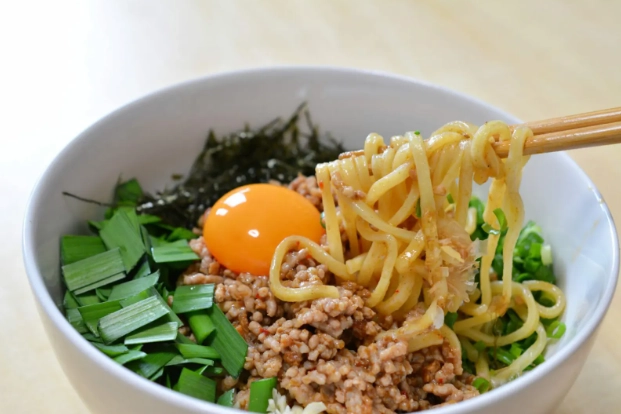
So, Which One Should YOU Choose? A Practical Guide
Staring at a menu? Here’s my brutally honest guide to picking between aburasoba vs mazesoba.
Feeling indecisive? My personal rule: if I'm really hungry and want something comforting and bold, I go mazesoba. If I want a more refined, savory treat, I go aburasoba. It's a mood thing.
Can You Make Them at Home? A Realistic DIY Approach
Absolutely. And it's easier than making full-blown ramen with broth. You can hack together something fantastic without professional equipment. Let's be clear, you won't replicate the best shop versions, but you can get 85% there, which is amazing for a weeknight meal.
Homemade Aburasoba Hack
- The Oil: Don't just use plain oil. Heat 3-4 tbsp of chicken fat or lard (or neutral oil) with 2 smashed garlic cloves, a few slices of ginger, and a spring onion until fragrant. Strain. This is your flavored oil base. Mix in 1 tbsp of toasted sesame oil at the end.
- The Sauce: In a separate small bowl, mix 1.5 tbsp soy sauce, 1 tbsp mirin, 1 tsp sugar, and a pinch of dashi powder (optional, but great).
- Assembly: Cook good quality ramen noodles (fresh or dry). Drain VERY well. Put the hot noodles in a bowl. Add the soy sauce mixture first and toss quickly. Then pour the warm flavored oil over and toss again until glossy. Top with chashu, green onion, nori, and a raw egg yolk in the center.
The key is adding the liquid sauce first so the noodles absorb it, then the oil seals it in. It works.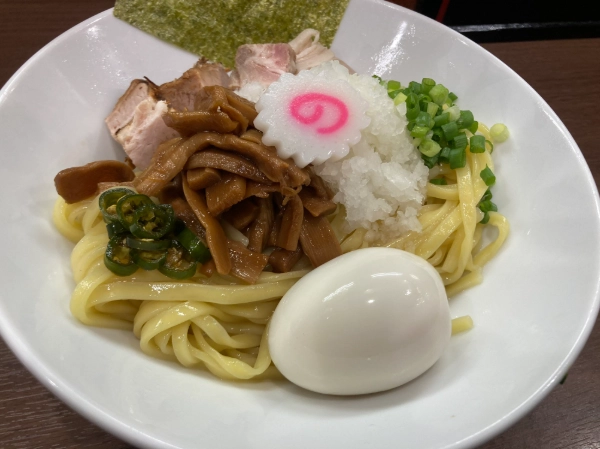
Homemade Mazesoba Hack
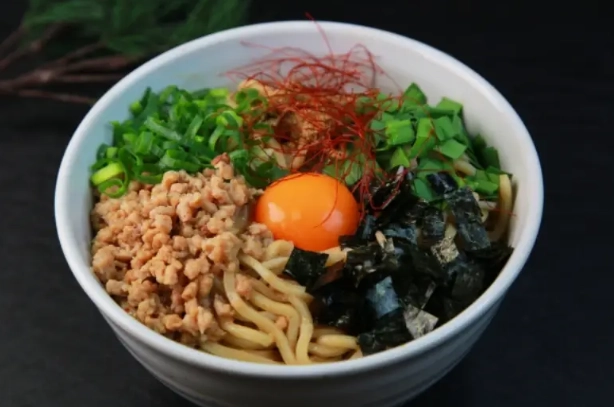
- The Meat Paste: In a pan, cook 100g of ground pork until browned. Add 1 minced garlic clove, 1 tsp grated ginger. Then add 1.5 tbsp soy sauce, 1 tbsp rice vinegar (CRUCIAL), 1/2 tbsp sugar, 1 tsp doubanjiang (chili bean paste), and 1 tbsp tahini (sesame paste). Cook until it forms a thick, pasty sauce. Add a splash of water if too dry.
- Assembly: Put this meat paste at the bottom of a deep bowl. Add cooked, well-drained noodles on top. Add toppings: shredded lettuce, corn, green onion, a soft-boiled egg (halved).
- The Mix: Here's the fun part. Dig in with chopsticks and mix for a solid minute until every noodle is coated in that sticky, meaty goodness.
I've messed this up before—not mixing enough. You end with a bland top layer and a salty bomb at the bottom. Mix like your dinner depends on it.
Calories, Health, and Other Burning Questions
Which has more calories, aburasoba or mazesoba?
It varies wildly by shop, but generally, a standard bowl of either ranges from 500 to 800 calories. Aburasoba's calories come mainly from the oil. Mazesoba's come from the ground meat paste and often added mayo or egg. They're not "light" meals, but they're incredibly satisfying. If you're worried, skip the extra fatty toppings or ask for less oil/paste on the side.
Can I make a vegetarian version of aburasoba or mazesoba?
Yes, but you have to get creative. For vegetarian aburasoba, use a fantastic infused oil (garlic, shiitake, chili) and a strong soy/seasoning sauce. Top with mushrooms and veggies. For vegetarian mazesoba, the challenge is the meat paste. You can make a killer paste with finely chopped mushrooms (shiitake or king oyster), walnuts, miso, soy sauce, and vinegar. It's different but deeply umami.
Why is there sometimes a bit of broth or water at the end?
Ah, the "soup-wari" (割り) tradition! Some shops, after you finish your noodles, offer a small pitcher of hot dashi broth or even just hot water. You pour it into the empty bowl, swirl it around to pick up the remaining sauce and bits, and drink it as a finishing soup. It's a fantastic way to end the meal and is common in both aburasoba and mazesoba shops. Don't miss it if it's offered.
Beyond the Basics: Regional Twists and Modern Takes
The aburasoba vs mazesoba scene isn't static. Chefs are always innovating. In Nagoya (a city famous for its unique food culture), you might find Taiwan Mazesoba, which is spicier and often includes a raw egg and cilantro. Some modern shops offer "tsukemen-style" aburasoba, where you dip cold noodles into a separate dish of concentrated oil and sauce. There are also fusion versions with Italian flavors (olive oil, cheese) or Korean flavors (gochujang-based paste).
To explore some of these modern interpretations and see how chefs are pushing boundaries, checking out features from reputable food publications like Serious Eats or Eater can provide great inspiration, though they may not always have articles specifically on these niche dishes.
My take? The classics are best for a reason, but a good spicy tantan-style mazesoba can be a revelation.
The Final Verdict: Coating vs. Clinging
So, after all this, what's the final word on aburasoba vs mazesoba?
They are distinct siblings. Aburasoba is the refined one, where technique and infused oils create a glossy, aromatic, sleek dish. It's about coating. Mazesoba is the bold, rustic one, where a hearty paste demands to be mixed in, creating a sticky, tangy, clumpy delight. It's about clinging.
You don't have to pick a forever favorite. The beauty is in having the choice. Craving something slick and rich? Aburasoba. Need a flavor bomb with texture? Mazesoba.
The best way to settle the debate for yourself is to try them side-by-side if you can. Find a specialty shop that serves both. Order one, then go back next week for the other. Pay attention to the sauce, the texture, the aftertaste.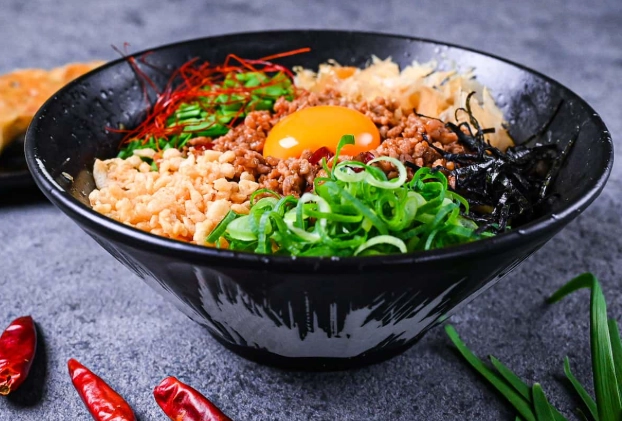
And if you're making it at home, don't stress about perfection. Play with the oil infusions or the meat paste ingredients. Make it your own. That's how these dishes were born in the first place—through experimentation. Now you're not just eating noodles; you're part of the tradition.
Just promise me you'll mix your mazesoba properly. For your own sake.
Reader Comments