Let's be honest. For a long time, I thought tofu was boring. A spongy, flavorless health food you tolerated. Then I spent a summer in Kyoto, and my entire perspective flipped. I watched a chef at a small ryotei (traditional restaurant) transform a block of silken tofu into a dish so delicate and savory it felt like eating a cloud infused with the essence of the sea. That's the magic of Japanese tofu cuisine. It's not about the tofu itself, but what you do with it—how you treat its texture, pair it with umami-rich companions, and respect its simplicity.
This guide cuts through the generic lists. We're going deep into the practical how-to and the where-to-find-it. You'll learn the crucial differences between tofu types that make or break a recipe, master a few foundational dishes that will impress anyone, and get a curated list of Tokyo restaurants where tofu is the star, not an afterthought. Forget the bland stereotypes. Let's cook and eat.
What's Inside This Guide
Know Your Tofu: A Quick Survival Guide
Using the wrong tofu is the fastest way to ruin a dish. Momen for miso soup? It'll be tough. Kinugoshi for stir-fry? It'll disintegrate into mush. Japanese cooking categorizes tofu primarily by water content and texture.
| Type (Japanese Name) | Texture & Water Content | Best Used For | What It's Like |
|---|---|---|---|
| Kinugoshi (Silken) | Very high water content, custard-like, delicate | Hiyayakko (chilled tofu), soups, dressings, desserts | Think savory panna cotta or fine yogurt. |
| Momen (Firm/Cotton) | Lower water content, porous, sturdy | Agedashi dofu, stir-fries (yaki dofu), simmered dishes | Holds its shape. The "workhorse" tofu. |
| Yaki Dofu (Grilled) | Momen tofu that's been grilled, even firmer | Hot pots (nabe), miso soup, dishes needing extra chew | Has a browned, slightly smoky skin. Won't fall apart. |
| Aburaage (Thin Fried Pouches) | Deep-fried thin slices of tofu | Inari sushi, kitsune udon, as a pouch for stuffing | Sweet, slightly oily, absorbs flavors like a sponge. |
A quick tip from my own kitchen fails: if a recipe just says "tofu," it almost always means momen (firm tofu). When in doubt, go firm.
5 Essential Japanese Tofu Dishes to Master at Home
You don't need fancy skills. These dishes rely on technique and quality toppings.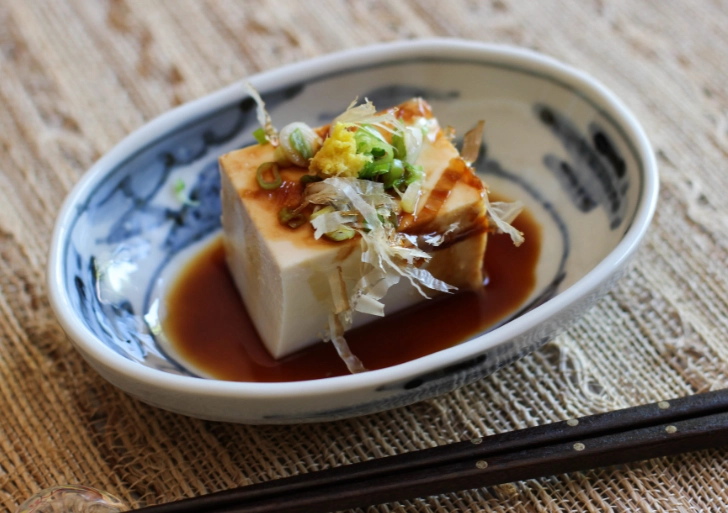
1. Hiyayakko (Chilled Tofu)
This is the ultimate 2-minute dish that tests ingredient quality. Use the best silken tofu (kinugoshi) you can find. Drain it gently, place it cold on a plate. The toppings are key: a drizzle of good soy sauce, a mound of freshly grated ginger, a sprinkle of katsuobushi (bonito flakes), and a finely chopped green onion. The magic is in the contrast: cold, creamy tofu against the sharp, salty, umami toppings. It's a summer staple.
2. Agedashi Dofu (Deep-Fried Tofu in Broth)
The goal here is a crispy exterior that soaks up a savory dashi broth without getting soggy. The secret is double-dredging. Pat firm tofu (momen) extremely dry, cut into cubes. Coat lightly in potato starch (cornstarch works in a pinch), let it sit for a minute, then coat again just before frying at 170°C (340°F). This creates a durable crust. Serve immediately in a small bowl with hot dashi broth, grated daikon, ginger, and green onion.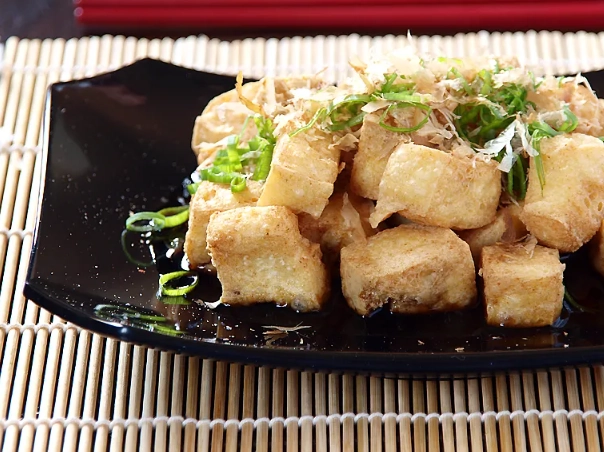
3. Mabo Dofu (Japanese-style Mapo Tofu)
Yes, it's Chinese-inspired, but the Japanese version is milder, sweeter, and often contains more tofu. Use soft momen or kinugoshi. The trick is to add the tofu at the very end, gently folding it into the pork and bean sauce mixture to keep it from breaking. Serve over rice. It's comfort food perfection.
Personal Note: I learned the hard way that adding tofu too early to Mabo Dofu turns it into a grainy, scrambled mess. Patience is key. Let the sauce simmer, then turn off the heat before gently adding the tofu cubes to warm through.
4. Tofu No Misoshiru (Tofu Miso Soup)
Beyond the standard wakame and tofu soup. Use yaki dofu (grilled tofu) cubes. They hold their shape beautifully and add a deeper flavor. Dissolve miso paste in a ladle with some hot dashi before adding to the pot to keep it smooth. Add the tofu at the last second just to heat through.
5. Dengaku (Tofu & Vegetable Miso Grill)
This is a fun one. Take firm tofu (momen), cut into thick rectangles, pat dry, and pan-fry or broil until lightly golden. Slather one side with a sweet-savory dengaku miso paste (mix miso, mirin, sugar, and a little sake). Broil again until the miso bubbles and caramelizes. It's sticky, sweet, salty, and utterly addictive.
Where to Eat Amazing Tofu in Tokyo (A Realistic Shortlist)
You can find tofu everywhere, but these places make it a centerpiece. I've focused on spots that are accessible and deliver a memorable experience.
1. Tofuya Ukai (Atago, Minato)
This is the legendary, splurge-worthy experience. Set in a stunning traditional Japanese garden at the foot of Atago Hill, it feels a world away from Tokyo. They serve a multi-course kaiseki where tofu is prepared in myriad ways: freshly made yuba (tofu skin), silken tofu in hot pots, grilled dengaku. It's not cheap (dinner courses start around 12,000 JPY), but for a special occasion, it defines tofu cuisine. Reserve weeks in advance.
- Address: 2-3-1 Atago, Minato-ku, Tokyo
- Highlight: The atmosphere and the yuba. The yuba, skimmed fresh from soy milk, is unreal.
2. Sasanoyuki (Asakusa, Taito)
An institution since 1885. This is a more affordable, specialized tofu restaurant. Their set meals let you try tofu prepared in different styles—fried, steamed, in soup, as dessert. The Gomadofu (sesame tofu, which contains no soy but has a similar texture) is a must-try. It's creamy, nutty, and served with wasabi and soy sauce. A unique texture experience.
- Address: 2-15-10 Negishi, Taito-ku, Tokyo
- Highlight: The variety and the historical vibe. Lunch sets are great value (around 2,500-4,000 JPY).
3. Konakara (Shimokitazawa, Setagaya)
For a modern, casual twist. This tiny, standing-only bar specializes in agedashi dofu. They serve one thing, and they do it exceptionally well. The tofu is crispy on the outside, piping hot and soft inside, sitting in a perfectly balanced dashi. It's the ideal late-night snack or quick bite while exploring trendy Shimokitazawa. Under 500 JPY.
- Address: 2-26-14 Kitazawa, Setagaya-ku, Tokyo (in the "Daikan Yokocho" alley)
- Highlight: The focused perfection of their agedashi and the lively local atmosphere.
The One Tofu Mistake Almost Everyone Makes
It's not pressing or seasoning. It's not treating tofu as its own ingredient with a purpose.
People often use tofu as a passive protein sponge, dumping it into a sauce and hoping it soaks up flavor. In Japanese cooking, tofu's texture and mildness are active components. In hiyayakko, its cold creaminess is the canvas. In agedashi, the crispy shell is the textural hero. In a hot pot, yaki dofu's chewiness provides substance.
Think about what you want the tofu to do in the dish. Provide creamy contrast? Use silken. Provide a meaty bite that holds sauce? Use firm, and maybe pan-fry it first. Once you match the type to the role, everything clicks.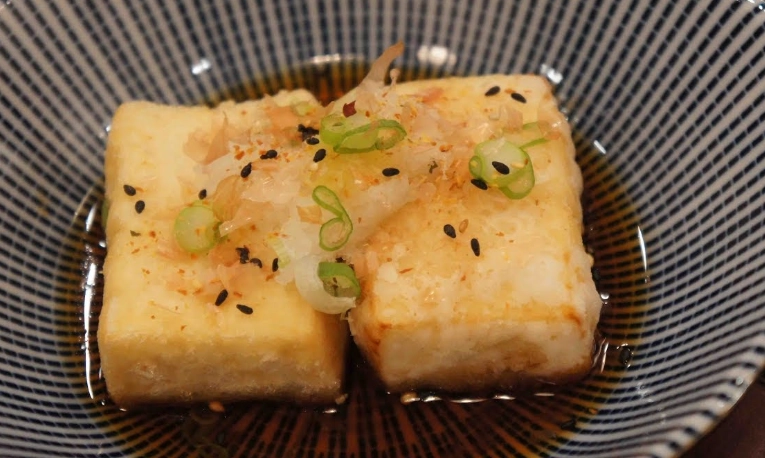
Reader Comments