You see it on every sushi menu, tucked between the spicy tuna and the California roll: the oshinko roll. It's often the first vegetarian option listed, and honestly, it gets overlooked. People think it's just pickled radish in rice. But that's like saying a croissant is just bread. There's a whole world of crisp, tangy, refreshing flavor packed into that roll, and knowing how to spot a great one—or make your own—can completely change your sushi game.
I spent years working behind a sushi bar in San Francisco, and the oshinko roll was our secret weapon for pleasing picky eaters, vegetarians, and anyone who needed a palate cleanser between richer pieces of fish. Most guides online tell you the basics. I'm here to tell you the stuff that matters: where the crunch really comes from, why most home cooks mess up the rice-to-filling ratio, and where you can find mind-blowing versions in major U.S. cities without paying omakase prices.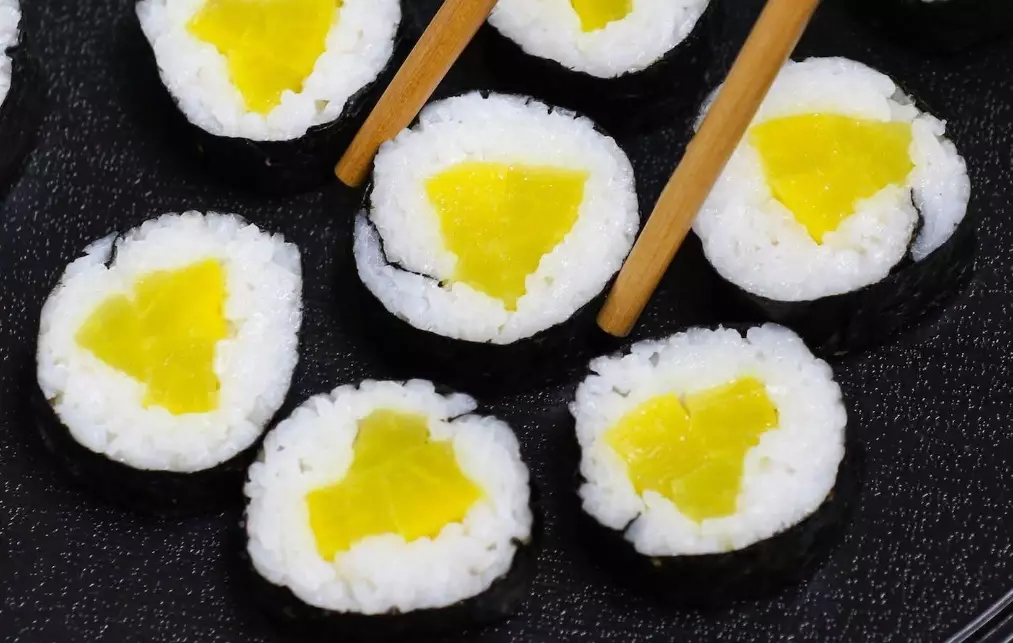
What's Inside This Oshinko Roll Guide?
- What Exactly Is an Oshinko Roll? (It's Not Just "Pickled Radish")
- Where to Find the Best Oshinko Roll: A Curated U.S. List
- How to Make Oshinko Roll at Home: A Sushi Chef's Method
- Oshinko Roll Variations You Need to Try
- How to Eat and Pair Your Oshinko Roll Like a Pro
- Your Oshinko Questions, Answered by a Sushi Vet
What Exactly Is an Oshinko Roll? (It's Not Just "Pickled Radish")
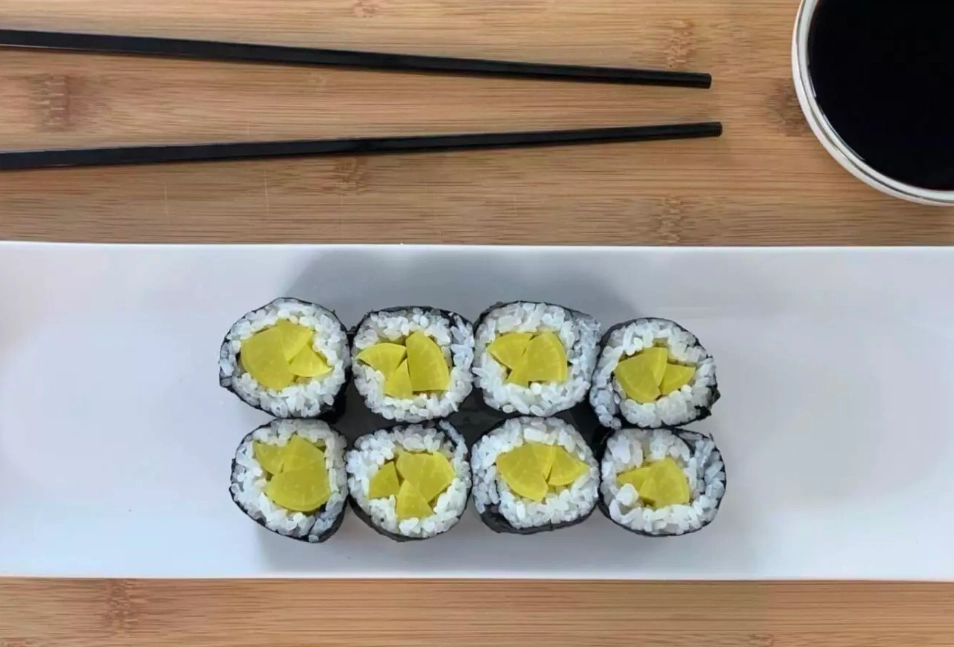
Let's clear this up first. Oshinko (お新香) is the Japanese term for a variety of pickled vegetables. The star of our roll is takuan, the bright yellow pickled daikon radish. It's not just soaked in vinegar. Traditional takuan is fermented with rice bran (nuka), salt, and sometimes kombu and sugar, which gives it a complex sweet-sour-salty flavor and that signature crunchy-yet-tender texture.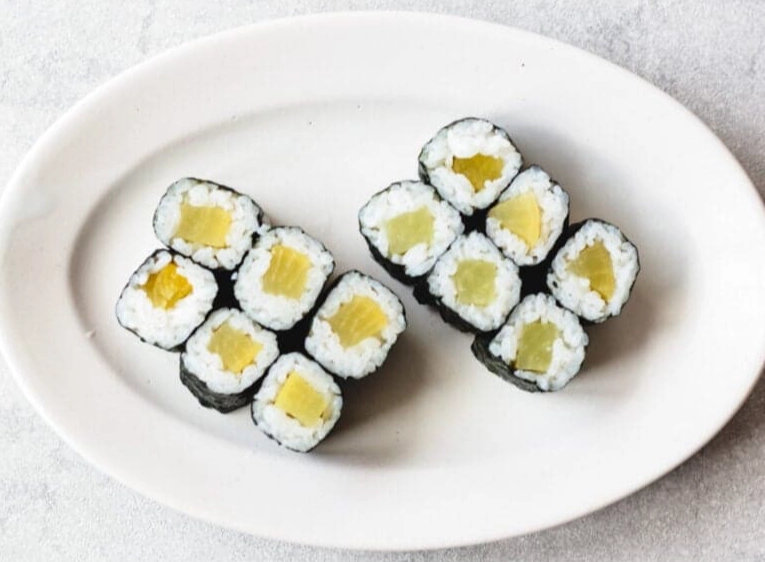
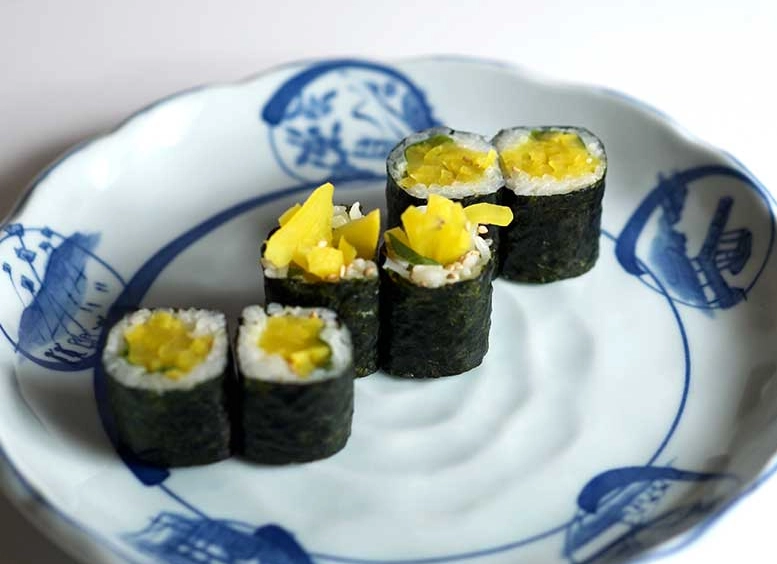
The roll itself is a makizushi—seaweed on the outside, sushi rice and filling on the inside. A proper oshinko roll is simplicity defined: seasoned sushi rice, strips of takuan, all wrapped in a sheet of nori. Sometimes a dash of sesame seeds is added. That's it. No mayo, no avocado (unless it's a fusion style), no hidden fish.
The Texture Secret: The quality of the takuan makes or breaks the roll. Mass-produced, overly soft takuan turns the roll mushy. You want a brand or a homemade batch that retains a firm, audible crunch. I've found that takuan from Japanese markets like Mitsuwa or Nijiya tends to be far superior to the generic stuff in the international aisle of big supermarkets.
Where to Find the Best Oshinko Roll: A Curated U.S. List
Not all oshinko rolls are created equal. The difference lies in the rice seasoning, the quality of the takuan, and the chef's touch. Here are a few spots across the country where the humble oshinko roll is treated with respect. I've eaten at all of these, and these notes are from my own experience.
| Restaurant / City | Address & Key Details | The Oshinko Roll Experience | Price Point & Tips |
|---|---|---|---|
| Sushi Yasuda (New York, NY) | 204 E 43rd St. Legendary for precision. Reservations essential. | Their oshinko is a masterclass in balance. The takuan is house-pickled with a subtle sweetness, and the rice has the perfect vinegar tension. It's often part of their vegetarian sushi platter. | $$$$ (High-end). Not a budget bite, but worth it for the benchmark. Ask for it à la carte. |
| Sugarfish by Nozawa (Los Angeles, CA) | Multiple locations. The "Trust Me" set menu is iconic. | Their roll is tighter and more compact than most. The takuan is very crisp, providing a fantastic textural contrast in their progression of flavors. It's a scheduled pause in the meal. | $$$ (Mid-high). Included in their set menus. Walk-ins welcome, but expect a wait. |
| Momo Sushi Shack (Brooklyn, NY) | 43 Bogart St. A cozy, innovative spot in Bushwick. | They offer a creative twist: the Spicy Oshinko Roll. It adds a layer of spicy mayo and sometimes cucumber, which purists might scoff at, but it's delicious and adds richness. | $$ (Moderate). Great for a casual, modern take. Open for dinner daily. |
| Uwajimaya (Food Court) (Seattle, WA) | 600 5th Ave S. A massive Asian grocery store with a food court. | The sushi counter here makes surprisingly authentic and affordable rolls. Their oshinko roll is straightforward, fresh, and uses good quality takuan. It's the perfect grab-and-go option. | $ (Budget). Under $5 for a roll. Ideal for a quick, authentic fix without restaurant markup. |
A quick tip: At a high-end sushi bar, don't be shy about ordering just an oshinko roll. It shows you appreciate the fundamentals.
How to Make Oshinko Roll at Home: A Sushi Chef's Method
Making sushi at home is fun, and the oshinko roll is the perfect beginner project because you don't have to handle raw fish. Most tutorials get the steps right but miss the critical nuances.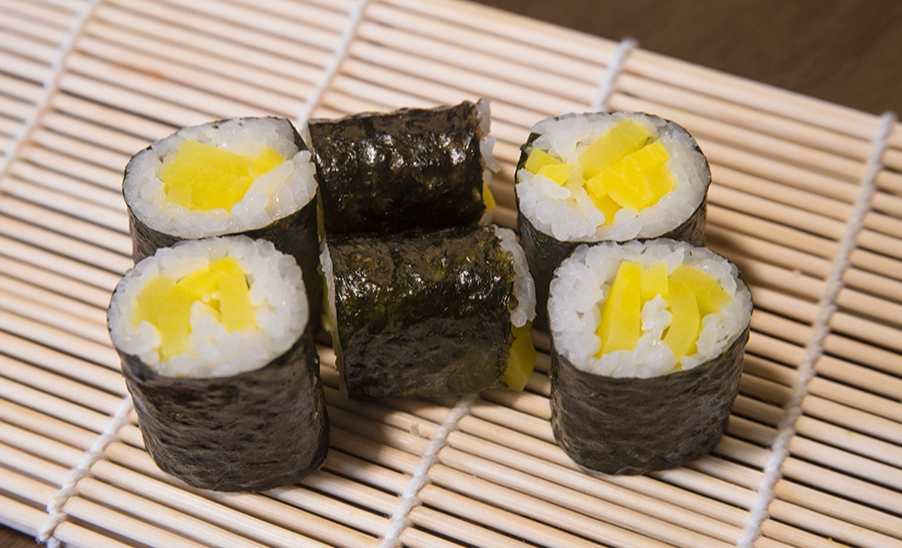
Gathering Your Tools and Ingredients
You need a bamboo rolling mat (makisu), plastic wrap to cover it (this keeps rice from sticking), a very sharp knife, and a bowl of water with a bit of vinegar for your hands.
Ingredients:
- Sushi Rice: 2 cups short-grain Japanese rice (like Koshihikari), cooked and seasoned with a mix of rice vinegar, sugar, and salt. Japanese Cooking 101 has a reliable ratio.
- Takuan (Oshinko): 1 whole stick, about 8 inches long. Get it from a Japanese grocery store.
- Nori: 3-4 full sheets, toasted.
- Optional: Toasted white sesame seeds.
The Step-by-Step Process Most Guides Get Wrong
1. Prep the Takuan Correctly: Don't just cut it into fat sticks. Cut it into julienne strips, about 1/4-inch thick. This creates more surface area for crunch in every bite and makes rolling easier. If the takuan is very wet, pat it dry with a paper towel.
2. Rice Distribution is Key: Spread a thin, even layer of rice over the nori, leaving a 1-inch border at the top. The biggest mistake is using too much rice. You should almost see the nori through the rice. Press gently; don't smash the grains.
3. The Fill and Roll: Place your takuan strips in a line across the rice, about one-third from the bottom edge. Add a sprinkle of sesame seeds if using. Now, using your thumbs to lift the mat, roll the nori over the filling tightly. Apply even pressure forward, not downward, as you complete the roll. The mat should form a square or hexagonal shape, not a circle, for a tight roll.
4. The Critical Rest and Cut: Let the roll sit, seam-side down, for 2-3 minutes. This lets the nori soften slightly from the rice's moisture, preventing it from cracking when you cut. Wipe your knife with a damp cloth between every single cut. Use a gentle sawing motion. Don't press straight down.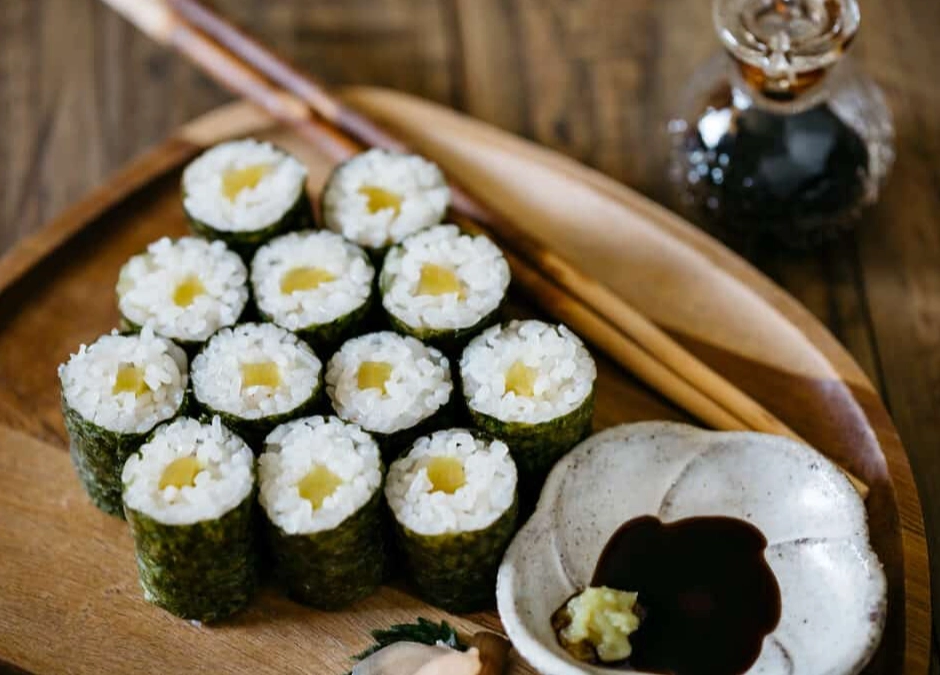
Oshinko Roll Variations You Need to Try
The classic is perfect, but sometimes you want to mix it up. Here are a few common and delicious variations.
| Variation Name | Added Ingredients | Flavor & Texture Profile | Best For |
|---|---|---|---|
| Kappa Oshinko Roll | Fresh cucumber strips | Doubles down on freshness and crunch. The cucumber adds a cool, watery element. | A lighter, more hydrating option. Great in summer. |
| Oshinko Avocado Roll | Ripe avocado slices | Creamy avocado mellows the tang of the takuan. Creates a richer, more filling roll. | People who find the classic too sharp or simple. |
| Uramaki (Inside-Out) Oshinko | Rice on the outside, often rolled in sesame seeds or tobiko. | Less nori flavor, more focus on the rice and filling. The exterior seeds add nuttiness. | Those who dislike the taste/texture of nori. |
| Spicy Oshinko Roll | Spicy mayo (sriracha + mayo) | Adds a creamy, spicy kick that complements the pickle's acidity. A modern American twist. | When you want something bolder and more indulgent. |
How to Eat and Pair Your Oshinko Roll Like a Pro
Dunking an oshinko roll in a bowl of soy sauce is a common mistake. The takuan is already salty. Instead, try it with just a tiny dab of soy sauce on the fish-side (if eating nigiri-style pieces), or even none at all. A bit of pickled ginger between bites works wonders to reset your palate.
Drink Pairings:
- Green Tea (Sencha or Genmaicha): The classic. The tea's slight bitterness and umami clean the palate.
- Dry Sake (Junmai or Junmai Ginjo): A crisp, dry sake can mirror the roll's acidity and refresh the mouth.
- Light Lager or Pilsner: The carbonation cuts through the tang and rice, making for a very refreshing combo.

Your Oshinko Questions, Answered by a Sushi Vet
 Can I substitute the yellow takuan with another pickle?
 The oshinko roll is a testament to the beauty of simplicity in Japanese cuisine. It's not trying to be the star of the show, but it plays a crucial supporting role—cleansing, refreshing, and satisfying in its own right. Next time you see it on a menu, give it a try with a new perspective. Or better yet, grab some takuan and make your own. You might just find your new favorite sushi.
Reader Comments