Your Ramen Roadmap
Let's talk about ramen. Not just the instant kind you survive on in college (we've all been there), but the real, soul-warming, complex bowl of joy you get at a good shop. What makes it so good? It's not magic, I promise. It's a careful, sometimes obsessive, combination of specific ramen noodles ingredients. And once you know what they are and how they work, your whole perspective changes. You stop just eating and start tasting.
I remember my first attempt at homemade ramen. It was... a salty, murky disaster. The broth was weak, the noodles were mush, and the egg was a rubbery tragedy. The problem? I had no clue about the fundamentals. I just threw things in a pot. That failure sent me down a rabbit hole, talking to chefs, reading way too much, and burning more than a few pots of broth. So consider this your shortcut. We're going to break down every component, from the liquid soul of the dish to the final flourish on top.
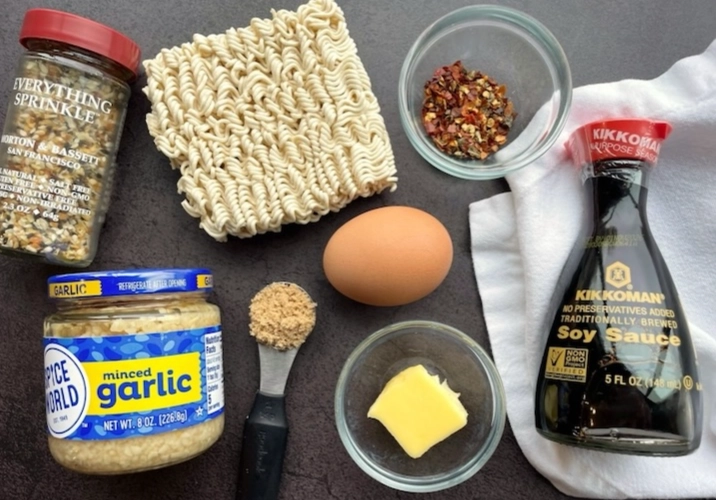
The Foundation: It All Starts With The Broth
Ask any ramen chef, and they'll tell you the broth is everything. It's the soul, the base, the reason you feel so comforted after a bowl. The world of ramen broth is built on a few key pillars, and the magic happens in the combination and preparation of these core ramen noodles ingredients.
The Big Four Broth Types
Most broths fall into one of these categories, defined by their main protein source. The choice here dictates the entire personality of your bowl.
| Broth Type | Main Ingredient | Flavor Profile & Texture | Color | Best For |
|---|---|---|---|---|
| Tonkotsu | Pork Bones (feet, trotters, skulls) | Incredibly rich, creamy, milky-white, deeply savory (umami), fatty mouthfeel. | Cloudy white | Those who love a hearty, indulgent, stick-to-your-ribs meal. |
| Shoyu | Chicken & Pork (or just Chicken) | Clear, light to medium body, savory and salty with a distinct soy sauce tang. The classic. | Amber-brown |
Getting that perfect tonkotsu creaminess isn't easy. You need to boil those pork bones hard and long—we're talking 12 to 18 hours. The first time I tried, I gave up after 8 hours. The broth was just... sad and grey. The key is the relentless rolling boil that emulsifies the fat, marrow, and collagen into the water. It's a commitment.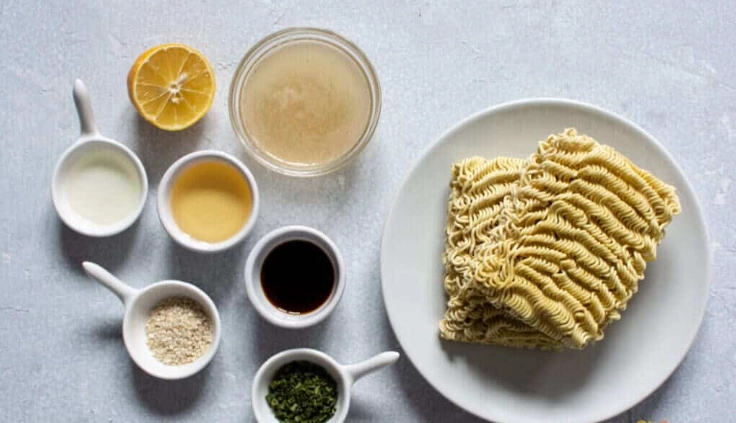
The Aromatics & The Umami Bomb
A plain bone broth is just a start. The depth comes from what you add to it. This is where you build layers of flavor.
- Aromatics (Soffritto of the East): Onions, garlic, ginger, green onions (the white parts), and sometimes apples or mushrooms are charred or sautéed before being added to the broth. This caramelization adds a foundational sweetness and complexity. I never skip the ginger—it gives a clean, bright note that cuts through the fat.
- Umami Powerhouses: This is the secret weapon. Dried shiitake mushrooms, kombu (kelp), niboshi (small dried sardines), or katsuobushi (bonito flakes) are steeped in the broth. They don't cook for hours; they're added later to infuse without turning bitter. A piece of kombu can transform a simple chicken broth into something profoundly savory. The Japanese Ministry of Agriculture, Forestry and Fisheries has some great info on traditional Japanese food ingredients like these, which is worth a look for sourcing.
Honestly, the kombu step feels like cheating. You drop this weird-looking dried seaweed in warm water, and 30 minutes later, you've got liquid umami. It's that effective.
The Heart of the Matter: Ramen Noodles Themselves
Okay, let's get to the namesake. What makes ramen noodles different from Italian pasta or udon? It's all in the ingredients and the texture they create. The right noodles are chewy, springy, and able to stand up to the hot broth without dissolving into paste.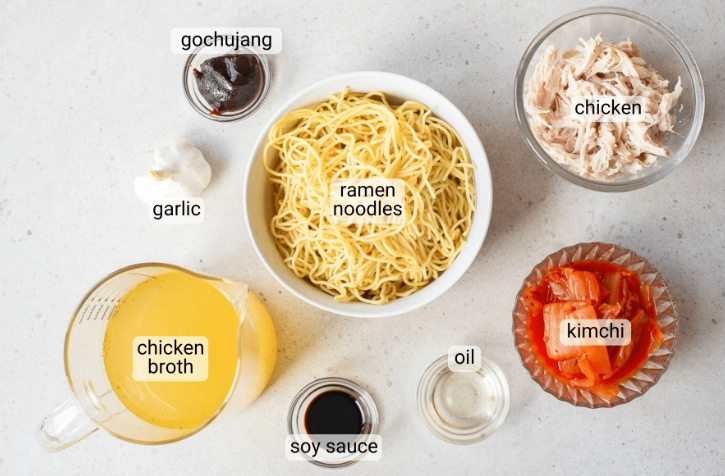
The Core Noodle Ingredients
At its simplest, ramen noodle dough has four key components. Changing their ratios is how different styles are born.
- Wheat Flour: Not just any flour. Most ramen shops use a high-protein bread flour or a specific Japanese noodle flour. The protein (gluten) is what gives the noodle its strength and chew. All-purpose flour can work in a pinch at home, but the texture will be softer, less elastic.
- Water: The hydration level affects hardness. Less water makes a stiffer, denser dough.
- Kansui: This is the magic ingredient. Kansui is an alkaline mineral water (containing potassium carbonate and sodium carbonate) that changes everything. It gives ramen noodles their distinctive yellow hue, their firm, springy texture (by tightening the gluten), and that slightly slippery, alkaline flavor. No kansui, and you basically have Chinese egg noodles. You can find bottled kansui or use baked baking soda as a substitute (spread baking soda on a tray and bake at 250°F for an hour). I've tried the baked baking soda trick, and while it works, the bottled stuff gives a more consistent result.
- Salt: For flavor and to further strengthen the gluten network.
Some recipes include eggs for richness and color, but it's not a universal rule. The alkaline salts in kansui are really the non-negotiable part of authentic ramen noodles ingredients.
Noodle Shapes and Thickness
This isn't just about looks. The shape dictates how the noodle interacts with the broth.
- Thin, Straight Noodles: Common in lighter broths like shoyu or shio. They cook fast and offer a delicate mouthfeel.
- Medium, Wavy Noodles: The all-rounders. The waves help them grab onto thicker, creamier broths like tonkotsu. This is my personal favorite for home cooking—versatile and satisfying.
- Thick, Straight Noodles: Hearty and chewy, made for rich broths. They take longer to cook and provide a substantial bite.
Ever wondered why instant ramen noodles are always so wavy? It's a genius design. The waves increase surface area, helping the noodles rehydrate faster in hot water and hold onto the powdered soup mix better. See? Even instant ramen has smart ramen noodles ingredients engineering.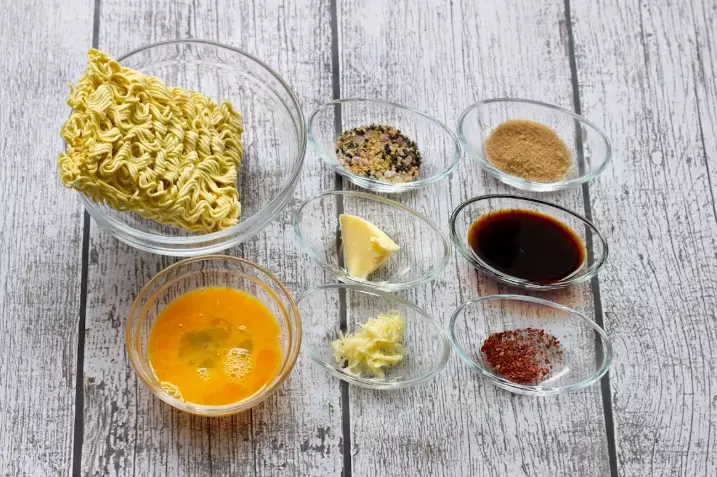
The Flavor Catalyst: Tare and Aroma Oils
Here's a pro secret: the broth itself is often not that salty. The intense, focused flavor comes from the tare (pronounced tah-reh). Think of tare as the concentrated seasoning paste or liquid added to the bottom of the bowl before the broth. It's the flavor commander.
Types of Tare
The three main types of tare give us the three other major ramen classifications.
| Tare Type | Base Ingredient | Resulting Ramen Style | Character |
|---|---|---|---|
| Shoyu Tare | Soy Sauce (often multiple kinds, simmered with mirin, sake, aromatics) | Shoyu Ramen | Savory, complex, slightly sweet and tangy. The most common. |
| Shio Tare | Salt (sea salt, rock salt) blended with seafood or chicken extracts | Shio Ramen | The lightest and clearest, allowing the pure broth flavor to shine. Delicate but not bland. |
| Miso Tare | Fermented soybean paste (miso), blended with sake, mirin, garlic, etc. | Miso Ramen | Rich, earthy, robust, and slightly sweet. Often paired with richer broths and butter. |
Making a good shoyu tare is a project. You simmer soy sauce, mirin, sake, sugar, vegetables, and sometimes dried fish for hours until it reduces to a potent, syrupy liquid. A little goes a very long way. My early mistake was using it like regular soy sauce. One tablespoon per bowl is usually plenty.
The Finishing Touch: Aroma Oil (Abura)
This is the final layer of flavor and richness. A spoonful of fragrant oil floated on top of the broth does two things: it adds a burst of aroma right under your nose as you eat, and it seals in the heat of the broth. Different oils create different profiles:
- Rendered Pork Fat (Lard): Classic for tonkotsu. Pure, unadulterated porky goodness.
- Chicken Fat (Schmaltz): Lighter but incredibly flavorful. Great for chicken-based broths.
- Toasted Sesame Oil or Chili Oil: Adds a nutty or spicy kick. I almost always add a few drops of chili oil to my bowl for that warmth.
- Garlic or Scallion-Infused Oil: Easy to make at home and adds a beautiful aromatic layer.
Don't skip the oil. It's not just grease; it's a carrier for aroma. A bowl without it can taste one-dimensional.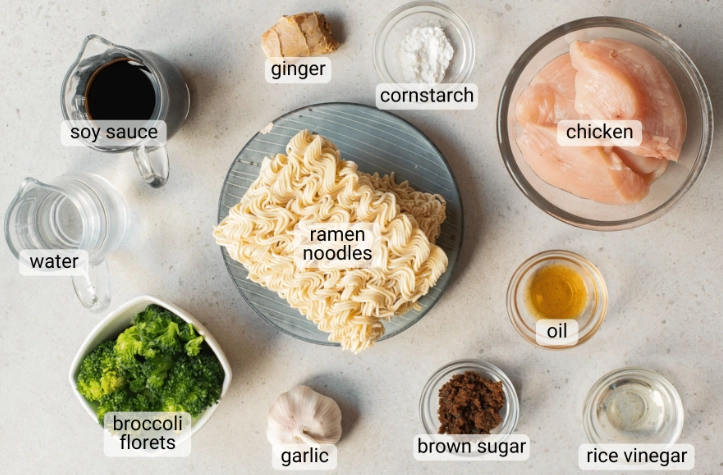
The Symphony on Top: Toppings & Garnishes
This is the fun part. Toppings add texture, color, temperature contrast, and bursts of flavor. They're not just decoration; they're integral to the experience. A bowl with only noodles and broth feels... naked.
The Essential Toppings (The Holy Trinity)
- Chashu (Braised Pork Belly or Shoulder): The king of toppings. It's slowly braised until melt-in-your-mouth tender, often in a mix of soy, sake, sugar, and mirin. Sliced thin and sometimes lightly torched before serving. Making chashu at home is easier than you think—it's basically a pot roast with Japanese flavors. The fat is the point, not a flaw.
- Ajitsuke Tamago (Marinated Soft-Boiled Egg): A perfect ramen egg is a thing of beauty. The yolk is custardy, jammy, and slightly sweet from a soy-based marinade. The key is a precise 6.5-minute boil, an ice bath, and marinating for at least 4 hours (overnight is best). I've messed up the timing so many times, ending up with either a hard yolk or an undercooked white. A timer is essential.
- Menma (Fermented Bamboo Shoots): These lacto-fermented bamboo shoots add a unique crunchy texture and a funky, savory flavor that cuts through richness. You can buy them prepared in packs.
The Supporting Cast
These round out the bowl and let you customize.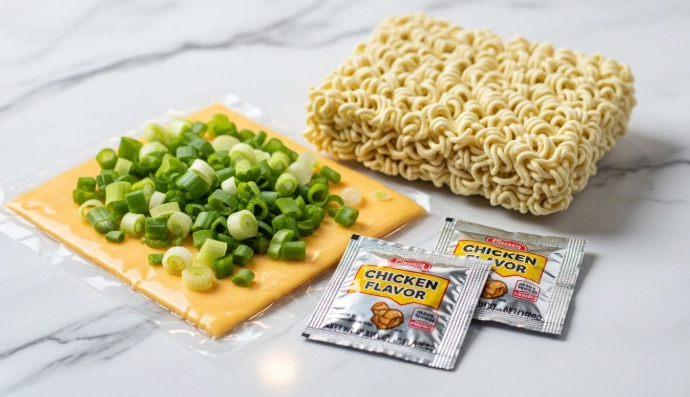
- Nori (Dried Seaweed Sheet): A rectangle perched on the side. It adds a taste of the sea and a different, papery-chewy texture. It also gets slightly soft from the broth, which is lovely.
- Green Onions (Negi): Thinly sliced, they provide a necessary fresh, sharp bite. Use both the green and white parts.
- Bean Sprouts or Spinach: For a bit of vegetal crunch and color.
- Narutomaki (Fish Cake): That pink-swirled white slice. It's mild, bouncy, and traditional.
- Corn or Butter: Common in Hokkaido-style miso ramen. The sweetness of corn and the richness of butter work surprisingly well.
- Fresh Garlic or Ginger: Served with a press so you can add a punch to your liking.
Is there a "right" way to arrange toppings? Some chefs are artists. For home, I just make sure every component is visible and accessible. You want a bit of everything in one bite.
Bringing It All Home: Your Practical Guide
Feeling overwhelmed? Don't be. You don't need to make all the ramen noodles ingredients from scratch in one day. The beauty of understanding the components is that you can mix and match store-bought with homemade.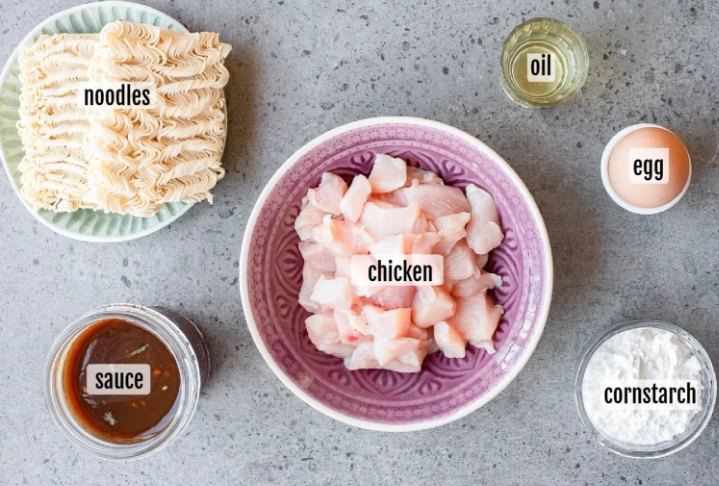
Strategy for Home Cooks
Here’s a realistic approach based on your time and ambition level.
Sourcing Ingredients: Where to Look
You don't need a specialty Japanese market for everything, but it helps for the key items.
- Asian Grocery Stores: Your best friend. They'll have fresh/frozen ramen noodles, kansui, kombu, katsuobushi, good soy sauce, mirin, sake, miso paste, menma, nori, and narutomaki. Prices are also much better.
- Online Retailers: Websites like Amazon or specialty Japanese food online shops sell everything, including high-quality artisanal soy sauce or specific noodle flours.
- Regular Supermarkets: You can find pork bones (ask the butcher), chicken backs/feet, fresh ginger, garlic, green onions, eggs, and basic vegetables. For an authentic take on tare, checking out recipes from established sources like The New York Times Cooking or Serious Eats can provide well-tested guidance.
My local Asian market has a whole aisle dedicated to noodles. It's a beautiful sight. Don't be afraid to ask the staff for help—they're usually thrilled someone is trying to cook real ramen.
Common Questions (Stuff You Were Afraid to Ask)
Let's tackle some of the practical head-scratchers that come up when you're dealing with ramen noodles ingredients.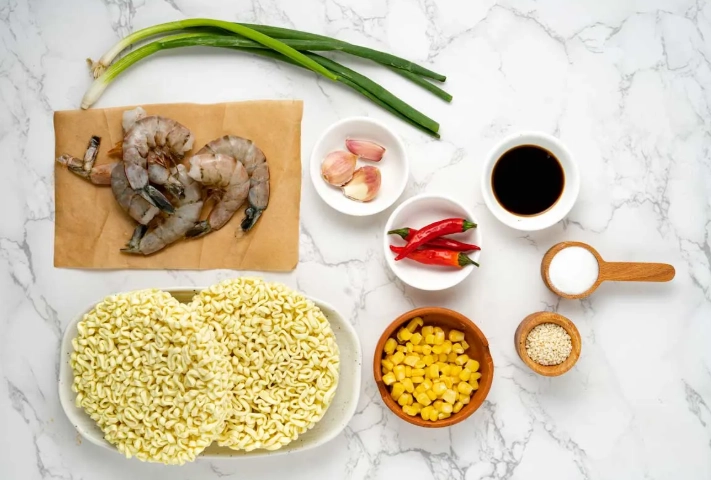
Can I use spaghetti instead of ramen noodles?
In a dire emergency? Sure, you'll have a noodle soup. But it won't be ramen. Spaghetti is made from durum wheat semolina and has a completely different texture—denser, less springy, and it lacks the alkaline flavor from kansui. The experience is fundamentally different. If you're going through the effort to make a good broth, spring for the right noodles.
Why are my homemade noodles so tough/dense?
You probably over-kneaded the dough or didn't let it rest enough. Ramen noodle dough needs a good, firm knead to develop gluten, but then it must rest, wrapped tightly, for at least an hour (often several). This allows the gluten to relax so you can roll it out thinly without it snapping back. Also, check your kansui ratio—too much can make them unpleasantly tough and yellow.
My broth is cloudy and I wanted it clear. What went wrong?
For clear broths (like shoyu or shio), you need a gentle simmer, not a rolling boil. A hard boil churns the fat and proteins into an emulsion, creating cloudiness. Start with cold water, bring it to a bare simmer (just a few bubbles breaking the surface), and skim off any scum that rises diligently. Also, don't stir it aggressively. Patience is key.
How long do marinated ramen eggs last?
In a sealed container in the fridge, they're good for 3-4 days. The marinade acts as a preservative to some extent, but the texture of the yolk will start to firm up after a couple of days. They're so good, though, that they rarely last that long in my house.
Is there a vegetarian/vegan ramen option?
Absolutely, and it can be incredible. The broth is built from roasted vegetables (onions, carrots, mushrooms), kombu, and dried shiitake mushrooms. You can get insane umami without any animal products. Use a soy-based or salt-based tare. For richness, a toasted sesame oil or a nut-based cream works well. Toppings can include roasted mushrooms, marinated tofu, corn, and greens. The principles are the same—layered flavor, texture contrast, and balance.
It's a lot, I know. But you don't need to memorize it all. Just come back to this idea: great ramen is built in distinct, thoughtful layers. The broth, the noodles, the tare, the oil, the toppings. Each one is made from specific, purposeful ramen noodles ingredients. When you understand what each part does, you can start to play. Maybe you'll make a rich chicken paitan broth and pair it with a spicy miso tare. Or a light dashi broth with a shio tare and lots of seafood toppings.
The goal isn't to perfectly replicate a Tokyo shop (unless you want to!). It's to make a bowl that makes you happy, using these principles as your guide. Start simple. Upgrade your instant ramen. Make some marinated eggs. Then maybe try a broth. It's a journey, not a race. And the best part is, you get to eat your experiments along the way.
Now, go check your pantry. You might be closer to a great bowl than you think.
Reader Comments