Quick Guide
So you're looking for a Japanese drinks list. Maybe you're planning a trip to Japan and want to know what to order at an izakaya. Maybe you're browsing the drinks aisle at an Asian market, overwhelmed by the choices. Or perhaps you're just curious about what people actually drink in Japan, beyond the green tea and sake you already know about.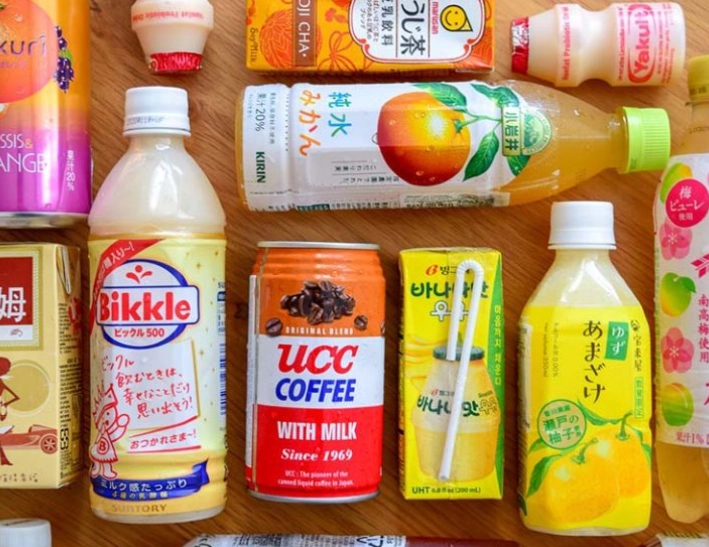
I've been there. I remember my first time in a Tokyo izakaya, staring at a menu full of kanji I couldn't read, pointing randomly at something that turned out to be shochu stronger than I expected. It was a learning experience, to say the least.
Let's fix that. This isn't just another list. This is the guide I wish I'd had. We're going to go deep, covering everything from the famous to the obscure, the alcoholic to the soft drinks, and even how to navigate buying and making them yourself. Consider this your one-stop resource for navigating the wonderful, sometimes confusing, world of Japanese beverages.
Quick Takeaway: A complete Japanese drinks list is more than just sake and green tea. It's a vast landscape including shochu, umeshu, a dozen types of tea, unique beers, and regional soft drinks. Understanding the categories helps you explore with confidence.
Alcoholic Drinks: Beyond Just Sake
When people think of a Japanese drinks list, alcohol usually comes first. And sake is the star, but it's not the only player on the field. The variety here is honestly impressive, and each drink has its own culture and rules around it.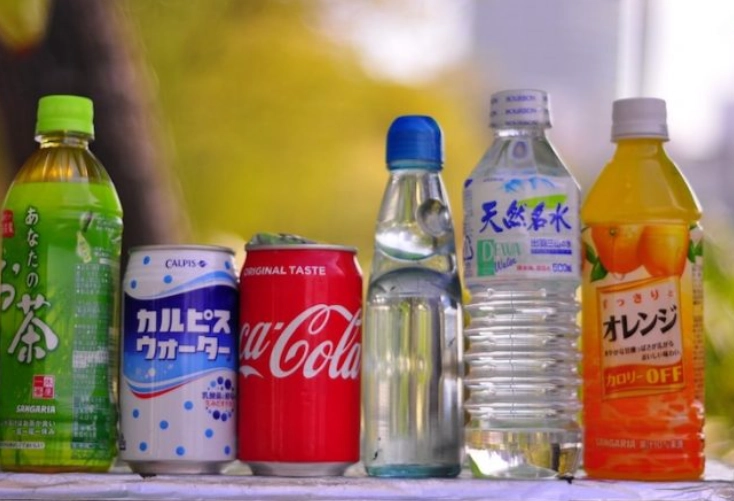
Sake (Nihonshu): The National Brew
Let's start with the big one. Calling sake "rice wine" is a bit misleading—it's brewed more like beer, but the process is unique. The quality and flavor spectrum is huge, from sweet and fruity to dry and robust.
Reading a sake label can feel like decoding a secret message. Here’s a cheat sheet for the main grades, which are based on how much the rice grain is polished down before brewing:
| Grade | Rice Polishing Ratio | Key Characteristics | Good for Beginners? |
|---|---|---|---|
| Junmai Daiginjo | 50% or less (50% of grain milled away) | Often very fragrant, light, delicate, and complex. The pinnacle of refinement. | Yes, if you want to experience top-tier smoothness. |
| Daiginjo | 50% or less | Similar to Junmai Daiginjo, but a small amount of distilled brewer's alcohol may be added to lift aromas. | Yes. |
| Junmai Ginjo | 60% or less | Fruity and floral notes, cleaner taste. A fantastic balance of quality and value. | Excellent starting point. |
| Ginjo | 60% or less | Like Junmai Ginjo, but may contain added brewer's alcohol. | Yes. |
| Junmai | No minimum (usually ~70%) | Full-bodied, rich, earthy, and acidic. Pure rice, water, koji, and yeast. | Can be robust; try with food. |
| Honjozo | 70% or less | Light, smooth, easy-drinking. Brewer's alcohol is added, making it drier and more food-friendly. | Very approachable. |
My personal go-to for newcomers is a Junmai Ginjo. It's aromatic enough to be interesting but rarely too challenging. I once made the mistake of buying a fancy Junmai Daiginjo as a gift for a friend who only knew hot sake from sushi restaurants. It was wasted on him—he said it tasted "like water" compared to the strong, heated stuff he was used to. Lesson learned: context matters.
Temperature is a whole other game. The old rule that premium sake is only served cold (reishu) and cheap sake is served hot (atsukan) is outdated. Many premium sakes can be gently warmed to bring out different flavors, and some cheaper sakes are terrible hot. Experiment. The Sake Service Institute is a great resource for deeper study, but don't get paralyzed by the rules. Drink it how you like it.
Shochu: The Versatile Spirit
If sake is Japan's wine, shochu is its everything else—vodka, whiskey, you name it. This distilled spirit is massively popular domestically and is slowly gaining fans worldwide. It's typically stronger than sake (usually 25%-37% alcohol), but it can be surprisingly smooth.
What makes shochu fascinating is its base ingredient. This defines its core flavor profile:
- Barley (Mugi): Soft, mellow, and slightly sweet. This is probably the most popular and beginner-friendly type. Think of it as the welcoming committee of shochu.
- Sweet Potato (Imo): This is the big, bold one. Earthy, robust, and aromatic (some say it has a distinct, almost petrol-like scent that grows on you). It's an acquired taste for some, but beloved by many. I wasn't a fan at first—it felt too strong—but a good one, served on the rocks, won me over.
- Rice (Kome): The closest relative to sake in flavor profile. Clean, mild, and slightly sweet.
- Buckwheat (Soba): Nutty and aromatic, with a distinctive fragrance. Uniquely delicious.
- Brown Sugar (Kokuto): Mainly from the Okinawa islands. Rich, deep sweetness and complexity.
You can drink shochu straight (on the rocks, rokku), mixed with hot or cold water (oyuwari or mizuwari—my preferred method for mugi shochu), or even with tea or fruit juice. The Mirin website has a fantastic breakdown of shochu styles and producers. Adding water, by the way, isn't seen as diluting; it's said to "open up" the flavor and aroma.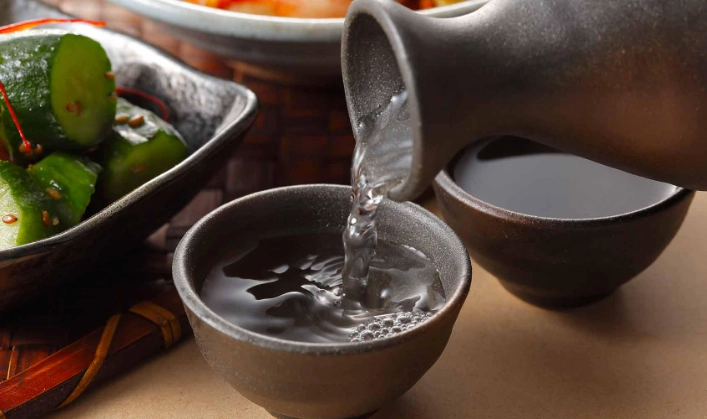
Other Must-Try Alcoholic Beverages
Your Japanese drinks list needs these entries too.
Umeshu (Plum Wine): This is the gateway drug of Japanese alcohol. Sweet, tangy, and fragrant, it's made by steeping unripe ume plums in shochu or sake with sugar. You can sip it on the rocks, with soda water (umeshu soda—incredibly refreshing), or even straight. Choya is the famous brand, but smaller producers make amazing versions. It's almost impossible to dislike.
Japanese Whisky: After winning global awards, Japanese whisky exploded in popularity and price. Brands like Yamazaki, Hibiki, and Nikka are now world-famous. The style often leans towards elegance, balance, and subtlety compared to some bolder Scotch whiskies. Be prepared to pay a premium for the big names these days.
Beer (Bīru): The big four—Asahi Super Dry, Kirin Ichiban, Sapporo, and Suntory Premium Malts—dominate the market. They're all crisp, clean, easy-drinking lagers, perfect with fried food. Asahi Super Dry's sharp, dry finish is iconic. The craft beer scene (ji-bīru) is also thriving, with breweries like Hitachino Nest and Yo-Ho Brewing offering everything from pale ales to yuzu-infused beers.
Chuhai (Shōchū Highball): A canned cocktail phenomenon. Shochu mixed with sparkling water and fruit flavoring—lemon, grapefruit, peach, you name it. They're cheap, low-calorie (often), and dangerously easy to drink. A summer staple.
Non-Alcoholic Drinks: A World of Flavor
This side of a Japanese drinks list is just as important, especially if you're not drinking alcohol or you're exploring daytime options. The variety is staggering.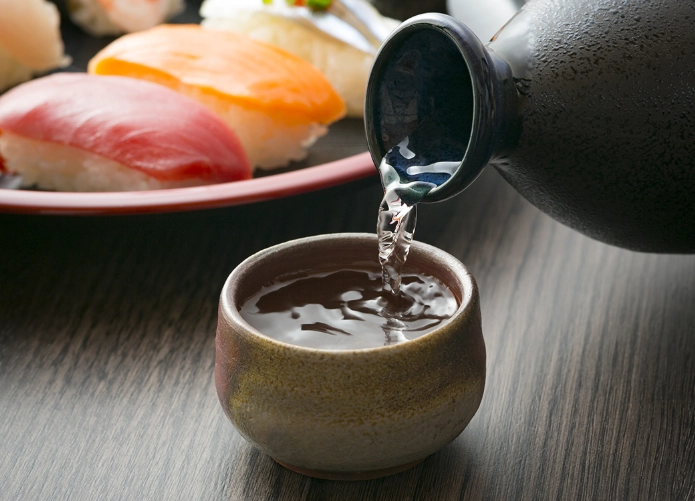
Tea (Ocha): The Heart of the Culture
Green tea is just the beginning. The depth here is incredible.
- Sencha: The standard, everyday green tea. Grassy, slightly astringent, and refreshing. This is what you'll get most places when you ask for "ocha."
- Matcha: The powdered green tea used in tea ceremonies. It's whisked into hot water, so you consume the whole leaf. It's intense, vegetal, slightly bitter, and packed with umami. Don't expect it to taste like a sweet Starbucks latte—the traditional preparation is an experience in itself.
- Hojicha: My personal favorite for evenings. Green tea leaves are roasted, giving them a brown color and a warm, toasty, nutty flavor with almost no bitterness or caffeine. It's incredibly comforting.
- Genmaicha: Sencha mixed with roasted brown rice. It has a lovely popcorn-like aroma and a mild, toasty flavor. Very approachable.
- Mugicha: Barley tea. Served cold in summer by the pitcher in almost every home. It's caffeine-free, toasty, and incredibly refreshing. The ultimate thirst-quencher.
For an authoritative deep dive into Japanese tea types and production, the Ocha TV channel run by the Kyoto Obubu Tea Plantations is a treasure trove of information.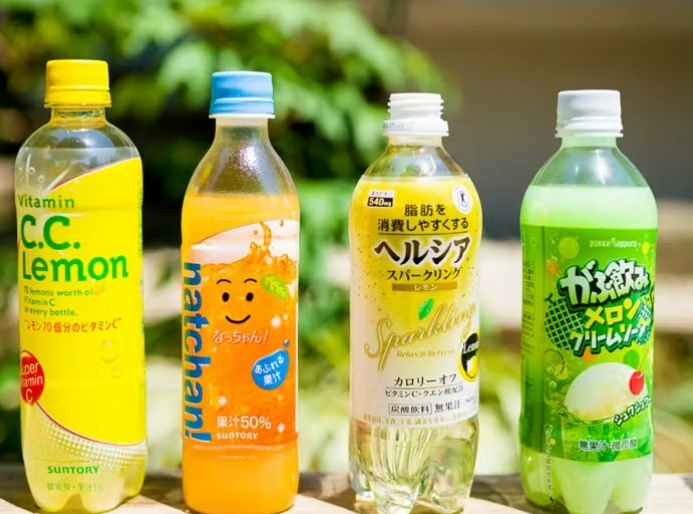
Soft Drinks & Unique Beverages
Japan has a knack for creating interesting soft drinks.
Ramune: The iconic marble soda. The Codd-neck bottle with a glass marble as a stopper is half the fun. Flavors range from original lemon-lime to strawberry, melon, and even curry (yes, really). It's a staple at festivals.
Calpis / Calpico: A milky, uncarbonated soft drink made from fermented milk. It tastes like a sweet, slightly tangy yogurt drink. You usually buy it as a concentrate and mix it with water or soda. Sounds weird, tastes great.
Mitsuya Cider: Not apple cider, but a clear, carbonated lemon-lime soda. It's like a smoother, less aggressive Sprite. Hugely popular.
Yakult: A tiny bottle of sweetened, fermented milk drink containing Lactobacillus casei Shirota strain. It's a probiotic powerhouse, and people drink it daily for digestive health.
Regional Sodas: Every prefecture seems to have a local soda, often featuring a local fruit. Melon soda in Hokkaido, mandarin orange soda in Ehime, etc. These are fun to seek out.
Pro Tip: When building your own Japanese drinks list at home, start with one item from each major category: a bottle of Junmai Ginjo sake, a barley shochu, a bottle of umeshu, some sencha and hojicha, and a ramune for fun. It gives you a perfect tasting tour.
How to Use This Japanese Drinks List: Buying & Making
Knowing the names is one thing. Actually getting and enjoying them is another.
Where to Buy Authentic Japanese Drinks
You don't need to fly to Tokyo.
- Specialty Liquor Stores: The best bet for sake and shochu. Look for a store with a knowledgeable staff. A good sign is if they keep premium sake in a fridge.
- Asian Grocery Stores: Larger ones will have a decent selection of popular sake, shochu, teas, and soft drinks. The sake might not be stored perfectly, so check for dusty bottles sitting in warm light.
- Online Retailers: Websites like Tippsy Sake (US-focused) or The Whisky Exchange (global) are fantastic for curated selections, often with detailed tasting notes and proper storage.
Simple Drinks to Make at Home
Bringing Japan to your kitchen is easier than you think.
The Perfect Mizuwari (Shochu & Water): Fill a glass with ice. Pour in 1 part shochu (barley is great for this). Add 2 parts cold, soft water. Stir gently about 13 times (yes, it's a thing—it's said to mix it properly without bruising the spirit). Add a lemon twist if you like. That's it. Refreshing and simple.
Umeshu Soda: In a tall glass with ice, add 1.5 oz (45ml) of umeshu. Top with chilled soda water (club soda). Stir lightly. Garnish with a pickled ume plum if you have one. Instant patio drink.
Cold-Brew Hojicha: Put 2 tablespoons of hojicha leaves in a liter pitcher of cold water. Refrigerate for 6-8 hours. Strain. You have incredibly smooth, zero-effort iced tea.
I tried making my own umeshu once. Bought the plums, the rock sugar, the shochu... it's been sitting in my closet for a year. You're supposed to wait at least that long. The anticipation is killing me, but the process is part of the fun.
Common Questions About Japanese Drinks
Final Thoughts on Building Your Perfect Japanese Drinks List
So there you have it. A Japanese drinks list isn't a static thing you check off. It's a starting point for exploration. The goal isn't to memorize every name, but to give you the confidence to try something new.
Start with one category that intrigues you. Maybe it's exploring the difference between a Junmai and a Honjozo sake with some grilled salmon. Maybe it's discovering how relaxing a cup of hojicha is in the evening. Or maybe it's the simple joy of cracking open a cold ramune on a hot day.
The beauty of Japanese beverages lies in their depth and their attention to detail, from the polishing of rice for sake to the roasting of leaves for hojicha. There's a drink for every season, every meal, every mood.
Use this guide as your map. Don't be afraid to ask questions at a specialty store (they love to talk about this stuff). Don't worry about getting it "wrong." The only wrong way is to not try at all. Your own personal Japanese drinks list is waiting to be written, one sip at a time.
Now, go explore. That bottle of umeshu isn't going to drink itself.
Reader Comments