I remember my first "real" Japanese lunch. It wasn't at a fancy sushi counter. It was at a cramped, steamy little shop under the train tracks in Shinjuku. For about 800 yen, I got a tray with a bowl of glistening rice, a piece of miso-glazed fish, a small mountain of shredded cabbage, a bowl of miso soup, and three different colorful pickles. It was simple, balanced, and utterly satisfying in a way my desk sandwiches back home never were. That meal taught me more about Japanese food culture than any expensive omakase ever could.
When people hear "Japanese lunch," they often just picture sushi rolls or maybe a sad-looking bento from an airport. That's missing the whole story. The midday meal in Japan is a quiet masterpiece of nutrition, efficiency, and seasonal awareness. It’s a practical philosophy on a plate.
Your Quick Guide to Japanese Lunch
The Bento Box Universe: More Than a Lunchbox
Let's start with the icon: the bento. It's not just a container; it's a mindset. A proper bento follows the principle of "goshiki" (five colors) and "goho" (five cooking methods). This isn't just for looks. It's a built-in checklist for nutritional balance.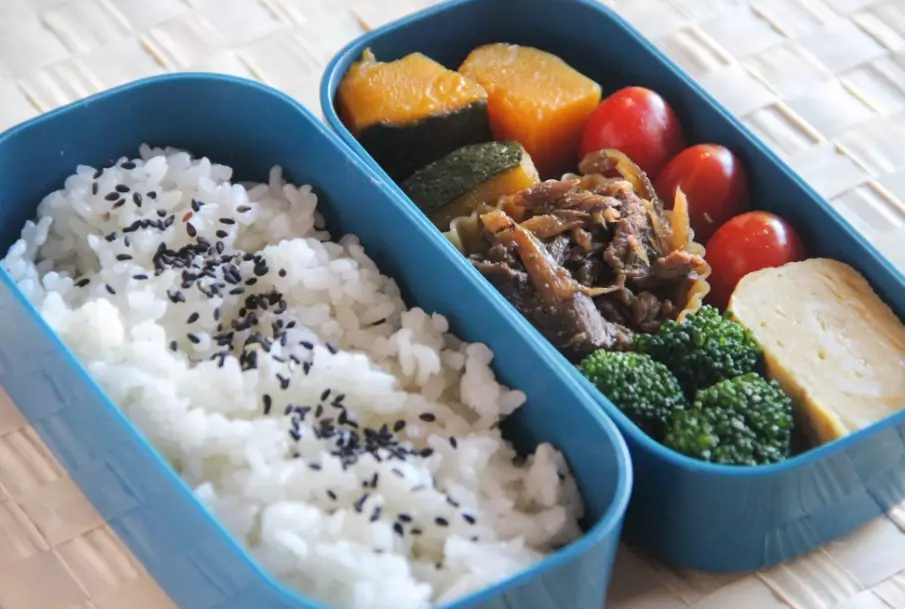
Think about it. The five colors—red, green, yellow, black, white—naturally guide you towards a variety of vegetables, proteins, and carbs. The five methods—raw, simmered, fried, steamed, grilled—ensure different textures and flavors. When you pick up a well-made bento, you're holding a lesson in dietary wisdom.
You have three main bento avenues:
- Homemade (O-bento): The ultimate expression of care. These are the Instagram-worthy boxes with rice shaped like pandas and tamagoyaki (rolled omelet) cut into perfect rectangles. The key here is using leftovers smartly. Last night's grilled salmon? It's today's main. Extra blanched spinach? Tuck it in a corner.
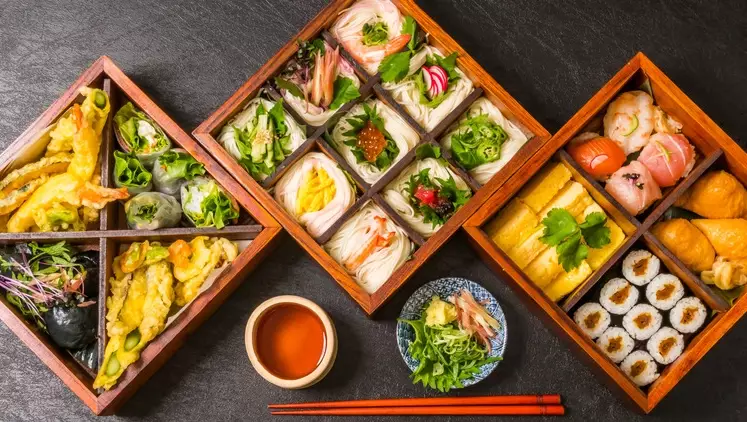
- Depachika (Department Store Basement) Bento: This is foodie heaven. For 1,000 to 2,500 yen, you can get bentos that are works of art. We're talking delicate seasonal arrangements, premium ingredients like uni or wagyu, and exquisite presentation. It's a luxury lunch, perfect for a special day or a impressive picnic.
- Convenience Store (Konbini) Bento: Don't you dare snub it. The humble konbini bento, for 400-700 yen, is a marvel of food science and logistics. The quality is shockingly consistent and good. My go-to? The "karaage bento" from FamilyMart—crispy fried chicken, rice, potato salad, and a tangy sauce. It's cheap, fast, and reliably tasty. 7-Eleven's premium range often includes healthy options with grilled fish and multiple vegetables.
Pro Tip Most Blogs Miss: When buying a konbini bento, always check the "seisan" (manufacture) time, not just the expiration. Bento made in the morning for lunch will have fresher rice texture than one made the night before. Rice turns hard in the fridge. The best stores have multiple delivery cycles.
Eating Out: The Best Japanese Lunch Restaurant Styles
This is where the magic happens for visitors. Lunch is the golden hour to try high-quality restaurants for a fraction of the dinner price. This practice is called "teishoku" or set meal.
| Restaurant Type | What You Get | Avg. Lunch Price | Best For | Example Dish |
|---|---|---|---|---|
| Teishoku-ya (Set Meal Shop) | The classic. Mains like fish/meat, rice, miso soup, pickles, side veg. | 800 - 1,500 JPY | A balanced, traditional meal. Feels wholesome. | Grilled Sanma (Pacific Saury) Teishoku |
| Ramen Shop | A hearty bowl of noodles. Lunch sets often include rice or gyoza. | 900 - 1,300 JPY | Comfort food, quick fuel. Often has a ticket machine. | Tonkotsu Ramen + Small Rice Bowl Set |
| Izakaya (Pub) | Small shared plates. Lunch sets are a great intro to their style. | 1,000 - 1,800 JPY | Variety, trying many small dishes. | Yakitori (skewers) Set with Salad & Rice |
| Soba/Udon Shop | Noodles in broth or with dipping sauce. Often served on a tray. | 700 - 1,200 JPY | A lighter, clean meal. Great in summer (cold zaru soba). | |
| Department Store Restaurant Floor | Upscale versions of all the above. Reliable and comfortable. | 1,500 - 3,000 JPY | No stress, easy choice, often with an English menu. | Tempura Set with Premium Ingredients |
I have a soft spot for the old-school teishoku-ya. There's one near my old office in Ginza called 「とんかつまい泉」 (Tonkatsu Maisen) in the basement of an unassuming building. Their lunch special gets you an incredible tonkatsu (breaded pork cutlet) on a bed of shredded cabbage, rice, miso soup, pickles, and a bottomless refill of cabbage for about 1,200 yen. The pork is juicy, the breading is airy and crisp, and the tonkatsu sauce is tangy and rich. It's a lesson in perfecting one thing.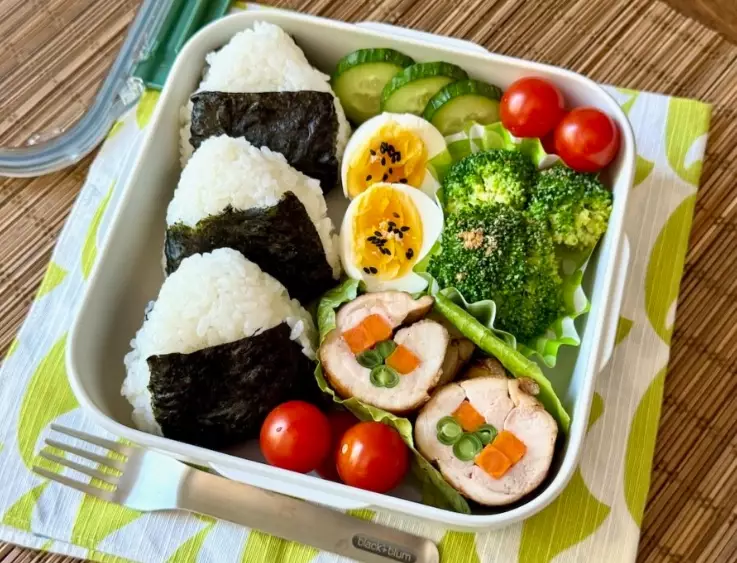
Ramen for lunch is a national sport. The trick is to go right when they open, usually 11 AM or 11:30 AM. The broth is at its freshest, the noodles have the perfect spring, and you avoid the line that forms by 12:15 PM. A common lunch set is "ramen + chashu don" (noodles plus a small bowl of rice topped with roast pork). It sounds like carb overload, but the rich broth and fatty pork make you crave the plain rice to balance it out. It works.
Why the Japanese Lunch Feels So Balanced (And Healthy)
It's not an accident. The structure of a typical teishoku follows a nutritional logic that Western "meal prep" often misses.
The Built-In Formula
Carbohydrates (Rice): The foundation. It's usually a moderate, defined portion—one bowl. Not a bottomless bread basket.
Protein (Main Dish): Focused. A palm-sized piece of fish, a few slices of meat, or tofu. It's a highlight, not the entire plate.
Vegetables (Sides & Soup): Integrated. The miso soup has wakame and tofu. The pickles are vegetables. There's almost always a small side of simmered greens or that ubiquitous shredded cabbage salad. You get micronutrients without thinking "I need a side salad."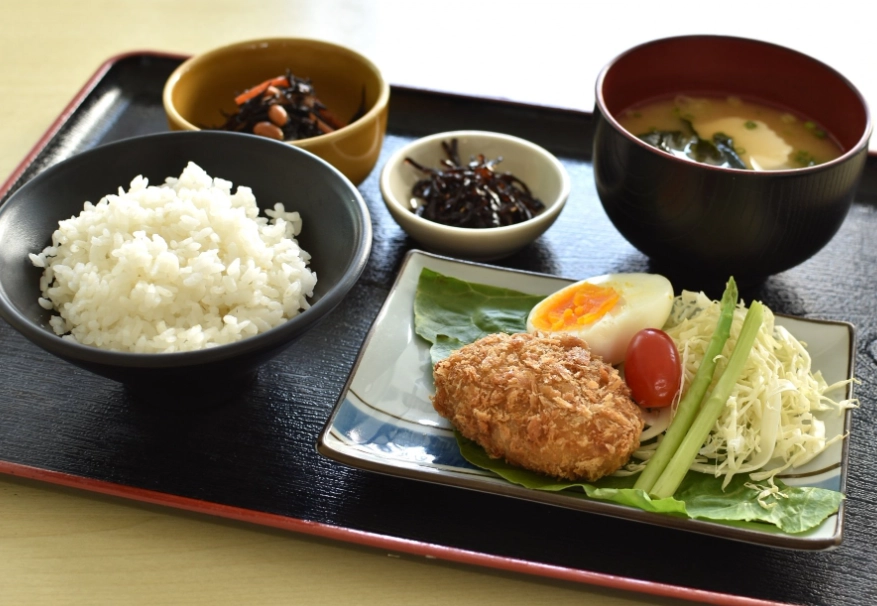
Umami & Fermentation (Secret Weapons): Miso, soy sauce, dashi, pickles. These elements add deep flavor without needing heavy cream, butter, or excessive oil. They also promote gut health.
This balance prevents the 3 PM crash. You're not loaded down with heavy fats or simple sugars. The combo of protein, fiber from vegetables, and complex carbs from rice gives you sustained energy. I noticed I stopped needing an afternoon coffee after switching to this style of lunch.
How to Order Japanese Lunch Like a Pro
Navigating lunch in Japan is easy if you know a few rules.
First, look for the plastic food models outside. They're not tacky; they're a brilliant menu. Pointing is perfectly acceptable. Many places have an ordering ticket machine near the entrance. You put in cash, press the button for the meal you want, get a ticket, and hand it to the staff. It's efficient and avoids language hurdles.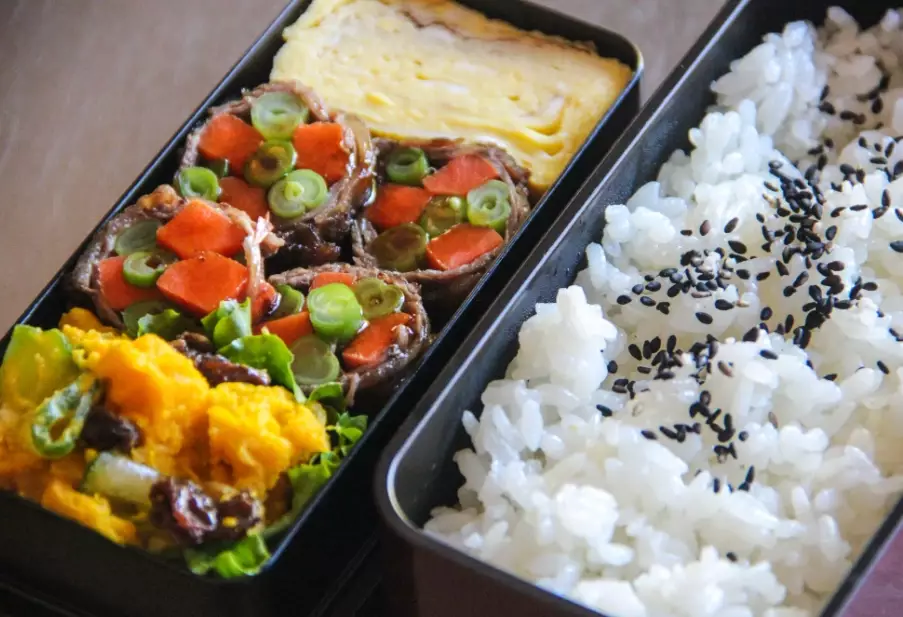
Key phrases:
- "Teishoku onegaishimasu" - "The set meal, please." (A safe default if there's one main option).
- "Osusume wa nan desu ka?" - "What do you recommend?"
- "O-mizu onegaishimasu" - "Water, please." (It's usually free and served with ice).
Now, the one subtle mistake I see even experienced travelers make: how to eat the set meal. Don't just dive into the main protein. Take a bite of rice. Then a bite of the fish or meat. Sip some soup. Have a pickle. Alternate. The rice is meant to be a palate cleanser between the more flavorful items. It changes the whole experience, making each component taste more distinct.
And about speed. Lunch is often a quicker affair than dinner. It's fine to eat at a normal pace, but don't expect to linger for two hours over a single cup of coffee. Turning over tables is part of the lunch economy that keeps prices low.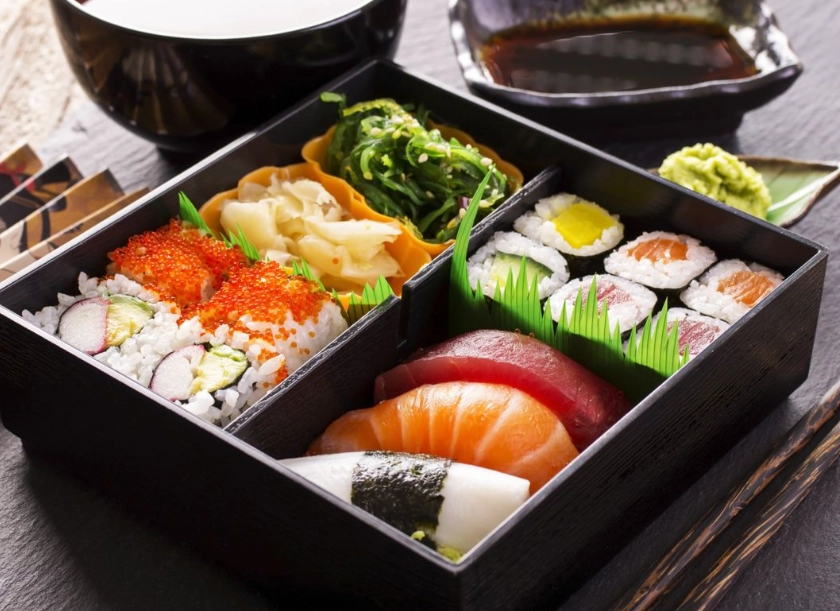
The real beauty of the Japanese lunch is its accessibility. It democratizes good eating. Whether you're a salaryman on a budget, a tourist exploring, or a parent packing a lunchbox, the principles are the same: balance, seasonality, and respect for ingredients. It's a daily ritual that nourishes more than just the body.
So next time you think of Japanese food, look past the dinner-only sushi counters. Find the bustling teishoku-ya at noon. Grab a bento from a depachika. Experience the meal that truly fuels the country.
Reader Comments