Here’s a Quick Guide
Let's be honest, my first real encounter with Japanese appetizers was a bowl of edamame at a generic pan-Asian place. Salty, simple, kinda fun to pop the beans out. It was fine. But it wasn't until I stumbled into a proper izakaya—one of those Japanese pubs where the food is just as important as the drink—that the lights came on. Suddenly, "appetizer" didn't mean a forgettable prelude. It was the main event, a parade of tiny, explosive flavors designed to wake up your palate and make you order another beer. That's the magic we're talking about.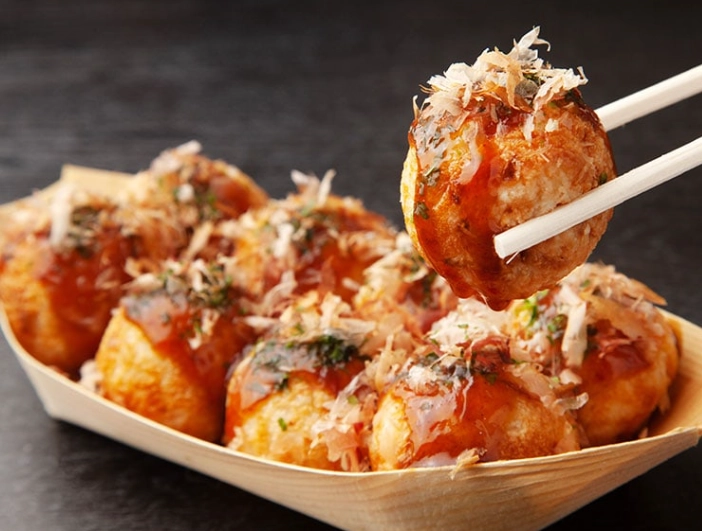
If you're here, you probably get it. Maybe you're planning a dinner party and want to impress, or you're tired of the same old snacks and crave something with more finesse. Perhaps you're just curious about what to order before your ramen or sushi. Wherever you're coming from, understanding Japanese appetizers is your ticket to a more delicious experience, whether you're at a restaurant or in your own kitchen.
So, What Exactly Counts as a Japanese Appetizer?
This is where it gets interesting, and where a lot of guides oversimplify. In the West, we think "appetizer, then main course." In Japan, especially in an izakaya setting, the line is blurrier. Food often comes out as it's ready, in a shared, tapas-style feast. So, for our purposes, we're talking about those smaller, shareable dishes that kick off a meal or accompany drinks. They set the tone.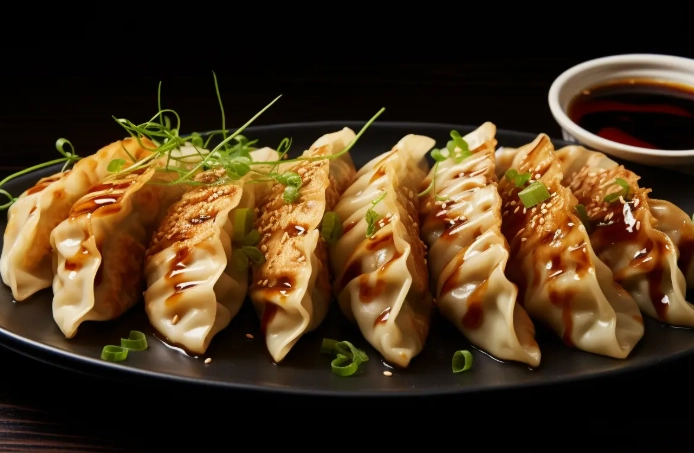
I like to break them down by cooking method. It makes more sense than just listing dishes, because it helps you understand the why behind the flavor.
The Classics You've Probably Seen (And Should Definitely Try)
These are the gateway drugs of Japanese appetizers. Ubiquitous for a reason.
- Edamame: The undisputed champion of easy. Boiled or steamed young soybeans, sprinkled with sea salt. It's about the ritual as much as the taste. Don't bother with fancy flavors; classic salt is perfect. A great source of protein, too.
- Gyoza: Japanese pan-fried dumplings. Crispy lace skirt on the bottom, steamed and juicy on top. Usually filled with pork and cabbage, but chicken and veggie versions are common. The dipping sauce (soy, rice vinegar, chili oil) is non-negotiable. Making them at home is a project, but a deeply satisfying one.
- Agedashi Tofu: This dish changed my mind about tofu. Cubes of soft tofu are lightly dusted in potato starch and deep-fried until they develop a delicate, crispy shell that somehow stays intact around the custardy interior. It's served in a warm, savory dashi broth with grated daikon and green onions. It's elegant, simple, and deeply umami.
You can't go wrong starting with these. But stopping here is like only ever eating breadsticks at an Italian restaurant.
When You're Feeling a Bit More Adventurous
This is where the real fun begins. These Japanese appetizers showcase specific techniques and bolder flavors.
My Personal Favorite: Yakitori
Skewered, grilled chicken. Sounds simple, right? The magic is in the details. Different parts of the chicken, each with a unique texture, seasoned with either salt (shio) or a sweet-savory tare sauce (tare). The best places will have a menu with 20+ skewer types. Start with negima (chicken thigh with leek) and tsukune (chicken meatballs). The latter is often served with a raw egg yolk for dipping—trust me on this.
Then there's Takoyaki. Ball-shaped batter snacks filled with diced octopus (tako), tempura scraps, and green onion. Cooked in a special pan, they're brushed with a Worcestershire-like sauce, mayonnaise, and bonito flakes that dance in the steam. Found at festivals, but also in many izakayas. Messy, warm, and addictive.
Dishes like Sashimi (sliced raw fish) or Tataki (seared and sliced meat/fish, often tuna or beef) are fantastic appetizers. They're about pristine quality and knife skills. But you must trust your source. Don't buy discount tuna for home sashimi. For a reliable overview of seafood safety and varieties, the Japanese Ministry of Health, Labour and Welfare provides guidelines, and resources like Sushi.com's Encyclopedia can help with identification. When in doubt at a restaurant, ask what's freshest.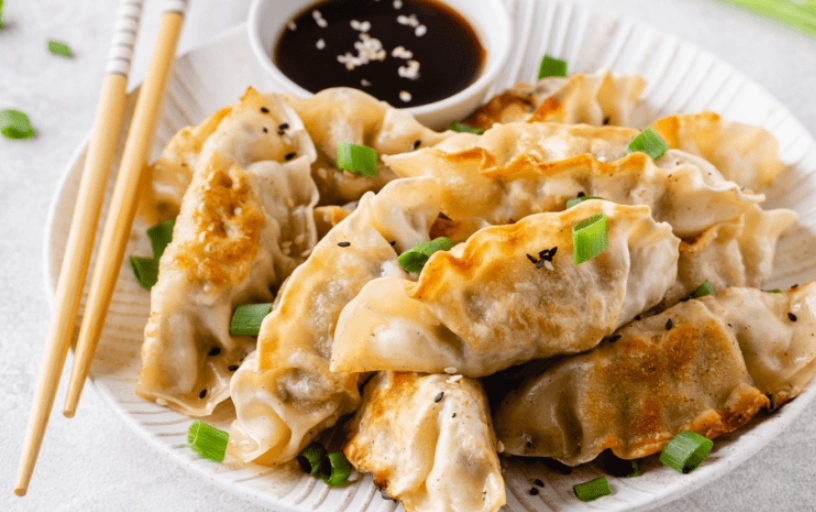
How to Navigate a Menu (Or Build Your Own Spread)
Staring at a long izakaya menu can be paralyzing. Here's a strategy I've used for years: order for balance. Think about textures, temperatures, and cooking methods.
| Category | Goal | Dish Examples | Why It Works |
|---|---|---|---|
| Cool & Clean | Refresh the palate | Sunomono (vinegared salad), Hiyayakko (chilled tofu), Sashimi | Starts the meal light, prepares you for richer flavors. |
| Warm & Comforting | Provide immediate satisfaction | Miso Soup, Agedashi Tofu, Oden (in winter) | Offers warmth and deep, savory umami notes. |
| Crunchy & Fried | Add textural excitement | Karaage (Japanese fried chicken), Tempura (vegetables/seafood), Gyoza | The crowd-pleasers. Satisfying and fun to eat. |
| Rich & Grilled | Deliver deep, complex flavors | Yakitori, Butabara (grilled pork belly), Grilled Mackerel | Pairs perfectly with alcohol, hearty and flavorful. |
See? One from each column, and you've got a phenomenal meal. For two people, maybe pick three dishes to start and see how you feel. The best Japanese appetizers create a journey.
Bringing It Home: No, You Don't Need a Fancy Kitchen
This is the part that intimidates people. They see delicate presentation and assume it's impossible. Nonsense. Many classic Japanese appetizers are surprisingly forgiving. Let's demystify a couple.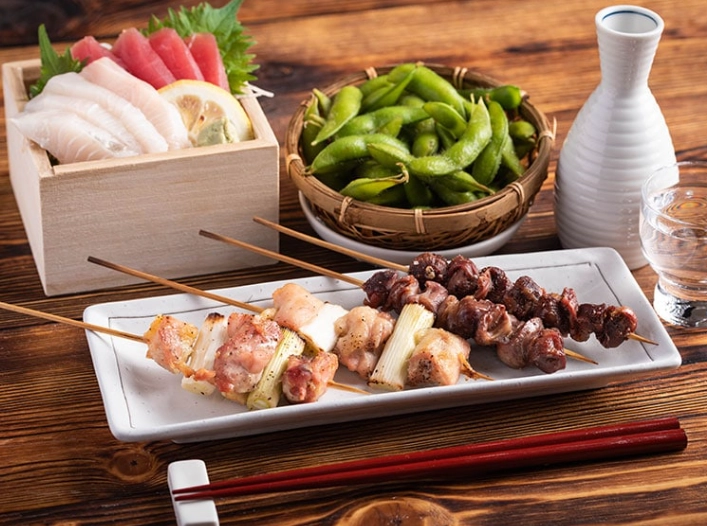
Easy Japanese Appetizers You Can Make Tonight
I'm not going to give you a novel-length recipe. Just the core idea, the "cheats," and the spirit.
Hiyayakko (Chilled Tofu): This is a 3-minute wonder. Buy a block of soft or silken tofu. Chill it. Place it on a plate. Top with whatever you have: a drizzle of good soy sauce, a sprinkle of katsuobushi (bonito flakes), some grated ginger, sliced green onion. Maybe a tiny dab of wasabi. The key is cold, fresh tofu and quality toppings. It's a lesson in simplicity.
Japanese-Style Potato Salad (Poteto Sarada): Not what you think. It's creamier, tangier, and often has mix-ins like cucumber, carrot, and ham. The Japanese trick is to mash the potatoes while they're still warm so they absorb the mayonnaise and seasoning better. A little rice vinegar adds that signature tang. It's a potluck superstar.
Tamagoyaki (Japanese Rolled Omelette): Okay, this one takes practice. It's the sweet, layered omelette you see in sushi shops. You need a rectangular pan (a small non-stick square one works) and patience. The basic mixture is eggs, sugar, soy sauce, and dashi. You cook a thin layer, roll it up, add more egg, and repeat. My early attempts were… lumpy. But even a failed, slightly sweet, slightly savory omelette is delicious. It's a project, but a rewarding one.
Where to Shop & What to Stock
You don't need a full-blown Asian supermarket, but it helps for specialty items. For a pantry that lets you whip up a variety of Japanese appetizers, focus on these staples:
- Soy Sauce: Get a good all-purpose one like Kikkoman, and maybe a bottle of usukuchi (lighter color, saltier) for cooking if you get serious.
- Mirin: Sweet rice wine. Essential for glazes and tare sauces. Don't substitute with sugar and water—it's not the same.
- Sake: Cooking sake is fine. It adds depth and cuts fishy smells.
- Rice Vinegar: Milder and sweeter than Western vinegars.
- Dashi: The soul of Japanese savory cooking. Instant dashi granules (like Hondashi) are a perfectly acceptable cheat for home cooks. Seriously, use them.
- Kewpie Mayonnaise: It's tangier, richer, and umamier than Hellmann's. It makes a difference in salads and as a drizzle.
With these, you can make a dipping sauce, a marinade, or a broth for dozens of dishes.
Questions I Get Asked All the Time (FAQs)
Let's tackle some of the real-world head-scratchers.
The Final Bite
Exploring Japanese appetizers is more than just finding new snacks. It's a shift in perspective. It's about appreciating small, intentional flavors. It's about sharing food in a relaxed, communal way. Whether you're ordering a few small plates at a restaurant or attempting to make crispy gyoza at home, you're participating in a culinary tradition that values balance and the joy of eating.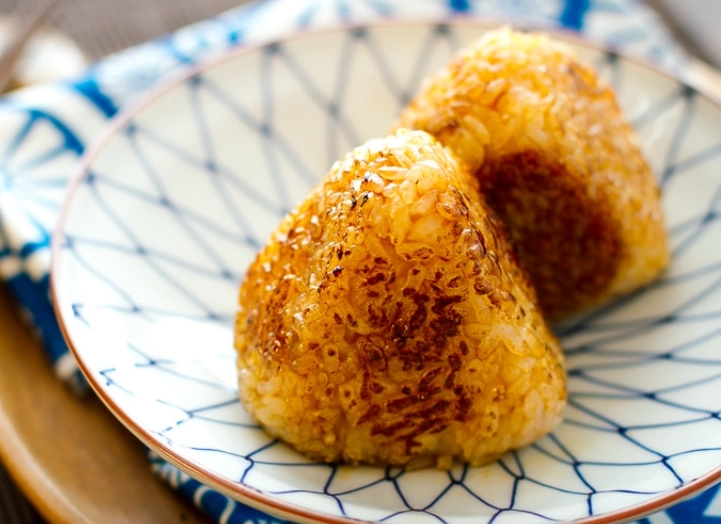
Start with the edamame. Then, next time, try the agedashi tofu. Then maybe some yakitori. Before you know it, you'll be planning your entire evening around these little dishes, wondering why you ever thought a basket of fries was an adequate way to start a meal.
The world of Japanese appetizers is deep, varied, and endlessly rewarding. Dive in. Your palate will thank you.
Reader Comments