Forget everything you think you know about plain rice balls. Yaki onigiri is a different beast entirely. It's the ultimate Japanese comfort food with a twist—crispy, golden-brown exterior giving way to a steaming, tender center, all brushed with a savory-sweet glaze that caramelizes on the grill. It's a staple at izakayas (Japanese pubs), a beloved festival food, and honestly, my favorite thing to make when leftover rice is staring me down. This isn't just a snack; it's a textural masterpiece that turns simple ingredients into something magical.
But here's the thing most recipes don't tell you: the gap between a good yaki onigiri and a great one is huge. A great one holds together without being a dense brick, achieves an even crisp without burning, and delivers a punch of umami that makes you want another immediately. A mediocre one falls apart, tastes bland, or has a sad, pale exterior. I've made both, and I'm here to make sure you only make the great ones.
What You'll Find in This Guide
How to Make Perfect Yaki Onigiri at Home
Let's get straight to the good part. Making yaki onigiri is surprisingly simple, but a few key steps make all the difference. You don't need special equipment, just a non-stick pan or grill pan, some bowls, and your hands.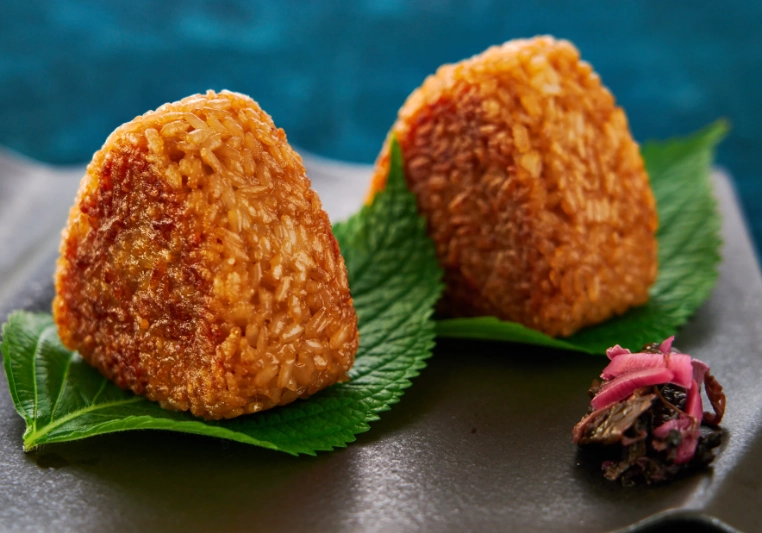
The Non-Negotiable Foundation: The Rice
This is where most first attempts go wrong. You cannot use just-cooked, piping hot rice. It's too wet and sticky, and you'll burn your hands trying to shape it. The rice should be warm or at room temperature. Leftover rice from the day before is actually ideal. Use Japanese short-grain rice (like Koshihikari or Calrose). The starch content is what gives it that perfect sticky-yet-separate texture. According to resources from Japan's Ministry of Agriculture, Forestry and Fisheries, the unique stickiness of Japanese rice is key for traditional dishes like onigiri.
For four substantial onigiri, you'll need about 3 cups of cooked rice.
Shaping: The Art of the Triangle
Wet your hands with lightly salted water. This prevents sticking and seasons the outside. Take a generous handful of rice (about 3/4 cup). Don't smash it into a ball. Gently cup it and rotate, applying light pressure to form a loose triangle. You want it compact enough to hold, but with air pockets inside—this ensures it heats evenly and doesn't become a mushy lump.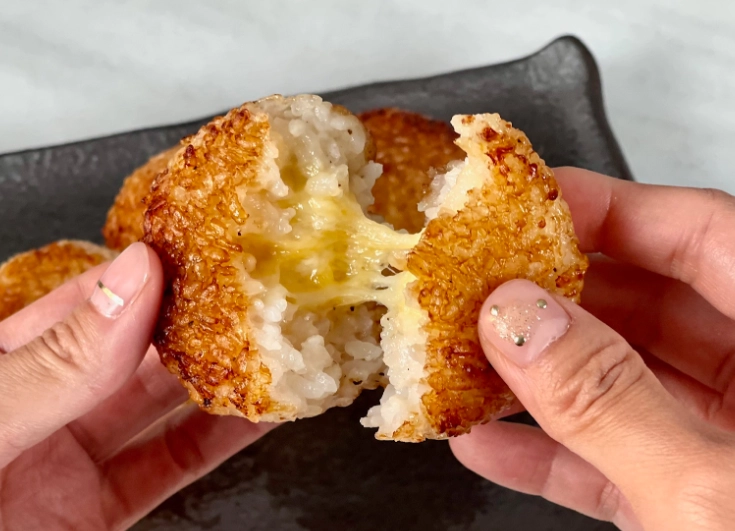
A common mistake is over-packing. If you see your fingers turning white from pressure, you're squeezing too hard.
The Glaze & The Grill
Now for the flavor. The classic glaze is equal parts soy sauce and mirin. Some add a touch of sugar or sake. I prefer a 2:1 ratio of soy sauce to mirin—it's less sweet, more umami-forward. Mix it in a small bowl.
Heat your pan over medium heat. Add a very thin layer of neutral oil (like vegetable or canola). Place your onigiri in the pan. Don't move them for a good 4-5 minutes. You're waiting for that satisfying crust to form.
Here's the critical move: brush the glaze on the *top and sides* of the onigiri while the bottom is cooking. This lets the glaze seep down slightly and start to caramelize. After 4-5 minutes, carefully flip. You should see a beautiful, even golden crust. Brush glaze on the new top side. Cook for another 4 minutes.
Flip once more, glaze side down, for a final 30-60 seconds to really set that glossy, sticky coating. That's it.
Where to Find the Best Yaki Onigiri (Tokyo & LA)
Sometimes you just want to taste the master's work. If you're in Japan or a major city with a serious Japanese food scene, seeking out expert yaki onigiri is a pilgrimage worth making. Here are my top picks based on personal visits and consistent quality.
| Restaurant Name | Location | What Makes It Special | Price Range (per onigiri) | Vibe/Note |
|---|---|---|---|---|
| Onyx | Shimokitazawa, Tokyo | Charcoal-grilled over binchotan for incredible smoky flavor. Miso-based glaze is legendary. | ¥350 - ¥450 | Tiny, standing-room-only izakaya. Go early. |
| Asadachi | Shinjuku, Tokyo | “Breakfast onigiri” spot. Served with raw egg, natto, or mentaiko. Grilled to order, incredibly fresh. | ¥300 - ¥400 | Opens at 5:30 AM. A unique, hearty start to the day. |
| Tsubaki | Echo Park, Los Angeles | Perfectly balanced sweet-soy glaze. Rice is always the ideal texture—firm but not dry. | $6 - $8 | Upscale izakaya. Part of a fantastic tasting menu or great as a bar snack. |
| Hachi | Torrance, Los Angeles | Focus on premium ingredients. Offers varieties like yaki onigiri with uni (sea urchin) on top. | $7 - $12 | Modern, sleek. The premium option, but worth it for a treat. |
Onyx in Shimokitazawa is still my benchmark. The binchotan charcoal adds a depth you just can't get from a home stove. In LA, Tsubaki executes the classic version flawlessly. Hachi is for when you want to splurge.
The Expert's Corner: Tips You Won't Find Elsewhere
After years of making and eating these, here are the subtle things that separate the good from the unforgettable.
The Rice Water Trick: After wetting your hands with salted water, keep a bowl of just water nearby. If the rice starts sticking to your palms mid-shape, dip your fingertips in the plain water—not the salt water—to re-wet. Adding more salt water at this stage can make the outside too salty.
Mind the Heat: Medium means medium. Too high, and the glaze burns before the inside heats through. Too low, and you get a pale, soggy exterior. Listen for a steady, gentle sizzle, not an aggressive crackle.
The Filling Debate: Pureists say no filling for yaki onigiri, as it can leak and burn. I disagree. A small, tight core of salted salmon (sake), umeboshi (pickled plum), or even a bit of cheese works if you seal the rice around it completely. It creates a surprise center. But keep it small—no more than a teaspoon.
The Leftover Magic: Yaki onigiri is best fresh, but leftover cooked ones revive well in a toaster oven (not a microwave, which makes the crisp soggy). Re-crisp at 375°F for 5-7 minutes.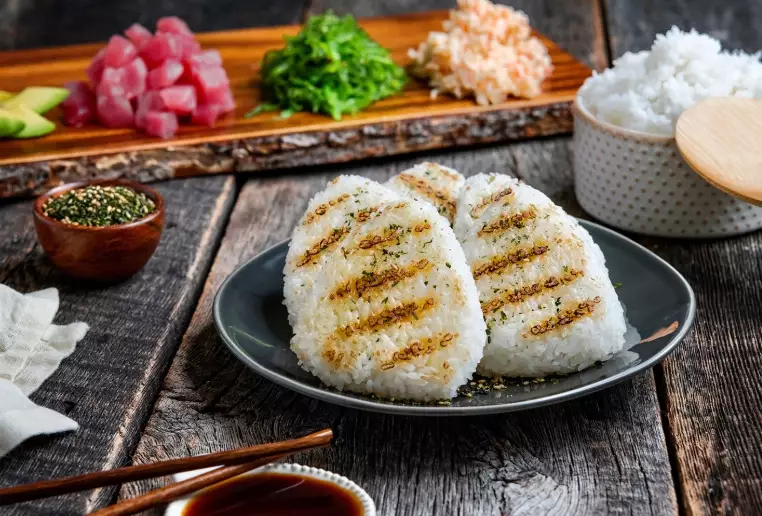
Reader Comments