Let's get something straight right away. You don't need to fly to Tokyo to eat great Japanese food. I've spent years cooking it, even took classes in a cramped Kyoto kitchen where the sensei would gently scold me for rushing the dashi. The real secret? It's not about fancy knives (though they help). It's about understanding a few core principles that most online recipes gloss over. This guide will walk you through those principles, tackle three foundational recipes everyone should know, and point out the subtle mistakes that separate a good attempt from a truly authentic taste.
What You'll Learn Inside
Essential Japanese Ingredients You Probably Already Have
Before you run out to a specialty store, check your pantry. The foundation of Japanese cooking is built on a handful of key players. Misunderstanding them is where most home cooks trip up.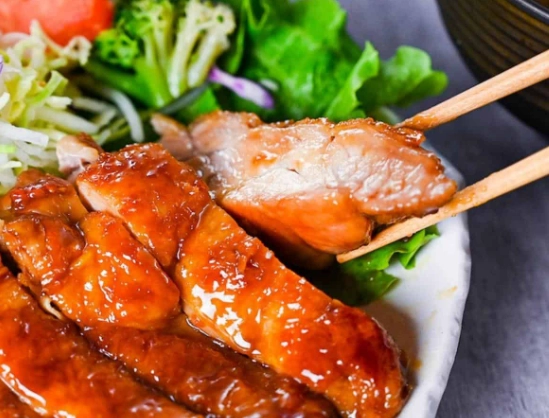
Soy Sauce (Shoyu) is not a monolith. This is crucial. Koikuchi (dark) is your all-purpose soy sauce, rich and salty. Usukuchi (light) is saltier but lighter in color, used in clear soups and dishes where you want to preserve color. Tamari is thicker, wheat-free (usually), and has a deeper, less harsh flavor. Using the wrong one can make a dish too dark or too salty. I made that mistake for years, wondering why my simmered dishes looked muddy.
Mirin is sweet rice wine, not just "sweet cooking wine." Hon Mirin (true mirin) has about 14% alcohol and is fermented. The cheap "mirin-fu" or "aji-mirin" is mostly corn syrup and salt. The difference in a teriyaki glaze is night and day—real mirin gives a complex, rounded sweetness that doesn't just taste like sugar.
Miso Paste comes in many colors. White (shiro) miso is sweet and mild, yellow (awase) is balanced, red (aka) is salty and robust. Start with a yellow awase miso for versatility. Store it in the fridge, and scoop it out with a clean spoon to prevent mold.
Pro Tip: Don't boil miso soup. It kills the beneficial enzymes and dulls the flavor. Always dissolve the miso paste in a ladle of hot broth first, then stir it back into the pot off the heat.
Rice Vinegar is milder and sweeter than Western vinegars. For sushi rice, it's non-negotiable. Seasoned rice vinegar has salt and sugar added, which is a great shortcut for beginners.
The Non-Negotiable Tools for Your Kitchen
You can start with a basic Western kitchen setup, but two tools will change your game.
A Heavy-Bottomed Pot (donabe or a good Dutch oven) for cooking rice and making soups. Even heat distribution prevents scorching, which is the death of good rice.
A Sharp Chef's Knife. Japanese vegetable cutting (like the julienne for salads or the rolling cut for root vegetables) relies on clean, precise cuts. A dull knife mashes cell walls, making vegetables soggy and leaching flavor. You don't need a $300 gyuto, but keep your current knife sharp.
A fine-mesh sieve, a flat wooden rice paddle (shamoji), and a few bowls for mise en place round out the essentials.
How to Cook Perfect Japanese Rice Every Time?
This is the hill I will die on. Bad rice ruins everything—sushi, donburi, even curry. The packet instructions are often wrong.
The Wash and Soak Method Everyone Skips
Rinse your short-grain rice (like Koshihikari) in a bowl, swishing with your hand until the water runs mostly clear. This removes excess starch that causes gumminess. This takes 3-4 changes of water, not just a quick rinse.
Then, let the washed rice soak in its cooking water for at least 30 minutes before you turn on the heat. This allows the grains to absorb water evenly, leading to a consistent, tender texture from core to surface. No soaking means hard centers.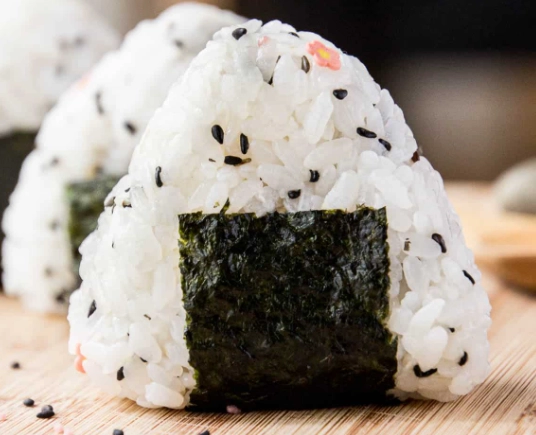
The Cook and Steam Process
Cook on high heat until boiling, then immediately reduce to the lowest simmer, covered, for 12-15 minutes. Don't peek. After the timer goes off, turn off the heat and let it steam, covered, for another 15 minutes. This final steam is where the magic happens, finishing the cook and letting excess moisture evaporate. Then, fluff with a cutting motion with your paddle to separate grains without smashing them.
Common Pitfall: Using the "finger knuckle" water measurement method. It's unreliable because pot depth varies. Use a measuring cup: for most short-grain rice, the ideal water-to-rice ratio by volume is 1.1:1 (e.g., 1 cup rice to 1.1 cups water). Adjust slightly for humidity.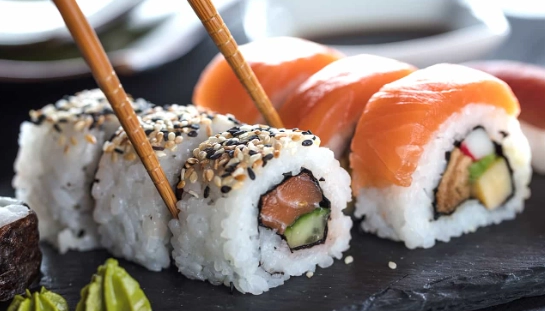
Three Core Japanese Recipes to Build Your Skills
Let's apply this to real cooking. Master these, and you unlock dozens of other dishes.
1. The Real Miso Soup (味噌汁)
Forget the salty, bland packet stuff. Real miso soup is a quick, nourishing staple.
Start with dashi. The easiest instant version is using dashi granules (hondashi) or a dashi packet. For a more authentic touch, steep a 4-inch piece of kombu (dried kelp) in 4 cups of cold water for 30 minutes, then gently heat until just before boiling and remove the kombu. Add a handful of bonito flakes, bring to a boil, then immediately turn off the heat. Let it steep for 5 minutes, then strain. You have your base.
Simmer your additions in the dashi—wakame seaweed (rehydrated), cubed tofu, thinly sliced green onion. Turn off the heat. Ladle some hot broth into a bowl, dissolve 1.5-2 tbsp of miso paste per cup of soup until smooth, then stir it back into the pot. Serve immediately. Never boil it after adding miso.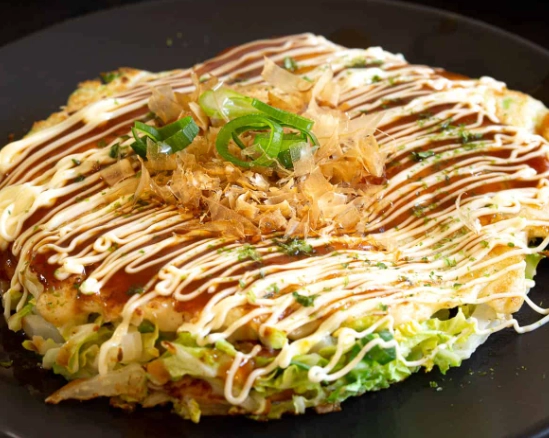
2. Chicken Teriyaki (照り焼きチキン) That Actually Glazes
The problem with most recipes? The sauce never properly reduces and clings to the chicken. It just makes it wet.
Pat dry 4 chicken thighs. Season. In a cold, non-stick pan, place the thighs skin-side down. Turn heat to medium. This renders the fat slowly and crisps the skin without burning. Cook for 8-10 minutes until golden and flip.
While cooking, make the sauce: 1/4 cup soy sauce, 1/4 cup real mirin, 2 tbsp sake, 2 tbsp sugar. Whisk. When the chicken is cooked through, remove it. Pour out excess fat. Pour the sauce into the hot pan—it will bubble furiously. Let it boil and reduce for 3-4 minutes until it thickens to a syrupy consistency that coats the back of a spoon.
Return the chicken to the pan, toss to coat. The sauce should stick, not pool. That's the "teri" (gloss).
3. A Simple Salmon Donburi (鮭丼)
A perfect weeknight meal. Cook salmon (pan-seared, baked, or even air-fried) until just done. Flake it over a bowl of hot, perfectly cooked rice.
The pro move is the seasoning. Drizzle with a little soy sauce and a drop of sesame oil. Top with shredded nori, a sprinkle of toasted sesame seeds, and maybe some thinly sliced shiso leaf or cucumber if you have it. The simplicity highlights the quality of each ingredient.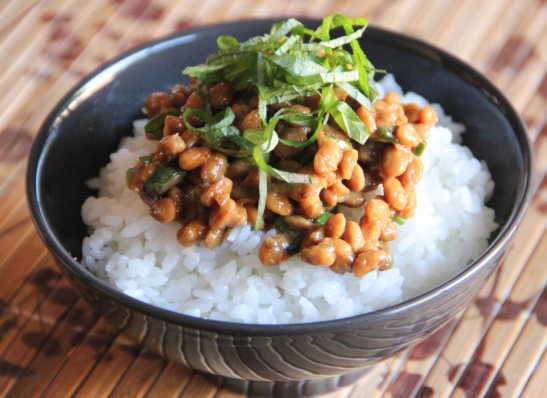
| Recipe | Key Technique | Common Mistake to Avoid |
|---|---|---|
| Miso Soup | Dissolving miso off-heat | Boiling the soup after adding miso |
| Chicken Teriyaki | Reducing sauce to a syrup | Not reducing the sauce, leaving it watery |
| Salmon Donburi | Flaking hot salmon over hot rice | Using cold rice or overcooked, dry salmon |
Answers to Your Burning Questions
Here are the questions I get asked most often, with answers that go beyond the basic recipe card.
The most common and impactful mistake is using the wrong type of soy sauce or substituting it with generic 'soy sauce'. For dipping sauces and dressings (tsuyu, ponzu), you must use usukuchi (light) or koikuchi (dark) soy sauce specifically. Tamari is gluten-free and works for some dishes, but its thicker, less salty profile can throw off delicate sauces. Using a generic 'all-purpose' soy sauce, often a blend, will never yield authentic flavor.
You can make approximations, but the core flavor profile (umami) will be different. For dashi, a quick substitute is simmering a piece of kombu (dried kelp) in water for 20 minutes; even this simple kombu dashi is far superior to using plain water or western-style broth. For mirin, a mix of 1 tbsp dry sherry or white wine with 1/2 tsp sugar per tbsp of mirin can work in a pinch, but real mirin's subtle sweetness and alcohol content are key for glazes and teriyaki.
Never refrigerate sushi rice in an airtight container while it's still warm—this creates condensation that turns it mushy. Let it cool to room temperature, covered with a damp cloth (not plastic wrap) to prevent drying. For meal prep, portion the cooled rice into bento boxes. It's best eaten within 24 hours. For longer storage, freeze individual portions in airtight bags; thaw in the refrigerator overnight and bring to room temperature before use. The texture will be slightly less perfect but acceptable for homemade rolls or bowls.
Restaurant teriyaki often uses a reduction method that home cooks skip. After combining soy sauce, mirin, sake, and sugar, you must simmer it until it reduces by about a third and thickens to a syrup that coats the back of a spoon. This concentrates the flavors and creates the signature glossy glaze. Adding the sauce too late or not reducing it enough leaves you with a thin, overly salty liquid. Also, many restaurants add a tiny bit of grated ginger or garlic to the reduction, which is a pro tip you can steal.
Start with one recipe. Get the rice right first. Then tackle a soup or a teriyaki. Don't try to make an elaborate sushi feast on day one. Japanese home cooking is about simplicity, quality ingredients, and respect for technique. It's incredibly rewarding when you taste that first bowl of miso soup you made from scratch, and it tastes... right. It tastes like quiet comfort. That's the goal.
For further reading on the cultural and historical background of these dishes, resources like the Japanese Ministry of Agriculture, Forestry and Fisheries website offer fascinating insights. Now, go wash that rice.
Reader Comments