Let's be honest, we've all been there. You buy a pack of udon noodles, follow the package instructions, and end up with a bowl of either mushy, bloated strands or a stiff, undercooked tangle. It's frustrating. Cooking udon noodles to that perfect, springy, slurpable texture isn't complicated, but there are a few non-negotiable steps most guides gloss over. After years of trial and error (and a few disappointing dinners), I've nailed down a method that works every single time, whether you're using dried, frozen, or fresh udon. Forget the guesswork. Here's exactly how to do it.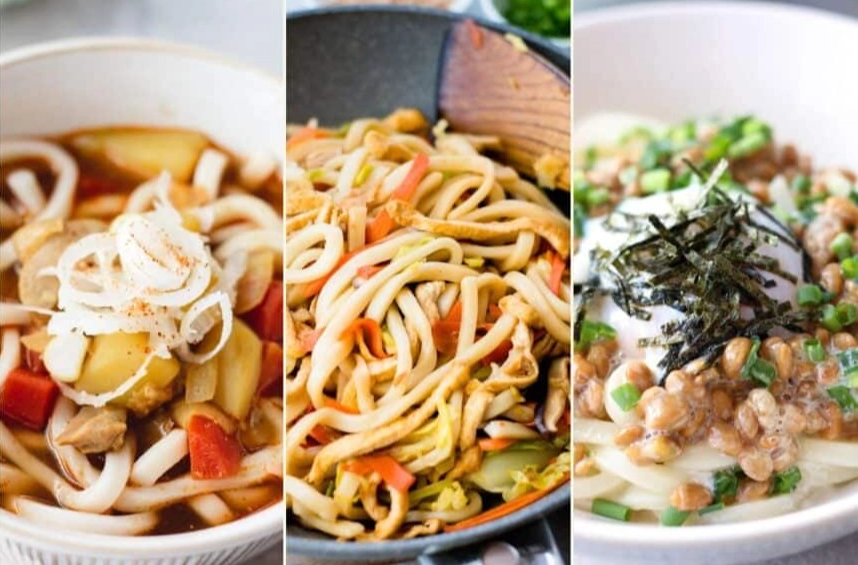
What's Inside This Guide
What You Need to Cook Udon Noodles
Before you turn on the stove, let's get your toolkit ready. The right setup makes all the difference.
Types of Udon Noodles: Choosing Your Base
Not all udon are created equal. The type you buy dictates your cooking approach. Here's a quick breakdown you won't find on the package label.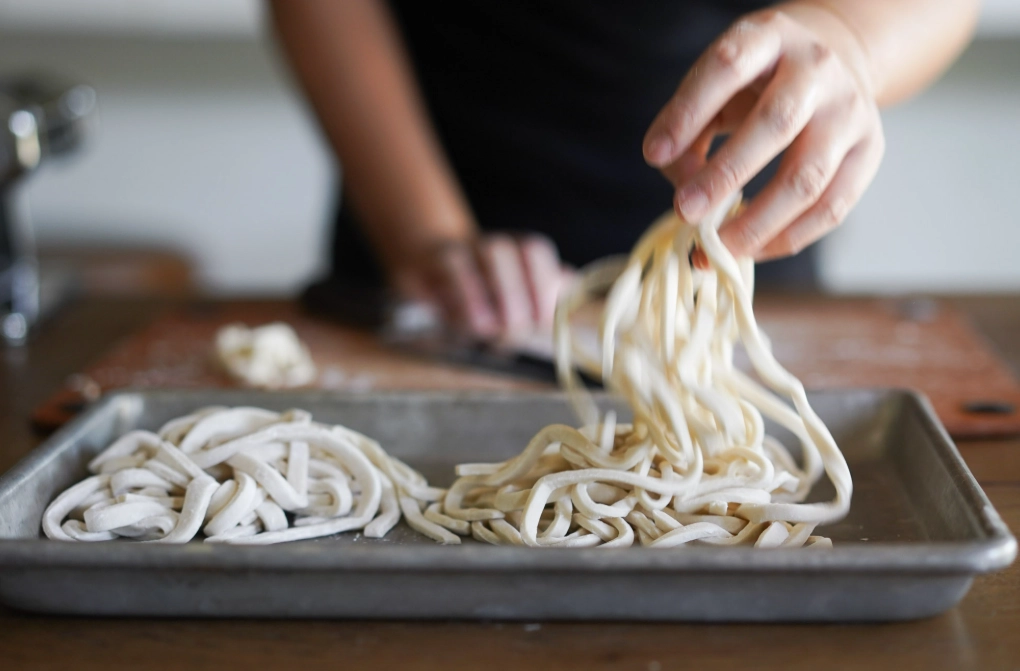
| Type | What It Looks Like | Best For | Key Thing to Know |
|---|---|---|---|
| Dried Udon | Brittle, pale strands in a sealed pack. Shelf-stable. | Pantry staples, long-term storage. Dishes where the noodle needs to absorb flavor from a robust broth. | Requires the most precise cooking. The water-to-noodle ratio and timing are critical to avoid a gummy center. |
| Frozen Udon | Pre-cooked noodles frozen in a block or portioned pack. | Quick weeknight meals. Often praised for having a texture closest to fresh, restaurant-quality udon. | Don't thaw before cooking! Plunge them frozen into boiling water. They're already cooked, so you're just reheating and separating them. |
| Fresh / Pre-Cooked (Chilled) | Soft, pliable noodles sold in vacuum packs in the refrigerated section. | The ultimate convenience. Ready in 1-2 minutes. Perfect for stir-fries (yaki udon) or quick soups. | They often contain salt or oil as a preservative. You might want to give them a very quick rinse to prevent your dish from becoming too salty, especially if using a salty sauce. |
Essential Tools & Ingredients
You don't need fancy gear. A large pot (udon swell a lot), a colander, and a pair of cooking chopsticks or tongs are the basics. Now, here's the controversial part: Do not salt your boiling water. I know it's pasta 101, but most udon, especially dried and fresh, already contain salt. Salting the water can make your final dish unpalatably salty, particularly when paired with soy-based broths. The exception? If you're making udon from absolute scratch with just flour, water, and salt—but that's a different article.
For the broth, having good dashi is the secret weapon. You can make it from kombu and bonito flakes, use instant dashi powder (look for ones without MSG if you prefer), or even a good-quality dashi packet. This is the umami foundation of any great udon soup.
How to Cook Dried Udon Noodles: The Foolproof Method
This is where most people go wrong. Dried udon needs space and attention. Here's the step-by-step I use in my own kitchen.
Bring a massive amount of water to a rolling boil. I'm talking about the biggest pot you have, filled ¾ of the way. For one serving (about 100g of dried udon), use at least 6-8 cups of water. Crowding is the enemy of texture.
Add the noodles to the boiling water. Gently stir immediately to prevent them from sticking to the bottom or each other. No oil needed.
Cook for 8-10 minutes, but start tasting at 8. Package instructions can be vague. You're looking for a firm but tender bite—al dente, but for udon. There should be no hard, white core in the center of a strand. The noodle should offer a slight resistance when you bite it, then give way smoothly.
Here's the critical, often-skipped step: Drain and rinse under cold running water. Use your hands to gently separate and wash the noodles. This stops the cooking process instantly, washing away excess surface starch that makes noodles gummy and sticky. It also firms up the texture, giving you that signature springiness (known as "koshi").
Drain thoroughly. Shake the colander well. No one wants a diluted broth.
Your udon is now ready to be added to hot broth for soup, or tossed in a pan for a stir-fry. If you're not using them immediately, you can keep them in a bowl of cold water for a short while, but I find they're best used right away.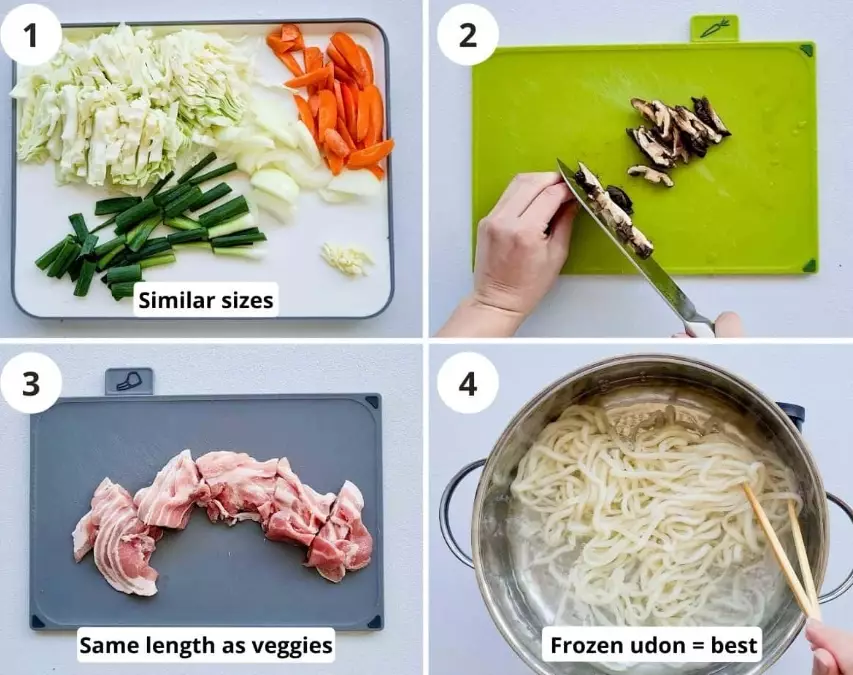
How Do You Cook Frozen Udon Noodles?
Frozen udon is my secret weapon for a 10-minute meal. The method is different, and simpler.
Bring a pot of water to a boil. Do not thaw the noodles. Drop the frozen block directly into the boiling water. Use your chopsticks to gently break the block apart as it softens, which happens in about a minute.
Once the noodles are fully separated and floating (usually 2-3 minutes total), they are done. That's it. Drain and rinse under cold water just like the dried version. This quick shock refreshes them. The beauty of frozen udon is its consistent, chewy texture—it's hard to mess up.
Working with Fresh or Pre-Cooked Udon
These are the easiest. Open the package. The noodles are often stuck together in a lump. Loosen them under warm running water for 10-15 seconds—this washes off the preserving starch or oil and separates the strands.
For soup, you can often just add them directly to your nearly finished, hot broth and cook for 60-90 seconds until heated through. For yaki udon (stir-fry), add them to your pan with the other ingredients at the end, just to coat and heat them.
Beyond Boiling: Popular Udon Dishes to Try
Once you've mastered the basic cook, the world is your oyster... or your udon bowl. Here are two classic ways to use your perfectly cooked noodles.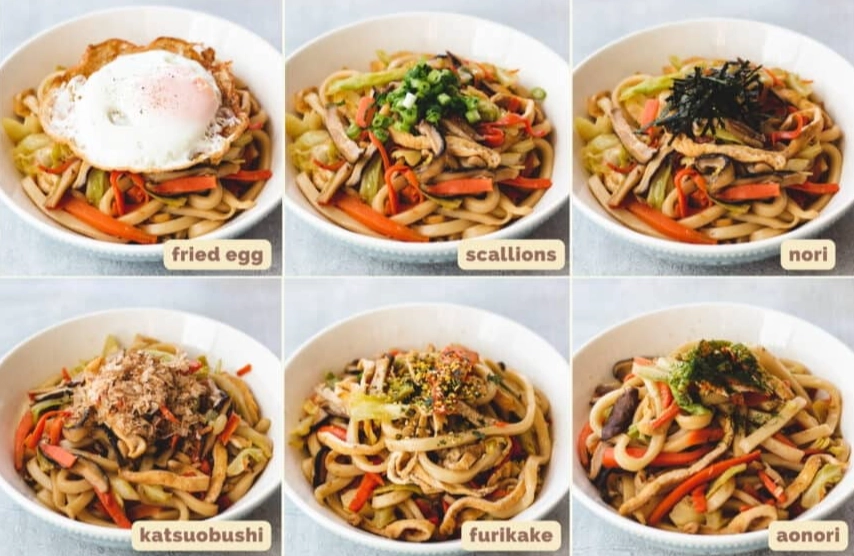
Kake Udon (The Simplest Soup)
This is udon in its purest form. Heat up some dashi broth, season lightly with soy sauce and mirin. Place your hot, rinsed noodles in a bowl. Pour the hot broth over them. Top with thinly sliced scallions and maybe a pinch of shichimi togarashi (Japanese seven-spice). The clean, savory broth lets the texture of the noodle shine.
Yaki Udon (Stir-Fried Udon)
A fantastic way to use up vegetables. Heat oil in a wok or large skillet. Stir-fry sliced pork belly, cabbage, carrots, and mushrooms. Push the veggies to the side, add a splash of oil and your rinsed udon noodles. Let them get a slight char in spots for flavor. Then, mix everything together and sauce with a mix of soy sauce, oyster sauce, and a touch of sugar or mirin. Toss until glossy and hot through.
5 Common Udon Cooking Mistakes (And How to Avoid Them)
Let's cut to the chase. Here are the errors I see all the time, even in otherwise good recipes.
Using too little water. Udon releases a ton of starch. Insufficient water turns into a starchy, gluey bath that coats the noodles, ruining their texture. Always use a large pot with plenty of water.
Skipping the cold rinse. This isn't optional for good texture. It's the step that defines the mouthfeel. The only time you might skip it is if you're adding noodles directly from the boiling pot into a *very* large amount of intensely flavorful, rapidly simmering broth, as some traditional shops do. At home, just rinse.
Thawing frozen udon before cooking. This makes them soggy before they even hit the water. Cook from frozen.
Assuming all types cook the same. Treating dried udon like fresh will give you a hard, inedible core. Treating fresh udon like dried will give you mush. Know your noodle type.
Letting cooked noodles sit in hot broth too long before eating. Udon continues to absorb liquid and soften. For the best texture, assemble your bowl and eat it promptly.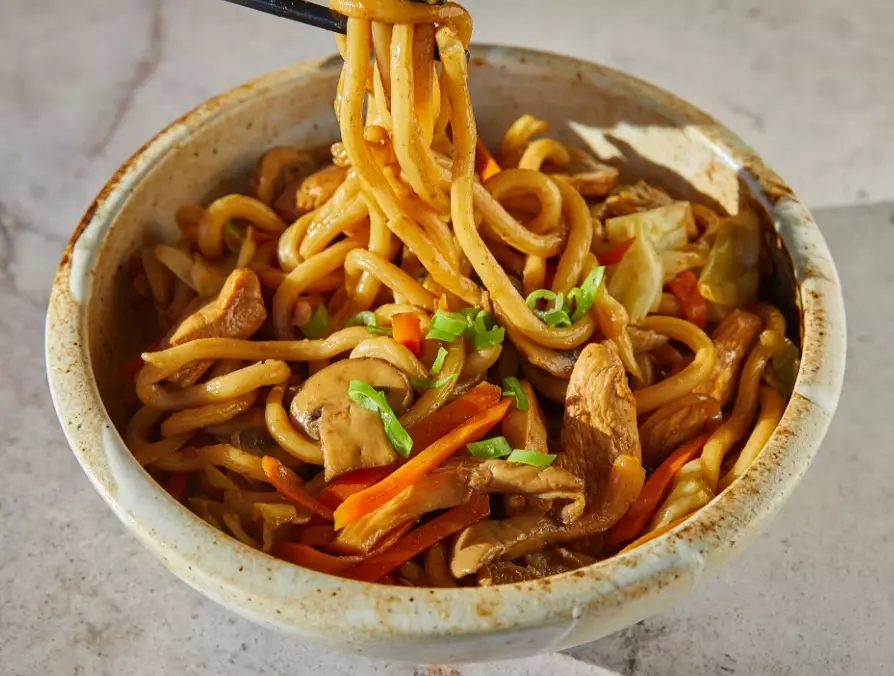
Udon Noodles FAQ
Why are my udon noodles always soggy and mushy?
Can I cook udon noodles ahead of time and reheat them?
Are udon noodles healthy? They seem so dense.
What's the difference between udon, soba, and ramen noodles?
My packaged udon soup always tastes bland. How can I make it better?
The key to great udon isn't a secret ingredient; it's respecting the process. Give the noodles space to move, know which type you're handling, and never, ever skip the cold rinse. Do that, and you'll have a bowl of noodles with that perfect, satisfying chew every time. Now go put that pot of water on.
Reader Comments