Let's be honest. Most of us met ramen through a plastic-wrapped brick of dried noodles and a flavor packet. It was cheap, fast, and salty. Then, maybe you saw a food documentary or walked past a ramen shop with a line out the door. You tried a bowl, and it was a revelation. Rich, complex broth, springy noodles, melt-in-your-mouth pork. That's the gateway. But after that first real bowl, the question hits you: how do I find more of *this*? How do I know what's authentic and what's just a good imitation?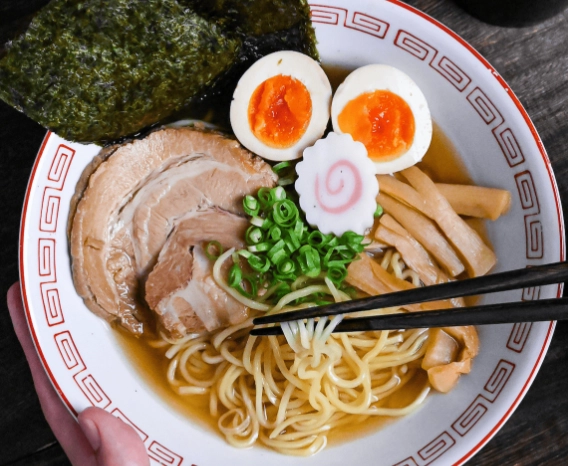
I spent a decade living in Tokyo, and my quest for the perfect bowl turned into an obsession. I've waited in lines for three hours. I've made pilgrimages to tiny shops in back alleys. I've also been disappointed by highly-rated spots that felt like they were playing a character. Authentic ramen isn't just a recipe; it's a mindset, a craft, and a very specific experience. This guide is for anyone who wants to move from curious eater to informed enthusiast.
What's Inside This Guide?
What Exactly is 'Authentic' Ramen?
Authenticity in ramen is a slippery concept. It's not about purity or sticking to some ancient, unchanging formula. Ramen itself is a fusion food, with roots in Chinese wheat noodles adapted by the Japanese. According to historians like George Solt, author of *The Untold History of Ramen*, its modern popularity exploded in post-war Japan as a cheap, filling meal. So, authentic ramen is less about historical accuracy and more about adherence to craft and intent.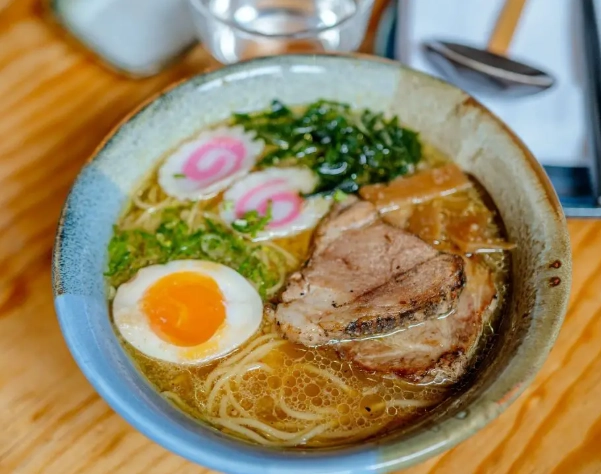
An authentic ramen shop is typically a specialist. The chef (the *ramen-jin* or *taisho*) focuses on perfecting one style, or a very narrow range. The broth is almost always made from scratch, simmered for hours or even days. There's a palpable seriousness to the operation, even in the most casual, counter-only shop. It's about the relentless pursuit of balance and *umami* in that one bowl. The Japan National Tourism Organization often highlights this culinary dedication as a key part of the food travel experience.
Contrast this with many fusion or 'modern' ramen bars. There's nothing wrong with innovation—creamy truffle broths or spicy kimchi ramen can be delicious. But they often prioritize novelty and broad appeal over depth. The broth might be a shortcut, or the toppings might overwhelm the foundation. An authentic spot makes you focus on the fundamentals.
The Four Pillars of an Authentic Ramen Bowl
Deconstruct any great bowl, and you'll find four non-negotiable elements working in harmony. Mess up one, and the whole thing falters.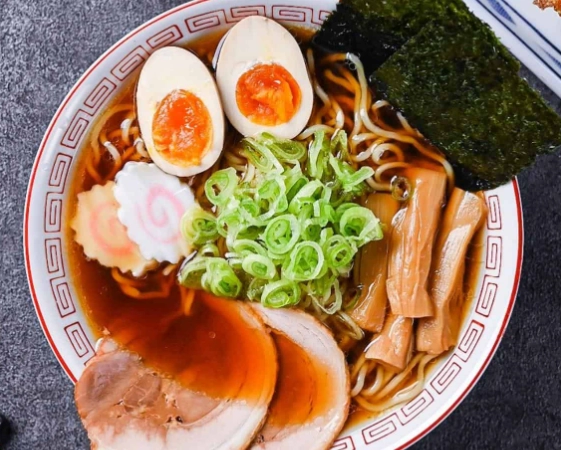
1. The Broth (スープ): The Soul of the Dish
This is where the magic happens. The broth defines the ramen's style. The main categories are:
- Tonkotsu: Milky, opaque, and deeply porky. Made by boiling pork bones, fat, and collagen at a rolling boil for 12+ hours. It's rich, sticky, and coats your lips. Fukuoka's Hakata style is the classic.
- Shoyu: Clear, brown, and savory. A chicken or seafood base seasoned with soy sauce (*shoyu*). It's the oldest style, often lighter and more aromatic. Tokyo is famous for it.
- Miso: Hearty, nutty, and slightly sweet. Fermented soybean paste is blended into a chicken or fish broth. It's a robust, northern style from Hokkaido.
- Shio: Translucent, pale, and delicate. Seasoned with salt (*shio*), it's the lightest broth, designed to highlight the purity of the chicken or seafood base.
The mark of an authentic broth is complexity that builds. It's not just one-note salty. You taste the animal, the vegetables (onions, ginger, garlic), the kombu, the katsuobushi. It has layers.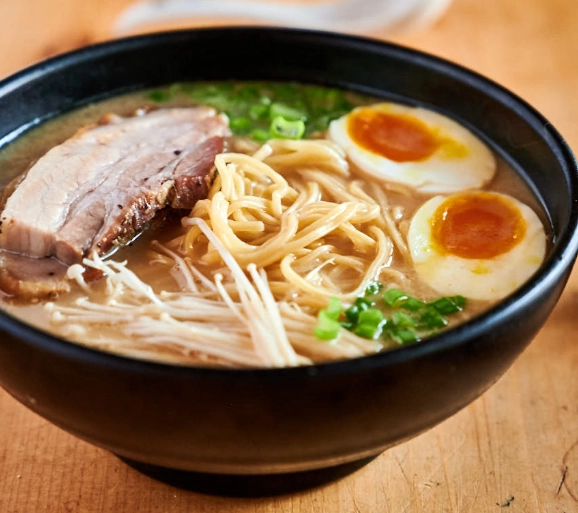
2. The Noodles (麺): The Engine
Noodles are not an afterthought. Their thickness, waviness, water content, and alkalinity (from *kansui* mineral water) are meticulously chosen to pair with the broth. Thin, straight, hard noodles go with rich tonkotsu to slice through the fat. Wavy, medium-thick noodles cling to thicker miso broths. In many authentic shops, you can choose your noodle hardness (*katame*): soft, medium, hard, or very hard (*barikata*). Barikata is a pro move—the firm, al dente bite is fantastic.
3. The Tare (タレ) & Aroma Oil (香味油): The Seasoning & Finish
The *tare* is the concentrated seasoning paste (shoyu, shio, or miso) added to the bowl before the broth. It sets the foundational saltiness and flavor profile. The aroma oil (*abura*) floated on top seals in heat and delivers a final aromatic punch—garlic oil, chili oil, roasted sesame oil, or backfat (*seabura*). This is a subtle but critical layer most casual eaters miss.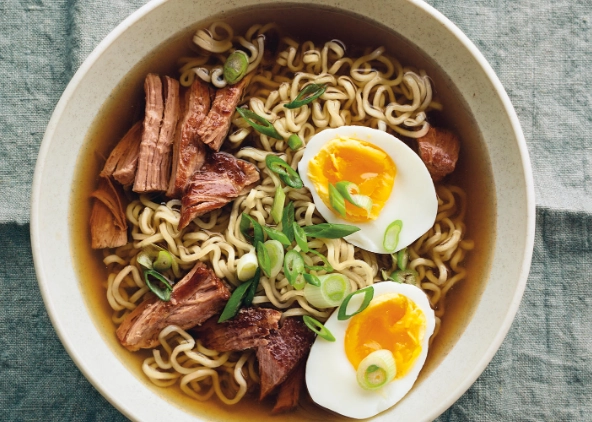
4. The Toppings (具): The Accents, Not the Star
Chashu (braised pork belly or shoulder), menma (fermented bamboo shoots), a marinated soft-boiled egg (*ajitsuke tamago*), nori, green onions. They complement, not dominate. The egg should be jammy, sweet, and salty. The chashu should be tender enough to break with chopsticks. A common pitfall is judging a bowl solely by the size of the pork slice. The egg is often a better indicator of kitchen care.
A Quick Guide to Ramen Styles
| Style | Broth Base | Key Characteristic | Origin City | Noodle Type |
|---|---|---|---|---|
| Hakata Tonkotsu | Pork Bones | Cloudy, rich, pork-forward | Fukuoka | Thin, Straight, Firm |
| Tokyo Shoyu | Chicken + Seafood | Clear, savory, soy-sauce seasoned | Tokyo | Curly, Medium |
| Sapporo Miso | Chicken + Miso Paste | Hearty, nutty, often with butter & corn | Sapporo | Thick, Wavy |
| Kyoto Shio | Chicken + Seafood | Light, clear, delicate salt seasoning | Kyoto | Straight, Thin-Medium |
Where to Find Authentic Ramen: A Curated Shortlist
Forget the tourist traps with giant plastic models. Here are a few spots, in Japan and abroad, that get the fundamentals right. This isn't a definitive top 10, but a personal list of places that exemplify authenticity.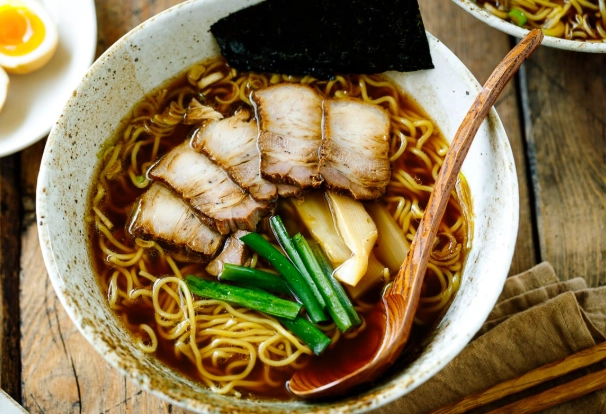
In Japan (The Hall of Fame)
Ichiran (Various locations, starting in Fukuoka): Yes, it's a chain. Yes, it's famous. But it perfects the Hakata tonkotsu experience with obsessive consistency. The solo dining booths (*味集中席*) force you to focus on the bowl. It's a masterclass in a single style. Go to the origin shop in Fukuoka if you can. Expect lines, but they move fast. A basic bowl runs about 900-1200 yen.
Afuri (Ebisu, Tokyo & others): Famous for its yuzu-shio ramen. The broth is a light chicken and seafood blend, perfumed with a hit of fresh yuzu citrus. It's a brilliant, modern take that still respects clarity and balance. The noodles are thin and delicate. It's a great entry point for those who find tonkotsu too heavy. Budget 1200-1500 yen.
Ramen Sen no Kaze (Pontocho, Kyoto): Tucked in an alley in Kyoto's geisha district, this place does a phenomenal rich chicken paitan (milky chicken broth) ramen. The broth is luxuriously smooth, and their chashu is some of the best I've had—slow-braised until it's almost custardy. It's a lesson in refined richness. Be prepared for a long queue. Bowls are around 1100 yen.
Outside Japan (The Diaspora Done Right)
Finding authenticity abroad is harder. Look for shops where the chef trained in Japan or sources specific ingredients like *kansui* and high-grade soy sauce.
Nakamura (Los Angeles, USA): Chef Shigetoshi Nakamura is a legend. His downtown LA spot serves a stellar tonkotsu gyokai (pork and seafood blend) broth that is deeply layered and complex. It's not just rich; it's intelligent. The Michelin Guide has recognized it, which is rare for a ramen shop. Bowls start at $16.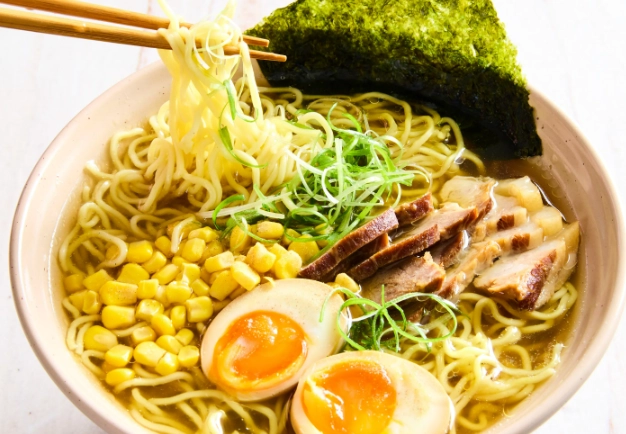
Menya Kokoro (Toronto, Canada & others): Known for their Tokyo-style mazesoba (brothless ramen), but their soup ramen is seriously underrated. Their shoyu broth has a clean, profound depth. They make their noodles in-house, which is a huge commitment outside Japan. A solid, no-frills authentic experience. Around $14 CAD.
How to Eat Ramen Like a Local?
There's an etiquette, but it's all about enjoyment. Don't be intimidated.
Slurp. Seriously. It cools the noodles, aerates them, and pulls the broth along, enhancing flavor. It's expected and polite.
Taste the broth first. Before mixing in anything, sip the pure broth from the spoon. Appreciate the base flavor.
Eat quickly. Ramen is a fast food. The noodles continue to cook in the hot broth. Don't let them get soggy. 10-15 minutes is a typical pace.
You can ask for more noodles (*kaedama*). In many styles (especially Hakata), you can order a refill of noodles for a small fee after you finish the first portion. Don't ask for it at the start.
What's the Biggest Mistake First-Timers Make?
Focusing only on the hype and the toppings. The biggest letdown I see is people going to a famous shop, seeing a huge piece of pork or a black garlic oil swirl, and thinking that's what makes it great. They ignore the broth. If the broth is thin, unbalanced, or tastes like it came from a powder, no amount of fancy topping will save it.
My advice? On your first visit to any highly-recommended shop, order the standard, classic bowl (*shoyu* or *tonkotsu*). Not the limited edition truffle special. This is the chef's baseline, their signature. If that's excellent, then you can explore their creative variations. A shop that can't nail the classic can't be trusted with the experimental.
Your Authentic Ramen Questions, Answered
The journey into authentic ramen is endless. There's always another regional style, another master chef, another subtle variation to try. It teaches you to pay attention—to the color of the broth, the smell of the oil, the texture of the noodle. Start with the classics, trust the lines, slurp without shame, and always taste the broth first. That's where the real story is.
Reader Comments