You've probably seen the pictures: a beautiful lacquer tray filled with small, colorful dishes—grilled fish, a bowl of miso soup, pickles, rice. It looks almost too perfect to eat. That's the classic image of Japanese breakfast foods. But it's not just a pretty plate; it's a nutritional powerhouse and a cultural ritual that sets the tone for the entire day. Forget sugary cereals or rushed toast. A traditional Japanese breakfast is about balance, seasonality, and mindful eating. It’s why many consider it one of the healthiest breakfast traditions globally. Let's peel back the layers of this iconic morning meal.
Your Quick Guide to Japanese Breakfast
What is a Traditional Japanese Breakfast? (The Ichiju-Sansai Principle)
The foundation is called "Ichiju-Sansai" (一汁三菜), which translates to "one soup, three dishes." This isn't a random assortment. It's a centuries-old principle designed to deliver a complete spectrum of nutrients and flavors. The Japan National Tourism Organization often highlights this as a core part of washoku (traditional Japanese cuisine), recognized as a UNESCO Intangible Cultural Heritage.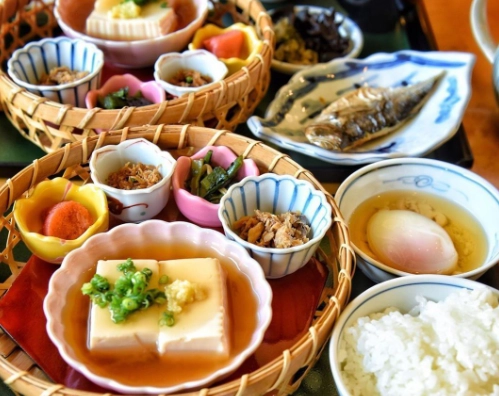
Here’s what typically makes up that "three dishes plus soup" core, alongside the ever-present staples:
| Component | Common Examples | Purpose & Note |
|---|---|---|
| Staple: Rice | Steamed white rice (gohan), sometimes mixed with barley (mugi) | The energy base. Short-grain Japanese rice is slightly sticky. It's the anchor of the meal. |
| The "One Soup" | Miso soup (with wakame seaweed, tofu, green onion) | Provides warmth, hydration, and probiotics from fermented miso. The cornerstone of the meal. |
| Main Dish (1st Side) | Grilled fish (saba/mackerel, salmon, shishamo), tamagoyaki (rolled omelet), or natto (fermented soybeans) | The primary protein source. Grilled fish is most iconic. |
| Side Dish 1 (2nd Side) | A vegetable dish like spinach with sesame (ohitashi), simmered kabocha squash, or green beans | Provides vitamins, minerals, and fiber. |
| Side Dish 2 (3rd Side) | Japanese pickles (tsukemono) like takuan (daikon), umeboshi (pickled plum), or cucumber pickles | Aids digestion, adds a sharp, palate-cleansing flavor. |
| Extras | Nori (seaweed sheets), green tea | Nori for wrapping rice; green tea for a clean, caffeine finish. |
It looks like a lot. And in a modern home, the full spread might be reserved for weekends. But the principle remains: a balance of protein, vegetables, fermented foods, and carbohydrates, all served at once to be eaten in small alternating bites.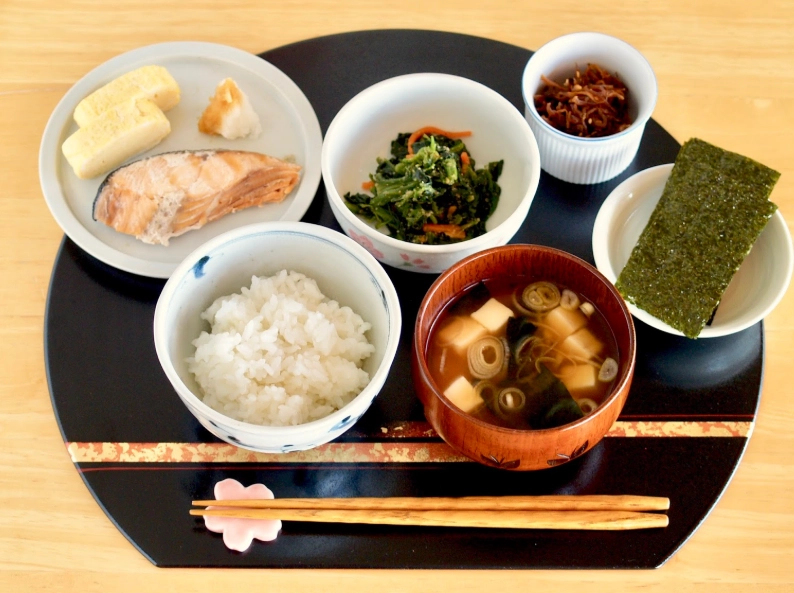
The Health Benefits of a Japanese Breakfast: Why It's Worth the Effort
Why go through this trouble? The benefits are backed by more than just tradition. Studies, including those referenced by Japan's Ministry of Health, Labour and Welfare, often link the traditional Japanese dietary pattern to longevity and lower rates of obesity and heart disease.
Let’s break down why this meal works so well:
It’s Naturally Nutrient-Dense and Balanced. You're getting lean protein (fish), complex carbs (rice), healthy fats (fish oils, sesame), fiber (vegetables, seaweed), and probiotics (miso, natto) all in one sitting. There's no single nutrient overload.
Fermented Foods are Front and Center. Miso and natto are probiotic powerhouses. They support gut health, which is linked to everything from immunity to mood. Natto, in particular, is a unique source of vitamin K2 and the enzyme nattokinase.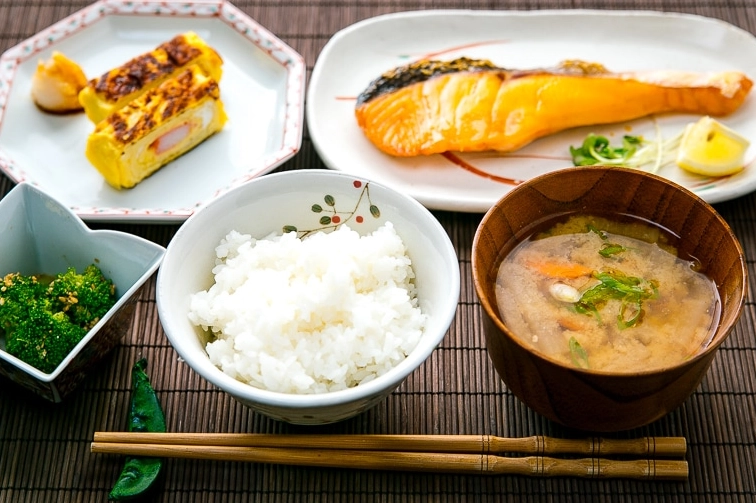
Low in Added Sugar and Saturated Fat. Compare this to a standard Western breakfast of pancakes with syrup, bacon, and sugary coffee. The Japanese breakfast avoids the mid-morning blood sugar crash, providing sustained energy.
Portion Control is Built-In. The use of small, individual dishes for each component naturally limits portion sizes. You eat until each small bowl is empty, not until you're stuffed from a single large plate.
I switched to a simplified version of this breakfast years ago when working in Tokyo. The difference in my energy levels and focus before lunch was undeniable. No more 11 a.m. hunger pangs.
How to Make a Japanese Breakfast at Home (A Realistic Guide)
Thinking you need to get up at 5 a.m. to cook seven dishes? Not at all. Here’s how to approach it, from a "weekday hack" to a more authentic "weekend project."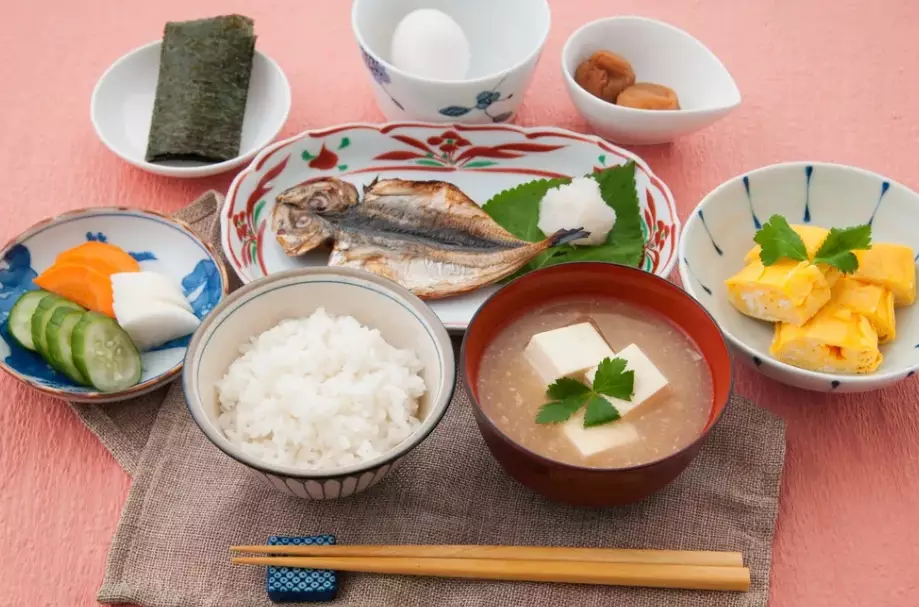
The 10-Minute Weekday Version
This is about capturing the spirit, not the full archaeology.
- Rice: Use a rice cooker with a timer so it's ready when you wake up. Leftover rice reheated in the microwave or steamed is fine.
- Protein: Pre-cooked frozen grilled salmon or mackerel. Pop it in the toaster oven or air fryer for 8 minutes. Or, a soft-boiled egg.
- Soup: Quality instant miso soup (look for ones with freeze-dried tofu and wakame). Just add hot water.
- Vegetable: A handful of pre-washed salad greens with a drizzle of sesame dressing, or some leftover steamed broccoli.
- Pickle: A small spoonful of store-bought pickled ginger or daikon from an Asian market.
Arrange it on a plate or a simple tray. Boom. You've got 80% of the benefits in a fraction of the time.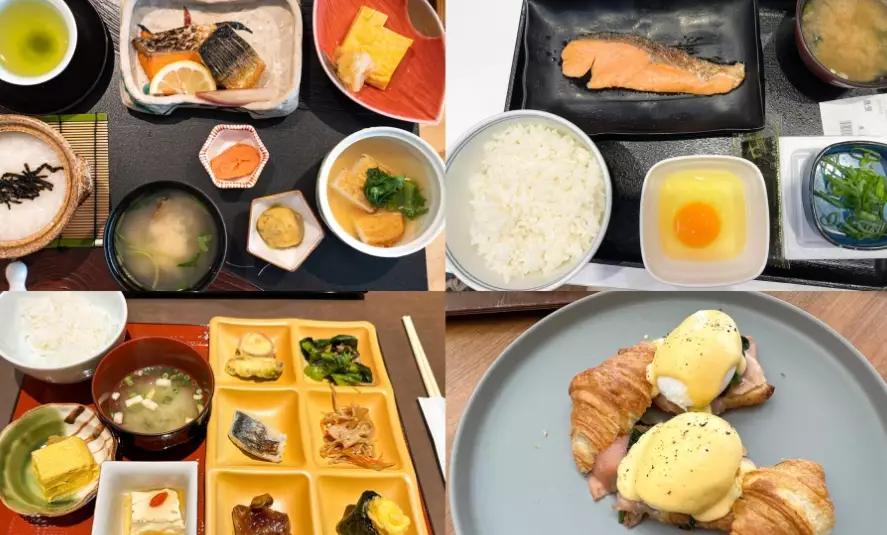
The Authentic Weekend Project
This is for when you want the full experience. Plan and prep a bit the night before.
1. The Rice: Nothing beats freshly steamed short-grain rice. Rinse it well until the water runs clear. This removes excess starch for a better texture.
2. The Main Protein - Grilled Fish: Salmon or mackerel fillets are forgiving. Pat them dry, lightly salt them, and let them sit for 10 minutes (this firms up the skin). Grill skin-side down in a hot pan or under a broiler until the skin is crispy. A splash of soy sauce and mirin at the end makes a simple glaze.
3. The Soup - Miso Soup: The secret is dashi, the Japanese stock. You can make quick dashi by simmering a piece of kombu seaweed and a handful of bonito flakes in water for 10 minutes, then straining. Dissolve miso paste in a ladle of the hot dashi before adding it back to the pot to avoid clumps. Add cubed silken tofu and rehydrated wakame at the end.
4. The Sides: Spinach ohitashi is easy: blanch spinach, squeeze out water, and dress with soy sauce, dashi, and sesame seeds. Pickles can be store-bought for authenticity—try umeboshi (pickled plum). Its intense sour-salty flavor is a wake-up call for your taste buds.
Where to Eat an Authentic Japanese Breakfast in Japan
To truly understand it, you need to try it in context. Here are three distinct types of places where you can experience an authentic morning meal, based on my travels.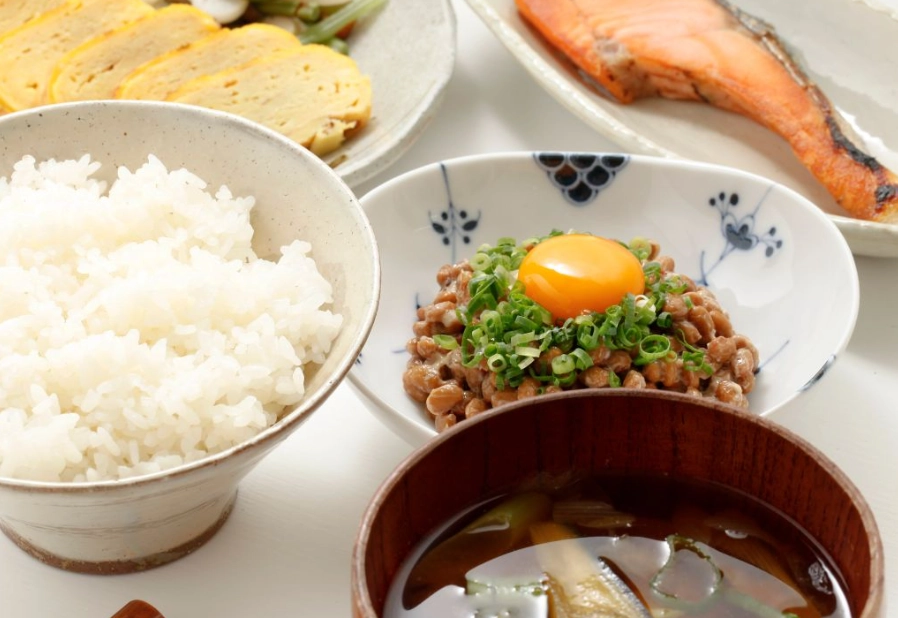
1. Traditional Ryokan (Inn) - The Ultimate Experience
This is the pinnacle. A multi-course breakfast is often included in your stay. It’s served in your room or a dining hall, on beautiful tableware.
What to expect: The full ichiju-sansai spread, often with local specialties. In Kyoto, you might get yudofu (simmered tofu); in Hokkaido, fresh salmon roe.
Example: Gion Hatanaka, Kyoto
- Address: 505 Gionmachi Minamigawa, Higashiyama Ward, Kyoto
- Breakfast: A gorgeous Kyoto-style set meal. Expect delicate flavors, seasonal vegetables, and possibly a small portion of kaiseki-inspired dishes.
- Price: Included with room rates ($$$$).
- Verdict: Unforgettable and worth the splurge for a special occasion.
2. Business Hotel Chains - The Reliable Standard
Need a great, no-fuss breakfast? Chains like Dormy Inn or Mitsui Garden Hotels often have excellent buffet breakfasts.
What to expect: A mix of Japanese and Western options. You can build your own perfect plate: grilled fish, miso soup, rice, pickles, salad, and maybe even fresh noodles.
Example: Dormy Inn Premium, Ginza (Tokyo)
- Address: 4-9-2 Ginza, Chuo City, Tokyo
- Breakfast Hours: Typically 6:30 AM - 10:00 AM
- Price: Around 1,500 - 2,000 yen if not included.
- Verdict: Practical, high-quality, and lets you try a bit of everything. Their miso soup is usually top-notch.
3. Morning-Only Restaurants (Asa-shokudō) - The Local Spot
These are gems, often found near markets or residential areas. They cater to locals starting their day.
What to expect: A simple, hearty, and affordable set menu. Usually a set price for rice, miso soup, a protein (fish or egg), and pickles. Coffee or tea included.
Example: Tsukiji Market Area, Tokyo
Many small eateries around the outer market serve breakfast sets to market workers and visitors. Look for places with plastic food models outside showing a simple fish set for 600-800 yen. It’s basic, fast, and the fish is incredibly fresh.
Verdict: For authenticity and value, this is hard to beat. The atmosphere is pure, unfiltered Japan.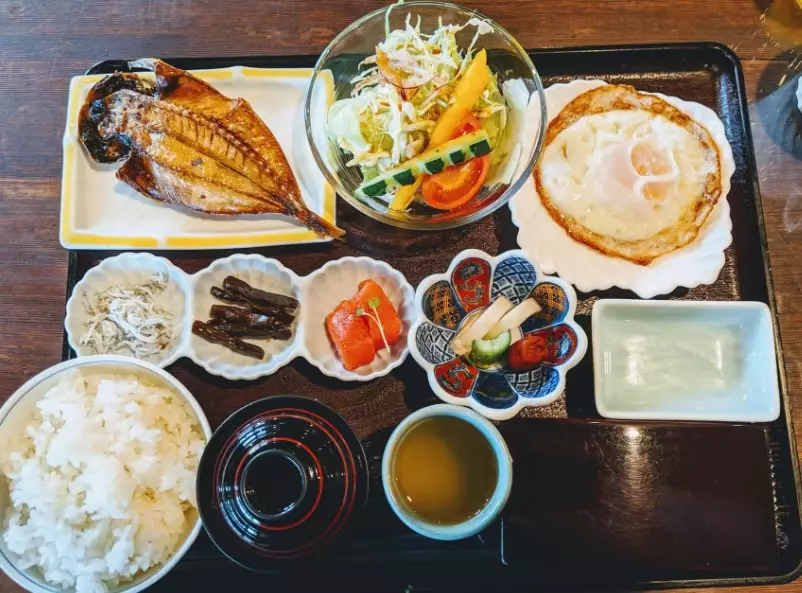
Reader Comments