Let's cut straight to the point. A perfect Sake Maki isn't just about rolling salmon in seaweed. It's a balance of texture, temperature, and subtle seasoning that most home cooks—and even some mid-tier restaurants—get wrong. The rice is either too warm and mushy or too cold and hard. The salmon is often sliced against the grain, making it chewy. And the wasabi? Usually a green paste from a tube that overpowers everything. After making these rolls for over a decade, I've seen the same mistakes repeated. This guide is here to fix that. We'll go beyond the basic recipe and dive into the *why* behind each step, so you can make restaurant-quality, or better, salmon sushi rolls at home.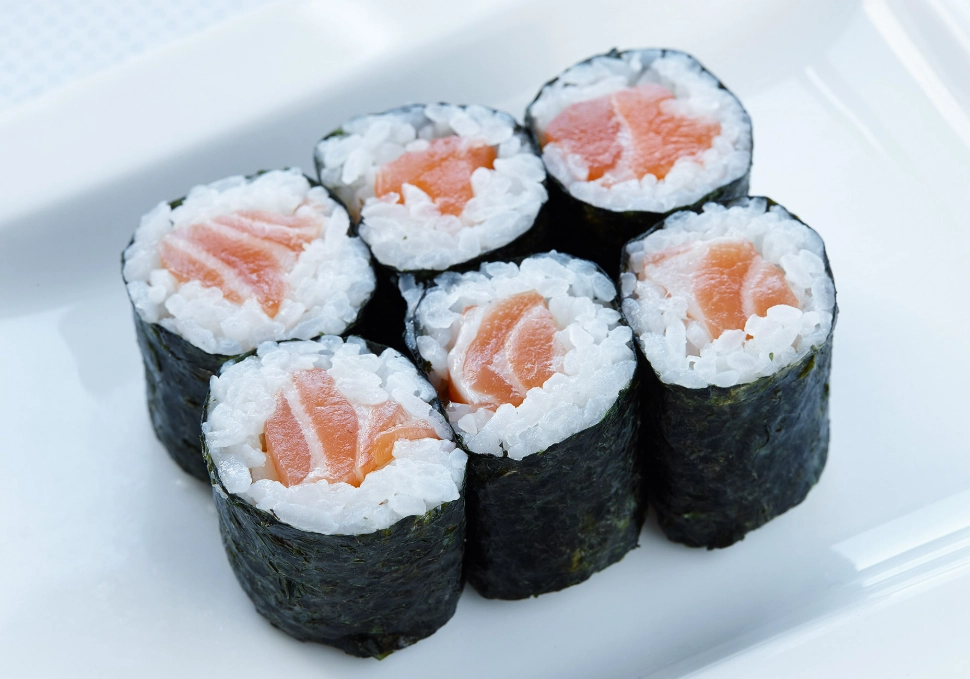
What's Inside This Sake Maki Guide?
What Exactly Is Sake Maki? (It's Not What You Think)
Sake Maki (鮭巻き) is a classic hosomaki, or thin roll, in Japanese cuisine. It consists of just three core components: sushi rice, nori (seaweed sheet), and raw salmon. That's it. No cucumber, no avocado, no cream cheese. Its simplicity is its strength, forcing you to focus on the quality of each element.
Here's a nuance most miss: "Sake" here refers to the fish, salmon, not the rice wine. The Japanese word for salmon is "鮭" (shake/sake). The rice wine is "酒" (sake). It's a homophone that causes confusion. In sushi contexts, "sake" almost always means the fish.
It's often confused with a California Roll with salmon swapped for crab. That's a different beast entirely—a thick, inside-out roll with multiple fillings. A true Sake Maki is slender, elegant, and highlights the salmon.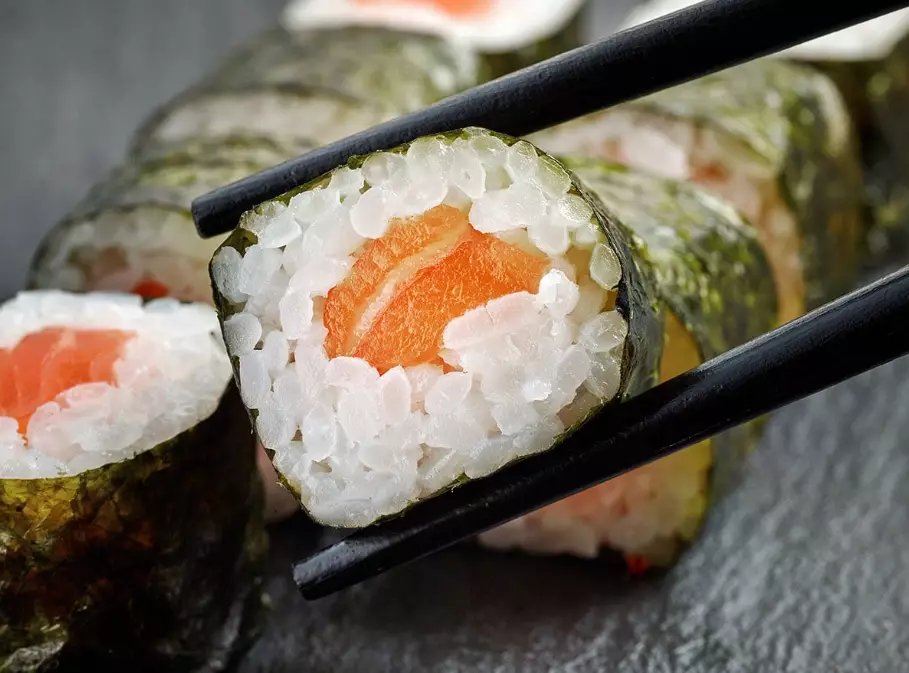
The Sake Maki Ingredients Breakdown: Quality Over Everything
Get these wrong, and your roll is doomed from the start. Let's break down each component with a critical eye.
The Salmon: Sourcing and Slicing
You need sushi-grade salmon. This isn't a marketing term you can ignore. It means the fish has been frozen to a specific temperature (like -20°C/-4°F for 7 days) to kill parasites, as recommended by the U.S. Food and Drug Administration. Don't buy "fresh" salmon from a regular seafood counter unless you're 100% sure of its handling.
Look for bright orange or deep red flesh with firm, visible fat marbling (those white lines). Avoid any fish with a dull color, gaping flesh, or a strong fishy smell.
Slice against the grain? No. For sushi, you slice with the grain into long, thin strips. Cutting against the grain shortens the muscle fibers, which can make the salmon feel crumbly or separate in your mouth. You want a smooth, buttery bite.
The Rice: The Heart of the Matter
Short-grain Japanese rice is non-negotiable. Brands like Koshihikari or Tamaki Gold are excellent. The rice needs to be sticky but separate. The seasoning is just rice vinegar, sugar, and salt. No olive oil, no lemon juice.
The temperature is critical. Most guides say "room temperature." That's too vague. Aim for body temperature, around 35-38°C (95-100°F). If it's too hot, it cooks the salmon slightly and makes the nori soggy. Too cold, and the rice hardens and loses its delicate flavor. Spread it on a flat dish (a *hangiri* or large baking tray) and fan it while mixing in the seasoning to cool it down quickly and give it a glossy shine.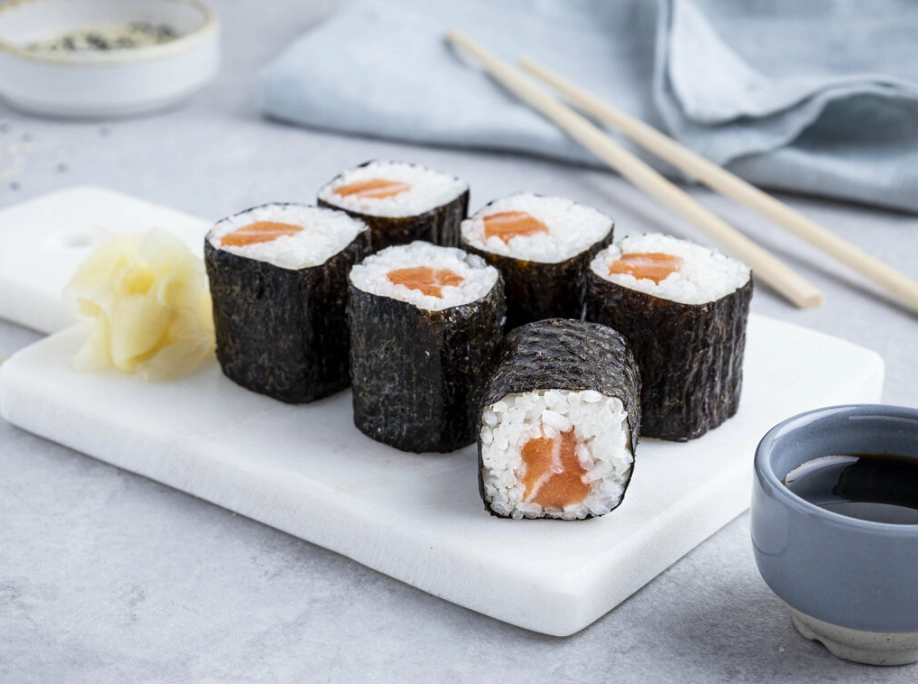
The Nori and Wasabi
Use toasted yakinori sheets. They should be crisp, dark green, and fragrant. Store them in an airtight container with a desiccant packet. Limp nori ruins the texture.
For wasabi, the tubed paste is mostly horseradish, mustard, and green dye. It's harsh. If you can't get fresh wasabi root (which is expensive and rare), look for powder or paste that lists "wasabi" as the first ingredient. The difference in flavor—a complex, herbal heat that fades quickly—is night and day.
| Ingredient | What to Look For | What to Avoid | Pro Tip |
|---|---|---|---|
| Salmon | Sushi-grade, labeled for raw consumption. Bright color, firm fat lines. | "Fresh" non-sushi-grade salmon. Dull, soft flesh. | Ask your fishmonger. A reputable one will tell you what's safe for sashimi. |
| Sushi Rice | Japanese short-grain (Japonica) rice like Koshihikari. | Long-grain, jasmine, or instant rice. | Rinse until water runs almost clear. Soak for 30 mins before cooking. |
| Nori | Full-size toasted sheets (yakinori). Crisp and snaps cleanly. | Snack nori or sheets that feel bendy. | Quickly pass the shiny side over a low flame before using to reactivate crispness. |
| Wasabi | Powder or paste with real wasabi (Wasabia japonica) high on the list. | Tubes of pure horseradish & dye. | Mix powder with cold water, let it sit for 5 mins to develop flavor. |
How to Make Sake Maki: A Foolproof Step-by-Step Roll
Gather your tools: a sharp knife, a bamboo rolling mat (*makisu*), a bowl of water with a splash of vinegar (for wetting your hands), and a damp cloth.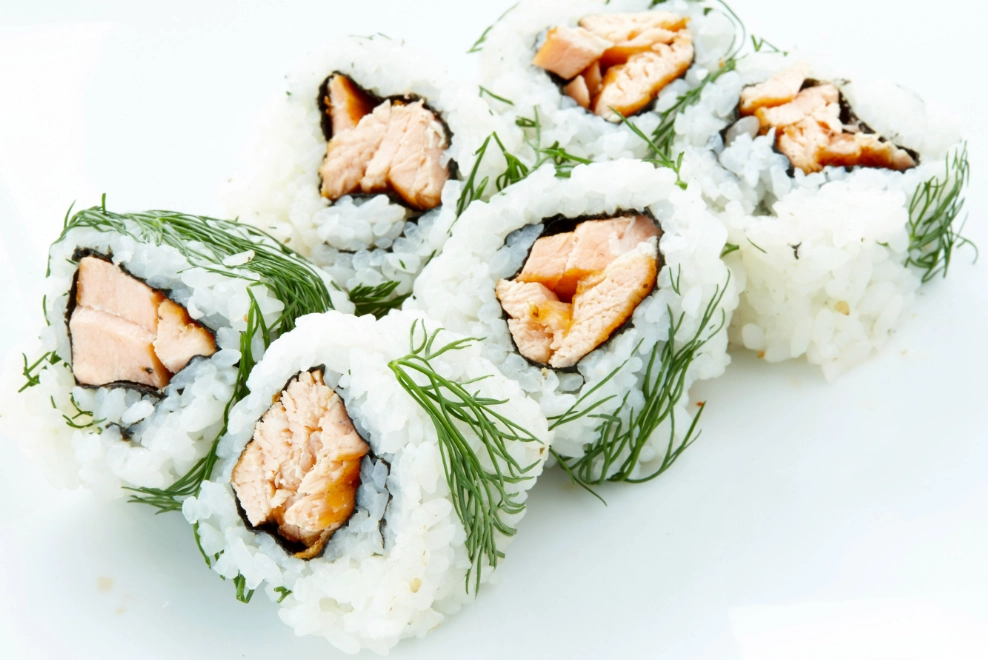
1. Prep Your Station
Place the bamboo mat on the counter with the slats running horizontally. Put a full sheet of nori on it, shiny side down. Have your bowl of seasoned rice, sliced salmon, and wasabi within easy reach.
2. Spreading the Rice
Wet your hands in the vinegar water to prevent sticking. Grab a handful of rice (about 120-150g for a full sheet). Gently spread it over the nori, leaving a 1-inch (2.5 cm) bare strip at the top far edge. This is the seal. Press the rice evenly but don't smash it. You should still see bits of nori through a thin layer of rice.
3. Adding the Fillings
Using your finger, draw a thin line of wasabi horizontally across the center of the rice. Don't overdo it. Place 1-2 strips of salmon along that line, end to end.
4. The Rolling Technique
This is where people panic. Lift the edge of the mat closest to you, using your thumbs. Fold it over the fillings, tucking the nori edge just under them. Squeeze gently to form a tight cylinder. Now, roll forward, applying even pressure along the length of the roll. When you reach the bare nori edge, moisten it with a bit of water or rice grain and complete the roll. The moistened edge will act as glue. Give the rolled mat a firm, gentle squeeze along its length to compact everything.
5. Cutting the Roll
Unwrap the mat. Have your very sharp, wet knife ready. Wipe the blade with a damp cloth between each cut. Place the roll seam-side down. Cut it cleanly in half. Align the two halves side by side and cut each half into thirds, giving you six pieces. Don't use a sawing motion; use a single, confident downward stroke. If the rice sticks, wet the knife again.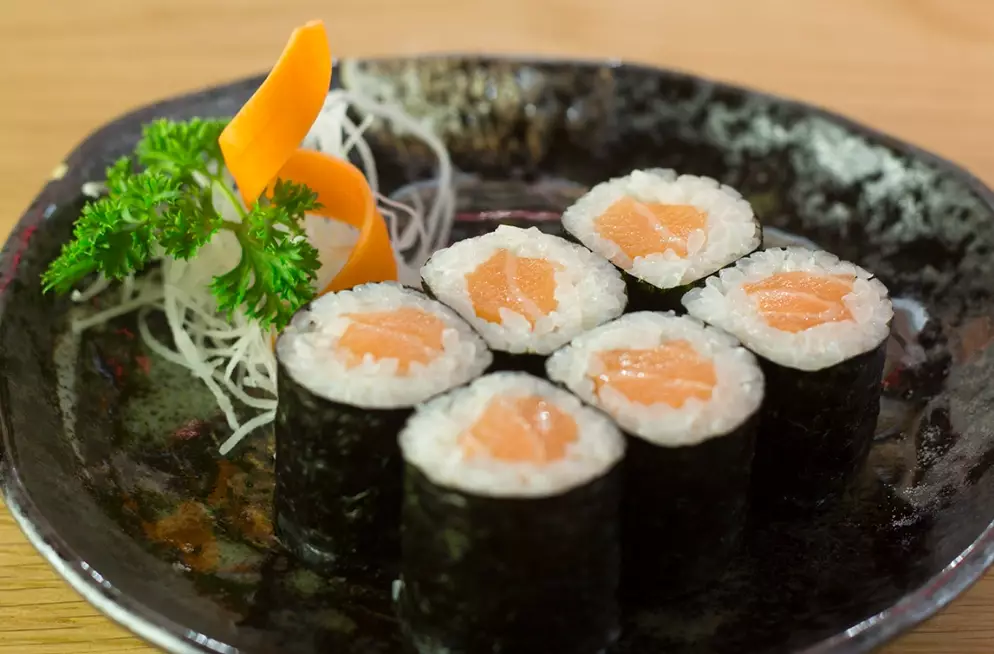
Beyond Basic: Common Sake Maki Variations & Twists
While the classic is supreme, here are some popular spins you'll encounter.
Sake Kyuri Maki: This adds a strip of Japanese cucumber (*kyuri*) alongside the salmon. It adds a refreshing crunch. Deseed the cucumber to avoid excess water.
Aburi Sake Maki: After rolling, briefly torch the outside of the roll with a kitchen blowtorch. The lightly charred nori and warmed salmon create a smoky, rich flavor. A game-changer.
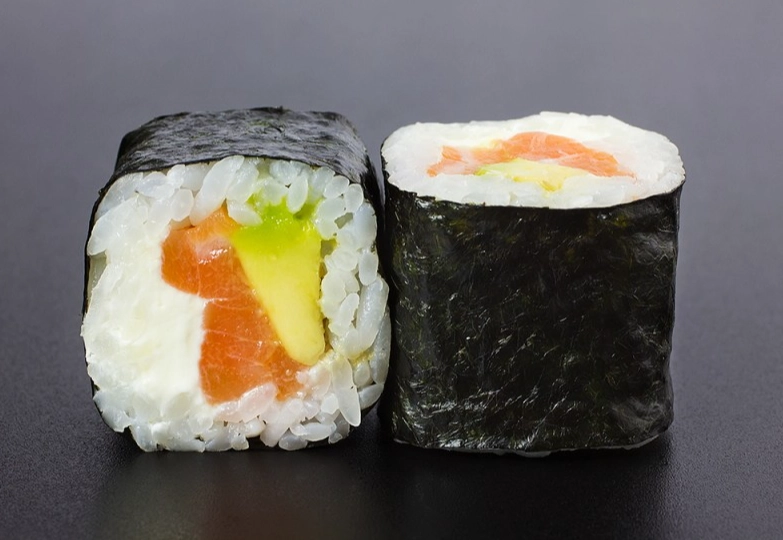
Uramaki (Inside-Out) Style: This is more common outside Japan. You spread rice on the nori, flip it over, put salmon (and maybe avocado) on the nori side, then roll so the rice is on the outside. Often rolled in sesame seeds. It's easier for beginners but strays from the traditional texture.
Serving and Eating Sake Maki Like a Pro
Arrange the pieces on a plain plate, cut-side up. Serve immediately with pickled ginger (*gari*), wasabi, and soy sauce.
Here's the etiquette most ignore: Don't mix wasabi into your soy sauce dish. It's considered disrespectful to the chef's seasoning. Instead, place a small dab of wasabi directly on the fish side of the piece with your chopsticks. Then, dip only the fish corner—*not the rice*—lightly into the soy sauce. This prevents the rice from soaking up too much sauce and falling apart.
Eat it in one bite if you can. It's designed that way to experience all flavors and textures at once.
Your Sake Maki Questions, Answered
 How long in advance can I make Sake Maki?
Making great Sake Maki is a skill that rewards patience. Start with the best ingredients you can find, respect the process, and don't be discouraged if your first rolls are messy. Even my early attempts looked more like abstract art than sushi. The key is that they tasted amazing because the salmon and rice were right. Focus on that, and the rolling technique will come with practice. Now go grab some salmon and give it a try.
Reader Comments