If you've ever bitten into a perfectly fried piece of Japanese tonkatsu (pork cutlet) or ebi fry (fried shrimp) and wondered how they achieve that impossibly light, airy, and shatteringly crisp coating, the answer is almost always one thing: panko. Far from the fine, sandy breadcrumbs common in Western cooking, panko is a unique style of Japanese bread crumb that creates a crust with more crunch, less oil absorption, and a dramatically better texture. It's not just an ingredient; it's a fundamental technique in Japanese frying that elevates simple dishes to something extraordinary. Let's dive into what makes panko different, how to use it like a pro, and why it's become a global pantry staple.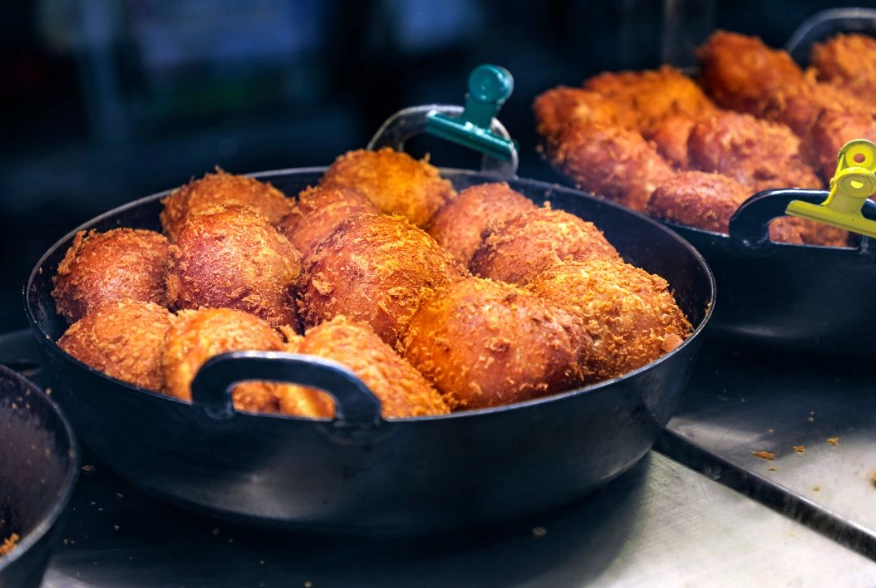
What You'll Find in This Guide
What Exactly is Panko (And How Is It Made?)
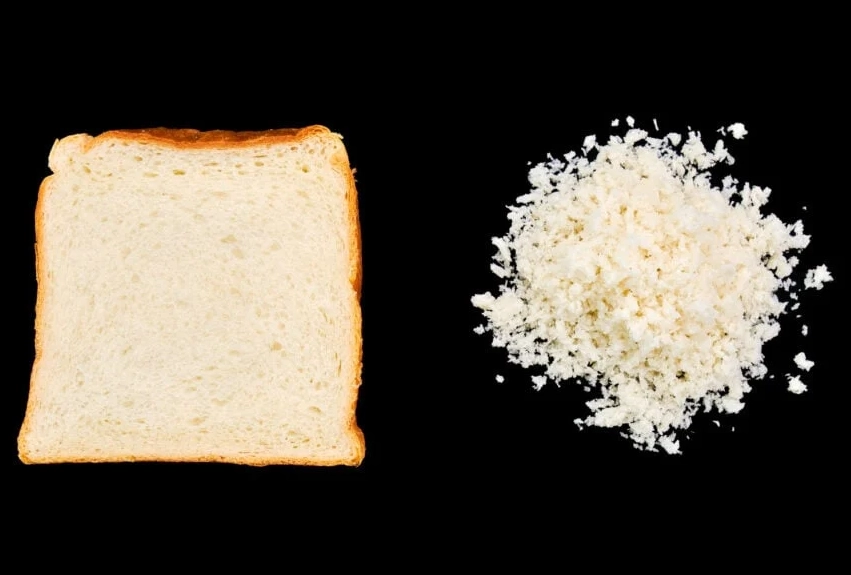
Panko (パン粉) translates simply to "bread powder" or "bread flakes." Its origin story is practical, not ancient. While bread itself wasn't historically a Japanese staple, its introduction led to creative use of leftovers. Modern commercial panko production, however, is a precise science. It's made from crustless white bread that's baked by passing an electrical current through the dough—a method that minimizes crust formation and creates a very airy, even texture. This bread is then coarsely ground or grated, producing those signature large, flaky, shard-like pieces.
The magic is in the structure. Those big, jagged flakes have more surface area and create tiny air pockets. When fried, they crisp up uniformly but remain light, creating a delicate, craggy armor around the food. They don't pack down into a dense, greasy layer like finer crumbs can.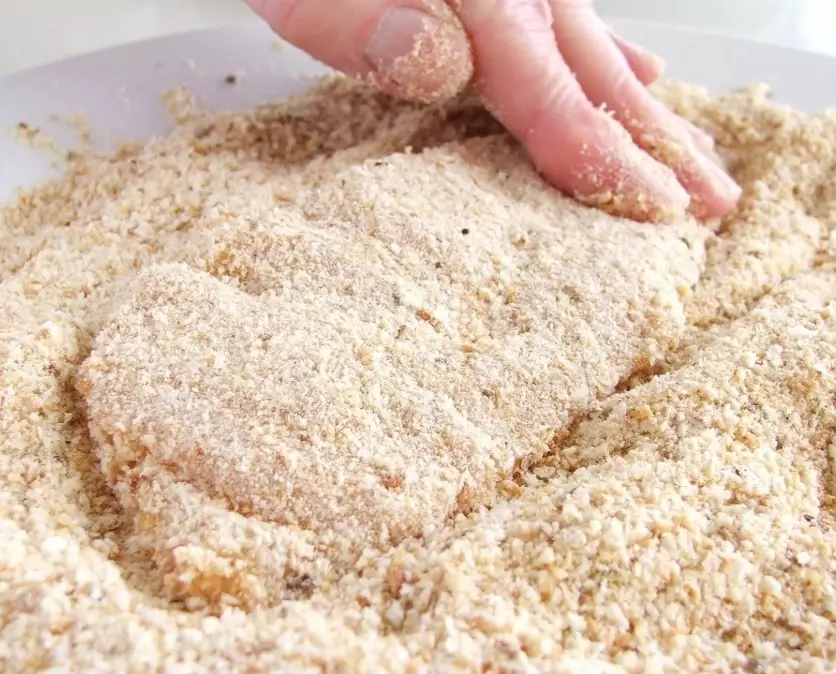
Panko vs. Regular Breadcrumbs: A Side-by-Side Showdown
Don't make the mistake of thinking they're interchangeable. Using the wrong type can ruin a dish's texture. Here’s the breakdown:
| Characteristic | Panko (Japanese) | Regular / Western Breadcrumbs |
|---|---|---|
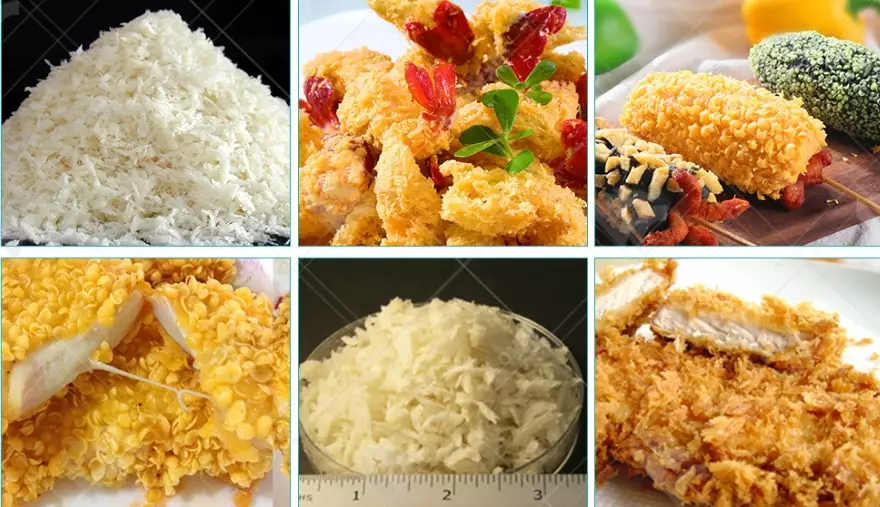
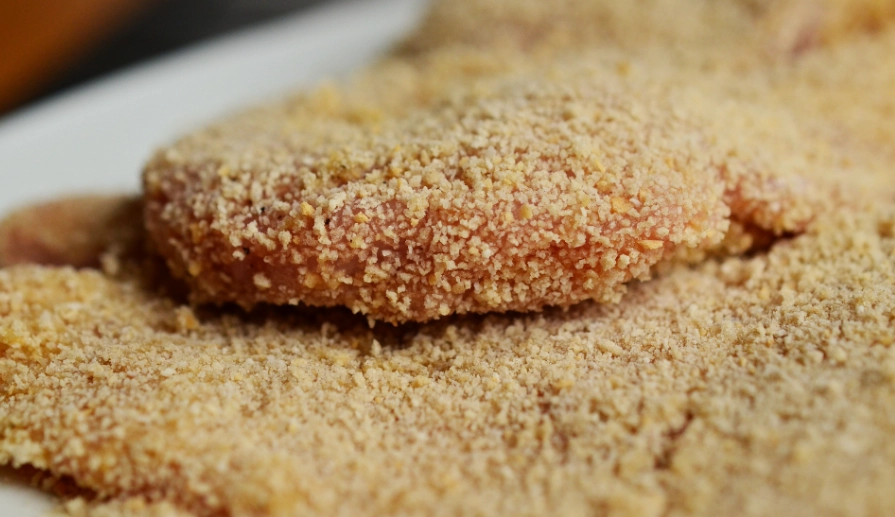
| Texture & Shape | Large, flaky, shard-like, coarse, airy. | Fine, sandy, granular, powdery. |
| Color | Bright white (traditional), also available toasted (golden brown). | Beige to golden brown, often pre-toasted. |
| Primary Use | Frying for ultimate crispiness (tonkatsu, fried seafood, korokke). Also used for baked toppings. | Binding (meatballs, meatloaf), stuffing, breading for pan-frying, casserole toppings. |
| Fried Result | Extremely crispy, light, airy, shatters easily. Less oil absorption. | Crisp but can be denser, harder, and more prone to becoming greasy. |
| Flavor | Very neutral, mild wheat flavor. Acts as a texture vehicle. | Often has added seasonings, herbs, or a toasted flavor. |
Think of it this way: regular breadcrumbs are like a tight-knit sweater—it covers everything smoothly but can be heavy. Panko is like a feather boa—lots of volume, light, and full of texture.
How to Use Panko for Perfect Crispiness Every Time
The standard Japanese breading technique is a three-step process, often called "pan-frying preparation" . It's methodical and ensures maximum adhesion.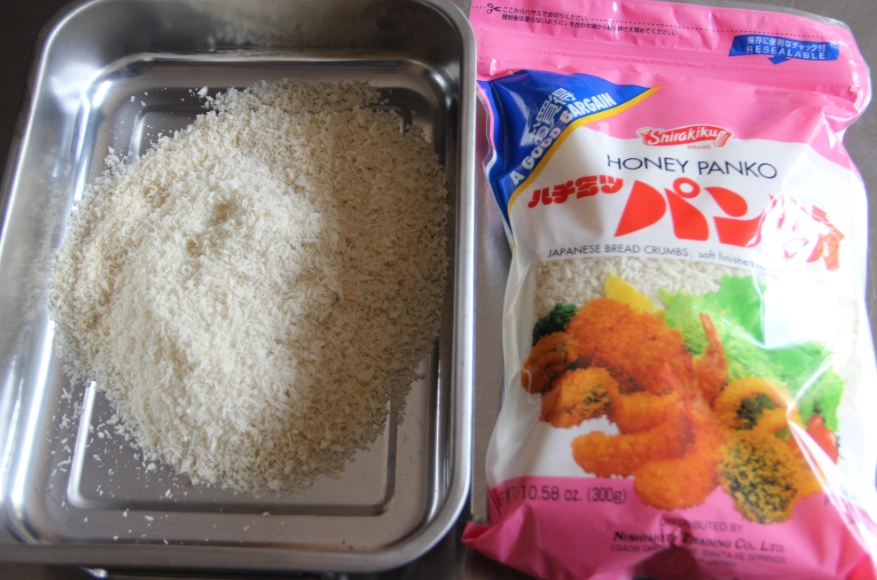
The Essential 3-Step Breading Station
Set up three shallow dishes or plates in an assembly line.
- Station 1: Flour. All-purpose wheat flour. This initial dry layer seals in the food's moisture and gives the wet egg something to grip onto. A light, even dusting is key. Tap off the excess.
- Station 2: Egg. Beaten whole egg, sometimes with a splash of water or milk to thin it slightly. This is the glue. Make sure your floured item is fully coated in a thin layer of egg.
- Station 3: Panko. Pour a generous amount into the dish. Gently press the egg-coated item into the panko. Don't rub or roll. Lift, turn, and press again to coat the other side. Let the flakes cling naturally. For extra thickness (like on a tonkatsu), you can dip back into the egg and press into panko a second time.
Let the breaded item rest on a rack for 5-10 minutes before frying. This lets the coating "set" and helps prevent it from falling off in the oil.
Frying Fundamentals: Oil Temperature is Everything
This is where most home cooks stumble. The ideal temperature for deep-frying panko-breaded foods is between 340°F and 350°F (170°C - 175°C).
- Too cold (below 320°F/160°C): The food absorbs oil like a sponge, becoming greasy and heavy. The panko won't crisp properly.
- Too hot (above 365°F/185°C): The outside burns to a dark brown before the inside is cooked through. The delicate panko flavor turns bitter.
Use a deep-fry or candy thermometer. If you don't have one, test by dropping a single panko flake into the oil. It should sink slightly, then immediately bubble and float to the surface, sizzling actively but not violently.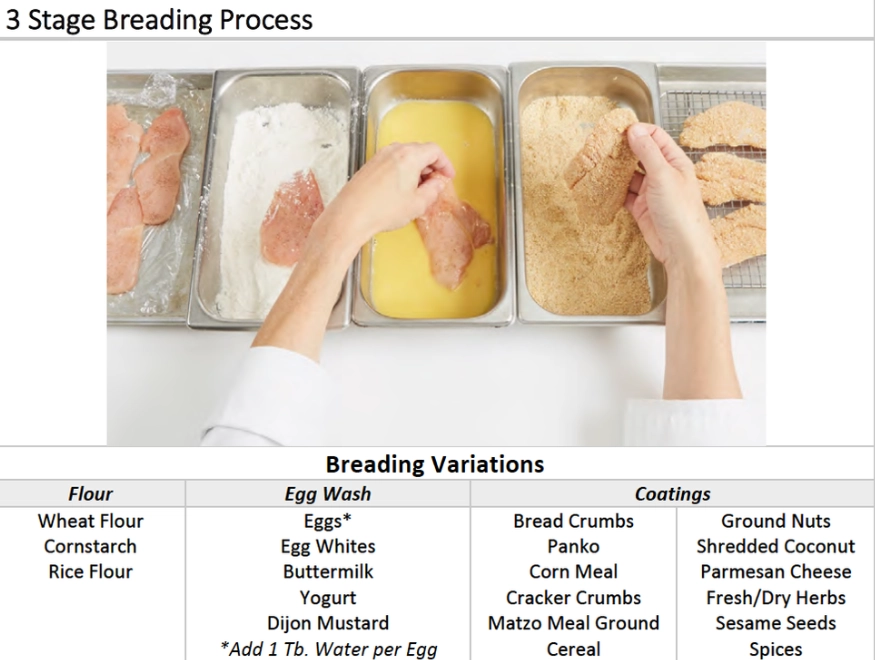
Classic Japanese Dishes That Rely on Panko
Panko is the star of a category of Japanese dishes called furai (deep-fried Western-style dishes) and katsu (cutlet).
- Tonkatsu: The king. A thick, juicy pork loin or fillet cutlet, breaded and deep-fried, served with a thick, savory-sweet tonkatsu sauce, shredded cabbage, and rice. The panko crust must be sturdy enough to contain the juices but remain light.
- Ebi Fry: Large, butterflied shrimp with that iconic crunchy tail. Often served with tartar sauce. The contrast between the succulent shrimp and the airy crust is perfection.
- Korokke (Croquet): Mashed potato (or white sauce) mixed with minced meat or seafood, formed into patties or cylinders, breaded, and fried. Panko provides the essential structural integrity and crunch against the soft interior.
- Chicken Katsu: Like tonkatsu, but with chicken breast or thigh. A staple of Japanese yoshoku (Western-influenced) cuisine and a common topping for katsu curry.
- Menchi Katsu: A ground meat patty (usually pork or beef) seasoned, breaded, and fried. Think of it as a Japanese-style crispy burger patty.
Pro Tips & Common Mistakes to Avoid
After years of testing, here are nuances most recipes don't mention.
- Toasted vs. White Panko: White panko gives the classic light golden color. Toasted (tan) panko has a slightly deeper flavor and browns faster. I prefer white for most applications because it gives you more visual control over doneness.
- Homemade Panko Hack: In a pinch? Take slices of good white sandwich bread (crusts removed), toast them until completely dry but not colored, and pulse in a food processor until you get coarse flakes. It works surprisingly well, though the texture is slightly less uniform.
- The Double-Fry Secret: For extra-crispy, professional-level results, try the double-fry method. Fry at 320°F (160°C) for 2-3 minutes to cook the inside. Remove, drain, and let rest for a few minutes. Then fry again at 350°F (175°C) for 1-2 minutes to crisp the exterior to perfection. This is a game-changer for thicker cuts like tonkatsu.
- Baking with Panko: For a healthier version, you can bake panko-breaded items. The key is to spray or drizzle them generously with oil (like canola or avocado oil) before baking at 400°F (200°C). This helps them brown and crisp. It won't be identical to deep-frying, but it's very good.
Your Panko Questions, Answered
Can I substitute regular breadcrumbs for panko in a Japanese recipe?
You can, but you'll sacrifice the defining texture. The dish will become something else—denser and harder. For a closer approximation, pulse regular breadcrumbs in a food processor with a slice of fresh white bread to create larger, flakier pieces. It's a decent emergency fix, but for authentic results, seek out real panko.
My panko coating keeps falling off during frying. What am I doing wrong?
This usually points to three issues. First, you're not tapping off the excess flour after the first station, creating a weak foundation. Second, you might be moving the food too vigorously in the oil right after adding it—let it fry for 30 seconds to set before gently nudging it. Third, and most commonly, the oil temperature is too low. Low temp causes the egg to cook slowly and release its grip before the coating sets.
What's the best way to store panko, and how long does it last?
Panko has very low moisture, so its enemy is humidity, not just time. Keep it in an airtight container or reseal its original bag tightly. Store it in a cool, dark pantry. It can last for months, but for peak crispness, try to use it within 6 months. If it smells musty or feels damp, toss it. For long-term storage, you can freeze it.
 Are there gluten-free or whole-wheat panko options?
Yes, the market has expanded. Gluten-free panko, often made from rice flour or other GF grains, is widely available and performs remarkably well. Whole-wheat panko exists but has a nuttier flavor and browns much faster, so you need to adjust frying time and temperature downward slightly to avoid burning.
Can panko be used for anything other than frying?
Absolutely. Its texture makes it a fantastic topping for baked casseroles (like a Japanese gratin or mac and cheese), a binder for baked fish cakes, or a crust for baked chicken or fish. Mix it with melted butter, herbs, and parmesan for an incredible crunchy topping. It adds texture where fine breadcrumbs would just disappear.
 Panko is more than a breadcrumb; it's a textural philosophy. It prioritizes a delicate, airy crunch that complements rather than smothers the food inside. Once you master the basic flour-egg-panko technique and oil temperature control, a world of incredibly satisfying home-cooked Japanese furai opens up. Forget the heavy, greasy fried foods of your past. With panko, you're aiming for a crispness that sings.
Reader Comments