You're staring at a sushi menu, and your eyes land on "tekka maki." A simple question pops into your head: Is tekka maki typically raw? The short, traditional answer is yes. A classic tekka maki is made with raw, lean tuna (maguro) rolled in sushi rice and nori seaweed. But that's just the start of the story. The real world of sushi is messier, more creative, and full of exceptions that can trip up even seasoned diners. I've spent over a decade exploring sushi bars from Tokyo's back alleys to neighborhood joints in New York, and I've seen the confusion firsthand. Let's cut through the noise and get to the heart of what tekka maki really is, when it might not be raw, and how you can confidently order and enjoy it.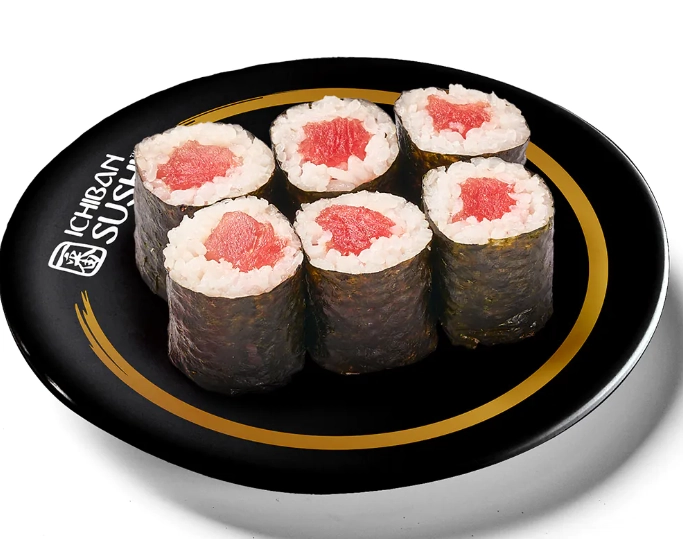
What You'll Find in This Guide
What Is Tekka Maki? The Traditional Definition
Let's break down the name. "Tekka" (鉄火) literally means "red-hot iron" or "fire." Some say it refers to the red color of tuna resembling hot iron, while a more fun theory suggests the name came from gambling dens where quick-to-eat rolls were popular, evoking a fiery, fast-paced atmosphere. "Maki" means roll. So, at its core, tekka maki is a red tuna roll.
The traditional construction is minimalist perfection:
- Nori: A sheet of dried seaweed on the outside.
- Shari: Seasoned sushi rice (vinegar, sugar, salt).
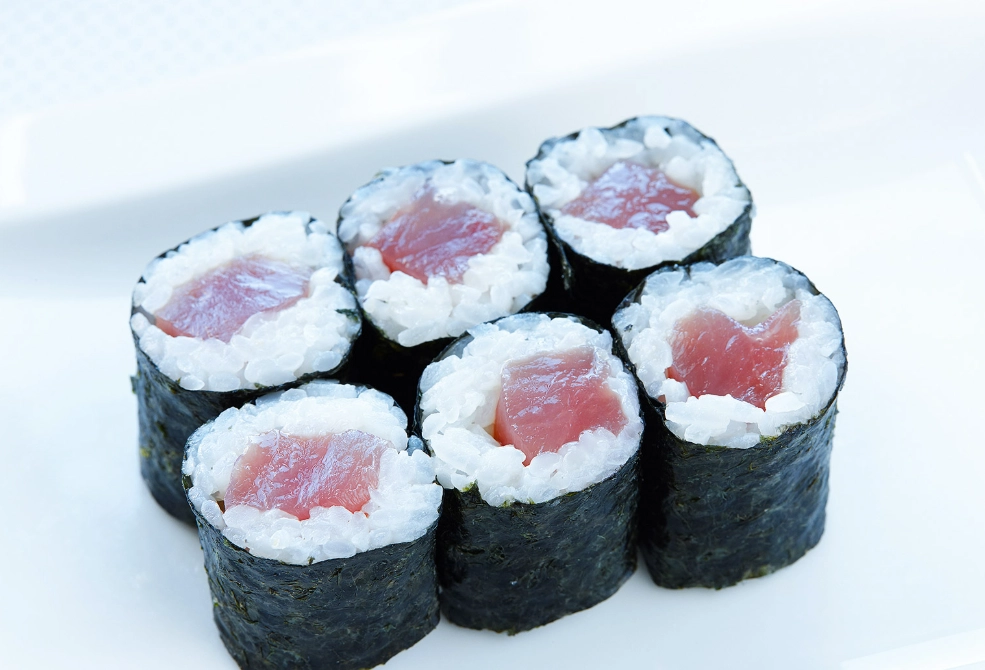
- Neta: The topping, which is exclusively raw, lean bluefin or yellowfin tuna (akami maguro), cut into a long strip.
There's no cucumber, no avocado, no spicy mayo hiding inside. It's a pure, unadulterated expression of the tuna's flavor against the seasoned rice. In a proper sushi-ya in Japan, ordering tekka maki and getting anything other than raw tuna would be unheard of. This is the benchmark.
Why the obsession with lean tuna (akami)? Fatty tuna (toro) is more prized for nigiri, but its rich texture can overwhelm a simple roll. The lean cut provides a clean, meaty, slightly metallic flavor that stands up perfectly to the rice and nori without making the roll greasy or too heavy. It's a balance thing.
When Tekka Maki Isn't Raw: Modern Twists and Variations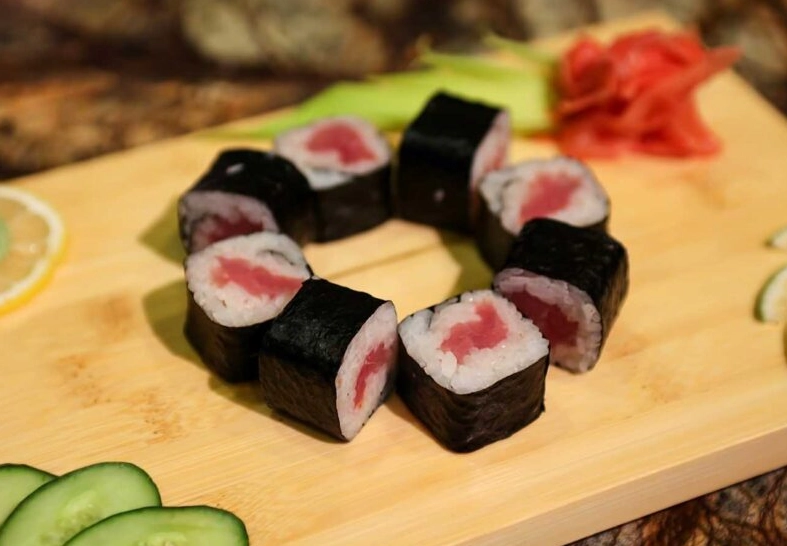
Here's where things get interesting, and where most online guides stop. Walk into a modern sushi restaurant outside Japan, especially in North America or Europe, and the term "tekka maki" can be stretched.
The Seared or Aburi Version
Some chefs lightly sear the outside of the tuna strip with a blowtorch (aburi style) before rolling. This adds a smoky, charred aroma and changes the texture of the outer layer while keeping the center raw. Is this still tekka maki? Purists might scoff, but it's a popular variation. You need to ask.
The Fully Cooked Tuna Surprise
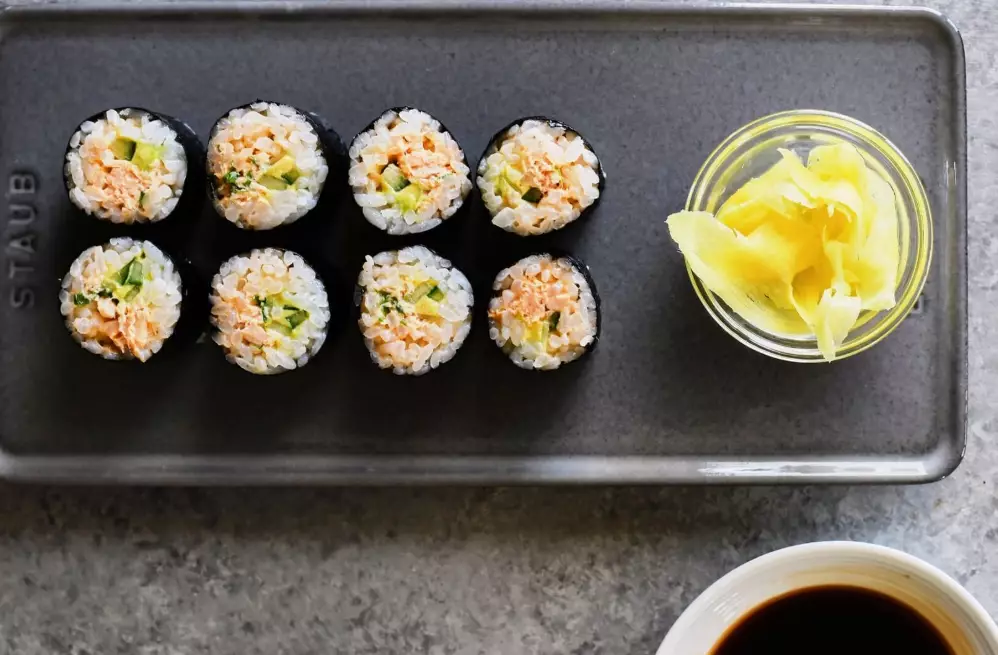
I've seen it, and it's always a letdown. In some lower-end or mass-market settings aiming for absolute food safety, they might use pre-cooked or canned tuna mixed with mayonnaise to make a "tekka maki." This is a completely different product. It's a tuna salad roll, not tekka maki. The flavor and texture are worlds apart.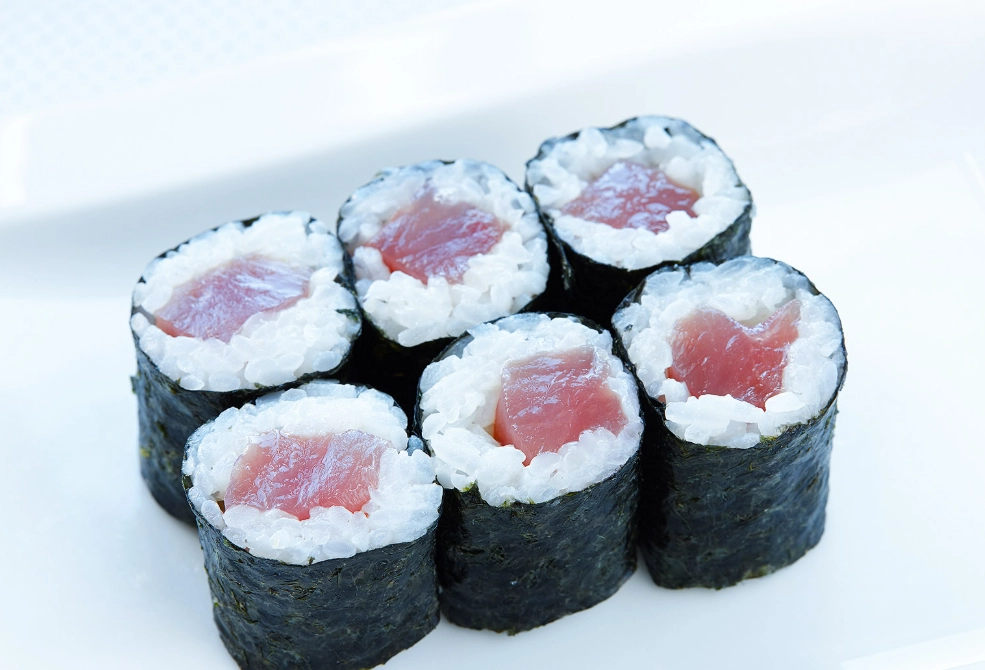
Vegetarian "Tekka Maki"
Yes, it exists. Innovative vegan sushi spots might use marinated beetroot, tomato, or even watermelon to mimic the color and a semblance of the texture of raw tuna. It's creative cooking, but calling it tekka maki is a major stretch. It's more accurate to call it a "beet tuna roll" or similar.
The point is, the word "tekka" has, in some circles, become loosely associated with "tuna flavor" rather than strictly "raw tuna." This is the primary source of confusion for diners.
How to Tell If Your Tekka Maki Is Raw or Cooked
Don't rely on the menu name alone. Here’s your practical detective kit:
- Menu Descriptors: Look for words like "raw tuna," "maguro," or "akami." If it says "spicy tuna" or "tuna salad," it's likely not traditional tekka maki and may contain cooked elements.
- Just Ask: This is the most reliable method. "Is the tuna in the tekka maki served raw?" is a perfectly normal question. A good server will know.
- The Visual Test: Raw akami tuna is a deep, burgundy red with a matte finish. Cooked tuna turns a dull, greyish-pink or light brown and often looks more shredded or mashed.
- The Texture Test: Raw tuna is firm yet tender, yielding cleanly to the bite. Cooked tuna, especially if canned or overdone, is flaky and dry.
Where to Find Authentic (and Creative) Tekka Maki
Your experience depends entirely on where you go. Let's look at three scenarios.
1. The High-End Sushi Sanctuary (For the Purist)
Example Vibe: Tokyo's Ginza or a top-tier omakase counter in a major city.
What to Expect: Here, tekka maki is raw, full stop. It's often served as the final piece in an omakase meal, a comforting, familiar finish. The tuna will be the best akami they have, aged for optimal flavor. Don't even think about asking for soy sauce here—the chef has seasoned it perfectly.
Price Point: The roll itself might be part of a $200+ omakase. You're paying for the provenance of the fish and the chef's skill.
2. The Reliable Neighborhood Sushi Spot (The Happy Medium)
Example Vibe: Your local go-to with a mix of tables and a sushi bar.
What to Expect: This is where you're most likely to get a correct, traditional tekka maki made with raw tuna. It's a staple on the menu. However, this is also where you might find a "seared tekka maki" as a separate, trendy item. Always double-check the description.
Price Point: A six-piece order might run you $6-$10. Good value for a quality bite.
3. The Supermarket or Conveyor Belt Sushi (The Wild Card)
Example Vibe: Quick, affordable, and convenient.
What to Expect: Highest risk of encountering a non-raw version. Pre-packaged rolls may use cooked tuna for extended shelf life. At kaiten-zushi (conveyor belt), it's usually raw, but quality can vary wildly. Look carefully at the color.
My Take: I avoid tekka maki in these settings. The lean tuna doesn't hold up as well pre-cut compared to fattier fish. You're better off with a salmon or cooked eel roll here.
A specific spot I remember? Sushi Nakazawa in New York's West Village. Their omakase-ending tekka maki, with its impeccably sourced, ruby-red tuna, is a masterclass in simplicity. It's what made me truly appreciate the form.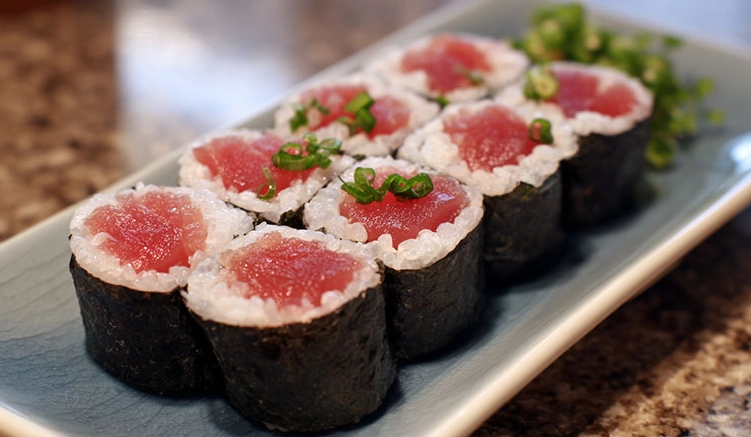
Your Tekka Maki Questions, Answered
 So, is tekka maki typically raw? The tradition shouts yes, but the modern menu whispers "check first." Armed with what you know now—the traditional definition, the common variations, and the detective skills to spot them—you can navigate any sushi menu with confidence. Whether you seek the pure, classic experience or want to try a modern, seared interpretation, you'll know exactly what you're getting. Now go enjoy that roll.
Reader Comments