You're at a sushi train or a bento box shop, and you see these golden-brown, puffy little pouches nestled among the nigiri and maki. They look different—no seaweed wrap in sight, just a sweet-smelling, glistening exterior. You pick one up. It's soft, slightly sweet, and filled with subtly seasoned rice. That's Inari Sushi (稲荷寿司), one of Japan's most beloved and accessible sushi varieties, and frankly, a personal favorite of mine for a quick, satisfying bite. Forget the complex knife skills needed for sashimi; this is sushi at its most humble, comforting, and often vegetarian-friendly core.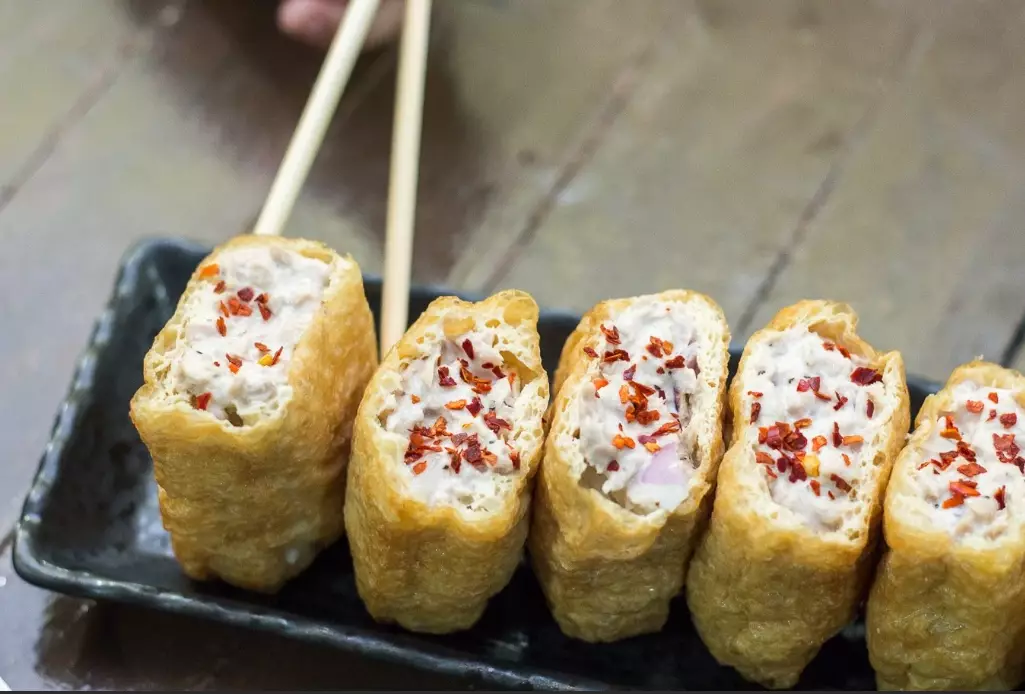
At its simplest, Inari Sushi is vinegared sushi rice tucked inside a seasoned, simmered pouch of fried tofu skin called aburaage or inarizushi no moto. But that definition barely scratches the surface. The magic is in the contrast: the sweet-salty-umami depth of the tofu pocket against the tart, fluffy rice. It's a staple at festivals, in lunch boxes, and on conveyor belts for a reason. Let's dive into everything about these delightful packets, from their fox-related folklore to the surprising regional wars over their shape.
Your Quick Guide to Inari Sushi
The History: Foxes, Fried Tofu, and a Food Offering
Why is it called "Inari"? The name comes from Inari Ōkami, the Shinto deity of rice, fertility, and industry. Foxes (kitsune) are considered Inari's messengers. In Japanese folklore, foxes have a fondness for fried tofu. One popular tale says they would steal aburaage from farmers, so people started offering fried tofu at Inari shrines to appease the foxes and, by extension, the god. The Japan National Tourism Organization often highlights the deep connections between food and shrine culture.
Putting rice inside the tofu pouch was a natural, practical evolution—creating a portable, complete offering of both the god's favorite food (tofu) and his domain (rice). From a shrine offering, it became everyday food. What most online guides miss is the timing: Inari Sushi as we know it really took off during the Edo period (1603-1868), when street food culture exploded in cities like Edo (Tokyo). Its portability made it perfect for theater-goers and busy merchants.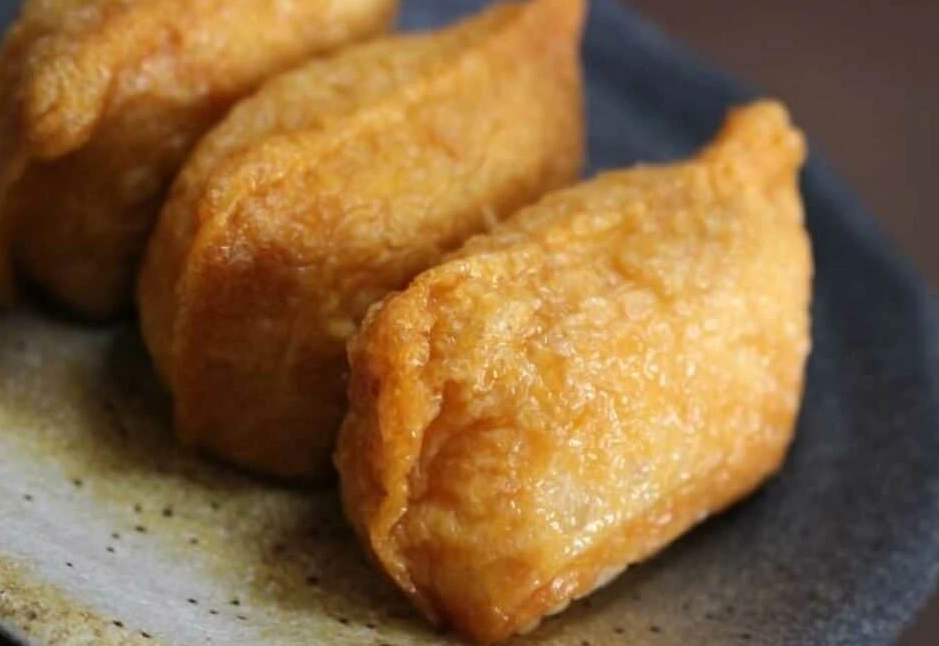
Beyond the Pouch: Regional Styles and Shapes
Here's where it gets fun. Ask someone from Osaka and someone from Tokyo how to make Inari Sushi, and you might get a friendly argument. The differences aren't just minor tweaks; they're regional identities on a plate (or in a pouch).
| Region | Common Name | Shape & Style | Key Characteristics |
|---|---|---|---|
| Kanto (Tokyo area) | Inari-zushi | Triangular or rectangular pouch, open at the top. | The tofu pouch is simmered in a sweeter, darker broth (soy sauce, sugar, mirin). The rice is typically plain sushi rice, sometimes with black sesame seeds. |
| Kansai (Osaka/Kyoto area) | Kitsune-zushi or Inari-zushi | Often a ball or cylinder, with the tofu completely enclosing the rice. | The seasoning for the aburaage is lighter, less sweet, and more savory. The rice itself is often seasoned with carrots, shiitake mushrooms, and sesame seeds (gomoku style). |
| Nagoya & Aichi | Miso-nikomi Inari | Open pouch. | The aburaage is simmered in a rich, sweet hatchō miso broth, giving it a deep, complex, almost nutty flavor. A must-try for miso lovers. |
| Hokkaido | Inari-zushi | Large, overstuffed pouch. | Reflects Hokkaido's hearty food culture. The pouches are bigger, and the rice might include local ingredients like salmon or crab. |
The Kansai vs. Kanto divide is the big one. In Osaka, they'll tell you the closed, stuffed-ball form is the "proper" way, preventing the rice from drying out. In Tokyo, the open pouch allows you to see the perfectly formed rice inside—it's about presentation. Neither is wrong, but knowing this explains why the Inari Sushi you get at a supermarket in Osaka looks different from one in Tokyo.
What Goes Inside? It's Not Just Plain Rice
While plain sushi rice (shari) is classic, the fillings can vary wildly. The gomoku (five-ingredient) style from Kansai is popular nationwide. Besides rice, you might find:
Finely chopped carrots, rehydrated shiitake mushrooms (diced), edamame, sesame seeds (black or white), and sometimes kampyō (dried gourd strips). This turns it from a side dish into a more substantial, nutritionally complete snack. Some modern versions even include quinoa, brown rice, or tuna salad for a twist, though purists might scoff.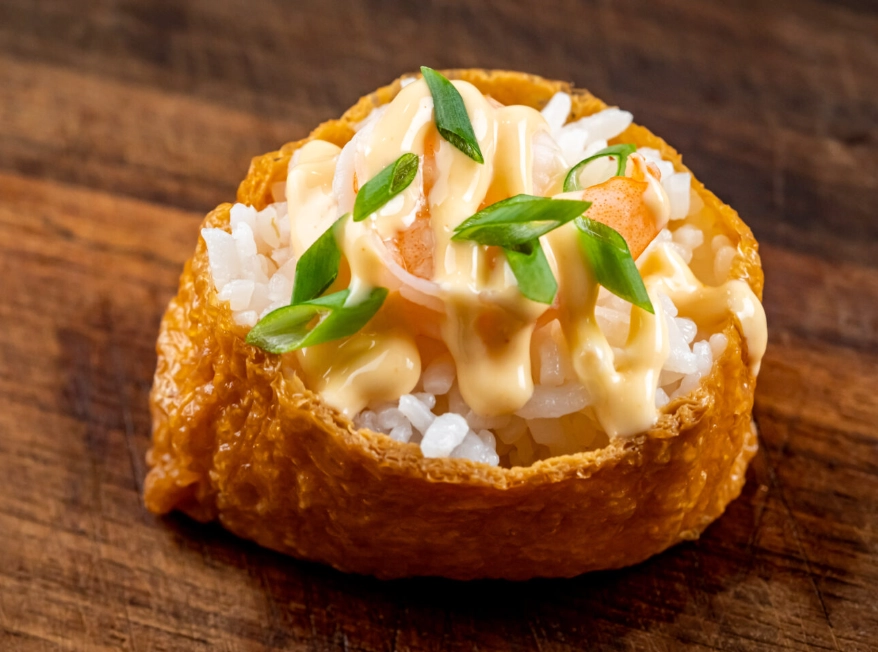
How to Make Inari Sushi at Home (The Easy Way)
Good news: this is arguably the easiest sushi to make. You don't need a bamboo mat or sushi-rolling skills. The biggest hurdle is simmering the aburaage, but there's a huge shortcut.
You can buy pre-seasoned, ready-to-use Inari age (tofu pouches) in a vacuum-sealed pack at any Asian grocery store or Japanese supermarket. They're sitting in a sweet broth, already perfectly flavored and soft. Just rinse them gently in warm water to remove excess syrup, open the pouch, and stuff. This is how 90% of home cooks in Japan do it on a busy weeknight. The "from scratch" method is for special occasions or when you crave a specific flavor profile.
If you go the from-scratch route, here's the core process:
1. Prepare the Aburaage: Pour boiling water over the fried tofu pockets to remove excess oil. Gently squeeze them dry. Then, simmer them in a mix of dashi (Japanese soup stock—use kombu dashi for vegan), soy sauce, sugar, and mirin for 20-30 minutes until deeply flavored and pliable. Let them cool in the broth.
2. Make the Sushi Rice: Cook short-grain Japanese rice. While it's hot, season with a blend of rice vinegar, sugar, and salt, folding it in gently with a rice paddle. Let it cool to room temperature. Key tip: Fan the rice while mixing to give it a glossy shine and perfect texture.
3. Assemble: Gently open a pouch with your fingers. Take a golf-ball-sized amount of rice, loosely form it (don't pack it tightly—the rice should be fluffy), and nestle it inside. Leave the top open or fold it over, depending on your preferred style.
The most common mistake beginners make? Seasoning the rice too heavily. Remember, the pouch is already salty-sweet. The rice should be a mild, tart counterpoint. Over-seasoning the rice creates a cloying, one-note dish.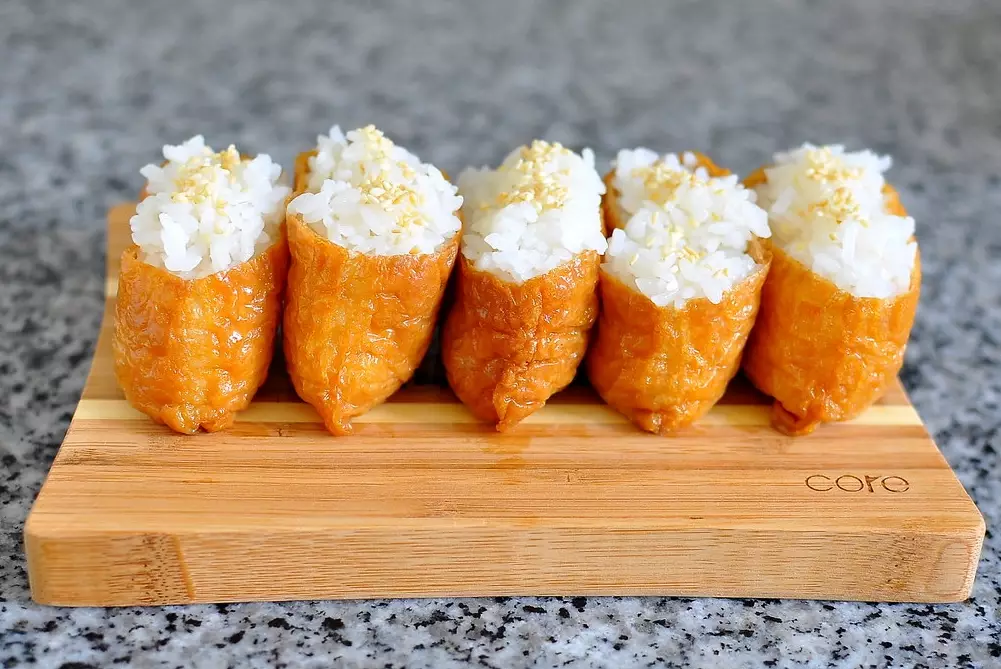
Finding the Best Inari Sushi: Shops and Supermarkets
You can find Inari Sushi almost everywhere in Japan, but quality varies massively.
Conveyor Belt Sushi (Kaiten-zushi): Usually a safe, affordable bet. Chains like Sushiro or Kura Sushi have decent versions, often priced between 100-150 yen per plate (two pieces). They're consistent but can be on the sweeter, softer side.
Dedicated Inari Sushi Shops (Yes, they exist!): These are gems. In Tokyo, a place like Mejiro Suzuki (in Mejiro district) is famous. They specialize in Inari Sushi, offering multiple types. Expect to pay 300-500 yen for a set. The aburaage is simmered for hours, tender with a deep flavor, and the rice is perfectly balanced.
Supermarkets (Depachika & Local): The food halls in department store basements (depachika) often have exquisite versions from famous restaurants. Your local grocery store's deli section will have packs for 200-400 yen. Look for ones where the rice looks glossy and separate, not mushy, and the pouch has a good color.
Outside Japan: Your best bet is a well-stocked Japanese supermarket. In cities like Los Angeles, New York, or London, stores like Mitsuwa, Nijiya, or Japan Centre carry pre-made packs or the ready-to-stuff pouches. Some higher-end sushi restaurants offer it as part of a vegetarian platter.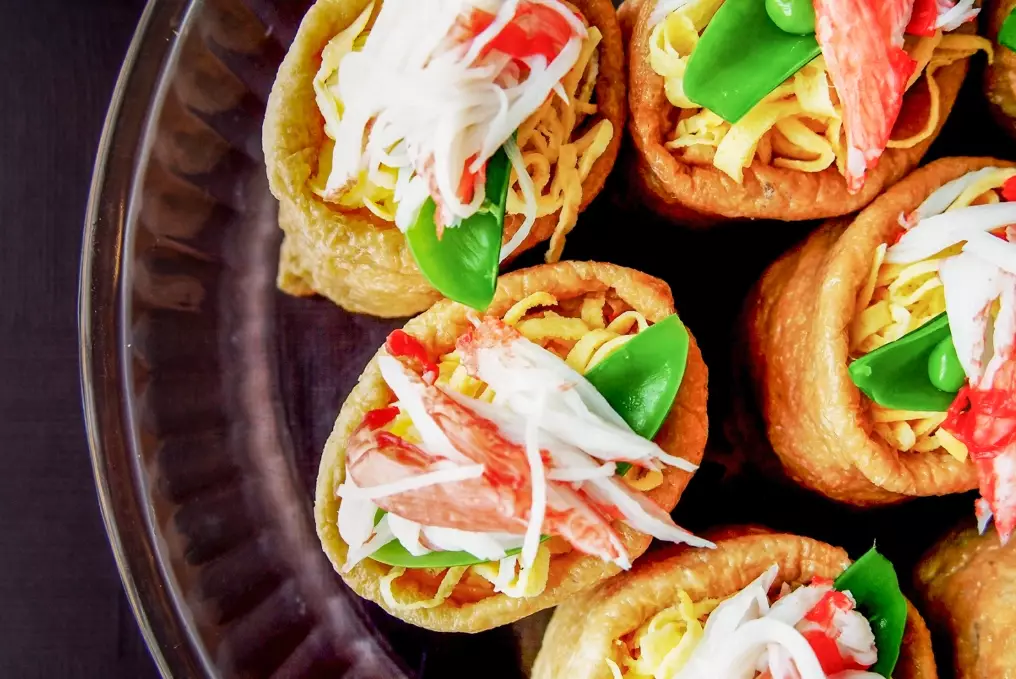
How to Eat It: Etiquette, Pairings, and My Tips
You can eat Inari Sushi with your hands or chopsticks. There's no strict rule. Because it's a bit sweet and saucy, fingers can get sticky, so chopsticks are often preferred.
What to drink with it? Green tea (sencha or hojicha) is the classic pairing, cutting through the sweetness. A light, dry lager also works surprisingly well. For a non-alcoholic option, mugicha (barley tea) complements it nicely.
It's commonly served as part of a sushi moriawase(assorted platter), in a bento box, or as a standalone snack. At home, I love having a few in the fridge for a quick lunch with some miso soup and pickles.
My personal tip? Try it slightly warm. While it's usually eaten at room temperature or cold, gently warming the whole piece for 15-20 seconds in a microwave softens the rice and makes the tofu pouch's aroma bloom. It's a different, more comforting experience.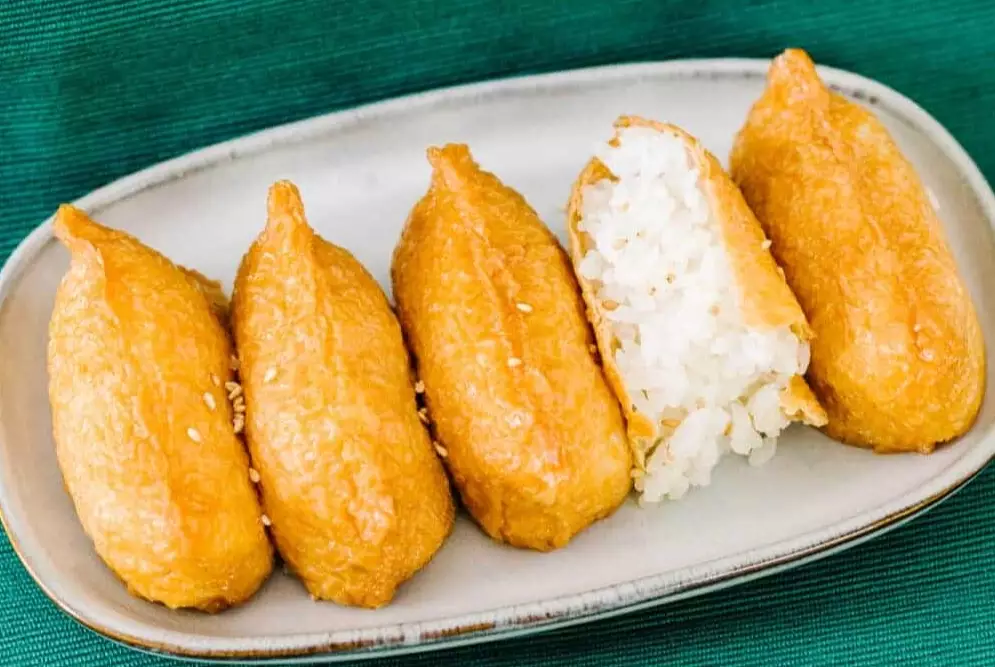
Your Inari Sushi Questions Answered
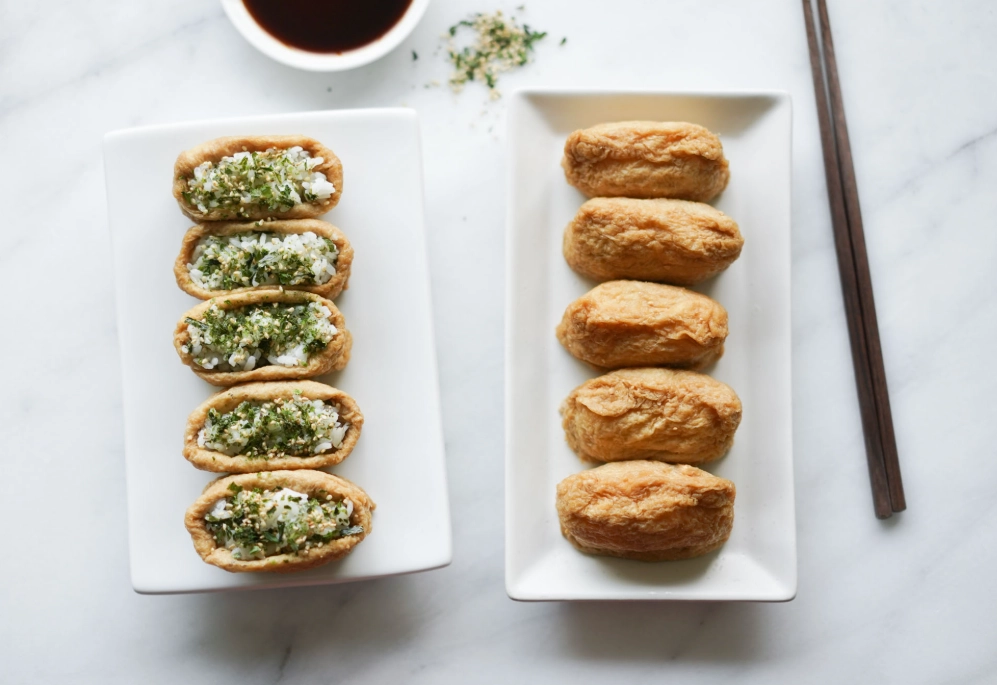 Inari Sushi is more than just a sushi alternative. It's a piece of edible history, a canvas for regional pride, and proof that some of the best foods are also the simplest. Next time you see one of those golden pouches, you'll know the story behind it, the variations it holds, and just how easy it is to bring that sweet-savory comfort into your own kitchen. Give it a try—you might find it becomes your go-to sushi, just like it did for me.
Reader Comments