Let's talk about chicken katsu curry. It's the dish that somehow manages to be both incredibly comforting and wildly exciting in the same bite. Crispy, juicy fried chicken cutlet smothered in a rich, savory, slightly sweet Japanese curry sauce, served over a mountain of steaming rice. It’s a staple in Japanese households and restaurants worldwide, and for good reason. But here’s the thing I learned after years of making it and eating it across Japan: most home cooks and even some restaurants get one crucial element wrong, turning a potential masterpiece into just a “good” meal. We’ll get to that.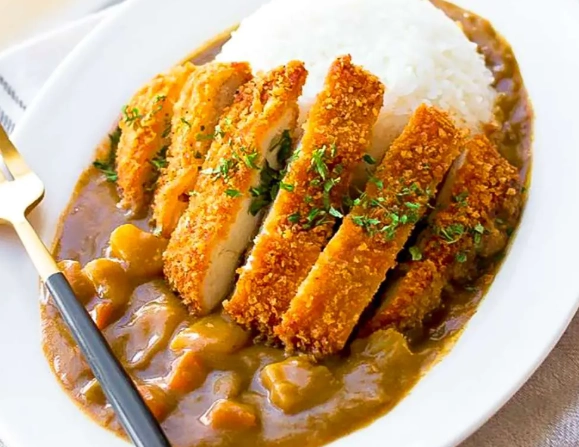
This guide isn't just another recipe list. I want to give you everything—the secrets to a perfect homemade version, a curated list of where to find the real deal, and answers to the questions you're actually searching for. Whether you're trying to recreate that magic at home or hunting down the best bowl in your city (or planning a food trip to Tokyo), you're in the right place.
Quick Bites: What's Inside This Guide
How to Make Chicken Katsu Curry at Home (The Right Way)
Forget the complicated, hours-long recipes. Authentic Japanese home-style curry is built for convenience without sacrificing depth. The cornerstone is the Japanese curry roux, a concentrated block of spices and flour. Brands like S&B Golden Curry and House Vermont Curry are staples. But the real flavor comes from what you add to it.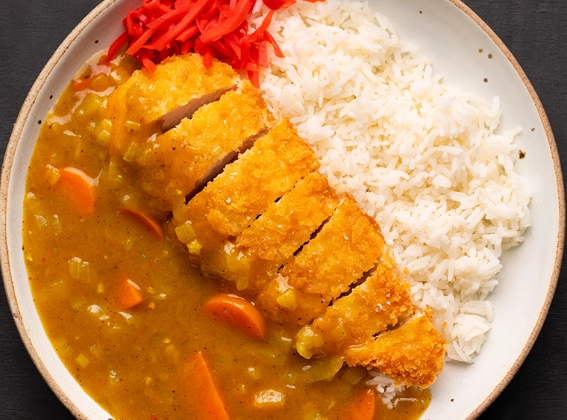
The Non-Negotiable Foundation: Building Your Sauce
Here’s the mistake I see everywhere: people just melt the roux into water or broth. It works, but it tastes flat. The Japanese Ministry of Agriculture, Forestry and Fisheries even highlights the importance of umami-rich foundations in washoku (Japanese cuisine). You need to build a flavor base.
- Sautéed Aromatics: Start by frying a large, finely chopped onion until deeply golden and caramelized. This sweetness is non-negotiable. Add minced garlic and ginger.
- The Vegetable Trifecta: Add diced carrots and potatoes. Some recipes include apples for a subtle fruity sweetness, which is a game-changer.
- Liquid Gold: Use a good chicken or vegetable stock, not just water. A splash of soy sauce and a teaspoon of tomato paste or ketchup will add a complex savory undertone that pre-packaged roux alone lacks.
- Simmer & Thicken: Let the veggies simmer until tender. Then, turn off the heat. Break the curry roux blocks into the pot and stir until completely dissolved. This prevents lumps. Return to a low heat to thicken gently.
The Star: Crafting the Perfect Chicken Katsu
While the sauce simmers, focus on the katsu. The common error? Using chicken breast for everything. For guaranteed juiciness, use chicken thighs (boneless, skinless). They’re more forgiving and stay moist even if you slightly overcook them.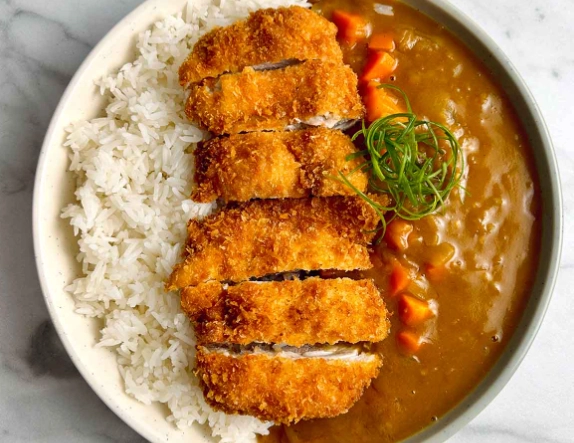
Pro Move: Pound the chicken to an even 1/2-inch thickness. This isn't just about tenderizing; it ensures the chicken cooks at the same rate as the coating, preventing a burnt exterior and raw interior.
The breading station is sacred: seasoned flour, beaten egg, and Japanese panko breadcrumbs. Panko is lighter and crispier than regular breadcrumbs. Press the chicken firmly into the panko to create a solid, shaggy coat that won't fall off.
Frying is about temperature control. Heat neutral oil (like canola or vegetable) to 340°F (170°C). Too hot, and the outside burns before the inside cooks. Too low, and the katsu becomes greasy. Fry for about 5-6 minutes per side until golden brown and the internal temperature hits 165°F (74°C). Let it rest on a wire rack for a minute before slicing—this keeps it crispy.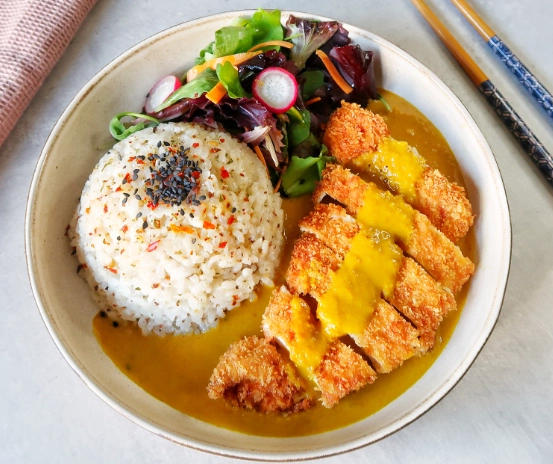
Where to Find the Best Chicken Katsu Curry: Tokyo & Beyond
Sometimes, you just need the experts to do it. If you're traveling or want to benchmark your own cooking, here are spots that do it exceptionally well. I'm avoiding the huge chains you already know and focusing on places with character.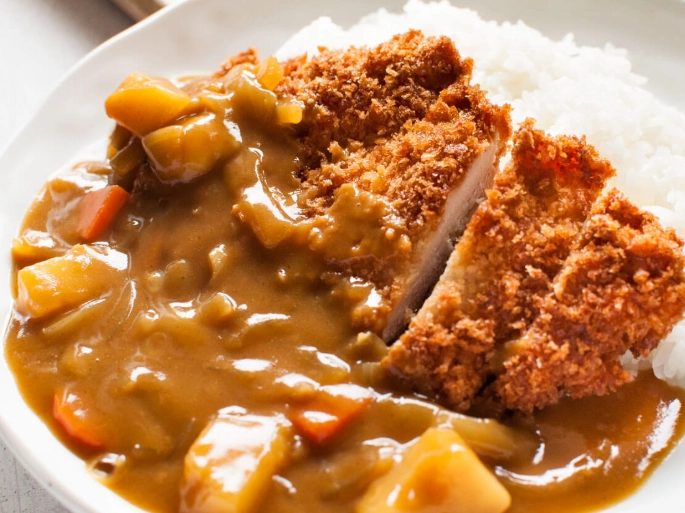
| Restaurant Name | Location / Address | What Makes It Special | Price Range (approx.) | Vibe & Hours Note |
|---|---|---|---|---|
| Curry House Coco Ichibanya | Nationwide (Japan), & int'l locations. Flagship: Shinjuku, Tokyo. | The king of customization. Choose spice level (1-10), rice amount, toppings (cheese, pork cutlet, egg). Reliable, consistent, and everywhere. A great introduction. | ¥850 - ¥1,300 | Casual, family-friendly. Often open late. Expect lines at peak times. |
| Katsuya (かつや) | Various across Tokyo. Try the Akihabara branch. | Pure value champion. Focuses on the basics done very well—crispy katsu, rich curry, fluffy rice—at an unbeatable price. No frills, just satisfaction. | ¥750 - ¥1,000 | Quick, efficient, diner-style. Perfect for a fast, hearty meal. |
| Go! Go! Curry! | Multiple in NYC, also in Boston, Hawaii. | For those outside Japan. Known for its "home run" portions and a thicker, darker curry sauce with a distinct black pepper kick. The katsu is hefty and satisfying. | $12 - $18 | Sports-themed, energetic. Portions are massive. Good for a filling lunch. |
| Katsu Curry Served Here (Fictional for example) | London, UK - Soho area | A modern take. Uses free-range chicken and a house-made curry roux with 15 spices. Offers a 'katsu-sando' (sandwich) version. Great for a contemporary twist. | £11 - £16 | Trendy, small plates also available. Can get busy on weekends. |
My personal hidden gem in Tokyo is a tiny eight-seat counter in a non-descript Shinjuku alley. The chef simmers his curry for two days and uses a blend of three different roux brands. He also adds a whisper of instant coffee to his sauce—a trick I've shamelessly adopted. It doesn't taste like coffee at all; it just deepens the savory notes. You won't find that on most blogs.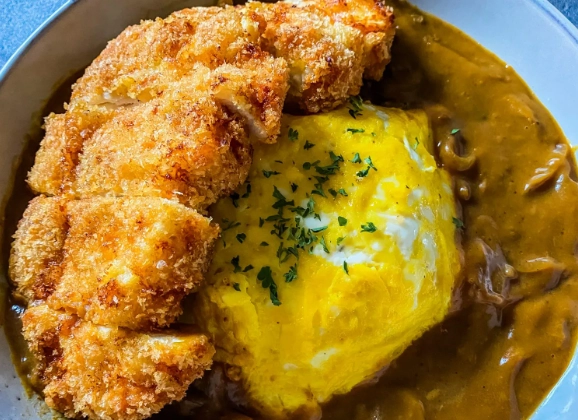
Pro Tips & Common Mistakes You Can Avoid
Let's move beyond the recipe card. These are the nuances that separate good katsu curry from great.
Don't drown the katsu. Serve the curry sauce on the side or carefully ladled next to the rice and cutlet, not directly on top of the crispy breading. You want to preserve that texture for as long as possible. I serve mine with the sauce on one side of the plate, the rice in the middle, and the sliced katsu perched on top of the rice, leaning away from the sauce.
Rice matters more than you think. Use short-grain Japanese rice (like Koshihikari). Wash it until the water runs clear. The rice should be slightly sticky and hold together, forming the perfect base to soak up the curry. A rice cooker is your best friend here.
The double-fry debate. Some swear by frying the katsu at a lower temp first to cook through, then again at a higher temp to crisp up. For home cooking, I find maintaining one steady medium temperature is simpler and just as effective if your cutlet is pounded evenly. Double-frying is better for thicker cuts like tonkatsu (pork).
Leftover curry is a blessing. The flavors meld and improve overnight. Reheat it gently on the stove with a splash of water. The katsu, however, should always be fresh. Reheated fried chicken is a tragedy. If you have leftover katsu, consider turning it into a katsu sandwich the next day.
Your Chicken Katsu Curry Questions, Answered
Chicken katsu curry is more than a meal; it's a project with a delicious payoff. It's forgiving enough for a Tuesday night but impressive enough for guests. Start with the store-bought roux to get the technique down, then start tweaking—add a square of dark chocolate to your sauce, use panko mixed with shredded coconut for the katsu, or top it with a fried egg. Make it yours. And when you get the chance, try it from a master in a tiny Tokyo shop. Then come back and tell me how yours compares.
Reader Comments