What You'll Find Inside
Let's cut to the chase. Japanese steak sauce isn't just that bottled stuff you grab off the shelf. It's a balance of sweet, salty, and umami that can transform a simple meal. I've spent years experimenting with recipes, from traditional teriyaki to modern fusions, and I've seen too many home cooks mess it up by overcomplicating things. Here's everything I wish I knew when I started.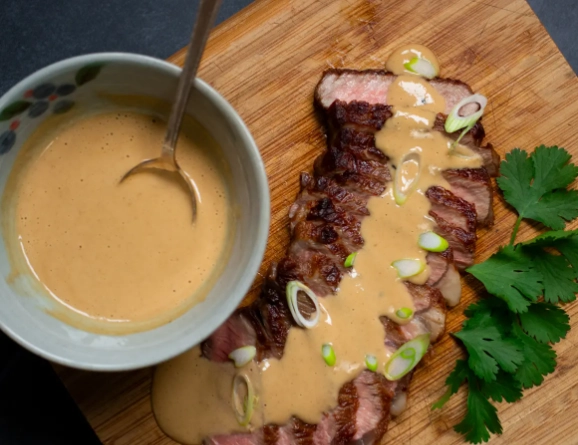
What Exactly is Japanese Steak Sauce?
When people say "Japanese steak sauce," they're usually talking about teriyaki sauce or similar soy-based glazes. But it's more than just a condiment. In Japan, it's often referred to as "tare"—a multipurpose sauce used for grilling, dipping, and marinating. The core idea is umami, that savory fifth taste, achieved through ingredients like soy sauce, mirin, and sake.
I remember my first trip to Tokyo. I ordered steak at a small izakaya, and the sauce had a depth I couldn't replicate at home. Turns out, I was missing the subtlety of real mirin, not just the sweetened versions sold abroad.
Quick note: Don't confuse it with Western steak sauces like A1. Japanese versions are lighter, less vinegary, and focus on enhancing natural flavors rather than masking them.
The Key Ingredients and Why They Matter
Getting the ingredients right is half the battle. Here's a breakdown of what you need and why—based on my own kitchen trials.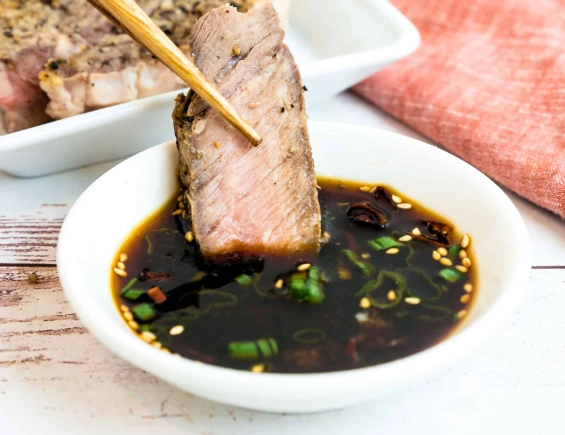
| Ingredient | Role in the Sauce | Pro Tip (From Experience) |
|---|---|---|
| Soy Sauce | Provides saltiness and umami base. Use Japanese soy sauce like koikuchi for richness. | Low-sodium soy sauce can make the sauce bland. Stick to regular, but adjust sugar later. |
| Mirin | Adds sweetness and gloss. It's a sweet rice wine that balances saltiness. | Authentic mirin has alcohol. If you use aji-mirin (sweetened version), reduce added sugar. |
| Sake | Enhances aroma and tenderizes meat. It cuts through fattiness. | Cook it off properly. Raw sake taste can ruin the sauce—I learned this the hard way. |
| Sugar (or Honey) | Caramelizes for that sticky glaze. Brown sugar adds depth. | Don't overdo it. Too sweet, and it burns easily on the grill. |
| Garlic & Ginger | Adds aromatic punch. Fresh is best, but powdered works in a pinch. | Grate them finely. Chunky bits can burn and turn bitter. |
One thing most recipes don't mention: the quality of soy sauce matters more than you think. I once used a cheap brand, and the sauce tasted flat. Investing in a good Japanese soy sauce, like Kikkoman or Yamaki, makes a noticeable difference.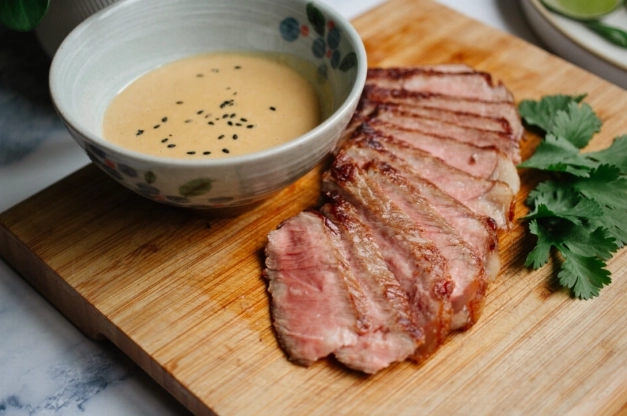
My Foolproof Homemade Recipe (With a Twist)
Here's my go-to recipe, refined after dozens of attempts. It makes about 1 cup, enough for multiple meals.
Ingredients:
- 1/2 cup soy sauce (use the real deal)
- 1/4 cup mirin
- 2 tablespoons sake
- 3 tablespoons brown sugar (adjust to taste)
- 1 clove garlic, minced
- 1 teaspoon grated ginger
- 1 tablespoon water (optional, for thinning)
Steps:
First, combine everything in a small saucepan. Don't just dump it in—heat matters. Start on medium heat until it simmers, then lower to a gentle bubble. Stir occasionally. Let it cook for 10-15 minutes until it thickens slightly. You're looking for a syrup-like consistency, not a paste.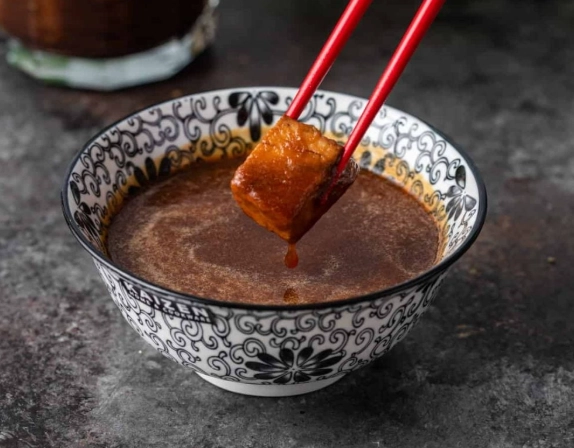
My twist? Add a pinch of dashi powder or a teaspoon of miso paste. It boosts umami without overpowering. I discovered this after talking to a chef in Osaka who swore by it.
I messed up once by boiling it too vigorously. The sugar caramelized too fast, and I ended up with a bitter, burnt sauce. Low and slow is key.
Let it cool before using. It stores in the fridge for up to two weeks, but honestly, mine never lasts that long.
How to Use It Beyond Steak: Creative Ideas
This sauce isn't just for steak. That's a common misconception. Here are ways I use it weekly.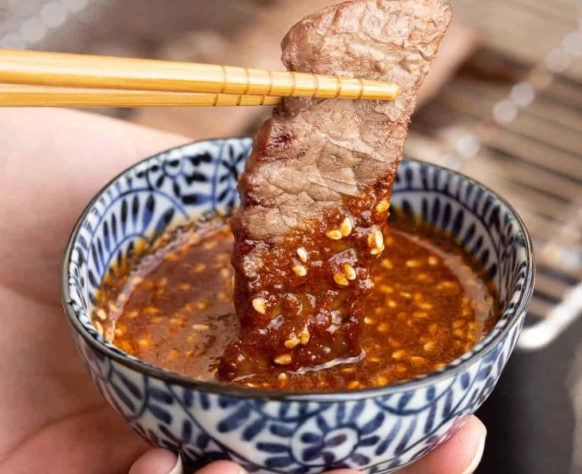
As a Marinade for Chicken or Fish
Marinate chicken thighs for 30 minutes before grilling. The sake tenderizes the meat, and the sugar gives a nice char. For fish like salmon, brush it on during the last few minutes of cooking to avoid burning.
As a Dipping Sauce for Appetizers
Mix it with a bit of mayo or yogurt for a quick dip. I serve it with vegetable tempura or grilled skewers. It beats store-bought dips any day.
In Stir-fries or Noodle Dishes
Add a tablespoon to your stir-fry sauce. It adds depth without needing extra salt. I toss it with soba noodles and veggies for a quick lunch.
Experiment. I've even used it as a glaze for roasted carrots—sounds weird, but the sweetness complements the veggies.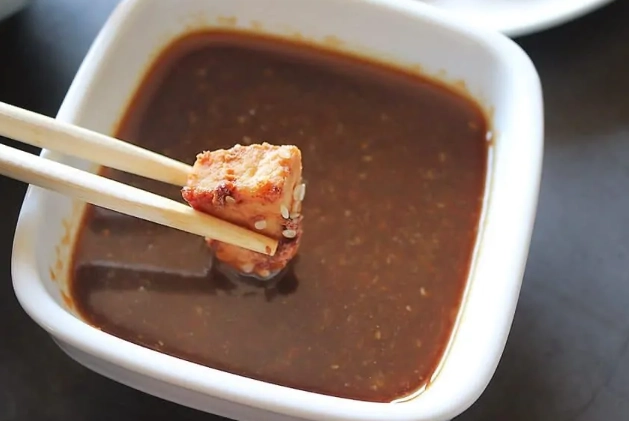
Where to Taste the Best: Restaurant Spotlight
If you want to taste authentic versions, here are spots I've visited that do it right. Note: these are based on pre-pandemic visits, so check current hours.
- Yakiniku Jumbo in Tokyo: Address: 3-5-2 Nishi-Shinjuku, Shinjuku City. Their house tare sauce is legendary—rich and smoky. Price: Around ¥2,500 per person. Open 5 PM to midnight. The sauce is made daily, and you can buy bottles to take home.
- Roku in New York City: Address: 100 6th Ave, NYC. A fusion spot with a teriyaki glaze that's not too sweet. Rating: 4.5 stars on Yelp. Price: $30-40 for a steak dish. Open for dinner daily. I liked how they balance traditional and modern flavors.
- Kobe Jones in Sydney: Address: 29 Lime St, Sydney. Known for their wagyu steak with a signature sauce. Price: AUD 50-70. Open for lunch and dinner. The sauce has a hint of fruitiness, probably from added pear.
Visiting these places taught me that consistency is crucial. Their sauces are always the same—something home cooks struggle with.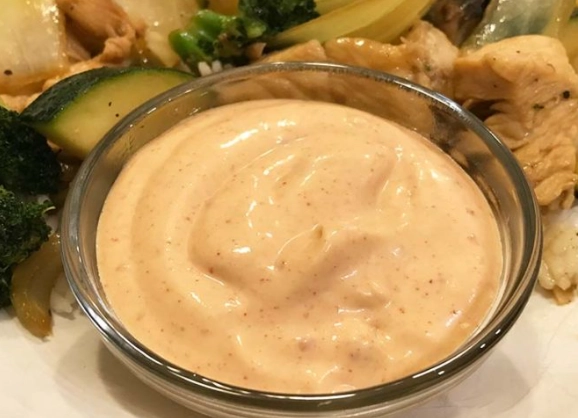
Common Mistakes I've Made (And How to Avoid Them)
Over the years, I've seen and made plenty of errors. Here are the big ones.
Using low-quality soy sauce. It makes the sauce taste watery. Stick to Japanese brands.
Skipping the simmering step. If you don't cook it long enough, the alcohol from sake and mirin doesn't evaporate, leaving a harsh taste. Simmer for at least 10 minutes.
Adding too much sugar. It can overpower the umami. Start with less, taste, and adjust. I once made a sauce so sweet it gave me a headache.
Not storing it properly. Keep it in a sealed jar in the fridge. If it develops mold, toss it—I learned this after losing a batch to forgetfulness.
These might seem obvious, but in the heat of cooking, it's easy to slip up.
Your Burning Questions Answered
That's it. Japanese steak sauce is more than a recipe—it's a gateway to understanding umami. Start with the basics, tweak it to your taste, and don't be afraid to fail. My first batch was a disaster, but now it's a staple in my kitchen. Give it a try and see how it transforms your cooking.
Reader Comments