Katsu don is that glorious Japanese bowl of crispy pork cutlet, fluffy egg, and savory dashi broth over rice—it's comfort food at its best. But most home cooks mess it up by over-frying the pork or using store-bought sauce that tastes flat. After cooking Japanese food for over a decade, I've learned the tricks to make it restaurant-quality, and I'll share everything here, from picking the right cut to a simmering technique that keeps the katsu crunchy. Let's dive in.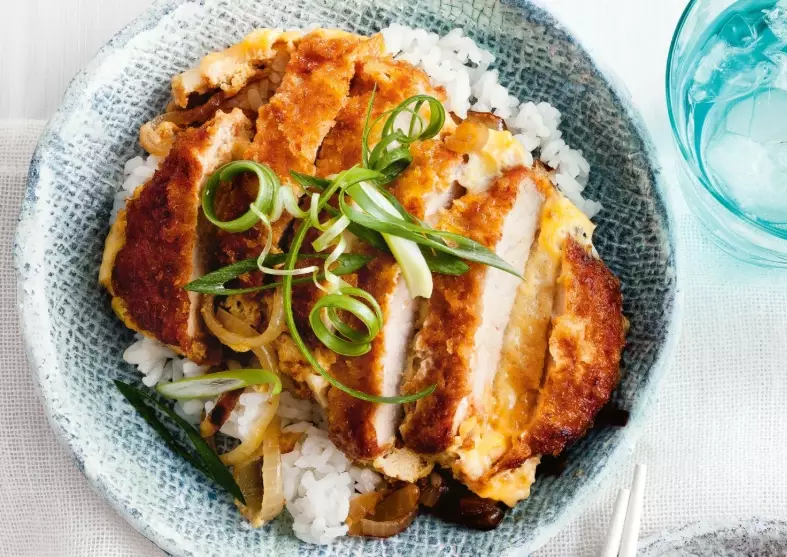
What You'll Learn in This Guide
- What is Katsu Don and Why It's a Weeknight Savior
- Ingredients Breakdown: The Non-Negotiables for Authenticity
- Step-by-Step Katsu Don Recipe with Pro Timing
- Common Mistakes and How to Avoid Them (From a Chef's Perspective)
- Expert Tips from 10 Years of Japanese Cooking
- Where to Find the Best Katsu Don in Japan (If You're Not Cooking)
- FAQ: Your Katsu Don Questions Answered
What is Katsu Don and Why It's a Weeknight Savior
Katsu don, short for katsudon, is a donburi (rice bowl dish) featuring tonkatsu (breaded pork cutlet) simmered with egg and onions in a sweet-savory dashi-based sauce. It originated in Tokyo in the early 20th century and quickly became a staple for its hearty, quick-cooking nature. The beauty lies in the contrast: the pork stays crispy under the egg layer, and the sauce soaks into the rice without making it soggy. I first had it at a tiny shop in Shinjuku, and I was hooked—but when I tried to replicate it at home, my katsu turned into a sad, greasy mess. That's when I realized most recipes skip the crucial details.
Why bother making it yourself? For one, it's cheaper than eating out (a bowl costs around $10-15 in cities like New York, but homemade can be under $5 per serving). Plus, you control the quality. Many restaurants use pre-made mixes for the sauce, which can be too sweet or salty. Doing it from scratch lets you tweak it to your taste.
Ingredients Breakdown: The Non-Negotiables for Authenticity
Get these right, and you're halfway there. Here's a table of the core ingredients with notes on substitutions—but I recommend sticking to the real deal for the first try.
| Ingredient | Why It Matters | Substitution (If Desperate) |
|---|---|---|
| Pork loin or fillet (about 1/2 inch thick) | Thin cuts dry out; thick ones won't cook evenly. Loin is juicier, but fillet is leaner. I prefer loin for home cooking. | Chicken breast (but it's not katsu don anymore—call it chicken katsu don). |
| Panko breadcrumbs | Japanese panko is coarser and crispier than regular breadcrumbs. Don't use Italian-style—it'll be too dense. | Crushed cornflakes (adds sweetness, but texture differs). |
| Dashi stock (kombu and bonito based) | This is the soul of the sauce. Instant dashi works, but homemade elevates it. The Japan Culinary Academy emphasizes dashi's umami role. | Chicken broth mixed with a splash of soy sauce (not authentic, but okay in a pinch). |
| Mirin and soy sauce | Mirin adds sweetness and gloss; use real mirin, not mirin-like seasoning. Soy sauce should be Japanese, not Chinese—lighter color and saltier. | For mirin: a mix of sugar and sake. For soy sauce: tamari (gluten-free option). |
| Eggs (large, fresh) | Fresh eggs create a creamier, less watery topping. Older eggs can make the dish runny. | No good sub—eggs are essential. |
One thing I learned the hard way: skimp on the dashi, and the whole bowl tastes flat. I once used a cheap instant powder, and my family said it tasted like salty water. Now, I either make my own or use a reputable brand like Hondashi, which you can find in Asian grocery stores or online.
Step-by-Step Katsu Don Recipe with Pro Timing
This isn't just a list—it's the sequence that matters. Follow the timing to keep everything hot and crisp.
Step 1: Prep the Pork Cutlet (Tonkatsu)
Pound the pork lightly to even thickness (about 1/2 inch). Season with salt and pepper. Dredge in flour, then beaten egg, then panko. Press the panko firmly so it sticks. Here's a trick: chill the breaded cutlet in the fridge for 15 minutes before frying. This helps the coating adhere and reduces oil absorption. Most recipes don't mention this, but it's a game-changer—I picked it up from a chef in Osaka.
Step 2: Fry to Perfection
Heat oil (like vegetable or canola) to 340°F (170°C). Fry the pork for 5-6 minutes until golden brown and cooked through. Don't overcrowd the pan; fry one or two at a time. Drain on a wire rack, not paper towels—this keeps the bottom crispy. I used paper towels once, and the steam made the katsu soggy on one side. Never again.
Step 3: Make the Sauce and Simmer
In a small pan, combine 1 cup dashi, 2 tbsp soy sauce, 2 tbsp mirin, and 1 tbsp sugar. Bring to a simmer. Add sliced onions and cook until tender. Slice the fried katsu and place it on top of the onions. Pour beaten eggs (2-3 eggs) over everything. Cover and cook on low heat for 2-3 minutes until the eggs are just set but still creamy. The lid is crucial—it traps steam to cook the eggs evenly without overcooking.
Step 4: Assemble the Bowl
Place hot rice in a bowl. Slide the katsu and egg mixture on top. Garnish with chopped green onions or beni shoga (red pickled ginger). Serve immediately. If you let it sit, the rice soaks up too much sauce and gets mushy. I timed this: from start to finish, it takes about 30 minutes, making it doable for a weeknight.
Common Mistakes and How to Avoid Them (From a Chef's Perspective)
Everyone makes errors, but here are the big ones I've seen—and fixed.
Mistake 1: Overcooking the eggs. If the eggs are rubbery, you cooked them too long. The eggs should be softly set, almost runny in spots. Once you add the eggs, cover the pan and turn off the heat after 2 minutes; residual heat finishes the job.
Mistake 2: Using the wrong oil temperature. Too hot, and the panko burns before the pork cooks. Too cool, and the katsu absorbs oil and gets greasy. Use a thermometer or test with a panko crumb—it should sizzle gently. I didn't have a thermometer for years, and my katsu was either pale or charred. Investing in a $10 one changed everything.
Mistake 3: Skipping the dashi. Some recipes use water or broth alone, but dashi adds umami depth. The Japanese Ministry of Agriculture, Forestry and Fisheries highlights dashi as a key component in washoku (Japanese cuisine). If you're unsure, check resources like Just One Cookbook for reliable dashi guides.
Expert Tips from 10 Years of Japanese Cooking
Beyond the basics, here are insights you won't find in most blogs.
Tip 1: Choose pork with some marbling. Lean pork can be tough. Look for loin with thin fat streaks—it stays juicy during frying. In Japan, brands like Kagoshima pork are prized, but at home, any good-quality pork works. I once used organic pork from a local farm, and the flavor was richer, but it's not necessary.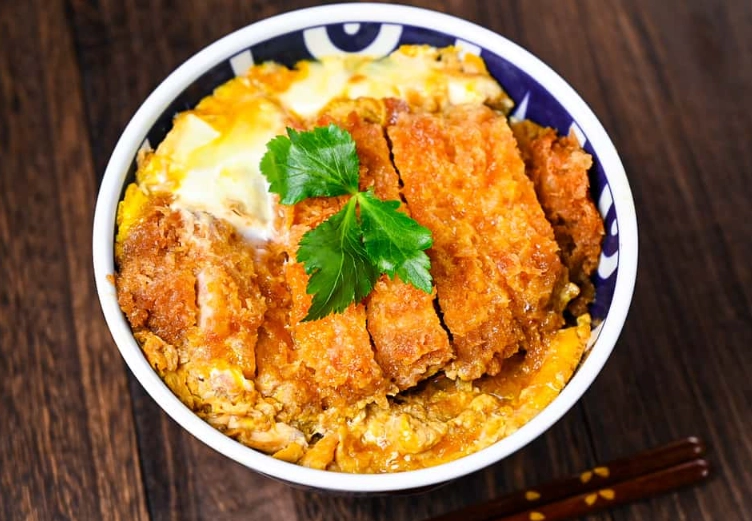
Tip 2: Make extra sauce and freeze it. The sauce base (dashi, soy, mirin) freezes well for up to a month. Thaw and use for quick meals. I do this every month, and it cuts prep time in half.
Tip 3: Use a non-stick pan for the egg mixture. Cast iron retains too much heat and overcooks the eggs. A non-stick pan gives you control. My first attempts were in a cast iron skillet, and I ended up with scrambled eggs—tasty, but not katsu don.
Tip 4: Add a splash of usukuchi soy sauce. This lighter soy sauce enhances color without making the dish too dark. It's a small detail, but it makes the bowl look more appetizing. I learned this from a Tokyo home cook who swore by it.
Where to Find the Best Katsu Don in Japan (If You're Not Cooking)
Sometimes, you just want to eat out. Here are three spots I've visited, with specifics so you can plan a trip.
- Maisen (Tokyo, Aoyama): Address: 4-8-5 Jingumae, Shibuya-ku, Tokyo. Known for their tonkatsu, their katsu don uses black pork (kurobuta). Price: around ¥1,800 ($12). Open 11 AM-10 PM. The crust is incredibly light—they double-fry it, a technique I've adopted at home.
- Katsuya (Osaka, Dotonbori): Address: 1-6-12 Dotonbori, Chuo-ku, Osaka. A bustling spot with a sweet-savory sauce that's slightly thicker. Price: ¥1,500 ($10). Open 10 AM-11 PM. I found their sauce too sweet for my taste, but tourists love it.
- Saboten (Multiple locations, including Ginza): A chain, but consistent. Address: 6-12-17 Ginza, Chuo-ku, Tokyo. Their katsu don comes with a miso-based option. Price: ¥1,600 ($11). Open 11 AM-9 PM. Good for families—they offer kids' portions.
If you're outside Japan, check local Japanese restaurants with high ratings on Google Maps (4 stars or above). Look for places that make their own tonkatsu in-house.
FAQ: Your Katsu Don Questions Answered
That wraps it up. Katsu don is more than a recipe—it's a technique that rewards patience. Start with good ingredients, follow the steps, and don't rush the simmer. When you get it right, that first bite of crispy pork and creamy egg over rice is pure joy. Give it a shot this week, and let me know how it goes. Happy cooking!
Reader Comments