My Doria Journey: A Quick Guide
- The Surprisingly Swiss History of a Japanese Classic
- Breaking Down the Anatomy of a Perfect Doria
- The Wonderful World of Doria Variations
- Doria vs. Gratin vs. Risotto: Clearing the Confusion
- Your Doria Questions, Answered (FAQ)
- Making Doria at Home: A No-Fuss, Classic Recipe Walkthrough
- Why Doria Food Captured Japan’s Heart (And Maybe Yours)
I still remember my first encounter with Doria food. It was in a small, family-run restaurant in a back alley of Osaka, not the flashy tourist spots. The menu was all in Japanese, and I just pointed at a picture of something that looked creamy, cheesy, and utterly comforting. What arrived was this steaming, bubbling dish with a golden-brown crust that hid a world of creamy sauce, rice, and seafood underneath. I had no idea what it was called then, but I knew I needed to find out. That’s how my deep dive into the world of doria began.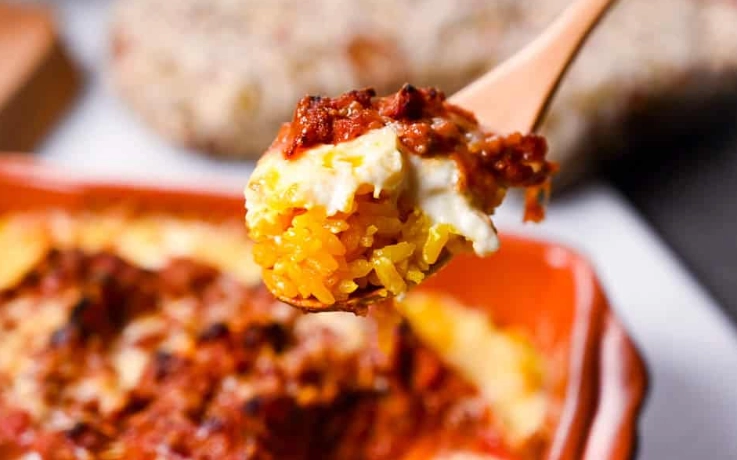
If you’re here, you’ve probably seen a picture, heard the name, or taken a curious bite yourself. Maybe you’re wondering, “What is this thing, really?” Is it a casserole? A gratin? A pasta-less lasagna? Well, you’re not alone. For a dish so beloved in Japan, there’s surprisingly little clear information about it in English. Let’s fix that.
So, What Exactly Is Doria Food?
At its heart, Japanese doria (ドリア) is a yoshoku dish. Yoshoku refers to Japan’s unique category of Western-inspired cuisine that was adapted and perfected over the last 150 years. Think tonkatsu (from the cutlet), korokke (croquettes), and omurice. Doria fits right in. It’s essentially a baked rice casserole. You start with a base of cooked rice (usually short or medium-grain Japanese rice, but sometimes pilaf). That rice is smothered in a rich, creamy white sauce—almost always a béchamel. On top of that, you layer ingredients like sautéed seafood, chicken, or mushrooms, cover everything with a generous blanket of cheese (typically Parmesan or a mix), and bake it until the top is gloriously browned and crispy, and the inside is piping hot and oozy.
The magic is in the contrast: the crisp, savory cheese crust against the soft, creamy interior and the chewy rice. It’s the definition of comfort food in Japan, found everywhere from casual family restaurants (famiresu) like Saizeriya and Denny’s Japan to high-end hotel buffets and home kitchens.
But here’s a common point of confusion. Is it just a Japanese take on gratin? Sort of, but not quite. A gratin can be made with potatoes, pasta, or vegetables. Doria food is specifically about the rice. It’s rice taking center stage in a Western-style baked format. That specific identity is key.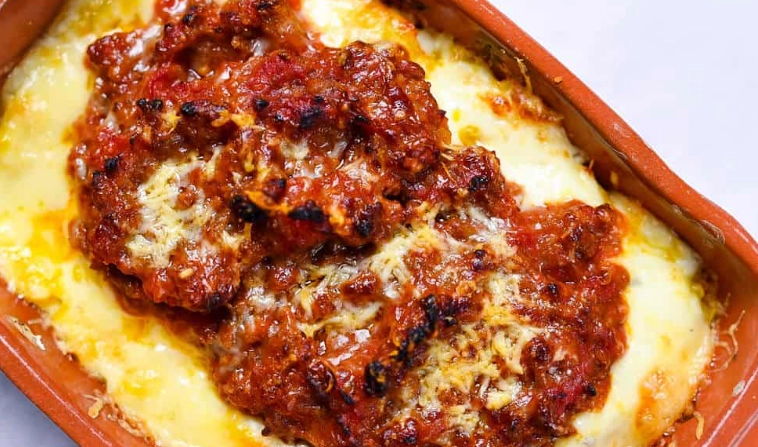
The Surprisingly Swiss History of a Japanese Classic
This is where it gets interesting. The origin story of doria is one of those beautiful culinary accidents. The most widely accepted tale points to the Hotel New Grand in Yokohama in the 1920s. A Swiss chef named Saly Weil (or, by some accounts, a chef simply inspired by Swiss cuisine) was faced with a problem. He had leftover pilaf rice. Instead of wasting it, he decided to pour a creamy white sauce over it, add some toppings, sprinkle cheese, and bake it. He supposedly named it after a French battleship, the “Doria,” though the connection seems a bit tenuous—some say it was after his patron, a Mr. Doria. The truth is a bit fuzzy, which I kind of love. It feels human, not some corporate invention.
What’s not fuzzy is its journey. From that hotel kitchen, doria slowly trickled into other Western-style restaurants in Japan. Post-World War II, as dairy products became more available and the concept of “family restaurants” boomed, Doria food found its true home. It was affordable, hearty, kid-friendly, and felt slightly luxurious with its cheese and cream. It became a staple.
To understand this better, you have to look at the broader context of yoshoku. The Japanese Ministry of Agriculture, Forestry and Fisheries (MAFF) actually has resources discussing the cultural integration of Western foods into Japanese cuisine, which helps frame how dishes like doria evolved from foreign concepts into national comfort foods. It wasn’t just copying; it was a thoughtful, deliberate process of adaptation.
I’ve tried to find a “definitive” original recipe from the Hotel New Grand, but it seems lost to time. Most modern recipes are interpretations. Part of me prefers it that way—it means doria belongs to everyone now.
Breaking Down the Anatomy of a Perfect Doria
Making doria at home isn’t hard, but getting that authentic restaurant-style taste requires attention to a few key layers. It’s all about building flavors and textures.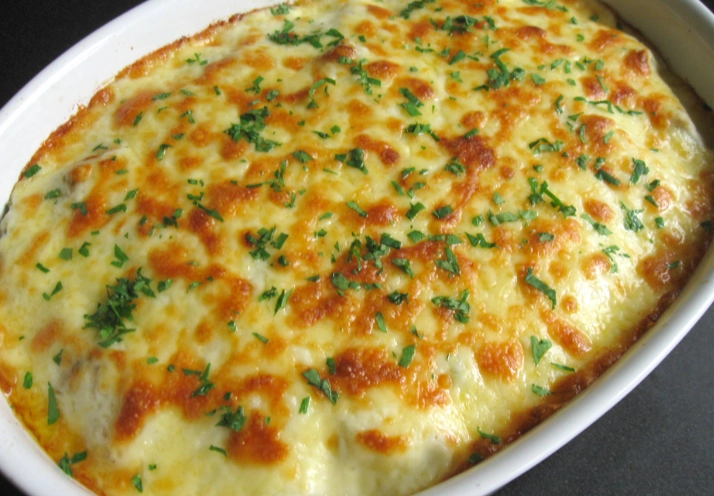
Layer 1: The Rice Foundation
This is the base of everything. You can’t use just any rice.
Best Choice: Freshly cooked Japanese short-grain rice (uruchimai). It’s sticky enough to hold the dish together but firm enough not to turn to mush in the sauce.
Common Variation: Pilaf-style rice. This is how many restaurant chains do it. They sauté the uncooked rice with a bit of butter and onion before cooking it in broth, which gives the entire doria dish a deeper, more savory backbone. Honestly, I think this pilaf method makes a huge difference. It adds a layer of flavor that plain white rice just doesn’t have.
What to Avoid: Long-grain rice like Basmati or Jasmine. They’re too dry and separate, and they don’t absorb the sauce well. Leftover rice from the fridge? Make sure to re-steam it or sprinkle it with a little water and microwave it to bring back some moisture before using.
Layer 2: The Creamy Heart (Béchamel Sauce)
This is the soul of the dish. A proper béchamel is non-negotiable. The boxed powder stuff? It will work in a pinch, but the flavor is flat and often overly salty. The real deal is simple: butter, flour, milk. The secret to a great doria béchamel is to cook the flour in the butter long enough to get rid of the raw taste (a “blond roux”), and to use warm milk to avoid lumps. Season it well with salt, white pepper, and a whisper of nutmeg. Some recipes add a splash of chicken or seafood stock concentrate for umami.
Pro Tip I Swear By: Infuse your milk first. Heat the milk with a bay leaf, a slice of onion, and a few peppercorns. Let it steep off the heat for 10 minutes, then strain it before making the sauce. This extra step adds a subtle, complex aroma that elevates your Doria food from homey to restaurant-quality.
Layer 3: The Toppings & The Cheese Blanket
This is where you customize. The toppings are usually sautéed separately and mixed into the béchamel or layered over the rice.
Now, the cheese. This is critical for that signature look and taste.
| Cheese Type | Flavor & Melt Profile | Best Used For | My Personal Take |
|---|---|---|---|
| Parmesan (Parmigiano-Reggiano) | Salty, nutty, umami-packed. Forms a crisp, flavorful crust. | The classic choice. Often used alone or as a topping mix. | Non-negotiable for authenticity. The gold standard. |
| Mozzarella | Mild, creamy, super stretchy. | Great for mixing with other cheeses for that iconic “pull.” | Alone, it’s too bland. Mix it with Parmesan for perfect balance. |
| Gruyère | Sweet, slightly nutty, excellent melt. | A gourmet twist. Connects back to the dish’s Swiss origins. | Delicious but can be overpowering. Use in small amounts with Parmesan. |
| Processed Cheese Slices | Very creamy, smooth melt, mild flavor. | Sometimes used in home-style or ultra-comforting versions. | I avoid it. It makes the texture too smooth and homogenous for my taste. |
The final step is the bake. A very hot oven (220°C/425°F) or a strong broiler finish is essential to get that dramatic, spotty-brown crust without overcooking the interior.
The Wonderful World of Doria Variations
Once you know the basic formula, the world of Doria food opens up. It’s a incredibly versatile template. Here’s a rundown of the most popular types you’ll find in Japan, ranked by how commonly I’ve seen them on menus.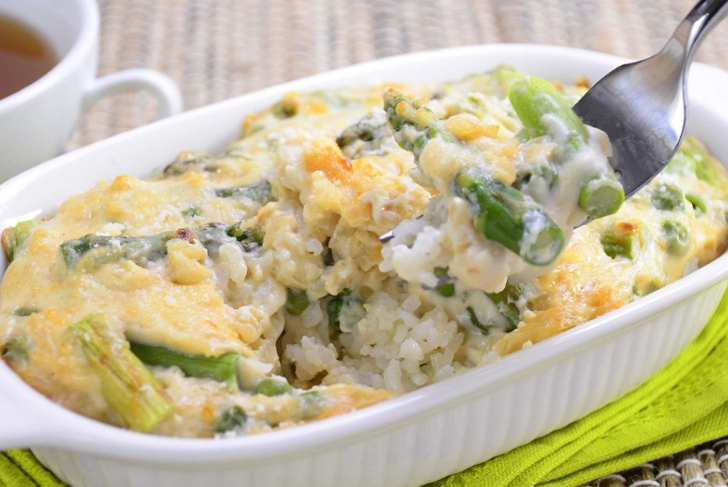
Top Doria Varieties You Need to Try
Seafood Doria: The king, in my opinion. Plump shrimp, scallops, and squid (ika) sautéed in butter and white wine, then folded into the béchamel. Sometimes with a hint of tomato paste or tarragon. This is the one I had in Osaka.
Chicken Doria: The weekday warrior. Diced or shredded chicken, often with sautéed mushrooms and spinach. Reliable, hearty, and always satisfying.
Mushroom Doria (Kinoko Doria): A vegetarian favorite. A mix of shimeji, eringi, and shiitake mushrooms, sautéed until they release their deep, earthy juices. So much umami.
Curry Doria: A fusion powerhouse. The béchamel is replaced or swirled with Japanese-style curry roux. It’s a carb-on-carb dream that somehow works perfectly.
Hayashi Rice Doria: Another brilliant mashup. Hayashi rice is a Japanese dish of rice with a demi-glace-based beef and onion stew. Bake that under cheese? Yes, please.
Omurice Doria: This is next-level. It’s an omelette filled with chicken rice (omurice), placed in a dish, covered with béchamel and cheese, and baked. It’s as decadent as it sounds.
I’ve even seen modern twists like four-cheese doria, tomato cream sauce doria, and mentaiko (spicy cod roe) doria. The creativity is endless.
Doria vs. Gratin vs. Risotto: Clearing the Confusion
This trips up a lot of people. Let’s set the record straight.
- Doria: Rice base + Béchamel sauce + Toppings + Cheese, then baked. The rice is pre-cooked.
- Gratin (Japanese context): Usually refers to a pasta-based or potato-based baked dish with white sauce and cheese. If it’s rice, they’ll specifically call it doria.
- Risotto: An Italian dish where rice (Arborio, Carnaroli) is cooked slowly by adding broth, creating a creamy consistency. It’s stirred on the stovetop, not baked. No béchamel, and cheese is stirred in at the end.
- Baked Risotto: This is probably the closest Western cousin. It’s like a hybrid, but even then, the technique and final texture are different from doria.
So no, doria is not just a baked risotto. It’s its own thing.
Your Doria Questions, Answered (FAQ)
Is doria food considered healthy?
Let’s be real. With its butter, cream, cheese, and white rice, it’s not a health food. It’s comfort food, meant to be enjoyed in moderation. That said, you can make lighter versions: use low-fat milk for the béchamel, increase the vegetable-to-meat ratio, and go easy on the cheese topping. But sometimes, you just need the real deal.
Can I make doria ahead of time?
Absolutely. You can assemble the entire dish—rice, saucy toppings, cheese—in an ovenproof dish, cover it tightly, and refrigerate for up to a day. When you’re ready, bake it straight from the fridge, but add 10-15 minutes to the baking time. The cheese might not brown quite as beautifully, but it’ll still be delicious. I do this for dinner parties all the time.
What’s the best way to reheat leftover doria?
The microwave will make it soggy. To preserve the crust, use an oven or toaster oven. Reheat at around 180°C (350°F) for 10-15 minutes, covered with foil for the first half to prevent the cheese from burning. It won’t be quite as perfect as fresh, but it’s the best method.
Is doria suitable for vegetarians?
Easily! The classic mushroom doria is a fantastic vegetarian option. Just ensure your béchamel is made with vegetable stock or plain water instead of chicken stock. Many restaurants in Japan now offer clearly marked vegetarian doria choices, especially in larger cities.
Where can I find the best doria in Japan?
You can find decent doria at almost any family restaurant chain. But for something special, look for old-school yoshoku restaurants. In Tokyo, areas like Ginza and the Kichijoji district have famous, long-standing yoshoku places. The Tokyo Metropolitan Government’s tourism pages sometimes feature historic restaurant areas where these gems hide. Yokohama, being its birthplace, also has a claim. Don’t just search for “doria”; search for “yoshoku restaurant” (洋食屋). That’s where the magic often is.
Making Doria at Home: A No-Fuss, Classic Recipe Walkthrough
Ready to try? Here’s my go-to method for a classic Chicken and Mushroom Doria. It’s forgiving, so don’t stress.
What You’ll Need:
- Cooked Japanese short-grain rice (for 2 people, about 1.5 cups uncooked rice, cooked)
- 1 chicken breast, diced
- A handful of mushrooms (shimeji, button, or a mix), sliced
- 1/4 onion, finely chopped
- 2 tbsp butter (divided)
- 2 tbsp all-purpose flour
- 2 cups warm milk (full-fat is best for flavor)
- Salt, white pepper, a pinch of nutmeg
- 1/2 cup grated Parmesan cheese (plus more for topping)
- A handful of shredded mozzarella (optional, for stretch)
What You’ll Do:
- Prep the rice: If you want pilaf-style, cook your rice. Otherwise, have your plain cooked rice ready and keep it warm.
- Cook the toppings: In a pan, melt 1 tbsp butter. Sauté the onion until soft, then add the chicken until it turns white. Add the mushrooms and cook until they soften and release liquid. Season with salt and pepper. Set aside.
- Make the béchamel: In a saucepan, melt the remaining 1 tbsp butter over medium heat. Add the flour and whisk constantly for 1-2 minutes until it smells nutty. Don’t let it brown. Gradually add the warm milk, whisking vigorously to prevent lumps. Keep whisking until the sauce thickens enough to coat the back of a spoon. Season well with salt, white pepper, and nutmeg. Stir in the 1/2 cup Parmesan until melted.
- Combine: Fold about two-thirds of the béchamel into the chicken and mushroom mixture. Leave the rest of the sauce aside.
- Assemble: In a small ovenproof dish (or two individual ones), spread the warm rice evenly. Pour the remaining plain béchamel over the rice and spread it lightly. Then, spoon the saucy chicken and mushroom mixture over the top, covering the rice.
- Cheese it up: Mix the extra Parmesan with some mozzarella (if using) and sprinkle a thick, even layer over the entire surface.
- Bake: Place in a preheated 220°C (425°F) oven for 15-20 minutes, or until the top is golden brown and bubbling. If needed, finish under the broiler for 1-2 minutes for extra color—but watch it like a hawk!
- Rest and serve: Let it sit for 5 minutes after taking it out of the oven. It’s molten lava hot inside. Serve with a simple green salad or just dig in as is.
The first time I made this at home, my béchamel was lumpy. I was so annoyed. I strained it, and it was fine. Don’t let perfection be the enemy of a good, cheesy dinner. Even an imperfect homemade doria dish is miles better than most things.
Why Doria Food Captured Japan’s Heart (And Maybe Yours)
So why has this dish endured for nearly a century? I think it hits a sweet spot. It’s familiar yet feels special. It’s warm and filling. It’s a perfect example of yoshoku philosophy: taking a foreign idea and making it uniquely, comfortably Japanese. It’s not trying to be French or Swiss anymore; it’s just Doria food.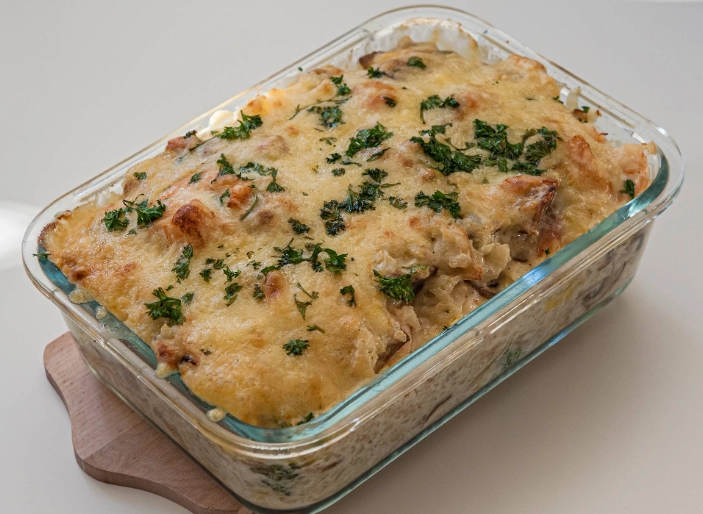
Whether you’re exploring Japanese cuisine for the first time or you’re a seasoned fan looking to recreate a taste of your travels, doria is a gateway. It’s accessible, customizable, and deeply satisfying. From its humble beginnings with leftover rice to its status as a family restaurant icon, the story of doria is a story of delicious adaptation.
My advice? Don’t overthink it. Find a recipe that speaks to you, gather your ingredients, and give it a try. Or, if you get the chance, seek out a proper yoshoku-ya in Japan and order it. There’s nothing quite like that first spoonful, breaking through the crispy cheese into the creamy, savory depths below. It’s a simple pleasure, and sometimes, those are the best ones.
Now, I’m hungry. Time to see what’s in my fridge.
Reader Comments