Your Yakisoba Ingredient Roadmap
Let's be honest. We've all had that disappointing plate of stir-fried noodles that just tasted... bland. Like someone boiled some pasta and tossed it with soy sauce. Real yakisoba, the kind that makes you close your eyes and just savor the moment, is a different beast entirely. It's a symphony of textures and a deep, complex umami punch that comes from getting the yakisoba ingredients just right.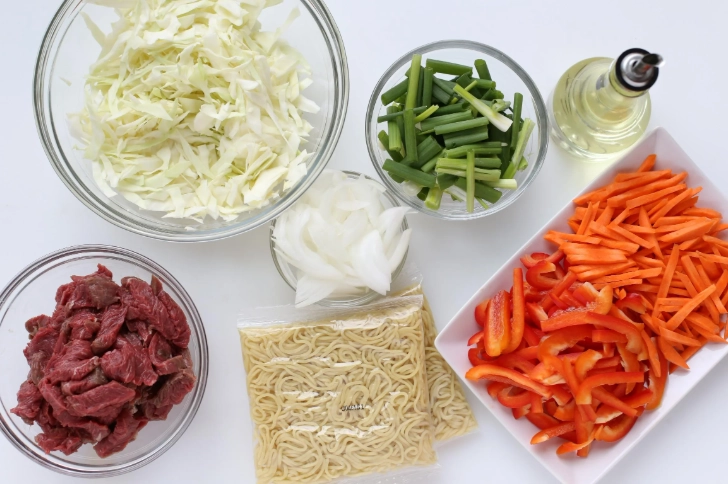
I remember my first attempt. I used spaghetti and ketchup. Don't laugh—it's a common "hack" you find online. The result was a sweet, soggy mess that bore zero resemblance to the sizzling, savory dish I'd had in Osaka. That failure sent me down a rabbit hole, talking to chefs, reading old cookbooks, and burning more than a few batches of noodles in my kitchen. What I learned is that yakisoba isn't just about throwing things in a wok. It's about understanding the role of each component.
So, what exactly goes into it? It's more than just "noodles and veggies." We're talking about a specific type of noodle, a carefully balanced sauce, and a supporting cast of proteins and vegetables that bring their own unique textures and flavors to the party. Miss one element, and the whole dish feels off.
This guide is for anyone who wants to move beyond the instant packet and create restaurant-worthy yakisoba at home. We'll dissect every single ingredient for yakisoba, explain why it works, and show you what to do if you can't find the exact item at your local store. By the end, you'll not only know what to buy, but you'll understand why you're buying it. That's the key to making it your own.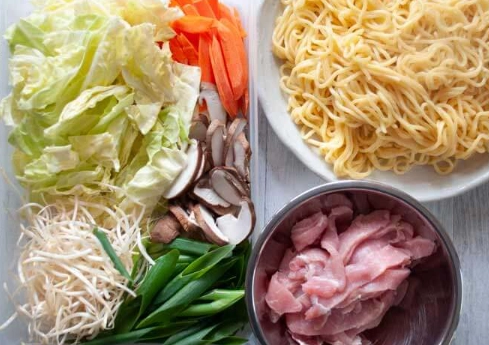
The Heart of the Matter: Yakisoba Noodles
This is non-negotiable. The noodle is the star. Using spaghetti, udon, or ramen noodles will give you a different dish—maybe a tasty one, but it won't be yakisoba. Authentic yakisoba noodles (called "chūkamen" in Japanese) are made from wheat flour, water, and kansui, an alkaline mineral water. This gives them their distinctive yellow color, firm, springy texture, and their ability to hold up to vigorous stir-frying without turning to mush.
They're pre-steamed and par-boiled, which is why you often find them in the refrigerated or frozen section of Asian markets, sold in little oiled blocks. This precooking is a gift to the home cook. It means they cook incredibly fast in the pan, absorbing flavors while developing a slight char.
Now, what if your local store doesn't carry them? Panic? Never. You have options.
Noodle Substitutes: The Good, The Okay, and The "Please Don't"
I've tested them all so you don't have to. Here’s the real-world breakdown.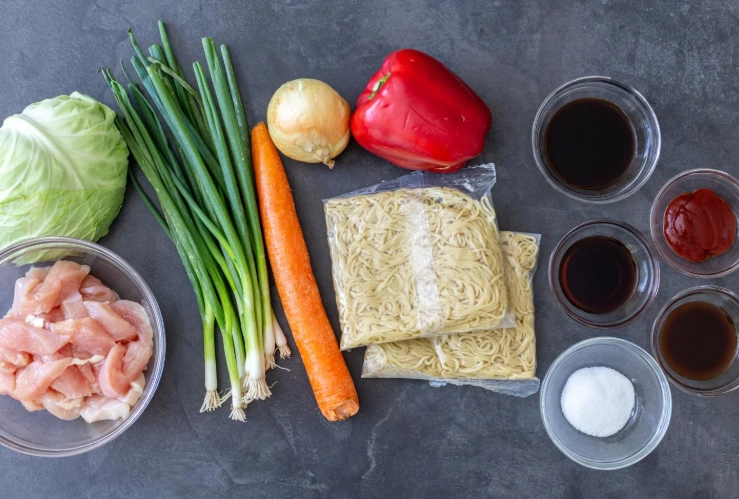
| Substitute | How It Compares | Preparation Tip | My Personal Verdict |
|---|---|---|---|
| Ramen Noodles (Fresh) | Very close in texture and composition. The best substitute by far. | Use fresh or par-boiled ramen. Discard the flavor packet. | Excellent. 95% of the way there. Sometimes I can't even tell the difference in a blind test. |
| Udon Noodles | Much thicker, chewier, and whiter. Creates a heavier, doughier dish. | Boil according to package, drain VERY well. Cut stir-fry time. | Okay in a pinch. It becomes "Yaki-udon," which is its own delicious thing, but it's not classic yakisoba. |
| Italian Spaghetti or Linguine | Too firm, doesn't absorb sauce well, wrong flavor profile. | Boil al dente, rinse in COLD water to remove starch, drain thoroughly. | Not great. It always tastes like Italian pasta pretending to be Asian. The texture is all wrong. |
| Instant Ramen Brick | Too thin, too fragile, often pre-fried. Can get greasy or mushy. | Soak in hot water just to loosen, don't fully cook. Drain and pat bone-dry. | Last resort. It works for a 3am dorm snack, but for a proper meal, invest in better noodles. |
See that? Ramen noodles are your get-out-of-jail-free card. The Japanese government's own resources on noodle types, like the overview on Japanese food culture from the Ministry of Agriculture, Forestry and Fisheries (MAFF), highlight how regional wheat and water define noodle character. While not specifically about yakisoba, it underscores why the base ingredient matters so much.
Dry vs. Fresh? Always go fresh or frozen if you can.
The dried "yakisoba noodles" sold on shelves? They're fine. Really, they are. But they lack the springy, almost bouncy quality of the fresh ones. They tend to be a bit more porous and soak up more sauce, which can be good or bad depending on your preference. I keep dried ones in the pantry for emergencies, but I'll always choose the refrigerated block for a planned meal.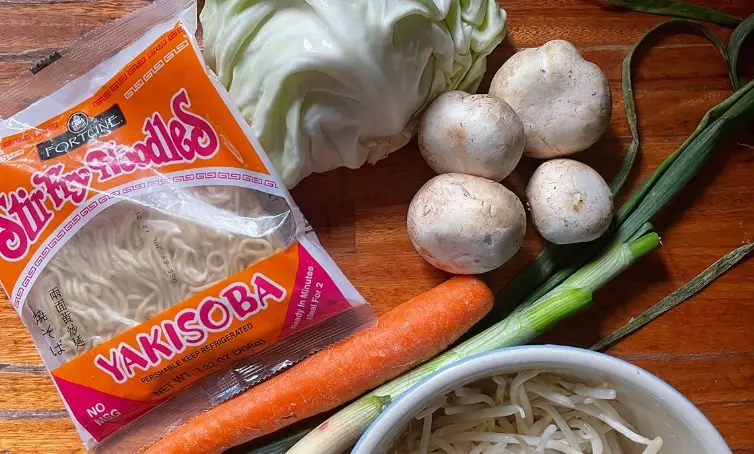
The Soul of the Dish: Yakisoba Sauce
If the noodles are the heart, the sauce is the soul. This is where the magic happens—that perfect balance of savory, sweet, tangy, and rich. Store-bought sauce is convenient, I get it. But have you looked at the ingredient list? It's often just sugar, vinegar, and caramel color with a dash of something vaguely savory.
Homemade sauce takes 2 minutes to whisk together and tastes infinitely better. It's the difference between paint-by-numbers and an original painting. The core components are simple, but each plays a critical role.
Here’s your basic, bulletproof formula for a single batch of sauce (enough for 2-3 servings of noodles):
- Worcestershire Sauce (4 tbsp): The backbone. Don't use Lea & Perrins? It's the gold standard for a reason. Its complex fermented tang is irreplaceable. (Japanese Worcestershire is slightly fruitier, but the British original works perfectly).
- Oyster Sauce (2 tbsp): Provides deep, oceanic umami and a glossy sheen. Vegetarian? Use mushroom stir-fry sauce.
- Soy Sauce (1 tbsp): For saltiness and that fundamental soy flavor. Use a regular Japanese soy sauce (koikuchi), not dark or light Chinese soy.
- Ketchup (1 tbsp): Yes, really. It adds a subtle sweetness, tang, and body. Don't overdo it, or your yakisoba will taste like a hot dog.
- Mirin (1 tbsp): Sweet rice wine. It rounds out the sharp edges and adds a gentle sweetness. No mirin? A tiny pinch of sugar and a teaspoon of water will do in a pinch.
- (Optional) A touch of honey or sugar: Only if you like it on the sweeter side. I usually skip it.
Whisk it all in a bowl. Taste it. It should make your mouth water—salty, sweet, tangy, all at once. This is your flavor bomb. The beauty is you can adjust it. Want it richer? More oyster sauce. More tang? A splash of Worcestershire. This control is why homemade wins.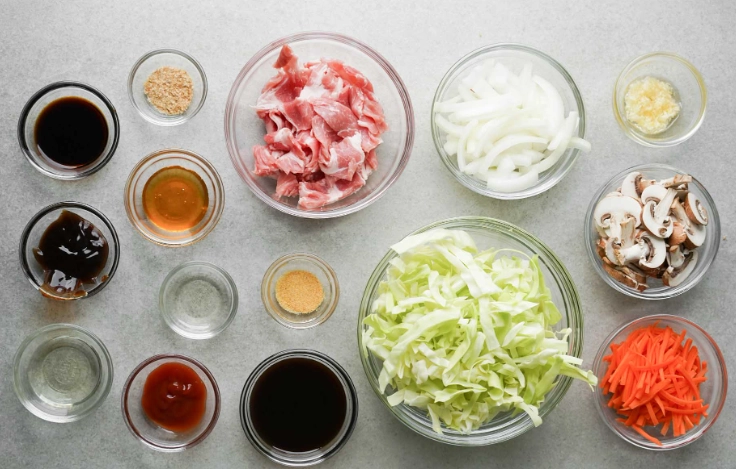
The Supporting Cast: Proteins & Vegetables
Now we build the world around our saucy noodles. This is where you can get creative, but there are some classics for a reason.
Protein Power
The goal is something that adds savory flavor and texture contrast. Thin slices are key—they cook fast and distribute evenly.
- Pork Belly or Thinly Sliced Pork Shoulder: The traditional king. The fat renders, flavoring the entire dish and getting the veggies deliciously slick. It's unbeatable.
- Chicken Thigh: Juicier and more flavorful than breast. Slice it thinly against the grain.
- Shrimp: Cook them first, set aside, and add back at the end so they don't get rubbery.
- Firm Tofu (pressed and cubed): A fantastic vegetarian option. Pan-fry the cubes until golden for great texture.
Ever wonder why Japanese recipes always specify thinly sliced meat? It's not just for looks. It ensures quick, even cooking in a hot wok, so your protein is done at the same time as your crisp-tender vegetables. It's a efficiency hack born from the fast-paced street food origins of yakisoba.
Vegetable Medley
You want a mix of colors, textures, and cooking times. The classic triumvirate is cabbage, carrot, and onion. They're cheap, they store well, and they create a perfect textural harmony.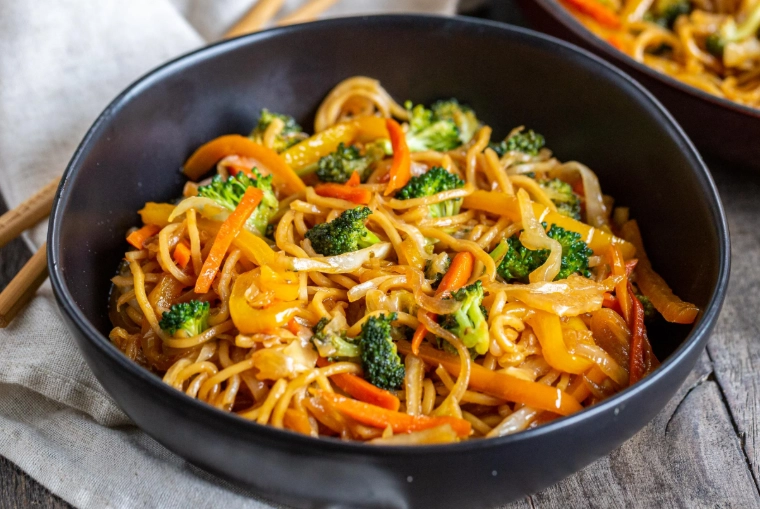
Here’s a ranked list of my favorite veggies to throw in, beyond the basics:
- Bean Sprouts: Add them in the last 60 seconds. They stay super crunchy and add a fantastic fresh, watery crunch.
- Bell Peppers (red or green): Sweetness and color. Slice them thin so they soften quickly.
- Mushrooms (shiitake or button): Umami bombs. Sliced shiitakes are a game-changer.
- Green Onions: A double-duty ingredient. Use the white parts in the stir-fry, and the green tops as a fresh garnish.
You see the pattern? Crunch (cabbage, sprouts), sweetness (onion, carrot), and umami (mushrooms). Hit those notes, and your vegetable mix will be perfect every time.
The Finishing Touches: Toppings & Garnishes
This isn't just decoration. These final yakisoba ingredients add crucial layers of flavor and texture that elevate the dish from good to "can I have the recipe?"
- Aonori (Green Laver Seaweed): The most iconic topping. It's dried, flaky seaweed that adds a subtle, briny, oceanic aroma. It's not fishy, just deeply savory. If you buy only one specialty garnish, make it this.
- Beni Shoga (Red Pickled Ginger): Those bright red slivers. They're tangy, slightly sweet, and pickled. They cut through the richness of the dish like a palate-cleansing spark. Don't mix them in—sprinkle on top so each bite can have a bit.
- Katsuobushi (Bonito Flakes): The pink, shaved fish flakes that dance and wave with the heat. They add an incredible smoky, savory depth. They're essentially pure umami in flake form.
- Sesame Seeds: A sprinkle of toasted white sesame seeds adds a nutty fragrance and a little visual pop.
I know, it seems like a lot. But think of it this way: the aonori adds aroma, the beni shoga adds zing, and the katsuobushi adds a deep, smoky note. Together, they create a multi-sensory experience. You can find a great explanation of these and other essential Japanese condiments on resources like BBC Good Food's guide to Japanese ingredients.
Putting It All Together: The Stir-Fry Sequence
Knowing the ingredients is half the battle. The other half is the order of operations. Get this wrong, and you'll have raw cabbage swimming in a pool of sauce with overcooked noodles. Here's the street-cart method, broken down.
First, mise en place. Have everything chopped, measured, and within arm's reach. The stir-fry happens fast.
- Noodle Prep: Loosen your refrigerated noodle block under running warm water. Separate the strands gently. Pat them dry with a paper towel. This is crucial—wet noodles steam instead of fry.
- Protein First: Heat oil in a large wok or skillet over high heat. Cook your sliced pork or chicken until just done. Remove and set aside on a plate.
- Hard Veggies: In the same oil (now flavored with meat juices), add onions, carrots, and cabbage cores. Stir-fry for 1-2 minutes until they start to soften.
- Softer Veggies: Add cabbage leaves, bell peppers, mushrooms. Another 1-2 minutes of high-heat tossing.
- The Noodle Drop: Push veggies to the side. Add a tiny bit more oil to the center and add your noodles. Let them sit for 30 seconds to get a little color on the bottom, then toss with the vegetables.
- Sauce & Combine: Pour your homemade sauce over everything. Toss, toss, toss like your dinner depends on it (it does) until every strand is coated and the sauce is clinging to everything, not pooling at the bottom.
- Final Union: Add the cooked protein and any quick-cook veggies like bean sprouts back in. Toss for one final minute to heat through.
- Plate & Garnish: Serve immediately on a hot plate. Top with a flurry of aonori, a pile of beni shoga, a dancing cloud of katsuobushi, and a sprinkle of sesame seeds.
That sizzle when the sauce hits the hot pan? That's the sound of flavor being made.
Answering Your Yakisoba Ingredient Questions (FAQ)
The Final Toss: It's About Building Layers
So, there you have it. The complete breakdown of every yakisoba ingredient and its role. It's not a random pile of food. It's a constructed dish where each element—the springy noodle, the balanced sauce, the savory protein, the crunchy veg, the aromatic garnish—adds a specific note to the chord.
Start with the core: get your noodles and sauce right. Then build out from there with your favorite proteins and vegetables. Don't stress about being 100% authentic. The best yakisoba is the one you make and love. Use this guide as your blueprint, not a prison.
Now, go raid your fridge. You probably have half of this stuff already. Whisk that sauce, fire up that wok, and get ready for a plate of noodles that's anything but bland.
Reader Comments