Your Harumaki Skin Journey
You've scrolled past it a hundred times. That impossibly smooth, translucent, almost glowing complexion on your TikTok or Instagram feed, usually with a caption like "Harumaki skin achieved!" or "My glass skin journey." It looks flawless, poreless, and lit from within. But here's the thing – it's not just a filter. It's a whole skincare philosophy that took off from Korea and has people obsessed. I was skeptical too. I mean, my skin has good days and bad days, and the idea of it looking like a delicate, thin spring roll wrapper (which is literally what 'harumaki' means in Japanese) felt like a fantasy.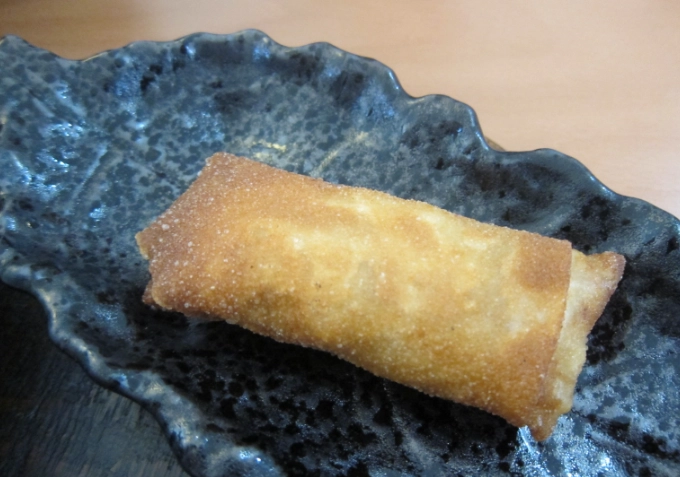
But after diving deep, talking to aestheticians, and tweaking my own routine for months, I get it now. It's less about perfection and more about incredible skin health. It's about that enviable harumaki skin look that comes from a supercharged barrier and optimal hydration. This isn't a one-product miracle. It's a marathon, not a sprint. And honestly? Some parts of the trend are overhyped. Let's peel back the layers (gently, no picking!) and see what's really going on.
What Exactly Is Harumaki Skin? (It's Not What You Think)
If you're imagining a single, defined look, think again. Harumaki skin is more of an ideal, a benchmark for skin quality. The core idea is skin that is so well-hydrated, so clear, and so resilient that it appears thin, translucent, and uniformly smooth – reminiscent of the delicate, almost see-through wrapper of a spring roll. The visual hallmarks are a dewy (not oily) finish, minimal visible pores, no dry patches, and a radiant glow that doesn't rely on highlighter.
It's closely related to the glass skin trend, but I'd argue harumaki skin emphasizes the "thinness" and even texture even more. It's the skin you get when your barrier is absolutely king. Think of it as the end result of nailing the basics: hydration, exfoliation, protection, and nourishment. When your skin barrier is compromised, it looks dull, rough, and uneven. When it's fortified, it can look like harumaki skin.
Here's the personal bit: I have combination skin. My T-zone is an oil slick by noon, but my cheeks could feel like sandpaper. Chasing this trend by piling on heavy creams was a disaster for my forehead. It broke out like crazy. That's the first lesson – your version of harumaki skin will be unique to you. It's about finding your skin's balance.
The Real-World Harumaki Skin Routine: A Step-by-Step Breakdown
Forget the 10-step routines that feel like a part-time job. The essence of achieving harumaki skin is consistency with key steps that focus on hydration and barrier support. You don't need a million products; you need the right ones used correctly.
The Non-Negotiable Double Cleanse
This is the foundation. Every single expert I've read or spoken to stresses this. You must remove sunscreen and makeup (the oil-based step) before you wash your face (the water-based step). Skipping this is like mopping a floor before sweeping it. Grit, pollution, and old sunscreen stick to your pores and prevent everything else from working. I use a simple cleansing balm followed by a gentle, low-pH foam cleanser. The difference in how my skin feels and absorbs serum is night and day.
Pro Tip: The American Academy of Dermatology Association emphasizes gentle cleansing as the first step in any good skincare routine to avoid stripping the skin. It's a cornerstone practice that directly supports the harumaki skin goal of a healthy barrier.
Layering Hydration: The Essence of the Trend
This is where the magic happens. The Korean beauty principle of layering multiple, light layers of hydration is core to building harumaki skin. You're not slapping on one thick cream. You're building a moisture sandwich.
- Toner or First Treatment Essence: This isn't the astringent toner of the 90s. Modern toners are hydrating and prep the skin. Pat it in, don't wipe.
- Essence or Light Serum: A hydrating serum with ingredients like hyaluronic acid or snail mucin. Apply to damp skin.
- Ampoule or Treatment Serum: This is your targeted treatment for concerns like brightening (vitamin C) or fine lines (retinol). Let it absorb.
- Moisturizer: Seals everything in. For oily skin, a gel-cream. For dry skin, something richer.
My skin drinks this up. When I skip the layering and just use a serum and moisturizer, my skin doesn't have that same plump, bouncy feel by the next afternoon. The harumaki skin look is all about that sustained plumpness.
Sunscreen: The Ultimate Anti-Aging & Barrier Protectant
No sunscreen, no harumaki skin. Period. UV damage breaks down collagen, causes hyperpigmentation, and thickens the skin's texture – the exact opposite of the translucent, smooth look you want. It's the most important skincare product, full stop. I use a Korean or Japanese sunscreen every single morning, rain or shine, because their formulations are often more elegant and less likely to pill under makeup. It's not a chore; it's the final, crucial step that protects all your other effort and investment.
See? It's methodical, but not insane.
Key Ingredients to Hunt For (And Ones to Be Wary Of)
Navigating skincare aisles is overwhelming. To build harumaki skin, you want ingredients that attract water, soothe irritation, and support skin repair. Here’s a quick cheat sheet:
| Ingredient | What It Does for Harumaki Skin | Best Found In | My Personal Take |
|---|---|---|---|
| Hyaluronic Acid | A humectant that holds up to 1000x its weight in water. Plumps skin instantly. | Serums, toners, moisturizers. | Game-changer, but apply to damp skin or it can pull water *out*. |
| Snail Mucin | Heals, hydrates, and soothes. Great for barrier repair. | Essences, creams. | Sounded gross, works amazingly. Calms redness like nothing else. |
| Centella Asiatica (Cica) | Anti-inflammatory, calming, and helps heal blemishes. | Toners, creams, spot treatments. | My go-to when my skin is angry or I've over-exfoliated. |
| Niacinamide | Strengthens barrier, regulates oil, minimizes pores, brightens. | Serums, toners. | A true multi-tasker. A 5-10% concentration is ideal. Higher % can irritate. |
| Peptides | Signals skin to produce more collagen, improving firmness. | Serums, moisturizers. | Long-term player. Don't expect overnight results, but worth it. |
Now, a word of caution. The pursuit of harumaki skin can lead people to over-exfoliate. Acids (AHAs/BHAs) and retinoids are fantastic for refining texture and speeding up cell turnover, which is essential for that smoothness. But using them too often, or combining too many, can torch your barrier. I learned this the hard way. My skin got red, tight, and more textured – the opposite of the goal. The AAD's guide on retinoids wisely advises starting slow, like once or twice a week. Patience is non-negotiable.
Beyond the Bottle: Lifestyle for Lasting Harumaki Skin
You can have the perfect routine and still not see that harumaki skin glow if you're neglecting these factors. Skincare is only part of the equation.
Diet and Hydration
The phrase "you are what you eat" is kinda true for skin. Foods rich in antioxidants (berries, leafy greens), healthy fats (avocado, nuts, olive oil), and collagen-supporting vitamins (Vitamin C from citrus) contribute to skin health from the inside out. A diet high in processed sugars and dairy can trigger inflammation in some people, leading to breakouts and dullness. Drinking enough water is obvious but critical. Dehydrated skin will never look plump and translucent.
Interesting Read: Research, like that discussed by Harvard T.H. Chan School of Public Health, explores how dietary patterns (like the Mediterranean diet) full of anti-inflammatory foods can positively impact overall health, which includes skin. It's a holistic view that aligns perfectly with the harumaki skin philosophy.
Sleep and Stress
They call it beauty sleep for a reason. During deep sleep, your skin goes into repair mode, producing new collagen and healing daily damage. Chronic stress elevates cortisol, which can increase oil production and break down collagen. My skin always looks paler, more congested, and lacks its usual bounce after a few bad nights of sleep. Managing stress through whatever works for you – walking, reading, meditation – isn't just good for your mind; it's a direct investment in your skin.
So, is it worth the hype?
Let's be real.
The harumaki skin trend has pushed us towards better habits: double cleansing, religious sunscreen use, and prioritizing hydration and barrier health. These are objectively good things. The problematic part is the unrealistic, airbrushed standard it can sometimes promote. Your skin is an organ, not porcelain. It will have days where it's less perfect.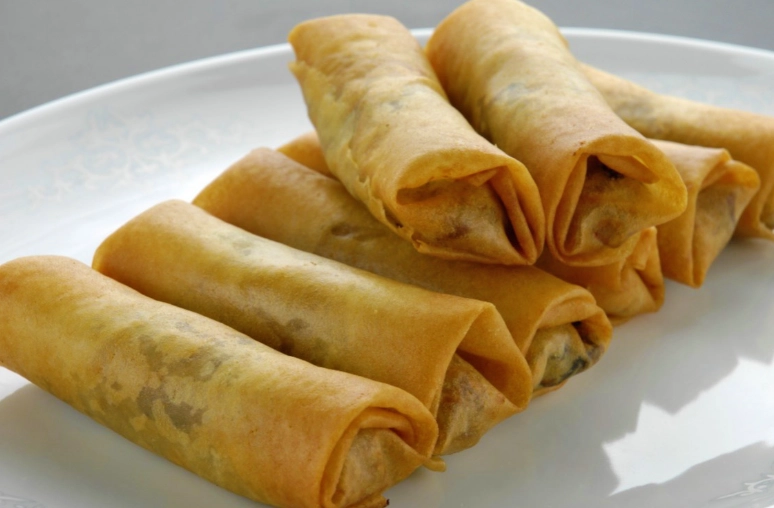
The goal shouldn't be to look like you have a filter on in real life. The goal should be the healthiest version of your own skin. When your skin is healthy, well-hydrated, and strong, that's when it naturally takes on that radiant, clear, smooth appearance – your personal version of harumaki skin. It's a marathon of good habits, not a sprint to a viral look. And that's a philosophy worth sticking with.
Harumaki Skin FAQ: Your Top Questions, Answered
At the end of the day, chasing harumaki skin taught me to listen to my skin. Some days it needs more moisture, some days it needs to be left alone. The trend gave me a framework, but my skin gave me the real feedback. That's the ultimate secret – consistency, patience, and adapting the philosophy to work for you, not against you.
Reader Comments