Quick Navigation
- The Heart of the Matter: A Side-by-Side Look
- Diving Deeper: The Historical Fork in the Road
- The Ingredient Divide: From Dashi to Demi-Glace
- Iconic Dishes: A Tale of Two Plates
- Where and How to Eat: The Cultural Experience
- Common Questions (And Some Straight Answers)
- The Final Takeaway: Two Sides of the Same Delicious Coin
So you're curious about yoshoku. Maybe you've seen it on a menu, heard a friend talk about it, or just stumbled upon the term while diving into the wonderful rabbit hole of Japanese cuisine. And now you're asking the big question: How does yoshoku differ from traditional Japanese food? It's a fantastic question, because the answer isn't just about ingredients—it's a story about history, culture, and how a nation reimagined the food of outsiders to make it uniquely its own.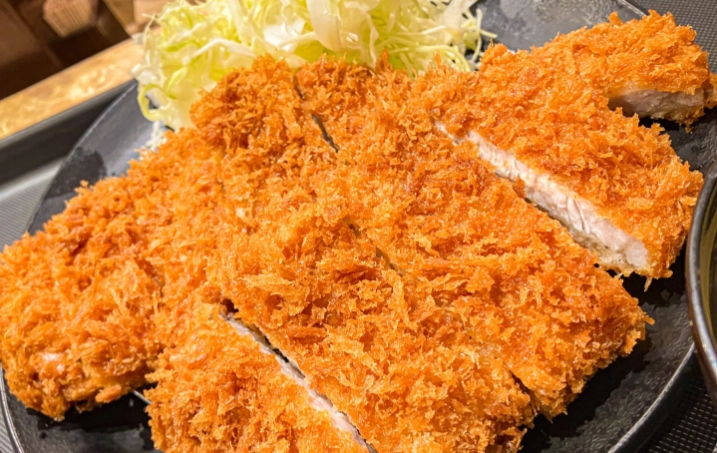
Let me tell you, the first time I really got the difference was in a little Tokyo restaurant that served nothing but yoshoku classics. I ordered a hambāgu (Japanese hamburger steak) expecting something, well, American. What arrived was this incredibly tender, juicy patty in a thick, savory demi-glace sauce, served with a side of buttery rice and a small salad with a creamy dressing. It was familiar, but completely transformed. That's yoshoku in a nutshell. It looks Western, but it feels, and more importantly, tastes, deeply Japanese.
Traditional Japanese food, or washoku (和食), is a UNESCO-recognized intangible cultural heritage. It's the cuisine built over centuries, emphasizing seasonality, subtle flavors, presentation, and ingredients native to Japan or introduced much earlier from China and Korea. Think sushi, tempura, soba, udon, miso soup, and kaiseki multi-course meals.
So, how does yoshoku differ from traditional Japanese food? The gap is wide, and it's fascinating. It's not a matter of one being better; they're two different branches on the same culinary tree, each telling a different part of Japan's story.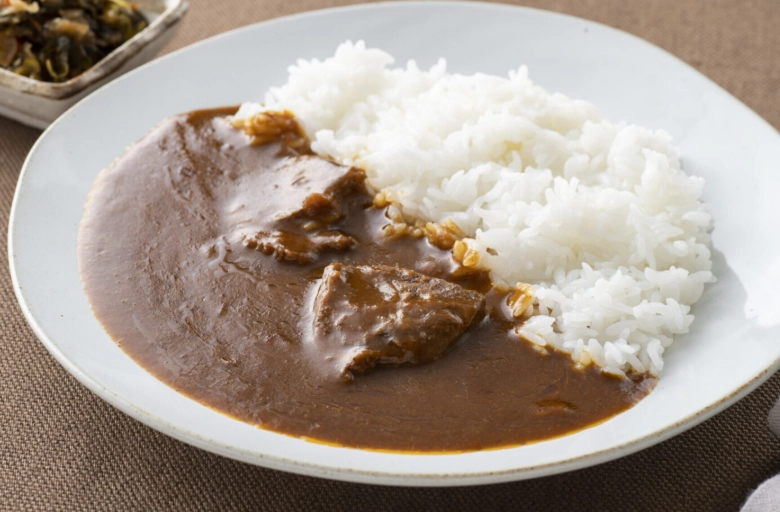
The Heart of the Matter: A Side-by-Side Look
To really see the contrast, let's break it down into bite-sized pieces. The table below isn't exhaustive, but it hits the major points that answer the core question of how yoshoku differs from traditional Japanese food.
| Aspect | Traditional Japanese Food (Washoku) | Yoshoku (Japanese Western-style Food) |
|---|---|---|
| Historical Roots & Era | Developed over centuries, from ancient times through the Edo period. Deeply influenced by Buddhist temple cuisine (shojin ryori), tea ceremony, and Chinese/Korean influences from long ago. | Born in the Meiji era (late 1800s) as Japan modernized. A direct, conscious adaptation of 19th-century European (mainly French, British, Portuguese) and later American cuisine. |
| Core Philosophy | Harmony with nature, seasonality (shun), highlighting the natural flavor of pristine ingredients. Presentation is an art form. The concept of "umami" as a foundational taste is central. | Practicality, nourishment, and novelty. Meant to be hearty, filling, and incorporate new ingredients and techniques. Flavor is often adjusted robustly to suit the Japanese palate of the time. |
| Signature Ingredients | Rice, seafood, seaweed (kombu, nori), soy (soy sauce, miso, tofu), seasonal vegetables, dashi (kelp & bonito stock), pickles. | Wheat flour (for breading, sauces), beef/pork (introduced widely in Meiji era), dairy (butter, milk, cream), tomatoes, ketchup, Worcestershire sauce, demi-glace, cabbage, carrots, onions. |
| Cooking Methods | Steaming, simmering, grilling, eating raw (sashimi), delicate frying (tempura). Often light on oil. | Pan-frying, deep-frying (katsu), baking/stewing in Western-style pots, making thick sauces (roux-based). Generally uses more oil and fat. |
| Flavor Profile | Subtle, delicate, umami-rich. Savory from dashi, salty from soy sauce, sweet from mirin. Balance is key. Individual components are often seasoned and eaten separately. | Bolder, sweeter, richer. Sauces are thick and cling to the food. Sweetness (from ketchup, tonkatsu sauce, Worcestershire) is more pronounced. Dishes are often sauced as a whole. |
| Serving Style & Meal Structure | Multiple small dishes served together (ichiju-sansai: one soup, three sides + rice). Chopsticks are essential. Focus on individual bowls and plates. | Often a single, main protein-centric dish served on one plate with sides (rice, salad, soup). Eaten with spoon and fork (or sometimes a knife). The "main dish" concept is strong. |
| Dining Context | Home cooking, high-end ryotei, izakaya (pub food), sushi bars, everyday meals. The foundation of daily life. | Originally for the wealthy and military, now found in specialized yoshoku-ya restaurants, family restaurants (famiresu), and home cooking as comfort food. |
See? It's like comparing a haiku to a modern novel. Both are Japanese literature, but their rules, origins, and feel are worlds apart.
Diving Deeper: The Historical Fork in the Road
You can't understand how yoshoku differs from traditional Japanese food without looking at history. For centuries, Japan was largely isolated. Its cuisine, washoku, developed in a kind of culinary bubble. Meat eating (especially from four-legged animals) was largely taboo due to Buddhist influence for much of this period. Then, in 1853, Commodore Perry's Black Ships arrived, and Japan was forced to open up.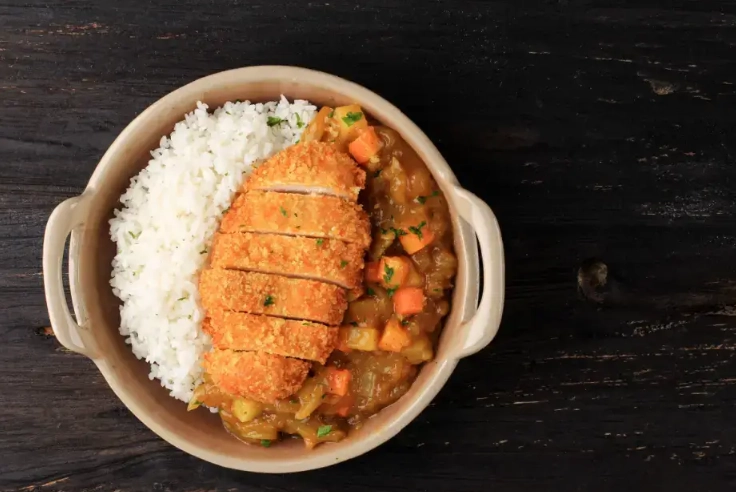
The Meiji government was desperate to modernize and catch up with the West. This meant adopting Western technology, military tactics, fashion, and food. Eating meat, particularly beef, was actively promoted as a way to build stronger, taller soldiers and citizens (the famous gyunabe or beef hot pot, a precursor to sukiyaki, became a symbol of this). The emperor himself was photographed eating beef to encourage the populace.
Here's the key twist: Japanese chefs of the era didn't have easy access to authentic European ingredients like certain cheeses, herbs, or cooking wines. More importantly, the Japanese palate was accustomed to dashi, soy sauce, and rice. So, they improvised. They used soy sauce instead of salt, added mirin for sweetness where wine might be used, and created hybrid sauces. Dishes were served with rice, not bread. What emerged wasn't a failed copy of French or British food, but a successful creation of a new Japanese genre. For a deeper dive into this transformative period, the Japan Story site by the Government of Japan offers excellent historical context on the Meiji era's societal changes.
Traditional washoku, on the other hand, flowed from a completely different historical stream. Its aesthetics were refined in the peaceful Edo period, its techniques honed in temple kitchens and aristocratic households. It represents a pre-modern, inward-looking Japan, while yoshoku is the taste of a nation stepping onto the world stage.
The Ingredient Divide: From Dashi to Demi-Glace
Open the pantry of a washoku chef and a yoshoku chef, and you'll find two different universes.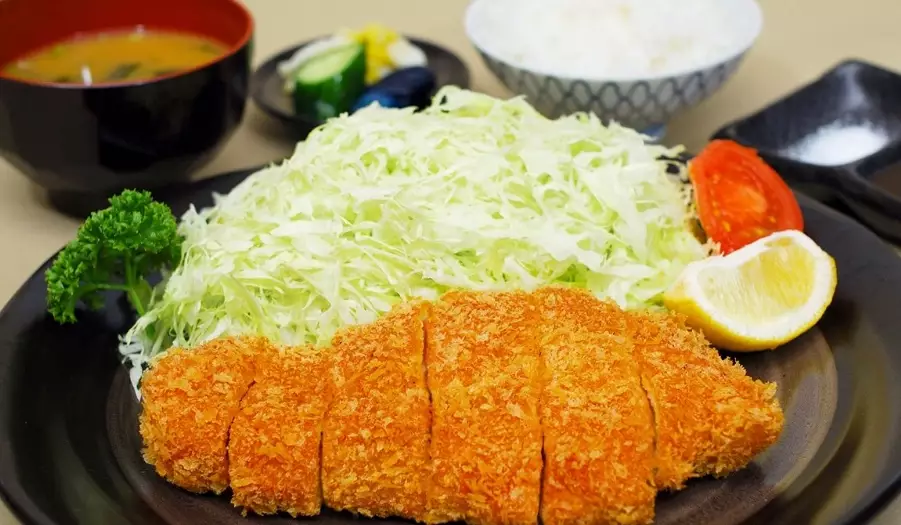
The Washoku Pantry Staples:
- Dashi: The soul of washoku. A clear broth made from kombu (kelp) and katsuobushi (dried bonito flakes). It's the source of umami in soups, sauces, and simmered dishes.
- Soy Sauce (Shoyu) & Miso: The fundamental seasonings, used with a light, precise hand.
- Rice: Short-grain japonica rice. Not just a side; it's the centerpiece of the meal.
- Seasonal Fish & Seafood: Tuna, salmon, sea bream, shrimp, octopus, clams. Prepared with minimal intervention.
- Mirin & Sake: Used for subtle sweetness and depth in cooking.
Now, peek into the yoshoku pantry.
The Yoshoku Pantry Revolutionaries:
- Wheat Flour: For breading (panko for katsu), making roux for curries and stews, and creating pasta (napolitan spaghetti).
- Meat: Beef (for hambāgu, korokke), pork (tonkatsu). The introduction of meat as a central protein was revolutionary.
- Dairy: Butter, milk, and cream. Used in cream croquettes (korokke), cream stew, and to make white sauces. This was utterly foreign to traditional cuisine.
- New Vegetables: Cabbage (for tonkatsu shreds), potatoes (for korokke and curry), tomatoes and tomato ketchup (for napolitan and omurice), onions, and carrots.
- Worcestershire Sauce & Tonkatsu Sauce: Those thick, sweet, tangy, fruity brown sauces you see. They have no direct European equivalent and are a purely Japanese invention for yoshoku.
- Demi-glace Sauce: A simplified, Japanese-ified version of the French sauce, often made from a roux base, stock, and vegetables, served over hambāgu.
The difference is stark. Washoku builds flavor from the sea (kombu, bonito) and fermentation (soy, miso). Yoshoku builds flavor from the land (meat, vegetables) and the pan (frying, roux-based sauces).
Iconic Dishes: A Tale of Two Plates
Nothing illustrates how yoshoku differs from traditional Japanese food better than looking at the dishes themselves.
Yoshoku Hall of Fame (The Comfort Food Classics)
These are the dishes you'll find in any dedicated yoshoku-ya. They feel like a warm hug.
- Tonkatsu: A thick pork cutlet, breaded with flaky panko breadcrumbs, deep-fried to golden perfection, and served with shredded cabbage, rice, miso soup, and that essential tonkatsu sauce. It's Japan's answer to the schnitzel, but crispier and served with rice.
- Hambāgu (Hambagu Steak): Not a burger in a bun. It's a seasoned ground meat patty (often a mix of beef and pork) pan-fried and smothered in a rich demi-glace or red wine sauce. Served on a plate with rice and vegetables. The texture is softer, more delicate than a Western burger patty.
- Korokke (Croquetas): Deep-fried patties with a crispy panko crust and a creamy interior. The most common are cream korokke (béchamel sauce based) and potato korokke. They're street food, side dish, and comfort food all in one.
- Omurice (Omelette Rice): Perhaps the ultimate fusion. Seasoned fried rice (often with chicken and ketchup) wrapped in or topped with a soft, slightly runny omelette, then drizzled with more ketchup or demi-glace. It's a lunchtime superstar.
- Japanese Curry (Kare Raisu): While curry has its own complex history, the thick, sweet, mild stew served with rice is a direct descendant of the British naval curry introduced in the Meiji era. It's a yoshoku staple, often with fried pork or chicken katsu on top (katsu curry).
- Napolitan Spaghetti: Boiled spaghetti stir-fried with onions, bell peppers, and ham or sausages in a ketchup-based sauce. Sometimes topped with a fried egg or parmesan cheese. It's sweet, tangy, and utterly unique. (I'll be honest, this one can be divisive—some find the ketchup base too simple, but when done well with good sausages, it's addictive).
Washoku Pillars (The Seasonal Masters)
In contrast, these dishes speak of restraint and the essence of their components.
- Sushi & Sashimi: The ultimate expression of pristine seafood. The rice is seasoned with vinegar, sugar, and salt. The fish is sliced expertly. Soy sauce and wasabi are accompaniments, not coatings. It's about texture, temperature, and the pure taste of the ocean.
- Tempura: Seafood and vegetables coated in a light, airy batter and deep-fried briefly. The goal is a crisp, delicate shell that doesn't overpower the ingredient inside. Served with a light tentsuyu dipping sauce or just salt.
- Soba & Udon: Noodles made from buckwheat or wheat, served in a delicate, savory dashi-based broth (hot or cold). Toppings are minimal—some scallions, maybe a tempura shrimp. The focus is on the noodle's texture and the broth's clarity.
- Miso Soup: A daily ritual. Dashi broth flavored with miso paste, with simple additions like tofu, wakame seaweed, and green onions. It's umami in a bowl.
- Kaiseki Ryori: The haute cuisine of Japan. A multi-course meal that is a seasonal poem on a plate. Each tiny dish showcases a specific ingredient at its peak, prepared with meticulous technique and presented like art. It's the philosophical opposite of a hearty plate of tonkatsu.
One cuisine gives you a satisfying, unified plate. The other offers an orchestrated experience of separate, delicate components.
Where and How to Eat: The Cultural Experience
The vibe is different too. A traditional washoku meal, especially a formal one, has rules. You pick up your small bowls, you use chopsticks precisely, you might drink the soup directly from the bowl. The pace is contemplative. You're appreciating each element.
Walk into a yoshoku-ya, and the atmosphere is more relaxed, almost retro. You get a glass of ice water. You order a "set" (teishoku). A big plate arrives with your main event—a golden-brown tonkatsu—a mound of rice, a heap of shredded cabbage, a small bowl of miso soup, and maybe some pickles. You pick up your fork (or sometimes spoon and fork) and dig in. You pour the thick tonkatsu sauce yourself, often grinding sesame seeds into it first. It's hearty, satisfying, and less formal.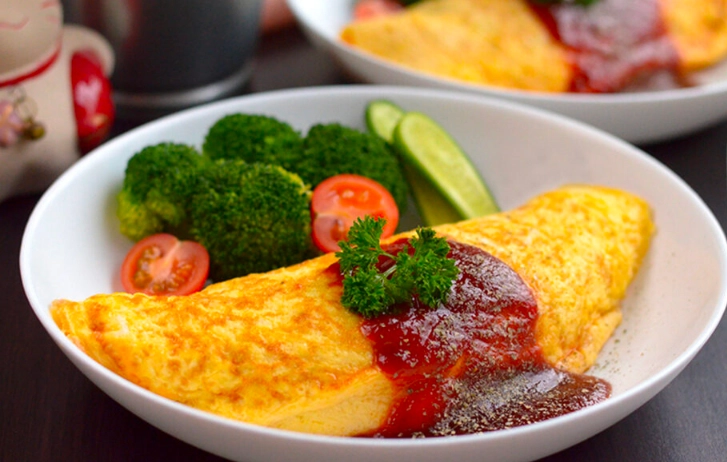
For an authoritative look at the principles of traditional washoku dining and its cultural significance, the Japanese Cuisine Official Website, supported by the Japanese Ministry of Agriculture, Forestry and Fisheries, is an invaluable resource.
Common Questions (And Some Straight Answers)
The Final Takeaway: Two Sides of the Same Delicious Coin
So, after all this, how does yoshoku differ from traditional Japanese food? It differs in its DNA. Yoshoku is the cuisine of adaptation, of looking outward and making something foreign feel like home. It's bold, comforting, and represents modern Japan's history on a plate. Washoku is the cuisine of refinement, of looking inward and perfecting a relationship with the local seasons and landscape. It's subtle, elegant, and represents Japan's deep historical traditions.
You don't have to choose one over the other. In fact, you shouldn't. To truly understand Japanese food culture, you need to experience both. Have a transcendent piece of otoro tuna nigiri for lunch, and then settle into a cozy booth for a crispy, juicy tonkatsu dinner. One will calm your spirit, the other will warm your soul. Both are unmistakably, wonderfully Japanese.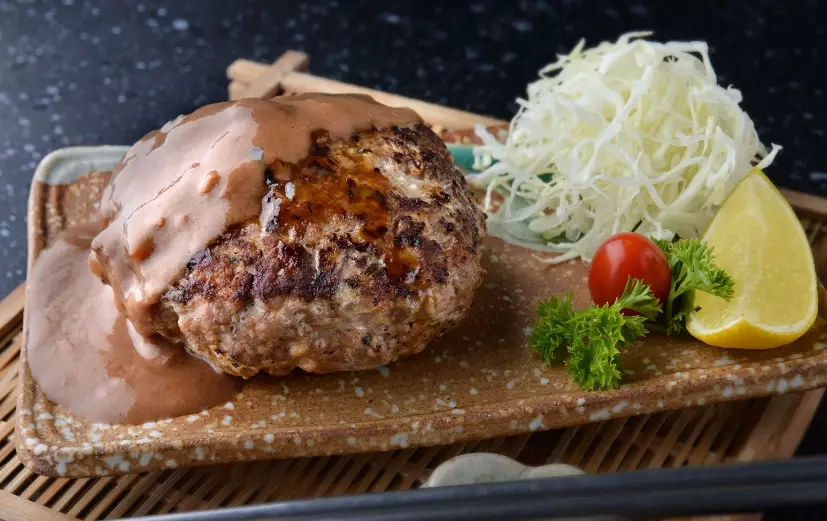
They're not rivals; they're culinary siblings, each telling a different, essential chapter of the story. And honestly, that's what makes exploring Japanese food so endlessly fascinating.
Reader Comments