Let's talk about Japanese fish recipes. Most guides throw a list of dishes at you—teriyaki, miso soup, sushi—and call it a day. But if you've ever tried to replicate that clean, deep flavor at home and ended up with something that tastes... off, you know there's more to it. The magic isn't just in the recipe; it's in understanding a few core principles that most home cooks miss.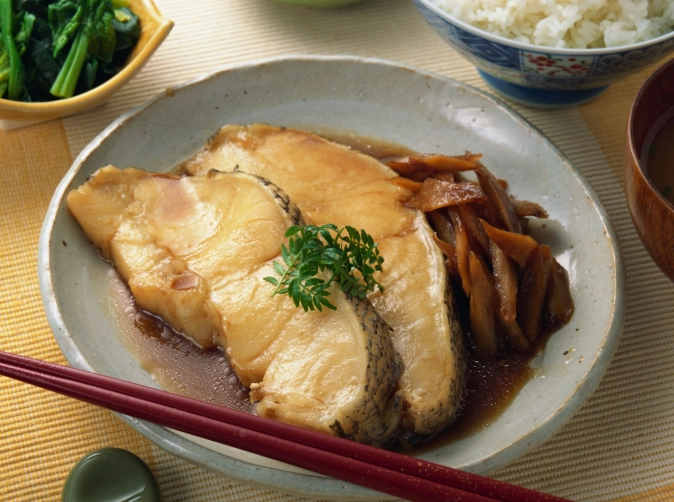
I remember my first attempt at teriyaki salmon. I followed a popular recipe, but the sauce was just sweet and sticky, missing that glossy, savory depth I loved in restaurants. The problem? I added all the sauce at once. A chef friend later told me the secret is in the layering. That changed everything.
This guide is for you if you want to move beyond just following steps. We'll dig into the why behind the techniques, the best fish to use (and why some are better than others), and how to build flavor like a pro, even on a Tuesday night.
What's Inside This Guide
The Simple Philosophy Behind Japanese Fish Cookery
It boils down to two ideas: Shun (旬) and Umami (旨味).
Shun means seasonality. The best flavor comes from fish at their peak. A mackerel in autumn is fattier and more flavorful than in spring. This isn't just tradition; it's practical. Fattier fish withstand stronger flavors like miso or bold grilling without drying out.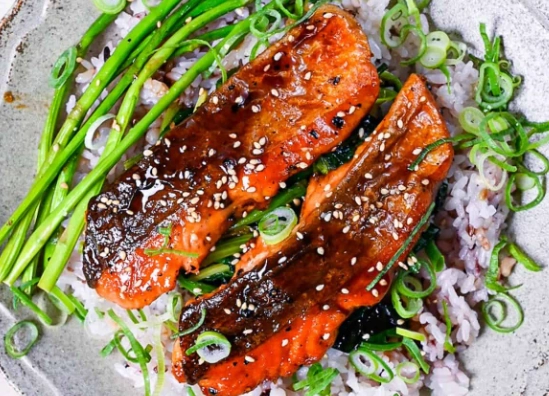
Umami is that savory "fifth taste." In Japanese fish dishes, it rarely comes from one ingredient. It's a layering effect. You start with dashi (a stock made from kelp and bonito flakes), add soy sauce for saltiness and depth, a touch of mirin for sweetness and sheen, and maybe some sake for aroma. Each element builds on the last.
The biggest mistake I see? Using a generic "Asian stir-fry sauce" instead of balancing these components separately. The flavors muddle.
Your Japanese Fish Pantry & Tool Kit
You don't need a specialty store haul. Focus on these essentials.
The Non-Negotiables
- Soy Sauce (Shoyu): Not all are equal. For fish, a koikuchi shoyu (dark soy) is your all-purpose workhorse. Its richer flavor stands up to cooking. Save the light usukuchi for delicate soups where you want color control.
- Mirin: This sweet rice wine is crucial for glazes. The real, fermented kind (hon mirin) has about 14% alcohol and a complex sweetness. Avoid "mirin-fu" or "aji-mirin" if the first ingredient is corn syrup—they'll make your sauce cloying and won't cook off properly.
- Sake: Cooking sake is fine. Its job is to remove fishy odors and add a subtle fragrance. Add it early in the cooking process so the alcohol evaporates.
- Dashi: The soul. You can make it from scratch with kombu (kelp) and katsuobushi (bonito flakes) in 20 minutes. Or, a good quality dashi powder (look for hon-dashi) is a perfectly respectable shortcut for weeknights. The difference it makes in a miso-based fish stew is night and day.
The Hardware
A fish spatula (those thin, slotted ones) is a game-changer for flipping delicate fillets without breaking them. If you grill fish often, a small wire rack that fits over your burner works for a makeshift yakitori-style grill. But honestly, a good non-stick or well-seasoned cast-iron skillet will handle 90% of these recipes.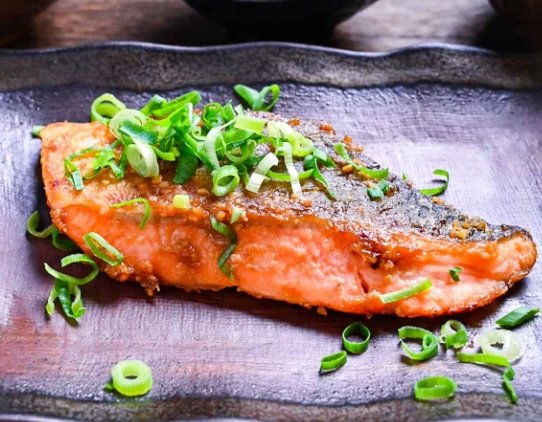
Three Foundational Recipes You Should Master
Master these, and you can improvise endlessly.
1. How to Make Perfect Teriyaki Salmon (The Right Way)
Forget the bottled glaze. Here's the restaurant method.
Ingredients (for 2 fillets):
| Ingredient | Quantity | Notes |
|---|---|---|
| Salmon fillets | 2 (6 oz each) | Skin-on, pin bones removed |
| Soy sauce | 3 tbsp | |
| Mirin | 3 tbsp | Real hon mirin if possible |
| Sake | 2 tbsp | |
| Sugar | 1.5 tbsp | Adjust to taste |
| Ginger | 1 tsp, grated | Fresh is key |
Method: Pat the salmon extremely dry. This is non-negotiable for crispy skin. Heat a pan with a tiny bit of oil over medium. Place salmon skin-side down. Cook for 90% of the time on the skin side until the flesh is mostly opaque. This keeps it juicy. Remove fish. Wipe the pan clean. This prevents the sauce from getting oily. Add soy, mirin, sake, sugar, and ginger. Simmer until slightly thickened—it should coat the back of a spoon. Return salmon, skin-side up, to the pan. Spoon the bubbling sauce over the flesh for just 30 seconds. The sauce layers onto the cooked fish, rather than boiling into it.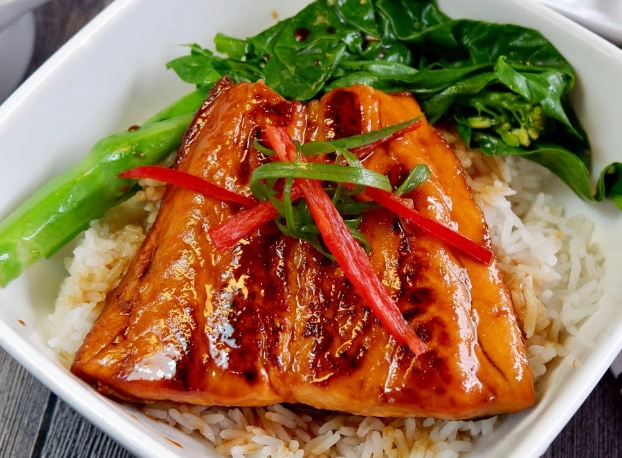
2. Salt-Grilled Mackerel (Saba Shioyaki)
The ultimate test of a fresh fish. If it smells "fishy," this method will not forgive you.
Score the mackerel skin lightly. Generously salt both sides and let it sit for 20-30 minutes. You'll see beads of moisture form. Pat it completely dry. Grill or broil on high heat, skin-side first, until the skin blisters and chars in spots. Serve with a wedge of lemon and grated daikon radish. The daikon isn't just garnish; its enzymes aid digestion of the oily fish.
3. Miso-Marinated Black Cod (Gindara Saikyo Yaki)
This requires planning but almost zero active cooking. The classic uses sweet white saikyo miso.
Mix 3 parts white miso, 1 part mirin, and 1 part sake (some add a bit of sugar). Coat thick black cod fillets in the paste. Marinate in the fridge for 1 to 3 days. Yes, days. The miso paste tenderizes the fish and penetrates it with sweetness. Before cooking, scrape off the excess miso (wipe, don't rinse). Broil or bake until just caramelized on top and flaky. The result is buttery, sweet, and complex.
A common error? Marinating for only a few hours. You won't get the same transformative effect.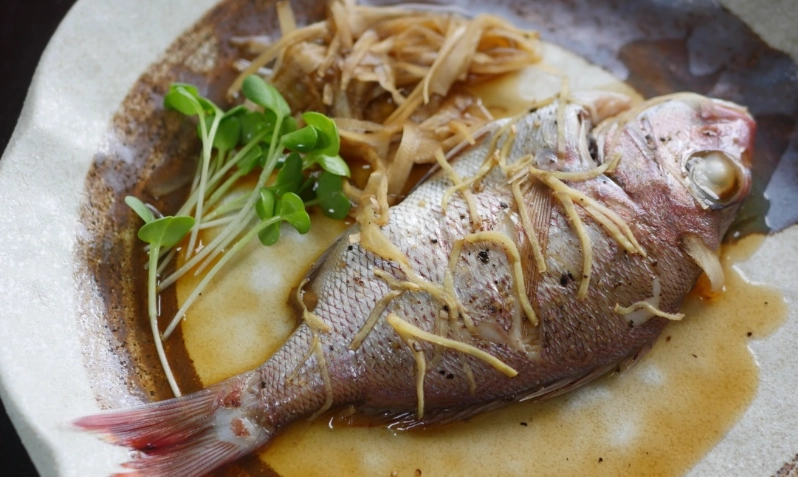
Modern Twists on Traditional Flavors
Once you have the basics, play around.
Yuzu Kosho Grilled Trout: Mix a teaspoon of green yuzu kosho (a citrus-chili paste) with a tablespoon of mayonnaise. Spread it thinly on trout fillets before baking. The mayo protects the fish from drying out, and the yuzu kosho adds a bright, spicy kick.
Donburi-Style Fish Bowl: Sear a tuna or salmon steak, slice it, and serve it over warm rice. Top with a drizzle of ponzu sauce (citrus soy), shredded nori, sliced scallions, and a soft-boiled egg. It's a complete, restaurant-worthy meal in 15 minutes.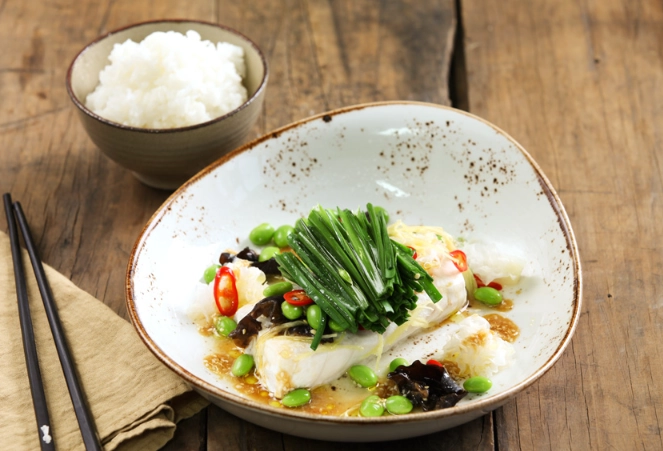
How to Select the Right Fish: A Practical Chart
Not all fish work for all methods. Here’s a quick guide based on fat content and texture.
| Fish Type | Fat Level | Best Cooking Methods | Flavor Pairings |
|---|---|---|---|
| Salmon, Mackerel, Sardines | High | Grilling (Yaki), Teriyaki, Miso Marinade | Strong soy, miso, ginger, citrus |
| Sea Bream (Tai), Snapper, Flounder | Low-Medium | Steaming, Light Broiling, Sashimi, Salt-Grilling | Delicate soy, salt, dashi, yuzu |
| Tuna (Maguro), Yellowtail (Hamachi) | Medium-High | Sashimi, Tataki (seared), Donburi | Soy, sesame, ponzu, avocado |
| Cod, Black Cod (Gindara), Halibut | Medium | Miso Marinade, Stewing (Nitsuke), Baking | Miso, sake, soy, mushrooms |
If you're new, start with salmon. It's forgiving, widely available, and takes to classic flavors beautifully.
Reader Comments