If you've spent any time in Fukuoka, you've felt the buzz around motsunabe. It's not just another hot pot. It's a social ritual, a culinary dare, and for many, a surprisingly addictive comfort food centered on a humble ingredient: offal. Specifically, beef or pork intestines. Before you scroll away, hear me out. Done right, motsunabe is a masterpiece of texture and flavor—rich, savory, slightly sweet, with a melt-in-your-mouth quality that changes minds. I was skeptical too, until a freezing night in Nakasu convinced me. This guide cuts through the mystery. We'll cover exactly what it is, how to make a killer version at home (yes, you can), and where to find the best bowls in Japan. Consider this your one-stop resource for all things motsunabe.
What's in This Motsunabe Guide?
What is Motsunabe? A Flavor Breakdown
Let's clear the air. Motsunabe (もつ鍋) is a Japanese nabemono (hot pot dish) that originated in Fukuoka, Kyushu, in the post-war era. The star is motsu, which refers to the guts or offal of cows or pigs—most commonly the small and large intestines. The magic lies in the preparation. The offal is meticulously cleaned (this is crucial), parboiled to remove any strong odors, and then simmered in a communal pot at your table.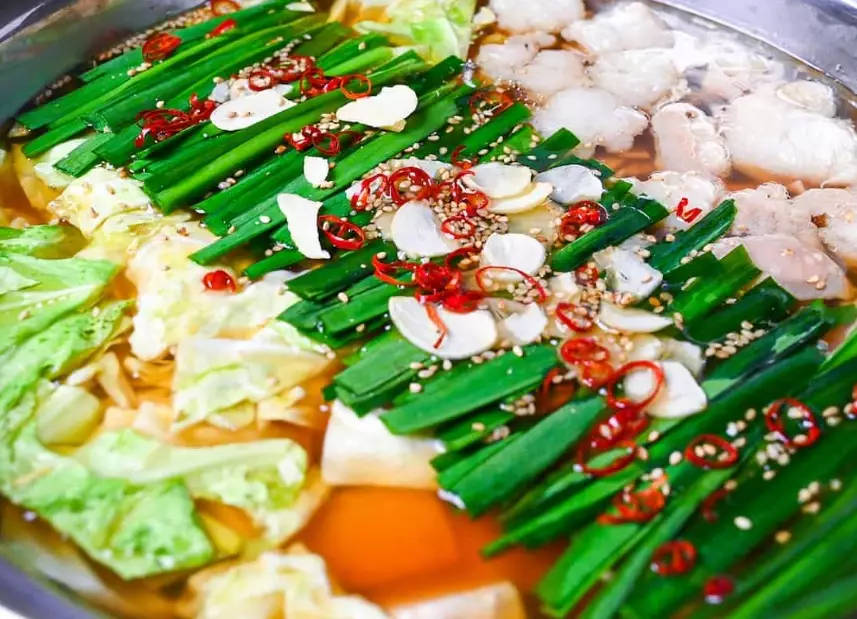
The broth is where regional and personal preferences shine. The two main camps are:
- Miso-based: The classic, especially in Fukuoka. It's a rich, deep, slightly sweet paste blended into a dashi stock. It coats the ingredients beautifully.
- Shoyu (Soy Sauce)-based: Lighter and saltier, often with a touch of garlic and chili. It lets the flavor of the motsu itself come forward more.
The pot isn't just offal. It's loaded with cabbage, garlic chives (nira), and often tofu and konnyaku noodles. The fat from the motsu renders into the broth, making it unbelievably rich and savory. At the end, you typically add cooked ramen noodles or rice to the remaining soup, creating a second, glorious meal. It's economical, hearty, and designed for sharing.
How to Make Motsunabe at Home: A Step-by-Step Recipe
Think you need a specialty shop? Not anymore. With the right approach, you can make a fantastic motsunabe in your kitchen. The biggest hurdle is the offal itself. In Japan, pre-cleaned and parboiled motsu is sold in packs at supermarkets. Outside Japan, your best bet is a Korean or Chinese market—look for “beef tripe” or “pork intestine” that's already been cleaned and pre-cooked (it's often white/light in color). If you can only find raw, you'll need to spend significant time cleaning and boiling it first.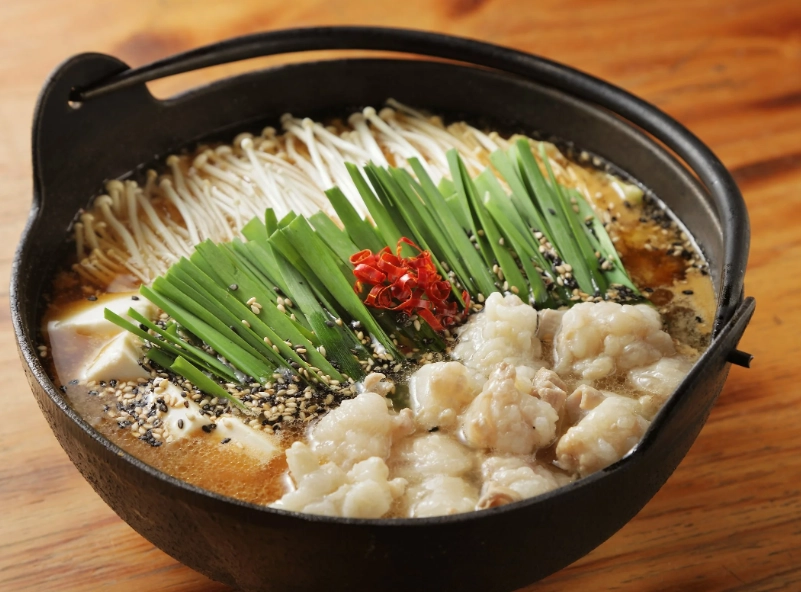
Here’s my go-to miso-based recipe, honed after a few bland and a couple of overly salty attempts.
Essential Ingredients (Serves 3-4)
- Protein: 400-500g pre-boiled beef or pork small intestine, cut into bite-sized pieces.
- Broth Base: 1000ml dashi (kombu & bonito is best). 3-4 tbsp aka (red) miso paste. 1-2 tbsp sweet sake (mirin). 1 tbsp sugar. 2 tbsp sake.
- Vegetables: 1/4 of a large cabbage, roughly chopped. 1 bunch garlic chives (nira), cut into 5cm lengths. 1-2 blocks of firm tofu, cubed. 1-2 carrots, sliced. Any mushrooms you like (shiitake, enoki).
- Finishing Touch: Cooked ramen noodles or a bowl of steamed rice.
The Cooking Process
Step 1: Bloom the Miso. Don't just plop it into cold dashi. In your pot, mix the miso paste with a few tablespoons of the dashi to form a smooth slurry. This prevents clumps.
Step 2: Build the Broth. Add the rest of the dashi, mirin, sugar, and sake to the pot. Bring it to a very gentle simmer over medium heat. Taste. The broth should be seasoned strongly at this stage, as the vegetables will release water later. It should be a tad saltier than you think is right.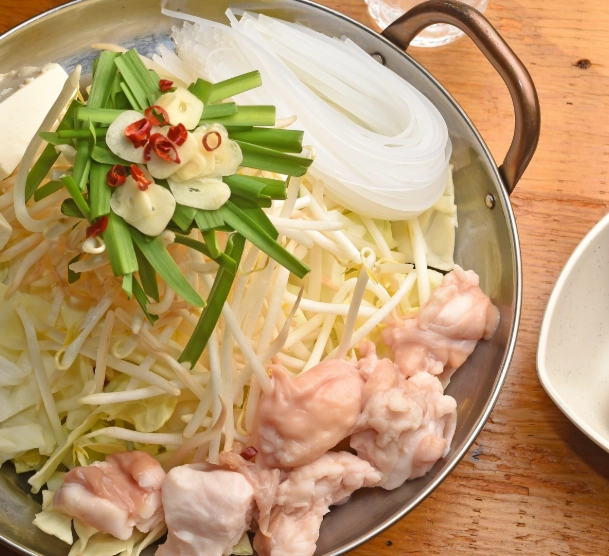
Step 3: Layer the Ingredients. This isn't a free-for-all. Start with the tougher veggies like cabbage stems and carrots at the bottom. Then add the motsu, tofu, and mushrooms. Pour the simmering broth over everything.
Step 4: Simmer to Perfection. Cover and let it simmer for 10-15 minutes until the cabbage wilts and the motsu is heated through. Big mistake alert: Don't let it boil vigorously. A hard boil can make the motsu rubbery and tough. A gentle simmer is key.
Step 5: Final Touch & Serve. Just before serving, scatter the garlic chives on top. They should just wilt in the residual heat. Ladle everything into bowls, making sure everyone gets plenty of broth.
Step 6: The “Shime” (Finishing). After all the solid ingredients are gone, bring the remaining, now incredibly flavorful broth to a boil. Add cooked ramen noodles and let them soak up the soup for a minute. This is non-negotiable and often the best part.
Where to Eat: Top Motsunabe Restaurants in Fukuoka & Beyond
To eat motsunabe in Japan is to participate in local life. Here are specific spots, from the legendary to the reliably excellent. I'm including details so you can actually go.
| Restaurant Name | Location & Access | Specialty & Vibe | Price Point & Hours |
|---|---|---|---|
| Motsunabe Yamaya (もつ鍋 やまや) | Multiple locations. The main Tenjin store is at: 1-12-19 Tenjin, Chuo-ku, Fukuoka. 2-min walk from Tenjin Station. | The chain that arguably popularized it nationally. Consistent, clean, focused on the classic miso flavor. Great for first-timers. Expect a wait during peak hours. | ¥3,000 - ¥4,000 per person. Open 5:00 PM - 11:00 PM (Last order 10:30 PM). Closed some Sundays. |
| Motsunabe Hakata Issou (もつ鍋 博多一雙) | 3-6-9 Tenjin, Chuo-ku, Fukuoka. Also in the Tenjin core area. | A fierce local competitor to Yamaya. Their broth is slightly richer, with a more pronounced garlic and sesame oil punch. Preferred by many locals for its bolder taste. | ¥3,500 - ¥4,500 per person. Open 4:00 PM - 1:00 AM (Weekdays), 3:00 PM - 1:00 AM (Weekends). |
| Shin Shin (しんしん) | 1-20-11 Hakataekihigashi, Hakata-ku, Fukuoka. Near Hakata Station's east exit. | Not exclusively motsunabe, but their version is stellar. They use a secret blend of miso and offer a more upscale, relaxed setting compared to the bustling dedicated shops. | ¥4,000 - ¥5,500 per person. Open 11:30 AM - 2:00 PM, 5:00 PM - 10:00 PM. Reservations recommended. |
| Motsunabe Miyoshi (もつ鍋 みよし) | In Tokyo: 2-14-6 Dogenzaka, Shibuya-ku. A 5-min walk from Shibuya Station. | Proof that great motsunabe exists outside Fukuoka. A tiny, always-packed spot in Tokyo. Their shoyu-based broth with lots of chili is legendary and addictive. | ¥3,500 - ¥4,500 per person. Open 5:00 PM - 11:00 PM. Cash only. Be prepared to queue. |
A general tip: In Fukuoka, the areas around Tenjin and Nakasu are packed with motsunabe joints. Wander and look for places filled with locals—it's usually a good sign. Most set courses are designed for two or more people.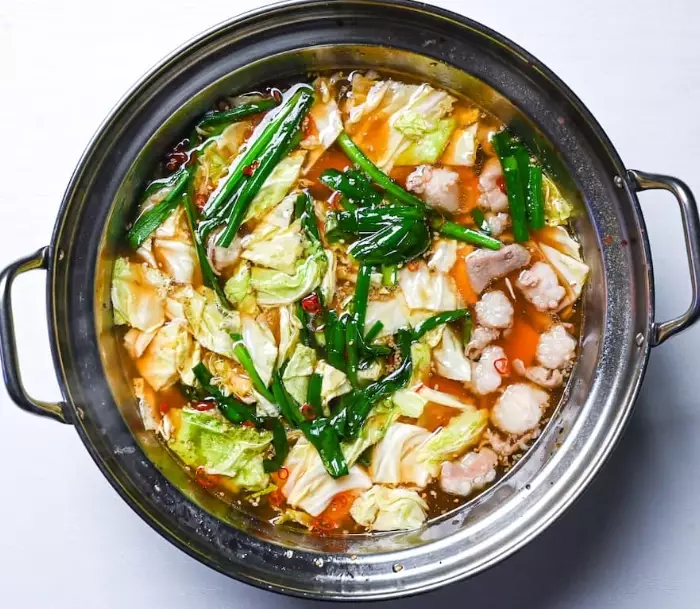
Motsunabe Eating Etiquette and Pro Tips
You've got the pot in front of you. Now what? A few pointers can elevate the experience.
Ordering: You'll usually order a “course” per person. This includes the pot with motsu, vegetables, and the final noodles or rice. Drinks are separate.
The Cooking: The staff will often start the pot for you. Once it's simmering and the lid is off, it's a communal free-for-all. Use the ladle and serving spoons provided. Don't fish around with your own chopsticks in the shared pot.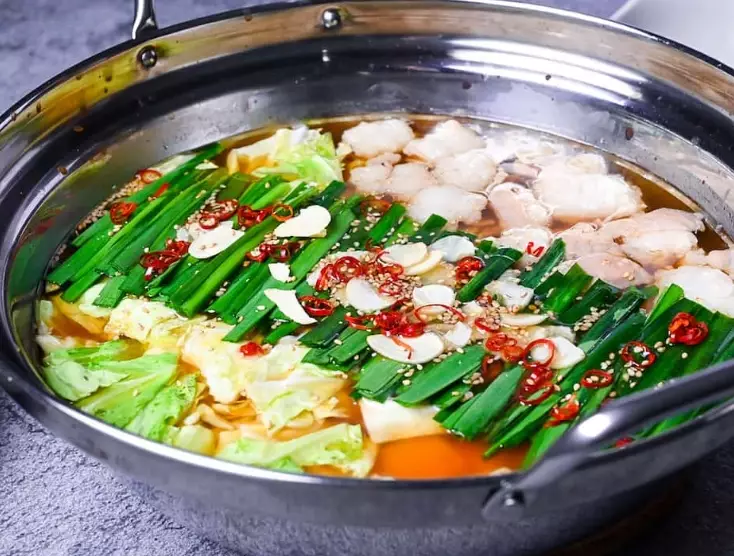
The Eat: Take a bit of everything into your personal bowl. The key is to get a piece of motsu, some vegetable, and a spoonful of broth in each bite. The contrast is everything.
The Shime (締め): This is the closing act. You must save room. Tell the staff you want “ramen” or “zōsui” (rice porridge) when you're almost done with the solid ingredients. They'll prepare it in the remaining, flavor-concentrated soup. It's a carb-loaded triumph.
My Personal Gripe: Some trendy places now offer “cheese motsunabe” or “tomato motsunabe.” I've tried them. They're fun novelties, but they completely overpower the delicate, savory depth of traditional motsu. Stick to the classics first.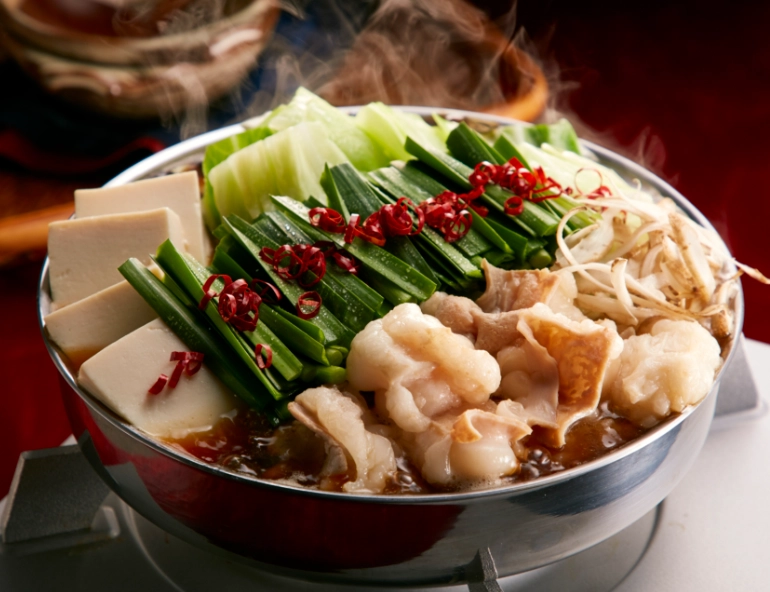
Reader Comments