快速导览
- First Things First: What Exactly is Buri Fish?
- The Nutritional Powerhouse: What's Inside Buri?
- Top Health Benefits: Why You Might Want to Eat Buri
- The Other Side of the Coin: Health Concerns and Risks
- How to Buy and Cook Buri for Maximum Health
- Your Buri Fish Questions, Answered
- The Final Verdict: Is Buri Fish Healthy?
So you're staring at a menu or the fish counter, you see "buri" or "yellowtail," and that question pops into your head: is buri fish healthy? It's a good question, and honestly, it's not as straightforward as a simple yes or no. I remember the first time I tried it at a sushi bar – it was buttery, rich, and incredibly tasty, but I immediately wondered what I was actually putting into my body. Was this a health food or a guilty pleasure?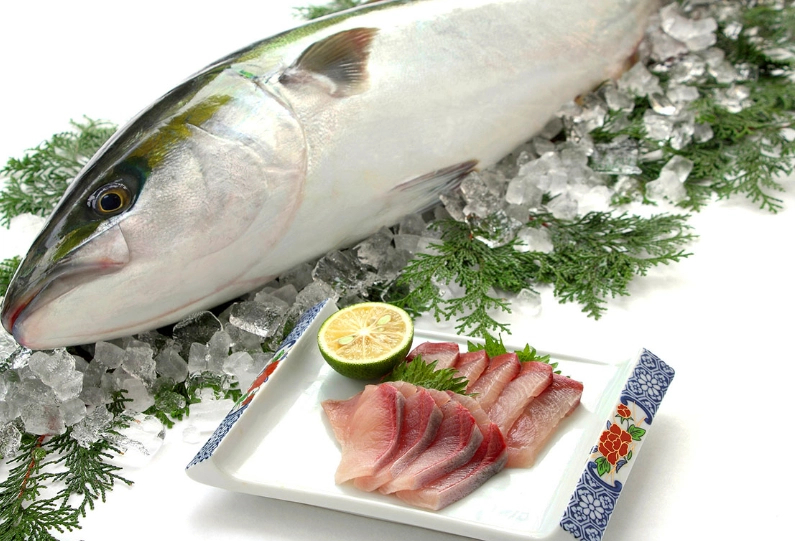
Let's cut through the noise. The short answer is yes, buri fish is generally very healthy, packing a serious nutritional punch. But like with most foods, the devil is in the details. How it's raised, how it's prepared, how much you eat, and even the time of year you eat it can turn a health superstar into a less-than-ideal choice. This isn't about scare tactics; it's about giving you the full picture so you can make informed decisions. We're going to dive deep into the nutrients, the proven benefits, the real concerns (like mercury – everyone's favorite dinner party topic), and how to make buri a smart part of your diet.
First Things First: What Exactly is Buri Fish?
Before we get to the "is buri fish healthy" part, let's clear up the name game. It's confusing! "Buri" is the Japanese name for the adult Japanese amberjack or yellowtail, scientifically known as Seriola quinqueradiata. Here's where it gets tricky:
- In Japan: The fish changes names as it grows. Young fish are called "hamachi" (which is what you often see on sushi menus), and fully mature adults are "buri." The flavor and fat content differ.
- In the US/Elsewhere: "Yellowtail" often refers to hamachi (the younger farmed version) served as sushi. Sometimes "amberjack" is used interchangeably, though other Seriola species exist.
- Wild vs. Farmed: This is a huge factor for health and sustainability. Wild buri are migratory and seasonal. Most hamachi/buri you encounter in restaurants outside Japan is farmed, which affects its fat composition and environmental impact.
I made the mistake once of ordering "yellowtail" thinking it was one thing, only to find out the preparation was completely different. Knowing what you're actually asking for is step one. For the rest of this article, when I say "buri," I'm generally talking about the fish species as a whole, and I'll specify wild or farmed when it matters.
The Nutritional Powerhouse: What's Inside Buri?
This is the core of answering "is buri fish healthy?". Let's break down what a typical serving (about 100 grams or 3.5 ounces of cooked, farmed buri/hamachi) brings to the table. I've pulled this data from reputable sources like the USDA FoodData Central, which is the gold standard for food composition.
| Nutrient | Amount (per 100g cooked) | % Daily Value (DV)* | Why It Matters |
|---|---|---|---|
| Calories | ~230 kcal | 12% | Moderately calorie-dense due to healthy fats. |
| Protein | ~23 grams | 46% | Excellent source of complete protein for muscle repair & satiety. |
| Total Fat | ~15 grams | 19% | Mostly the good, unsaturated kind. |
| Omega-3 Fatty Acids (EPA & DHA) | ~1,000 - 1,500 mg | ** | The superstar benefit. Fights inflammation, supports brain/heart health. |
| Selenium | ~50 mcg | 91% | Powerful antioxidant, crucial for thyroid function. |
| Vitamin B12 | ~4 mcg | 167% | Essential for nerves, blood cells, and DNA synthesis. |
| Niacin (Vitamin B3) | ~10 mg | 63% | Supports energy metabolism and skin health. |
| Phosphorus | ~250 mg | 20% | Vital for bones, teeth, and cell membranes. |
*Daily Values based on a 2,000 calorie diet. **No official DV, but health organizations recommend 250-500mg combined EPA/DHA daily.
Look at that B12 and Selenium! One serving blows your daily needs out of the water. The protein content is solid and high-quality. But the real reason nutritionists get excited about fatty fish like buri is that omega-3 number. Getting over 1000mg in a single serving is a big deal. Compare that to a lean fish like tilapia, which might have less than 200mg. It's a different league.
Wild vs. Farmed: A Nutritional Showdown
This is critical. The "is buri fish healthy" question has two different answers here.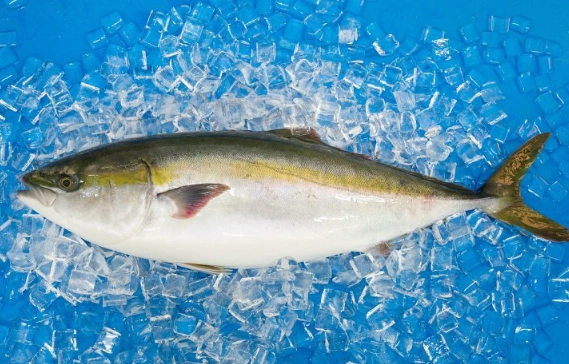
Wild Buri: Tends to be leaner. Its omega-3 content comes from a natural diet of smaller fish and crustaceans. The fat profile is often considered "cleaner," and the flavor is more robust, sometimes described as "fishier" (which I personally prefer for grilled dishes). It's seasonal, usually at its best (and fattiest) in winter.
Farmed Buri/Hamachi: This is what most people eat. Farming allows for a consistent, year-round product. The diet is controlled (often including fishmeal and oil), which can lead to a higher overall fat content, including omega-3s, but the ratio of omega-3 to omega-6 fats can be less optimal depending on the feed. The texture is consistently buttery and mild, which is why it's a sushi favorite. Some studies, like those referenced by the Food and Agriculture Organization (FAO), note that advances in aquaculture feed are improving these profiles.
My take? Farmed isn't "bad." It provides incredible access to a nutrient-dense food. But if you have the choice and budget for wild, in-season buri, it's a fantastic option with a different ecological and nutritional story.
Top Health Benefits: Why You Might Want to Eat Buri
Okay, so it's packed with nutrients. What does that actually do for you? Let's connect the dots. This is where the "is buri fish healthy" conversation gets concrete.
Heart Health Champion
This is the most well-researched benefit. Those omega-3s (EPA and DHA) are like a tune-up for your cardiovascular system. They help by:
- Lowering triglycerides: High levels are a risk factor for heart disease.
- Reducing inflammation: Chronic inflammation is a key player in atherosclerosis (hardening of the arteries).
- Improving blood vessel function: They can help keep arteries flexible.
- Potentially lowering blood pressure: A slight, but beneficial effect.
Organizations like the American Heart Association recommend eating fatty fish like buri at least twice a week for these reasons. It's not a magic pill, but it's a powerful dietary habit.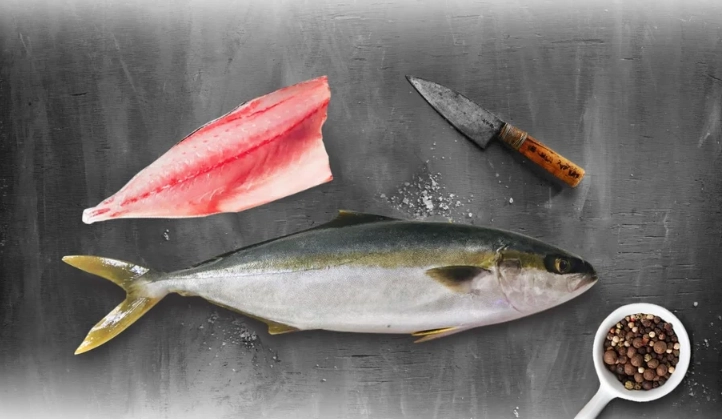
Brain Food for Real
Your brain is about 60% fat, and a huge portion of that is DHA. Eating DHA-rich fish supports brain structure and function. Research links regular consumption to:
- Better cognitive function as we age.
- Possible reduced risk of cognitive decline and Alzheimer's disease.
- Improved mood regulation. Some studies suggest omega-3s may play a role in managing depression.
It's not going to make you a genius overnight, but think of it as essential maintenance for your most complex organ.
Muscle Maintenance and Metabolism
That 23 grams of protein per serving is no joke. Protein is the building block for muscle repair, especially important if you're active, aging, or trying to manage your weight. Protein is also the most satiating macronutrient – it keeps you feeling full longer, which can help with weight management. The B-vitamins (especially B12 and Niacin) are crucial co-factors in your body's energy production pathways. They help convert the food you eat into usable fuel.
Strong Antioxidant Support
Selenium is an unsung hero. Getting almost 100% of your DV from one food is remarkable. Selenium works as part of antioxidant enzymes that protect your cells from damage caused by free radicals. It's also non-negotiable for a healthy thyroid gland, which controls your metabolism.
The Other Side of the Coin: Health Concerns and Risks
We can't honestly ask "is buri fish healthy?" without looking at the potential downsides. Ignoring this is irresponsible. The main concerns are mercury and sustainability.
Mercury and PCBs: The Contaminant Question
This is the #1 worry for most people. Mercury is a heavy metal that accumulates in fish, especially larger, longer-lived predatory fish. Buri/amberjack is considered a moderate-mercury fish.
Where does it rank? The U.S. Food and Drug Administration (FDA) provides guidelines. They don't list "buri" specifically, but amberjack/yellowtail falls into their "Good Choices" category (eat 1 serving a week). This places it below high-mercury fish like swordfish and bigeye tuna, but above low-mercury options like salmon and tilapia.
Why is farmed sometimes different? Farmed fish's mercury level depends heavily on their feed. If their feed is made from small, low-mercury fish, the buri's contamination can be lower. It's a question to ask your supplier.
My personal rule? I love buri, but I don't eat it every day. I rotate it with smaller, low-mercury fish like sardines, mackerel (not king), and salmon. Variety is your best defense against any single contaminant.
Sustainability and Environmental Impact
Health isn't just personal; it's planetary. Is your buri choice healthy for the ocean?
- Wild Buri: Some stocks are well-managed, but others are subject to overfishing. The Japanese fishery is generally considered to have improved management.
- Farmed Buri/Hamachi: Aquaculture has its own issues: potential pollution from waste, use of wild fish for feed, and disease transfer. However, modern closed-containment systems are improving this dramatically.
To make a sustainable choice, I check resources like the Monterey Bay Aquarium Seafood Watch. They provide regional recommendations. As of my last check, some farmed Japanese yellowtail gets a "Good Alternative" rating, while wild-caught varies. It's worth a quick lookup.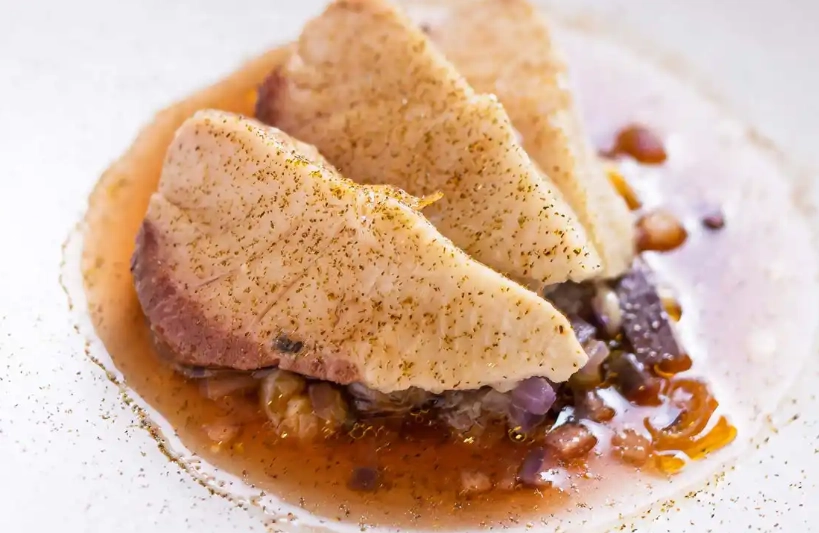
How to Buy and Cook Buri for Maximum Health
Knowing buri is healthy is one thing. Getting it from the store to your plate in a healthy way is another. This is the practical guide.
Buying the Best: A Checklist
- Freshness is King: Look for clear, bright eyes (if whole), firm flesh that springs back when pressed, and a clean, sea-breeze smell. No ammonia odor!
- Color: The flesh should be a translucent pinkish-beige, not brown or yellowed at the edges.
- Source Questions: Don't be shy. Ask: "Is this wild or farmed?" "Where is it from?" A good fishmonger will know.
- Frozen is Fine: High-quality frozen buri is often flash-frozen at sea, locking in freshness. It can be better than "fresh" that's been sitting for days.
Cooking Methods Matter
You can turn a healthy fish into a less-healthy meal real quick. Here's my ranking of methods, from best to worst for health:
- Sashimi/Sushi (with quality, sushi-grade fish): Raw preserves all heat-sensitive nutrients. Just be 1000% sure of your source for parasites and bacteria.
- Steaming or Poaching: Gentle, uses no added fat, preserves moisture and nutrients beautifully.
- Baking or Roasting: A great all-rounder. Use a little olive oil, herbs, and lemon.
- Grilling or Broiling: Adds great flavor. Be careful not to char it heavily, as that can create potentially harmful compounds.
- Pan-Searing: Quick and delicious. Use a high-smoke-point oil like avocado oil.
- Deep-Frying (as in tempura): Obviously, this adds a ton of calories and unhealthy fats. A delicious treat, but not how you answer "is buri fish healthy" on a regular day.
I ruined a beautiful piece once by overcooking it. Buri goes from moist to dry quickly because of its fat content. Cook it just until it flakes easily with a fork. Trust me.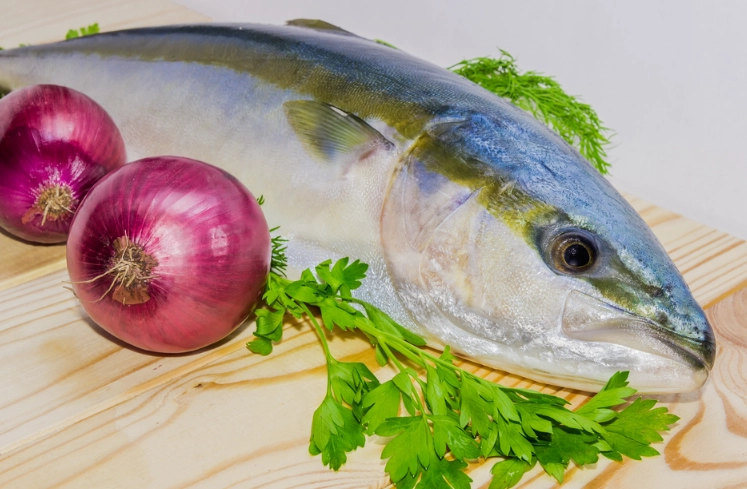
Your Buri Fish Questions, Answered
The Final Verdict: Is Buri Fish Healthy?
So, after all that, where do we land? Is buri fish healthy?
The resounding answer is yes, for most people, when consumed mindfully. It's a nutritional powerhouse that delivers essential nutrients hard to find in such concentrations elsewhere. The benefits for your heart, brain, and overall cellular function are backed by solid science.
But.
The mindful part is non-negotiable. You have to respect the mercury content. You should think about where it came from. You need to cook it in ways that don't drown its benefits in batter or sugary sauces.
My final advice? Don't be afraid of buri. Embrace it as a delicious, special part of a balanced diet. Enjoy it as pristine sashimi, savor it simply grilled with salt, or bake it with herbs. Just don't make it your only fish. Pair it with anchovies, salmon, mussels, and trout. That variety is the true secret to seafood health – and it keeps things interesting.
Next time you see it on the menu, you can order with confidence, knowing exactly what you're getting into. And that's the healthiest choice of all – an informed one.
Reader Comments