I still remember my first real tantan ramen in a tiny Shinjuku alley. The steam hit my face, the aroma of sesame and chili oil was intoxicating, and that first slurp—creamy, spicy, deeply savory—was a revelation. But since then, I've had bowls that were just oily messes or bland imitations. Tantan ramen, a Japanese take on Sichuan dan dan noodles, is everywhere now, but finding the good stuff or making it right at home isn't always easy. This guide cuts through the hype. We'll cover where to go, how to make it, and the subtle mistakes even enthusiasts make.
Jump to What Matters Most
What is Tantan Ramen and Why It's Not Just Spicy Noodles
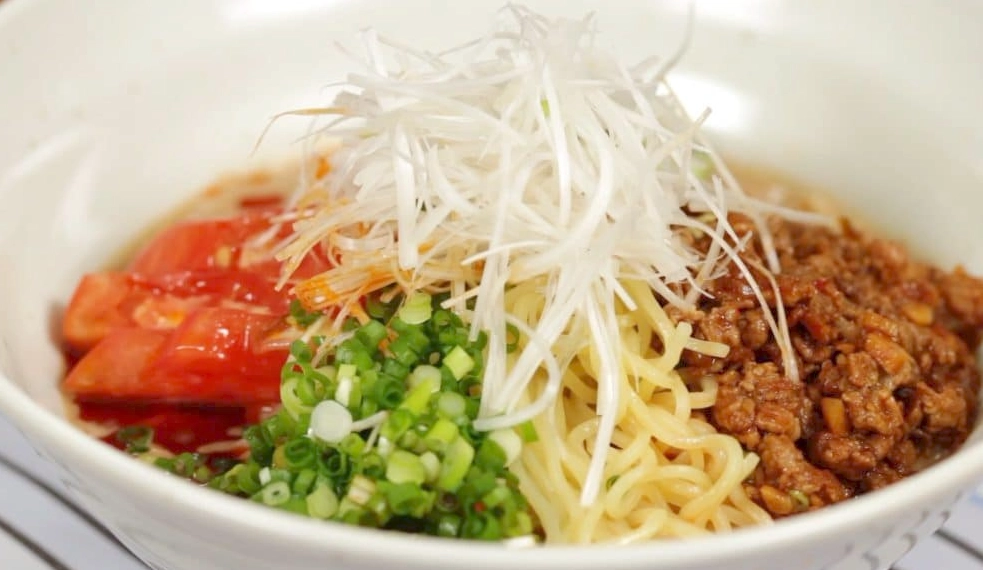
Tantan ramen (坦々麺) is a Japanese ramen style that adapts the Chinese dan dan mian. It emerged in the 20th century, blending Sichuan peppercorn heat with Japanese ramen techniques. The base is a rich, nutty broth made from sesame paste or ground sesame, soy sauce, chili oil, and often a meat broth like chicken or pork. It's typically served with minced pork, green onions, and sometimes bok choy. The magic is in the balance—creamy from sesame, spicy from chili, savory from soy and meat, with a hint of numbness if Sichuan pepper is used. Many places screw this up by making it too oily or one-note spicy.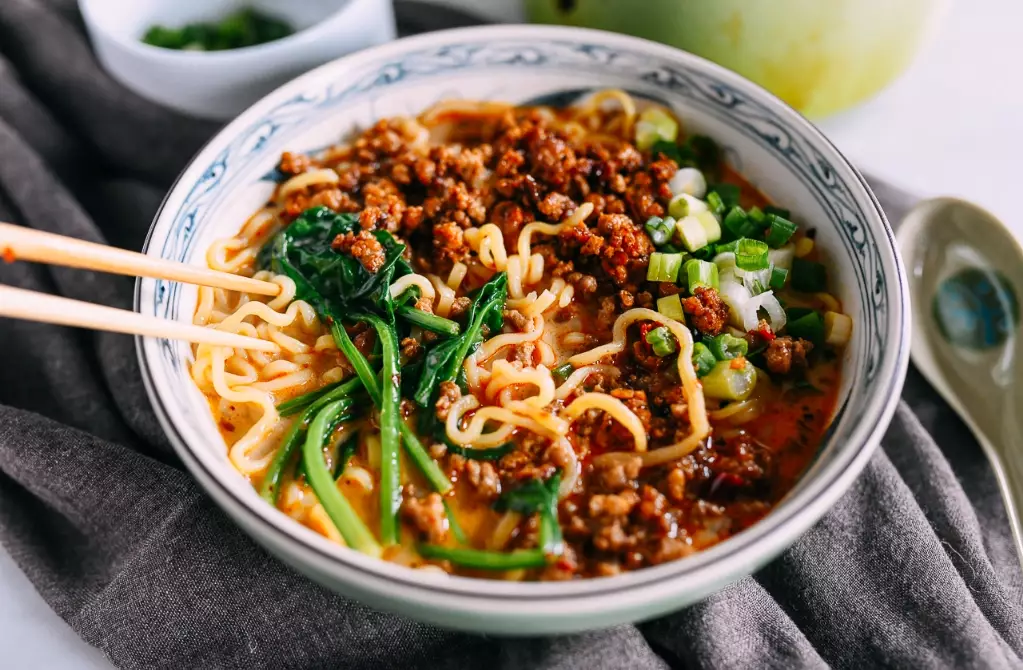
Top 5 Tantan Ramen Restaurants in Tokyo: Addresses, Prices, and Tips
If you're in Tokyo, these spots are worth the hunt. I've based this on personal visits, local buzz, and consistency. Prices are per bowl, and remember, many ramen shops are cash-only.
td>¥950 - ¥1,200| Restaurant Name | Address & Nearest Station | Specialty / What to Order | Price Range (Bowl) | Hours & Notes |
|---|---|---|---|---|
| Menya Musashi | Multiple locations; main in Shinjuku, 1-2-3 Shinjuku, Tokyo (Shinjuku Station) | Classic Tantan Ramen with thick noodles. Their broth has a deep chicken base. | 11 AM - 10 PM daily. Often a queue; go off-peak like 3 PM. | |
| Ramen Nagi | Golden Gai, Shinjuku, Tokyo (Shinjuku Station) | Spicy Tantan with customizable spice levels. Their "God Fire" version is for chili heads. | ¥1,000 - ¥1,300 | 24 hours on weekends, weekdays 11 AM - 5 AM. Loud, energetic vibe. |
| Kikanbo | 1-1-1 Kanda, Chiyoda, Tokyo (Akihabara Station) | Famous for "devil" level spice. Uses ground sesame and Sichuan pepper generously. | ¥1,100 - ¥1,400 | 11 AM - 10 PM. Not for the faint-hearted; their mild is still spicy. |
| Hayashida | 2-4-1 Nihonbashi, Chuo, Tokyo (Nihonbashi Station) | Refined tantan ramen with a clear, complex broth. Less oily, more nuanced. | ¥1,200 - ¥1,500 | 11:30 AM - 3 PM, 5 PM - 9 PM. Closed Sundays. Higher-end, quieter. |
| Afuri | Multiple locations; popular in Ebisu, 1-1-7 Ebisu, Tokyo (Ebisu Station) | Yuzu-infused tantan ramen—a citrus twist. Lighter but flavorful. | ¥1,000 - ¥1,300 | 11 AM - 5 AM. Good for late nights; can be crowded. |
Kikanbo is my go-to for a punch, but Hayashida wins for balance. At Menya Musashi, ask for extra noodles (kaedama) if you're hungry—it's usually free or cheap. Many of these places have vending machine ordering; don't panic, just insert cash, press the button for your ramen, and hand the ticket to the staff.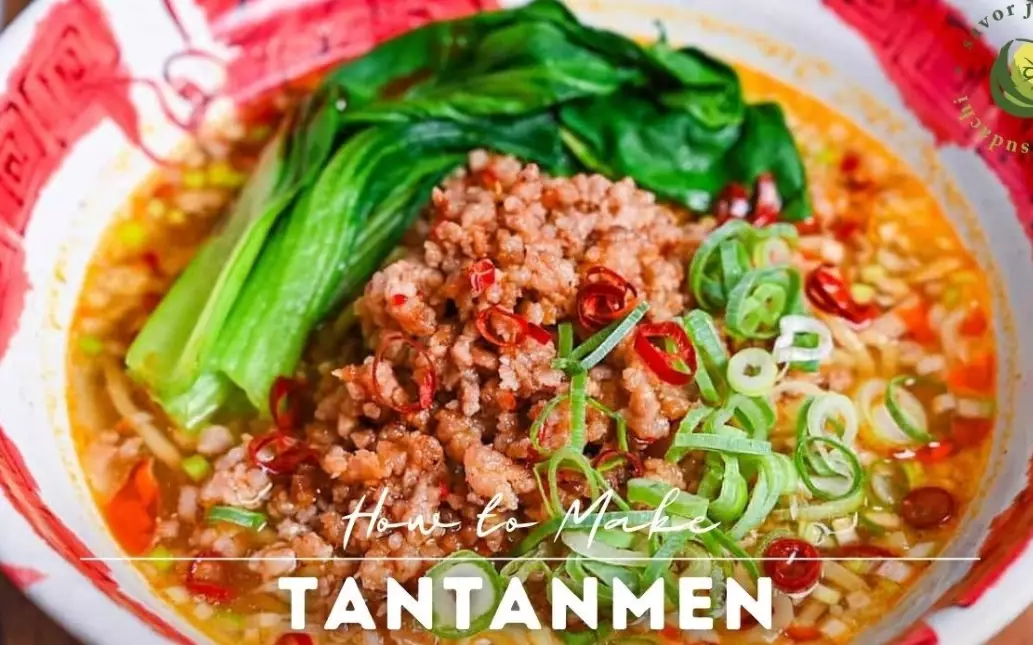
How to Make Authentic Tantan Ramen at Home: A Step-by-Step Recipe
Restaurant bowls are great, but homemade lets you control the spice and richness. This recipe serves two, and I've tweaked it over years to avoid common pitfalls.
Ingredients You'll Need
- For the broth: 4 cups chicken broth (homemade or low-sodium), 2 tbsp soy sauce, 1 tbsp mirin, 1 tsp sugar.
- For the tare (seasoning base): 3 tbsp tahini or Chinese sesame paste, 2 tbsp chili oil (adjust to taste), 1 tbsp minced garlic, 1 tbsp grated ginger, 1 tbsp doubanjiang (spicy bean paste), 1 tsp Sichuan peppercorns (toasted and ground).
- For the toppings: 200g ground pork, 2 servings fresh ramen noodles, 2 soft-boiled eggs, chopped green onions, bok choy.
The Cooking Process
First, make the tare. In a bowl, mix tahini, chili oil, garlic, ginger, doubanjiang, and ground Sichuan pepper. It'll look thick and pasty—that's fine. Heat a pan, cook the ground pork until browned, then add a splash of soy sauce. Set aside. Bring the chicken broth to a simmer with soy sauce, mirin, and sugar. Cook noodles according to package directions, usually 2-3 minutes for fresh ones. Blanch bok choy in the noodle water for a minute.
Now, assemble. Divide the tare between two bowls. Ladle the hot broth into each bowl and whisk—this emulsifies the sesame into the broth, creating that creamy texture. Add noodles, then top with pork, halved soft-boiled egg, bok choy, and green onions. Drizzle extra chili oil if you like it hot.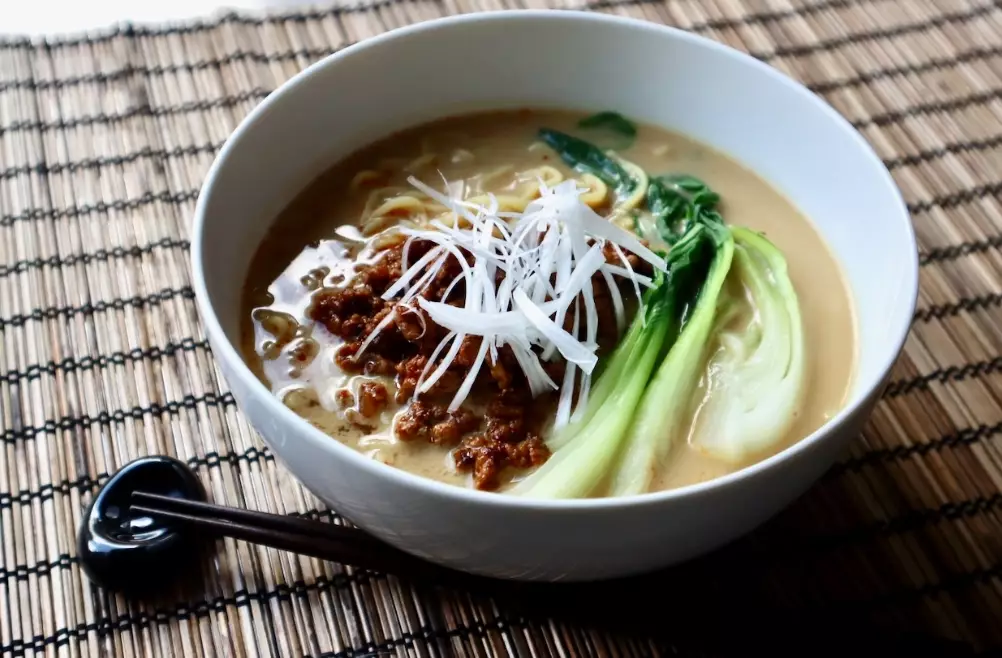
Common Mistakes When Ordering or Making Tantan Ramen: Expert Insights
After eating dozens of bowls and teaching workshops, I see the same errors. Here's what to avoid.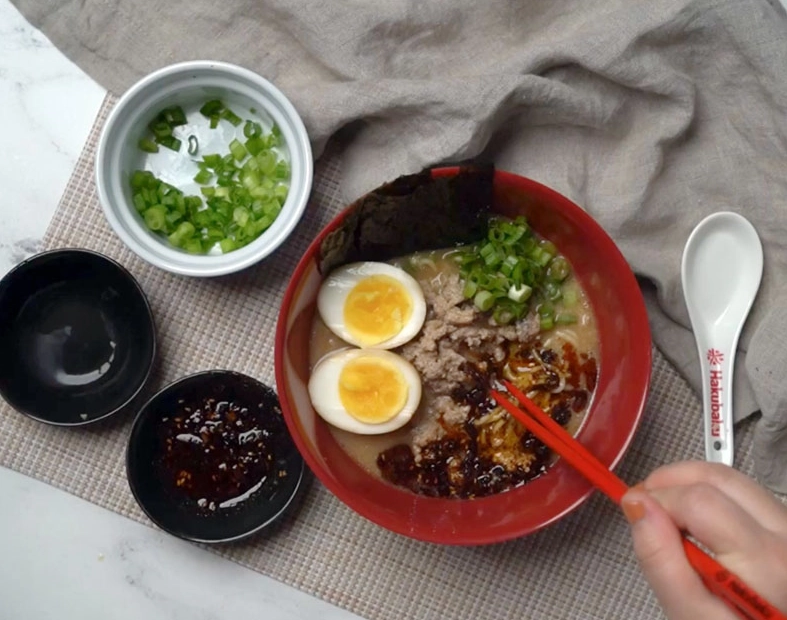
Mistake 1: Assuming all tantan ramen is ultra-spicy. Many places offer spice levels. If you're sensitive, start with mild. At Kikanbo, even their "medium" can be overwhelming. I once made the error of going for max spice and couldn't taste the sesame for days.
Mistake 2: Using poor-quality sesame paste. In homemade versions, the sesame paste is key. Cheap brands can be bitter or oily. Go for Chinese sesame paste or a high-quality tahini. Japanese brand Shibamasa is reliable if available.
Mistake 3: Overcooking the noodles. Ramen noodles should be al dente—springy, not mushy. In restaurants, they cook them fast, but at home, set a timer. Fresh noodles cook in 2-3 minutes; dried ones might take 4-5. Taste as you go.
Mistake 4: Not adjusting the broth temperature. When you add hot broth to the tare, it must be simmering hot. If it's not hot enough, the sesame won't blend smoothly, leaving a greasy layer on top. I learned this the hard way during a dinner party—the broth separated, and it looked unappetizing.
Mistake 5: Ignoring the toppings balance. Some places overload with pork or veggies, drowning the broth. Aim for harmony: a bit of meat, a crisp vegetable, a creamy egg. At home, don't skimp on the green onions—they add freshness that cuts the richness.
FAQ: Your Tantan Ramen Questions Answered
 Tantan ramen is more than a trend—it's a comfort food with depth. Whether you're slurping in a Tokyo alley or experimenting in your kitchen, focus on that sesame-spice balance. Skip the overly hyped spots sometimes; a humble local joint might surprise you. And at home, don't be afraid to tweak the recipe. After all, the best bowl is the one that makes you smile.
Reader Comments