Let's cut through the noise. You've probably heard of tonkotsu (rich pork bone) and miso ramen, but shio broth? It's the quiet, elegant cousin that often gets overlooked. And that's a mistake. Shio ("salt" in Japanese) is arguably the oldest and purest form of ramen soup. It's not just salty water—it's a delicate, clear, umami-packed foundation that highlights the quality of every single ingredient you put in it. Get it right, and you have a masterpiece. Get it wrong, and it's... well, salty water.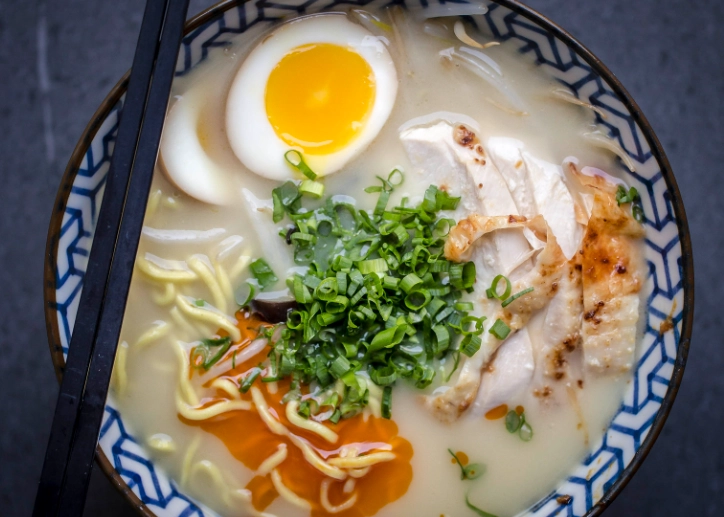
What You'll Find in This Guide
- What is Shio Broth? A Definition and Brief History
- The Core Ingredients Breakdown: It's Not Just Salt
- How to Make Shio Broth at Home: A Step-by-Step Method
- 3 Common Mistakes That Ruin Your Shio Broth (And How to Fix Them)
- Where to Find the Best Shio Broth: A Shortlist of Must-Visit Spots
- Your Shio Broth Questions, Answered
What is Shio Broth? A Definition and Brief History
Think of shio broth as the chicken noodle soup of Japan, but with a serious umami upgrade. Its origins trace back to Chinese noodle soups introduced to Japan, evolving into a distinctly Japanese style focused on clarity and refined taste. Unlike its creamy or opaque counterparts, a classic shio broth is clear and golden. The flavor profile is clean, direct, and deeply savory, with salt (shio) acting as the primary seasoning agent that unlocks and harmonizes the other flavors.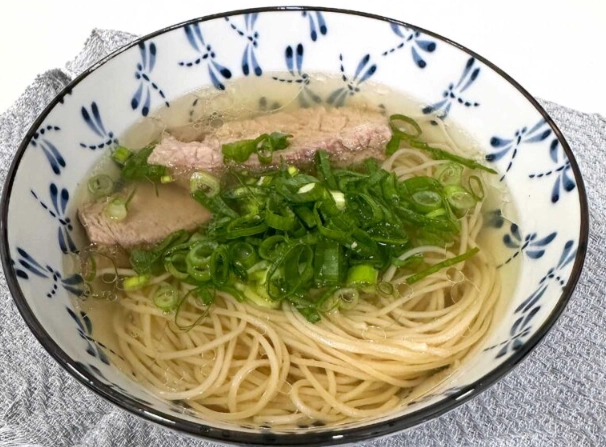
This clarity is its signature and its challenge. There's nowhere for mediocre ingredients to hide. Every scratch in the kombu, every piece of chicken bone, and the specific type of salt you use will be front and center in the final bowl. According to resources like Ivan Orkin's book on ramen, this simplicity is what makes shio the ultimate test of a chef's skill.
Key Takeaway: Shio broth isn't defined by being "salty." It's defined by clarity and balance. The salt is a conductor, not the soloist.
The Core Ingredients Breakdown: It's Not Just Salt
Here's where most online recipes stop. They list "salt" and move on. But after making this for years, I can tell you the type of salt is the single most debated point among ramen chefs. It changes everything.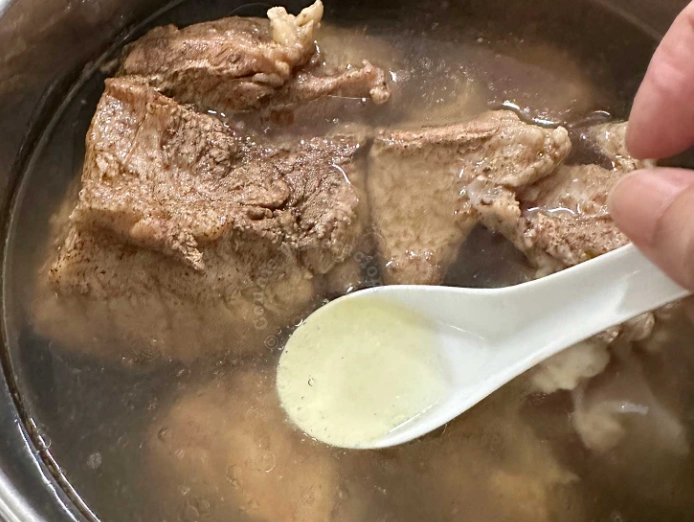
The Salt: The Heart of the Matter
Table salt? Forget it. It's too harsh, too chemical. You want a natural sea salt. My personal favorite is shiokara (a damp, mineral-rich Japanese sea salt) or a good French fleur de sel. They have trace minerals that add complexity. Some shops in Hokkaido even use a special brining liquid instead of dry salt. The point is, invest in good salt. It's 80% of your flavor.
The Dashi Base: The Umami Engine
This is your flavor foundation. A classic combination is:
- Kombu (kelp): For glutamic acid (unami). Don't boil it; steep it in warm water (around 140°F/60°C) to avoid sliminess and bitterness.
- Katsuobushi (bonito flakes): For inosinic acid. Added after the kombu is removed, brought to a bare simmer, then immediately strained.
- Niboshi (dried sardines) or dried shiitake: Often added for an extra layer of depth. Niboshi can be a bit polarizing—they add a distinct fishiness that not everyone loves.
The Meat & Bones: The Body Builders
While chicken is most common for its clean, versatile flavor, don't be afraid of blends. A mix of chicken bones (frames and feet for gelatin) and pork bones (like femur) adds richness without cloudiness if you keep the heat low. The Japanese Ministry of Agriculture, Forestry and Fisheries even highlights regional variations where seafood or local poultry defines the broth.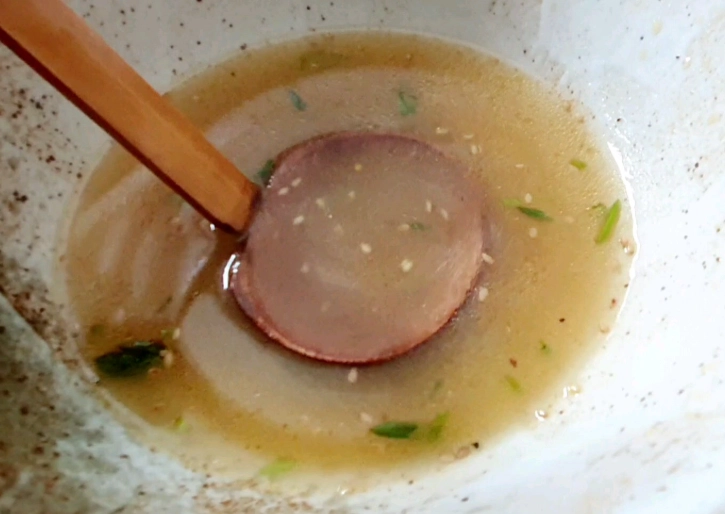
| Ingredient Type | Primary Role | Pro-Tip / Common Pitfall |
|---|---|---|
| Salt (Shio) | Primary seasoning, flavor enhancer | Avoid iodized table salt. Use natural sea salt (e.g., Shiokara, Maldon). The wrong salt makes the broth taste flat and harsh. |
| Kombu | Provides glutamates (unami base) | Steep, don't boil. Wipe it with a damp cloth instead of washing to preserve surface flavors. |
| Chicken Bones | Provides body, clean savory notes | Include some feet or wings for natural gelatin. Roasting them first adds depth but risks cloudiness. |
| Aromatic Vegetables | Adds sweetness & aroma | Onion, garlic, ginger. Char them lightly for a smoky note, but over-charring can make the broth bitter. |
How to Make Shio Broth at Home: A Step-by-Step Method
Ready to try? This isn't a 20-minute recipe. Good shio broth takes patience, but the active work is minimal. You're mostly waiting.
Step 1: Build Your Dashi. In a large pot, add 2 liters of cold water and a 10cm piece of kombu. Let it sit for 30 minutes. Then, slowly heat it until small bubbles just start to form at the edge (around 140°F/60°C). Remove the kombu. Bring the water to a boil, then turn off the heat. Immediately add a large handful of katsuobushi (about 20g). Let it steep for 5 minutes, then strain through a fine-mesh sieve lined with cheesecloth. Do not squeeze the solids—it makes the dashi bitter. This is your base liquid.
Step 2: Prepare the Bones. While your dashi steeps, rinse 1kg of chicken bones (mix of frames and feet). You can blanch them quickly in boiling water for 1-2 minutes to remove impurities, which helps with clarity. Rinse again.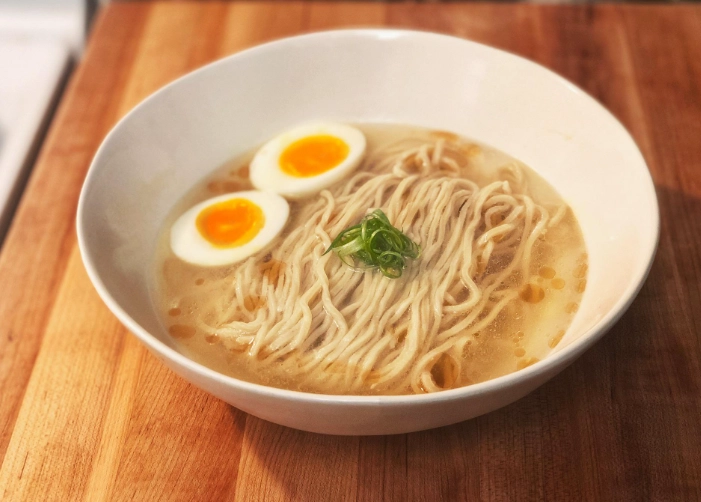
Step 3: The Long Simmer. Place the cleaned bones in a clean pot. Pour your strained dashi over them. Add a chunk of ginger (smashed) and half an onion. Bring it to the barest possible simmer—a few lazy bubbles rising to the surface. A rolling boil will emulsify fat and proteins, turning it cloudy. Skim any scum that rises in the first 30 minutes. Let this go for at least 4 hours, ideally 6-8. Low and slow is the mantra.
Step 4: Strain and Season. Carefully strain the broth through a fine sieve and cheesecloth. Now, and only now, do you season with salt. This is critical. Seasoning at the end gives you total control. Start with 1.5% of the broth's weight in salt (e.g., 15g salt per liter). Dissolve it in a little warm broth first, then stir it in. Taste. It should be slightly saltier than you think is perfect, as the noodles and toppings will balance it. Adjust with a touch of mirin or light soy sauce (shoyu) if you like, but a pure shio tare (seasoning sauce) is just salt, sometimes with a bit of sake.
3 Common Mistakes That Ruin Your Shio Broth (And How to Fix Them)
I've made all of these. Let's save you the trouble.
Mistake 1: Boiling the Broth Vigorously. This is the #1 reason for cloudy shio broth. You're not making tonkotsu. The heat should be so low it barely breaks the surface. If you see vigorous bubbles, turn it down. Cloudy broth isn't inedible, but it loses that elegant, clean appeal.
Mistake 2: Seasoning Too Early. Adding salt at the beginning of the cook changes how proteins and flavors extract. It can make the broth taste one-dimensional and harsh. Always season at the end, after straining.
Mistake 3: Using Only One Element of Umami. Relying solely on kombu or just chicken bones makes a flat broth. Umami compounds work synergistically. Glutamates (kombu, shiitake) combined with inosinates (katsuobushi, chicken) create a flavor magnitude greater than the sum of its parts. Always use at least two sources.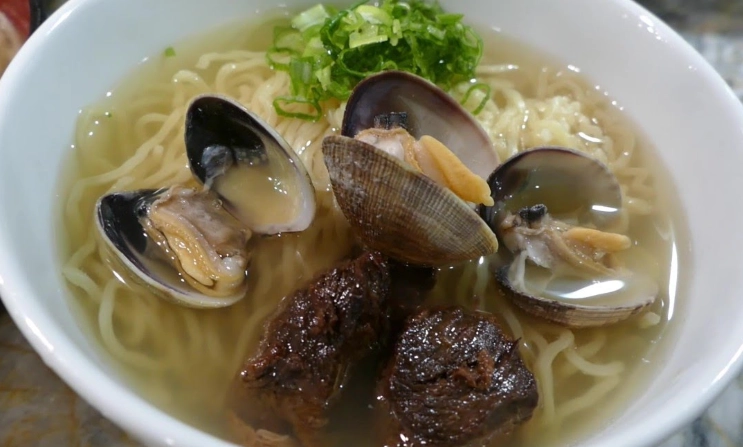
Where to Find the Best Shio Broth: A Shortlist of Must-Visit Spots
Sometimes, you need to taste the benchmark. Here are a few places, from legendary to local, that do shio right.
1. Japanese Soba Noodles 蔦 (Tsuta) - Tokyo, Japan
Yes, the Michelin-starred ramen shop. Their shio soba is legendary. They use a blend of Mongolian rock salt and Okinawan sea salt, with a dashi of chicken, clams, and vegetables. It's an umami symphony. Be prepared to queue for a ticket hours in advance. Address: 1 Chome-14-1 Sugamo, Toshima City, Tokyo.
2. Ivan Ramen - New York City, USA
Ivan Orkin, an American who became a ramen celebrity in Tokyo, knows his shio. His "Shio Ramen" is a double-chicken and double-soy broth that's clean yet deeply satisfying. It's a masterclass in balance. Address: 25 Clinton St, New York, NY. Price: Around $18-$20.
3. Your Local Top-Rated Ramen Shop
Check Google Maps or Yelp for the highest-rated ramen spot near you. Call and ask if they have a shio ramen on the menu. A good sign is if they describe their broth as "clear" or "chicken and seafood based." Go during off-peak hours (like 3 PM) and ask the chef what makes their shio special. You'd be surprised how much they'll share.
Reader Comments