Let's be honest. Most pork katsu recipes online give you the basic steps, but they miss the tiny, crucial details that separate a good cutlet from a mind-blowing, restaurant-quality tonkatsu. You know, the kind with a shatteringly crisp exterior that gives way to a tender, juicy interior. After years of trial and error (and some seriously soggy failures), I've nailed down a method that works every single time. This isn't just a recipe; it's a deep dive into the science and craft behind Japan's beloved comfort food.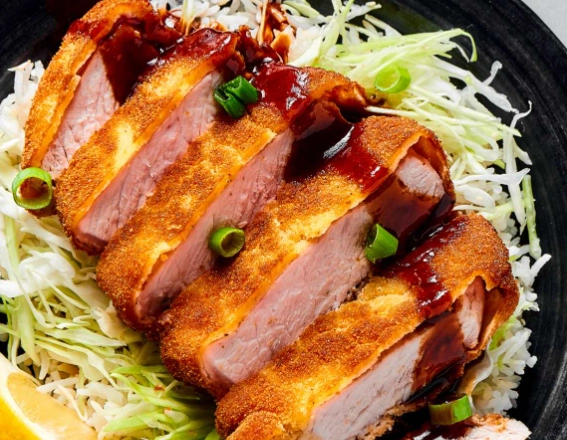
Your Katsu Roadmap
The Non-Negotiable Ingredients: Why Each One Matters
You can't build a great dish with mediocre parts. Here’s what you need and, more importantly, why you need it.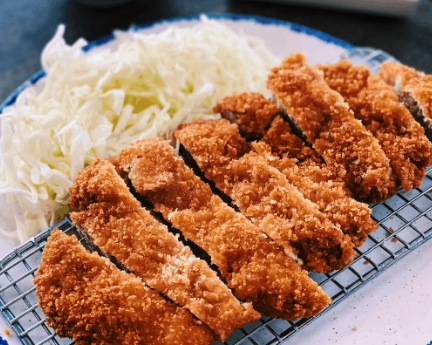
| Ingredient | Specific Recommendation & Purpose |
|---|---|
| Pork Cut | Pork loin or tenderloin. Loin is more common, with a bit of fat for flavor. Tenderloin is leaner. Thickness is key: aim for 1 to 1.5 inches (2.5-4 cm). Super thin cuts will overcook before the crust sets. |
| Panko Breadcrumbs | Japanese-style panko, not regular breadcrumbs. This is the secret to the iconic craggy, airy crunch. Panko flakes are larger and create more surface area. I prefer an unseasoned brand like Kikkoman Panko or Asian Home Gourmet for maximum control. Don't substitute with Italian-style crumbs—you'll get a dense, sandy coating. |
| Neutral Oil | Vegetable, canola, or peanut oil. You need a high smoke point oil and enough to deep-fry (about 2-3 inches deep in your pot). Shallow frying leads to uneven cooking and a greasy result. |
| Tonkatsu Sauce | Bulldog Tonkatsu Sauce is the gold standard. It's a complex, fruity, savory Worcestershire-style sauce. Making your own is fun, but for authenticity, this bottle is unbeatable. |
The Flour & Egg Wash Truth: All-purpose flour is fine. For the egg wash, use one large egg beaten with a tablespoon of cold water or milk. The liquid helps thin it slightly for an even coat. Some people add a splash of soy sauce or mirin to the egg—it adds a hint of flavor but can make the coating brown faster. I keep it simple.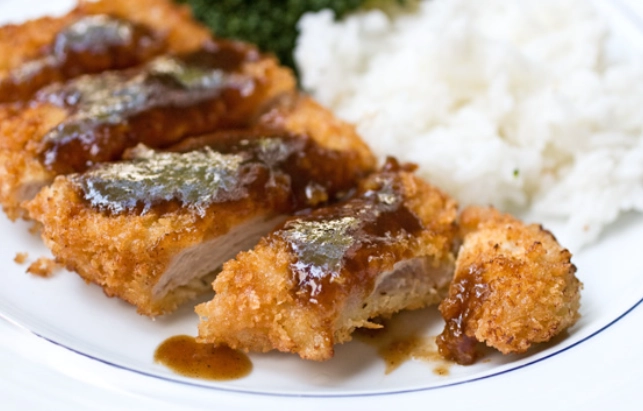
The Step-by-Step Frying Process: A Ritual, Not a Rush
This is where the magic happens. Rushing equals failure.
1. Preparing the Pork (The Most Overlooked Step)
Pat the pork chops bone-dry with paper towels. Any surface moisture is the enemy of adhesion. Use the back of a knife or a meat tenderizer to lightly score the fatty edges. This prevents the meat from curling up violently in the hot oil. Now, season generously with salt and pepper on both sides. Don't be shy here; the crust and sauce need a seasoned foundation.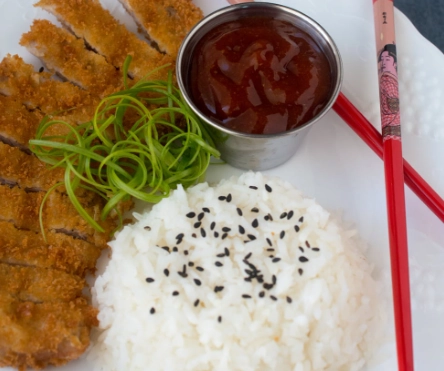
2. The Coating Station: Order is Everything
Set up three wide, shallow dishes in this exact order: 1) Flour, 2) Egg Wash, 3) Panko. Dredge a chop in flour, shaking off every single bit of excess. A thin, even dusting is what you want. A thick layer of flour will create a pasty barrier. Next, dip it into the egg wash, let the excess drip off. Finally, press it firmly into the panko. Don't just sprinkle—press and cradle the chop to get a thick, shaggy, even coat on all sides. Place it on a wire rack. Repeat. Let them rest for 5-10 minutes. This helps the coating set and prevents it from sloughing off in the oil.
Pro Move: For an extra-crispy, professional-grade crust, use the "double-panko" method. After the first coat, give it a very quick second dip in the egg wash (just a touch) and another press into the panko. The result is insane.
3. Frying: Temperature is God
Heat your oil to 340°F (170°C). Use a thermometer. Guessing is how you get greasy katsu. The first fry is about cooking the pork through and setting the crust. Gently lower a chop into the oil. Don't crowd the pot—fry one or two at a time. It should sizzle actively but not violently. Fry for about 5-6 minutes, turning occasionally, until golden brown. The internal temperature should reach 145°F (63°C).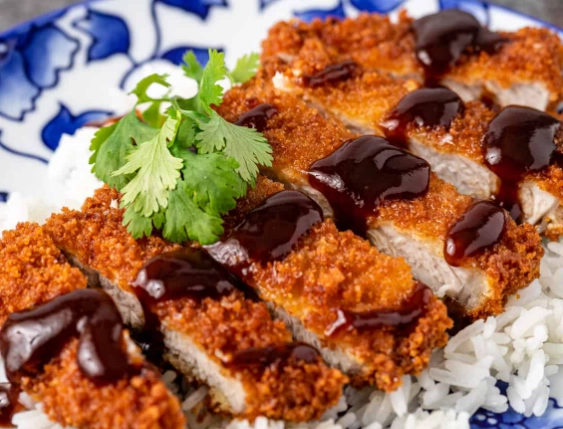
Remove and drain on a wire rack set over a sheet pan—never on paper towels. Paper towels trap steam and make the bottom soggy. The rack keeps air circulating all around.
4. The Rest & The Second Fry (The Real Secret)
Let the katsu rest for at least 5 minutes. This allows the carryover heat to finish cooking the center evenly. Meanwhile, crank the oil heat up to 375°F (190°C). This second, shorter fry (about 60-90 seconds) is purely for texture. It blasts the exterior, driving out any absorbed oil and re-crisping it to an unbelievable shatter. Drain on the rack again.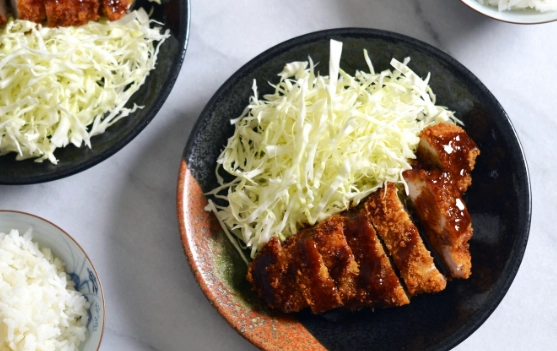
Top 3 Mistakes That Ruin Your Katsu (And How to Fix Them)
I've made these so you don't have to.
Mistake 1: Using the wrong breadcrumbs. As said, panko is non-negotiable. If your grocery store doesn't have it, check an Asian market or order online. It's worth the trip.
Mistake 2: Oil temperature anxiety. People get scared and fry at too low a temperature. The katsu absorbs oil like a sponge and becomes heavy. Or, they fry too hot, burning the panko before the pork cooks. A thermometer is your best friend. No thermometer? Drop a small panko flake in the oil. If it sizzles and rises to the top immediately without burning, you're close.
Mistake 3: Cutting immediately. You must let it rest for a few minutes after the second fry. Cutting into it straight from the oil releases all the precious steam and juices, leaving you with dry meat. Be patient.
How to Serve & Enjoy It: Beyond the Basics
Slice your rested katsu into thick strips against the grain. Serve it on a bed of shredded cabbage (it's not just garnish—the cool, crisp cabbage cuts the richness perfectly). Drizzle with tonkatsu sauce. A dollop of karashi (Japanese hot mustard) on the side is classic.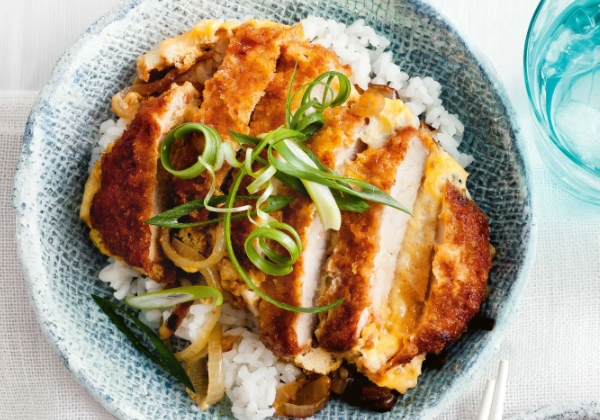
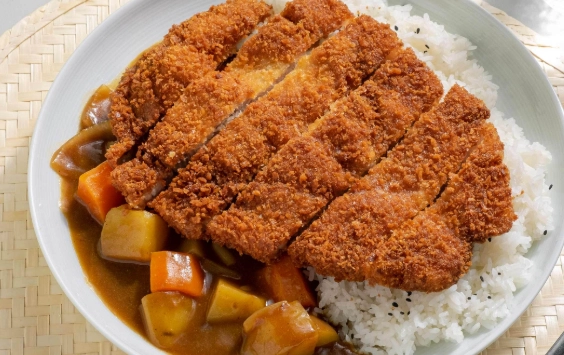
But don't stop there. Leftover katsu (if you have any) makes the best katsudon (simmered with egg and onions over rice) or katsu curry the next day. The texture softens into something wonderfully comforting.
Your Katsu Questions, Answered
Reader Comments