Quick Navigation
- From British Ships to Japanese Kitchen Tables: A Bite of History
- So, How is it Different? Japanese Curry vs. Indian Curry
- The Building Blocks: What Goes Into a Pot of Japanese Curry?
- Navigating the Curry Roux Aisle: A Quick Brand Guide
- Making It at Home: The Foolproof Method (and My Secret Tips)
- Beyond the Home Kitchen: Curry in Japanese Restaurants
- Answering Your Curry Questions (The FAQ Bit)
- The Cultural Footprint: More Than Just a Meal
- Final Thoughts: The Heart of the Matter
You've probably seen it in anime, heard about it from friends who visited Japan, or maybe spotted a glossy, dark brown stew with chunky carrots and potatoes on a menu. That's Japanese curry, or as they call it, kare raisu (curry rice). But what exactly is Japanese style curry? It's not just any curry. If you're picturing the fiery, complex spice blends of India or the coconut-milk broths of Thailand, you're in for a surprise. Japanese curry is its own unique beast—a thick, savory, slightly sweet, and deeply comforting stew that feels like a warm hug in a bowl. It's the ultimate Japanese comfort food, sitting right up there with ramen and tonkatsu in the nation's heart.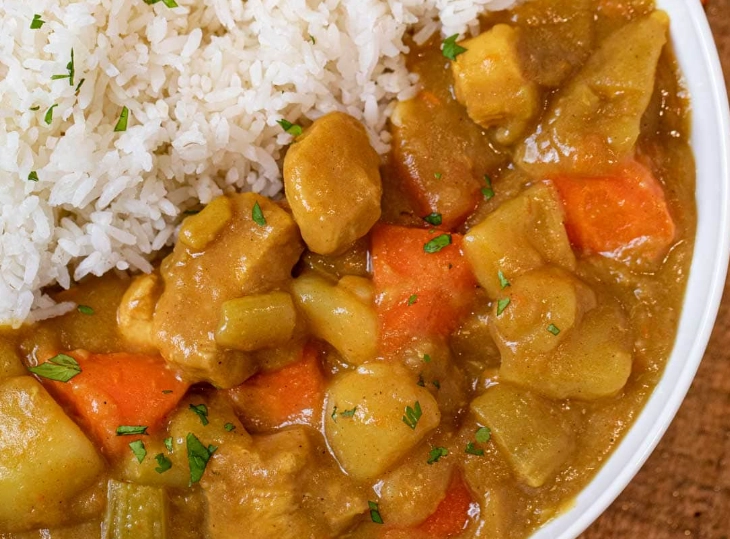
I remember my first real encounter with it. It wasn't in a fancy restaurant, but in a cramped, steamy university cafeteria in Tokyo. The smell alone—warm, spiced, and meaty—drew me in. It looked unassuming, a brown stew over a mountain of rice. One bite, and I was hooked. It was familiar yet foreign, rich but not overwhelming. That's the magic of it. So, let's peel back the layers and answer that question thoroughly: what is Japanese style curry, really?
From British Ships to Japanese Kitchen Tables: A Bite of History
Here's a fun fact that often gets missed. The story of what is Japanese curry doesn't start in India or even in Japan. It starts with the British. During the Meiji era (late 1800s), when Japan was rapidly modernizing, the British Royal Navy introduced curry powder to the country. The British had, of course, adapted Indian curry to their own tastes, creating a powdered spice mix for convenience. The Imperial Japanese Navy adopted curry as a staple menu item—it was efficient, nutritious, kept well on ships, and the spices helped mask the taste of not-so-fresh ingredients. You can still see this tradition today on Japan's Maritime Self-Defense Force ships, where Friday is often curry day.
From the navy, it spread to the army and then into civilian life. By the early 1900s, curry rice was being served in restaurants. But the real game-changer came in the 1950s and 60s with the invention of curry roux blocks. Companies like S&B and House Foods revolutionized home cooking. Suddenly, making what is Japanese style curry at home went from a labor-intensive process of grinding and blending spices to simply simmering meat and veggies and melting a block of seasoned roux. It became the cornerstone of Japanese home cooking (katei ryori). The Japanese Ministry of Agriculture, Forestry and Fisheries (MAFF) even has pages discussing the cultural significance of curry as a modern Japanese dish, highlighting its unique journey from import to national staple.
It's a classic example of yoshoku—Western-inspired Japanese cuisine—that has been so thoroughly adapted it's now considered quintessentially Japanese.
So, How is it Different? Japanese Curry vs. Indian Curry
This is where most people get curious. If it came from India, how did it end up tasting so... different? Understanding this distinction is key to defining what is Japanese style curry.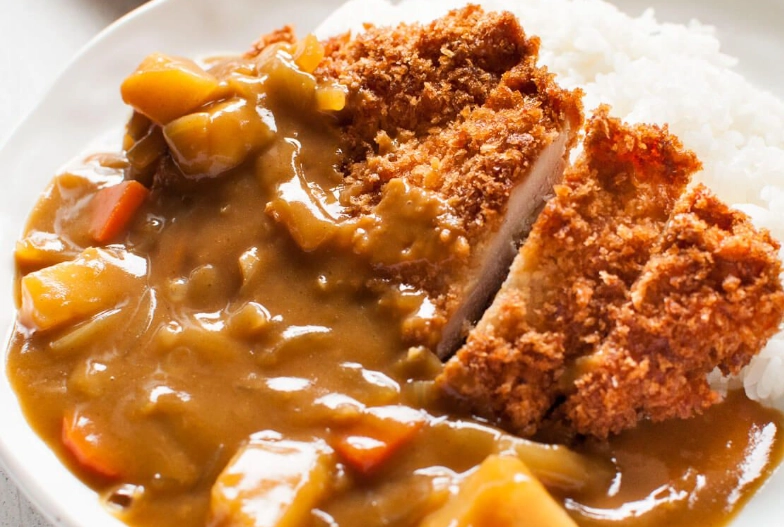
Think of it this way. Indian curries are often a symphony of individual, freshly-ground spices—cumin, coriander, turmeric, cardamom—layered in a specific order. The texture is usually thinner, more sauce-like. The flavor profile is direct, aromatic, and can range from subtly spiced to intensely hot.
Japanese curry is more like a rich, unified gravy. The spices are pre-blended into a harmonious mix where no single note dominates. The base is often a roux—a mixture of fat (like oil or butter) and flour—which gives it that characteristically thick, gravy-like consistency. This is a huge part of the answer to what is Japanese style curry. It's thick, it's hearty, and it clings to the rice.
The Flavor Profile: Japanese curry leans towards umami, sweetness, and mild spice. It's rarely blisteringly hot. Common flavors you'll taste include:
- Sweetness: From ingredients like grated apple, honey, or even a bit of ketchup or chocolate (yes, really!). This balances the savory elements.
- Umami: From dashi (Japanese soup stock), soy sauce, Worcestershire sauce, or tomato paste. This gives it a deep, savory backbone.
- Spice: Warm, gentle spices like cumin, coriander, turmeric, and allspice. The heat level is usually mild to medium, often adjustable.
It's a dish designed for mass appeal and comfort, not culinary challenge. That's why kids and adults alike adore it.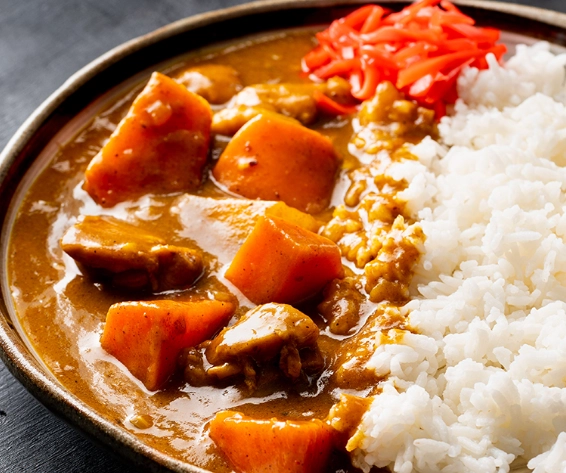
The Building Blocks: What Goes Into a Pot of Japanese Curry?
At its core, what is Japanese style curry made of? The holy trinity of vegetables is almost non-negotiable: onions, carrots, and potatoes. They're chunky, they soften and sweeten as they cook, and they make the stew substantial. For protein, you'll most commonly find:
- Beef (Gyuniku Kare): Often stewing beef, cooked until fall-apart tender.
- Chicken (Toriniku Kare): Thigh meat is preferred for its juiciness.
- Pork (Butaniku Kare): Less common than beef or chicken, but delicious.
- Seafood or Vegetarian: Variations exist, like shrimp or vegetable curry.
Then comes the liquid—usually water or a combination of water and dashi stock. And finally, the soul of the dish: the curry roux. This is what defines 90% of homemade Japanese curry.
Navigating the Curry Roux Aisle: A Quick Brand Guide
Walk into any Japanese supermarket, and the wall of curry roux boxes can be overwhelming. They come in blocks (you break off squares) or in paste form. The main differentiators are spice level and brand flavor profile. Here’s a no-nonsense breakdown of the big players to help you decode what is Japanese style curry at the store level.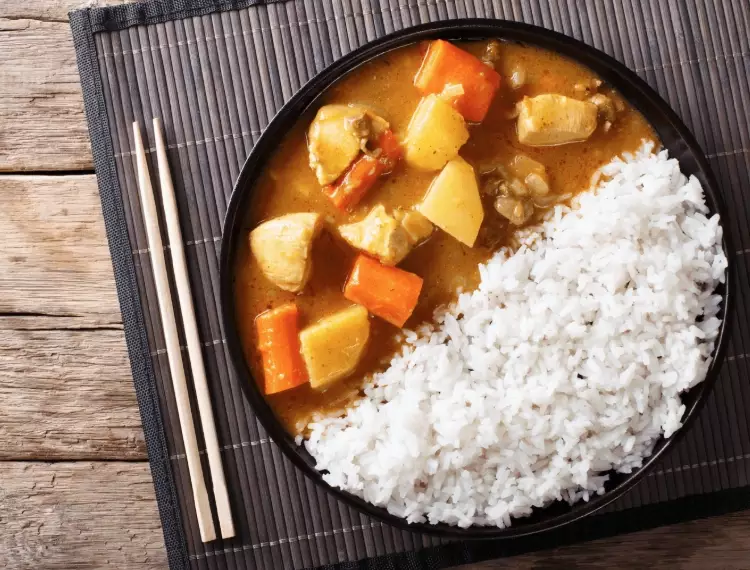
| Brand | Known For / Vibe | Spice Levels (Typical) | Personal Note |
|---|---|---|---|
| S&B Golden Curry | The classic, balanced intro. Mild spice, well-rounded sweetness. | Mild, Medium Hot, Hot | This is the "gateway" curry. Reliable, never offensive. A bit one-note for me now, but it's where most people start. |
| House Vermont Curry | Famous for its apple and honey sweetness. Very family-friendly. | Mild, Medium Hot, Hot | Too sweet for some. My kids love it, but I find I need to add extra black pepper or a dash of coffee to balance it. |
| House Java Curry | More complex, adult-oriented. Uses Indonesian spices, less sweet, more aromatic. | Medium Hot, Hot | My personal go-to for a richer, less sugary flavor. Has a bit more depth and a pleasant warmth. |
| Glico Curry Zeppin | Premium line. Claims a more restaurant-like, slow-cooked taste. Richer umami. | Sweet, Standard, Spicy | Lives up to the hype. The texture feels silkier. Pricier, but good for a special home-cooked meal. |
| Kokumaru Curry | Paste, not blocks. Intense, concentrated flavor. Often used by curry purists. | Extremely varied (Mild to Super Spicy) | A flavor bomb. A little goes a long way. Not for beginners—it can be overpowering if you use too much. |
My advice? Start with a medium-hot from S&B or House Vermont. It’s the baseline taste most Japanese people grow up with.
Making It at Home: The Foolproof Method (and My Secret Tips)
Want to truly understand what is Japanese style curry? Make it yourself. It's almost embarrassingly easy with roux blocks, but a few tricks elevate it from good to "wow."
The Basic Steps:
1. Sear your protein (beef, chicken) in a pot, then remove.
2. Sauté a mountain of sliced onions until they're deeply golden and caramelized. This is the SINGLE most important step for building flavor. Don't rush it. 15-20 minutes on low-medium heat.
3. Add carrots, potatoes, and your protein back in. Cover with water or stock.
4. Simmer, covered, until everything is tender. For beef, this can take an hour.
5. Turn off the heat. Break the roux blocks into the pot and stir until completely melted. This prevents lumps.
6. Simmer for another 5-10 minutes until the sauce thickens to a glorious gravy consistency. Serve over a plate of steaming white rice.
Here's my confession: I once tried to skip the onion caramelization step because I was hungry and impatient. Big mistake. The curry tasted flat, one-dimensional, and kind of sad. The sweet, deep foundation the onions provide is non-negotiable. Trust me on this.
Pro-Tips to Level Up Your Curry:
- Add a "hidden" ingredient: Grate half an apple or a small piece of ginger into the pot during simmering. A square of dark chocolate, a teaspoon of instant coffee, or a splash of red wine can add incredible depth.
- Use a mix of roux: Try using one block of a sweet brand (Vermont) and one block of a spicy/rich brand (Java). You create your own custom blend.
- Don't forget the toppings: Japanese curry is almost always served with fukujinzuke (a sweet-pickled vegetable relish) or rakkyo (pickled pearl onions). The sharp, tangy crunch cuts through the richness perfectly.
See? Not hard at all. The real beauty of what is Japanese style curry is its accessibility.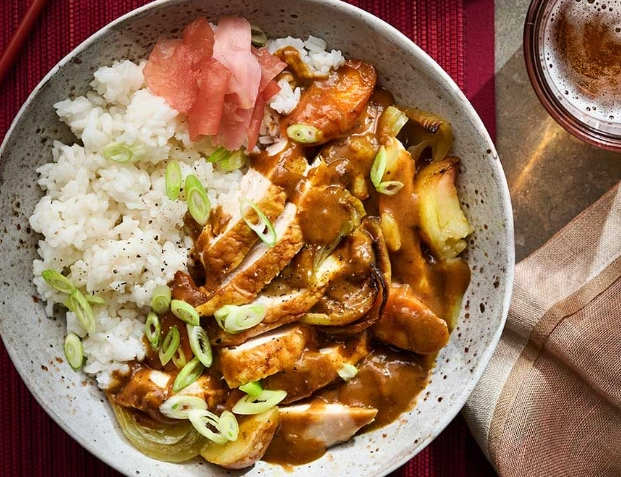
Beyond the Home Kitchen: Curry in Japanese Restaurants
While home curry is iconic, restaurant curry (kare ya) is a whole other universe. These specialist shops take the dish to obsessive, delicious heights. Here’s what you might find:
1. Katsu Curry: The undisputed king of curry dishes. A crispy, deep-fried pork cutlet (tonkatsu) laid over rice and smothered in curry sauce. The contrast of crunchy, juicy pork and rich gravy is heavenly. This is probably the most famous iteration of what is Japanese style curry abroad.
2. Curry Udon/Soba: Thick curry soup served with udon (thick wheat noodles) or soba (buckwheat noodles). It's slurpable, warming, and a different textural experience altogether.
3. Soup Curry: Hailing from Sapporo in Hokkaido, this is a revelation. The curry is much soupier, lighter, and more aromatic, filled with large, tender chunks of vegetables and chicken. The spices are more distinct. It's less of a heavy stew and more of a cleansing, spicy broth. If you find a Soup Curry specialist, don't hesitate.
4. Dry Curry: A sautéed, minced meat curry with less sauce, almost like a loose curry fried rice. It's less common but a nice change.
I once waited 45 minutes in line for a famous katsu curry shop in Tokyo's Jimbocho district. Was it worth it? Absolutely. The katsu was ethereally crisp, the curry had a slow-cooked complexity you just don't get from a roux block, and the cabbage on the side was shredded impossibly fine. Restaurant curry shows you the ceiling of what this dish can be.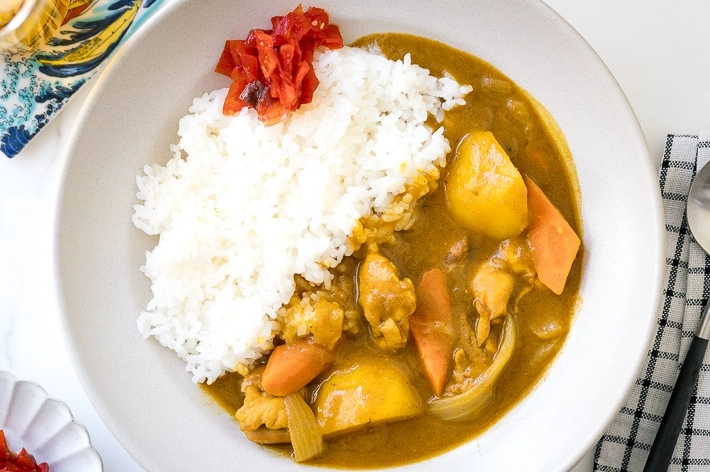
Answering Your Curry Questions (The FAQ Bit)
The Cultural Footprint: More Than Just a Meal
To fully grasp what is Japanese style curry, you have to see its place in society. It's not just food; it's a cultural touchstone.
It's the meal you eat after sports day. It's the lunch that moms pack in thermal containers for school trips. It's the cheap, filling, delicious option at every "family restaurant" like Saizeriya or Gusto. It's the subject of BBC travel features exploring its obsessive fan culture. There are annual curry festivals, curry championships, and even regional variations—like the famous Beef Curry of Nagoya, which is often darker and richer.
Its adaptability is its strength. It's a blank, delicious canvas that welcomes personal touches, which is why every family has their "secret" recipe.
And let's be honest, in a world of delicate sushi and intricate kaiseki, sometimes you just want a big, satisfying plate of something hearty and unpretentious. Japanese curry fills that role perfectly.
Final Thoughts: The Heart of the Matter
So, what is Japanese style curry? It's a story of adaptation. It's a British naval dish, filtered through Japanese sensibilities, simplified for the home cook, and loved into becoming a national symbol of comfort. It's the smell of a family kitchen on a Sunday night. It's the taste of nostalgia for millions of Japanese people. It's thick, sweet, savory, and forgiving.
It might not have the ancient pedigree of miso soup or the technical perfection of tempura. But in its humble, hearty way, Japanese curry tells you more about modern Japan than almost any other dish. It's practical, delicious, and universally loved. It’s the food of the people.
The best way to understand it isn't just to read about it. Go grab a box of golden curry roux, caramelize those onions with patience, and make a pot. Or find a local Japanese restaurant and order the katsu curry. Take that first bite of gravy-soaked rice with a piece of soft carrot and tender beef. That warmth, that comfort, that unique flavor—that's your answer. That's what Japanese style curry is.
Now, if you'll excuse me, all this writing has made me incredibly hungry. I think I know what's for dinner tonight.
Reader Comments