Let's be honest. The little bottle of rayu that comes with your takeout ramen? It's fine. But it's never quite enough, and it often tastes a bit one-dimensional—just heat and salt. The real magic happens when you make it yourself. Homemade rayu is a universe of flavor: fragrant, complex, and endlessly customizable. It's not just spicy oil; it's a secret weapon that transforms noodles, dumplings, rice, and even eggs from good to unforgettable. Forget the generic stuff. I'll show you how to make a batch so good, you'll wonder why you ever bought it.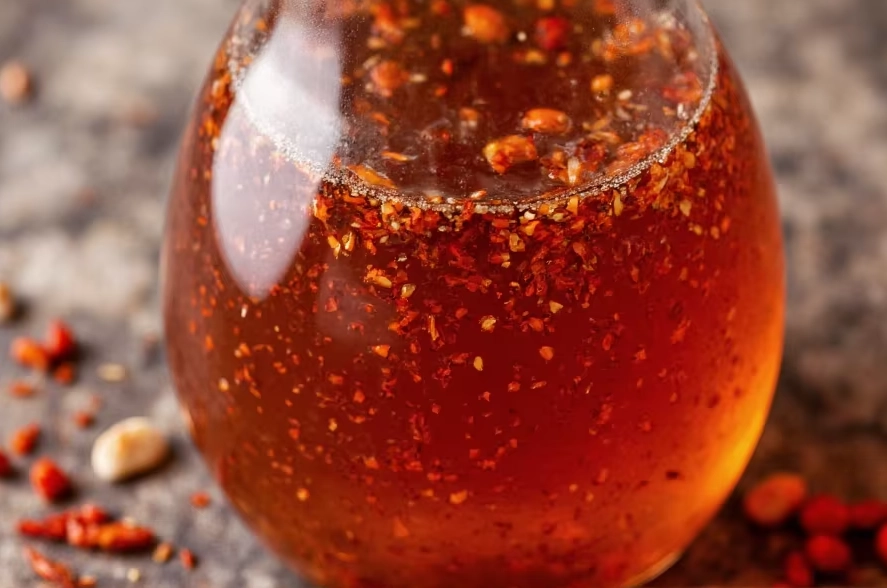
What's Inside This Rayu Guide?
What Exactly Is Rayu? (It's More Than Just Chili Oil)
Rayu is Japan's answer to chili oil. While China has its lao gan ma and Sichuan chili oils, rayu is typically milder, more aromatic, and designed as a condiment rather than a main ingredient. The base is almost always a neutral oil (like canola, soybean, or sesame) infused with chili flakes or powder. But here's where it gets interesting: the aromatics.
Garlic and ginger are the classic duo, but the real depth often comes from neg (green onion/scallion) and sometimes shallots. The spices are gently heated in the oil—not fried to a crisp—to extract their flavors without burning. This creates a layered taste: first the savory umami from the aromatics, then the warmth of the chili, all carried by a silky oil. According to resources from Japan's Ministry of Agriculture, Forestry and Fisheries, chili consumption as a condiment has a long history in Japanese cuisine, with rayu becoming widely popular in the 20th century alongside ramen.
Most store-bought versions use dried chili powder for consistent color and heat. At home, you can play with different chili types. I prefer a mix: gochugaru (Korean chili flakes) for a sweet smokiness, and a pinch of crushed bird's eye chilies or togarashi for a sharper kick.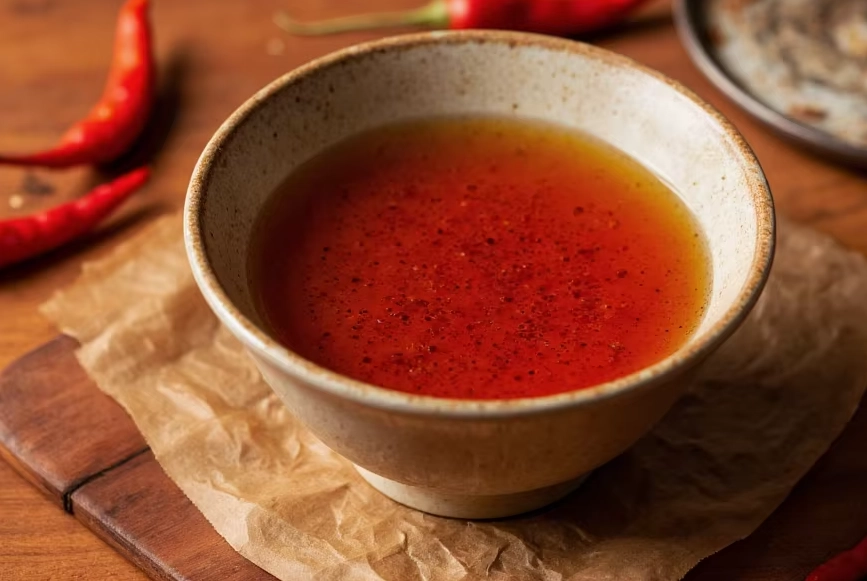
Why Bother Making Rayu at Home?
Control and freshness. That's it. You control the salt, the oil quality, the heat level, and the flavor profile. The batch you make tonight will taste brighter and more vibrant than any bottle that's been sitting on a shelf for months.
I remember my first attempt. I used cheap, pre-crushed chili flakes and blasted the heat. The result was a bitter, murky oil that smelled faintly of burnt garlic. It was a lesson learned the hard way. Now, I use whole dried chilies I grind myself (or at least source good-quality flakes), and I never let the oil get too hot. The difference is night and day.
Economy is another factor. For the price of one small specialty bottle, you can make a mason jar full of superior rayu.
The Core Rayu Recipe: Step-by-Step
This is your foundational, all-purpose rayu. Master this, and the variations are easy.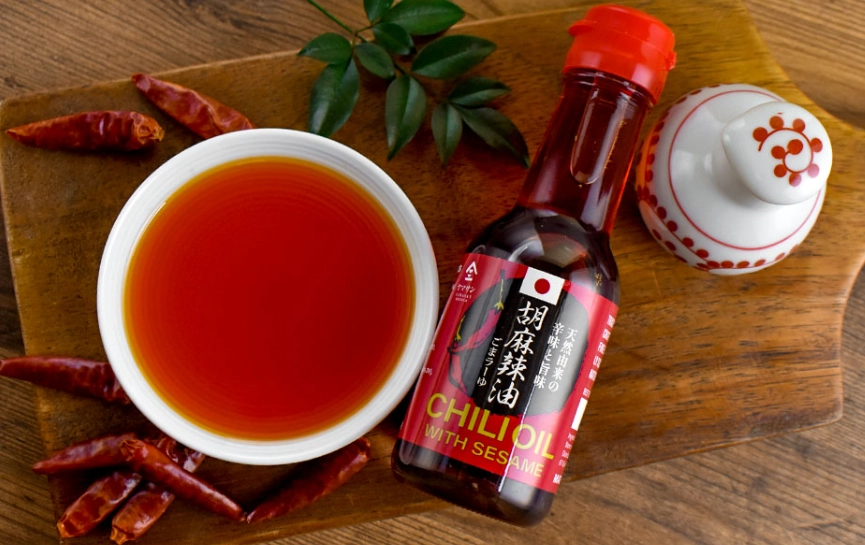
Classic Japanese Rayu
Yield: About 1 cup | Prep: 10 min | Cook: 20 min | Total: 30 min (plus cooling)
Ingredients:
- 1 cup neutral oil (canola, grapeseed, or soybean oil)
- 3 tbsp dried chili flakes (I use 2 tbsp gochugaru + 1 tbsp generic red pepper flakes)
- 4-5 cloves garlic, thinly sliced
- 1-inch piece ginger, peeled and julienned
- 2 stalks green onion (white and light green parts only), cut into 2-inch lengths
- 1 tsp sesame seeds (optional)
- 1/2 tsp salt, or to taste
- A tiny pinch of MSG or dashi powder (trust me, it's the umami booster)
Steps:
- Prep everything first. This process moves quickly once the oil is heating. Have all your ingredients measured and within arm's reach.
- Heat the oil gently. Pour the oil into a small, heavy-bottomed saucepan. Add the garlic, ginger, and green onion. Turn the heat to medium-low. We're aiming for a slow, steady infusion. You want the aromatics to sizzle gently and slowly turn golden, not brown quickly. This should take 8-10 minutes. Be patient.
- Infuse the chili. Once the aromatics are lightly golden and fragrant, remove the pan from the heat. Let it cool down for about 1 minute. This is the critical step to avoid burning the chili. Stir in the chili flakes and sesame seeds (if using). The residual heat will toast them perfectly, releasing their oils and color without bitterness.
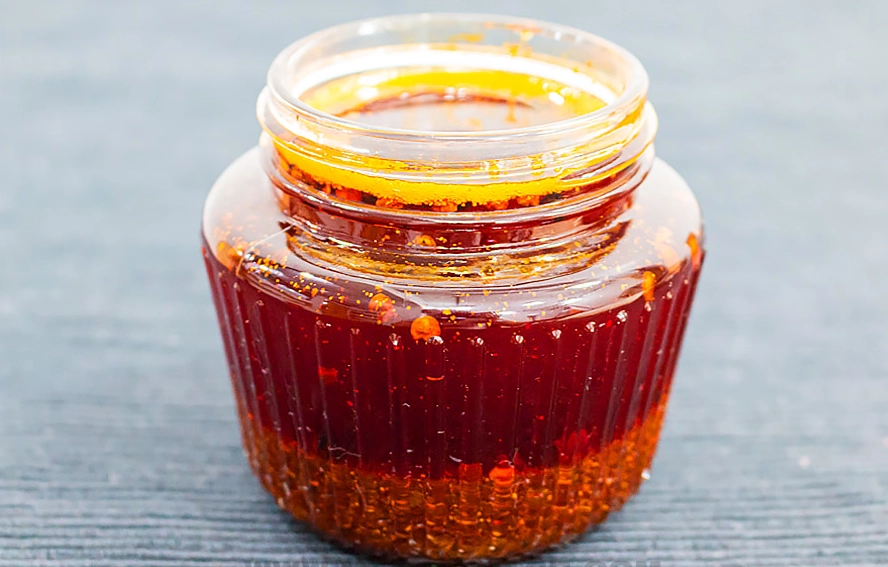
- Season and cool. Stir in the salt and MSG/dashi powder. Pour everything into a clean, heatproof jar. Let it cool completely uncovered, then seal it.
- Rest. The flavors meld and improve overnight. It keeps in the fridge for up to a month, but mine never lasts that long.
3 Rayu Variations to Match Your Mood
Once you have the basic technique, the world is your oyster. Here are three of my favorite spins.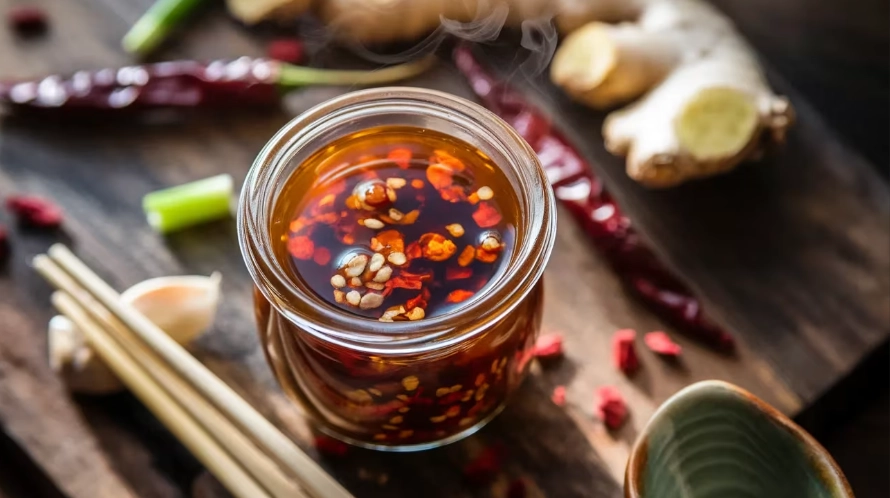
| Variation | Key Twist | Best Paired With |
|---|---|---|
| 1. Garlic Lover's Rayu | Double the garlic. Use a mix of sliced and minced garlic. Add a smashed clove to the cold oil at the very start for a deeper, sweeter garlic base. | Ramen, stir-fried vegetables, brushed on grilled meats. |
| 2. Citrus & Sea Rayu | Add 2 strips of dried kombu (kelp) and 1 strip of lemon or yuzu peel (no white pith) to the oil with the aromatics. Remove before adding chili. Finish with 1/2 tsp bonito flakes. | Seafood dishes, cold soba noodles, tofu, avocado toast. |
| 3. Sichuan-Inspired Mala Rayu | Add 1 tbsp Sichuan peppercorns (lightly crushed) and 1 star anise to the oil with the aromatics. Strain them out before adding chili flakes for a clean oil with that signature numbing tingle. | Dumplings (gyoza), dan dan noodles, roasted potatoes. |
The One Big Mistake Everyone Makes (And How to Avoid It)
Burning the chili flakes. It's the single fastest way to ruin your rayu. Burnt chili tastes bitter and acrid, overpowering all the lovely aromatics you just spent time infusing.
The mistake happens because people get impatient. They add the chili flakes to oil that's still actively bubbling and hot from frying the garlic. Chili flakes are delicate; they toast in seconds.
The Foolproof Method
Take the pan off the heat. Wait. Let the bubbling subside. Give it a full 60-90 seconds to cool down slightly. You should be able to hold your hand a few inches above the oil without feeling intense heat. Then add your chili flakes. Stir. They will sizzle gently, darken slightly, and fill your kitchen with a wonderful roasted aroma—not a cough-inducing bitter smoke.
How to Use Your Rayu: 10 Ideas Beyond Ramen
Sure, swirl a spoonful into your tonkotsu ramen. But don't stop there.
- Gyoza Dipping Sauce: Mix 1 tbsp soy sauce, 1 tbsp rice vinegar, and 1 tsp of your rayu.
- Eggs: Drizzle over fried eggs, scrambled eggs, or tamagoyaki.
- Avocado: Mash an avocado with a squeeze of lime and a spoonful of rayu. Instant gourmet toast.
- Stir-fry Finisher: Add a splash at the very end of cooking a stir-fry for aroma.
- Popcorn: Toss freshly popped popcorn with melted butter, rayu, and a sprinkle of salt.
- Mayo Mix-in: Stir a teaspoon into mayonnaise for a killer burger spread or fry dip.
- Roasted Veggies: Toss vegetables in rayu before roasting for a spicy, savory crust.
- Simple Noodles: Toss cooked udon or soba with rayu, a dash of soy sauce, and green onions.
- Pizza Oil: Use it as a finishing oil on pizza instead of regular chili oil.
- Bloody Mary: A few drops in your cocktail adds a fantastic savory heat.
Your Rayu Questions, Answered
 Making your own rayu isn't just a cooking project; it's an upgrade to your everyday meals. It takes a bit of attention, but the payoff is a condiment that's uniquely yours. Start with the classic recipe, get the feel for the temperature, and then start experimenting. Before you know it, you'll have a signature rayu that makes everything taste just a little bit better.
Reader Comments