You just pan-fried a perfect batch of gyozas, those crispy-bottomed Japanese dumplings. They're steaming hot, ready to be devoured. But you pause. What do you dip them in? The little dish of dark liquid on the side at restaurants – what is gyoza sauce called, really? Is it just soy sauce? If you've ever wondered this, you're in the right place. The direct answer is that it's most commonly called gyoza sauce or gyoza dipping sauce. But that's like calling a great stew just "soup." Its true identity is a specific, balanced blend, a close cousin to a classic Japanese condiment called Ponzu. Let's dive deeper than the name and unlock how to make the ultimate version at home.
Your Quick Guide to Gyoza Sauce
What Exactly Is Gyoza Sauce?
In Japan, you might ask for "gyoza no tare" (餃子のタレ), with "tare" meaning dipping sauce. While many Western restaurants simply serve a mix of soy sauce and vinegar, the authentic foundation is more nuanced. It's built on a balance of five key elements: salty, sour, sweet, umami, and a hint of spice. The goal is a sauce that cuts through the richness of the pork-filled dumpling, cleanses the palate, and enhances the meaty, savory flavors without overpowering them.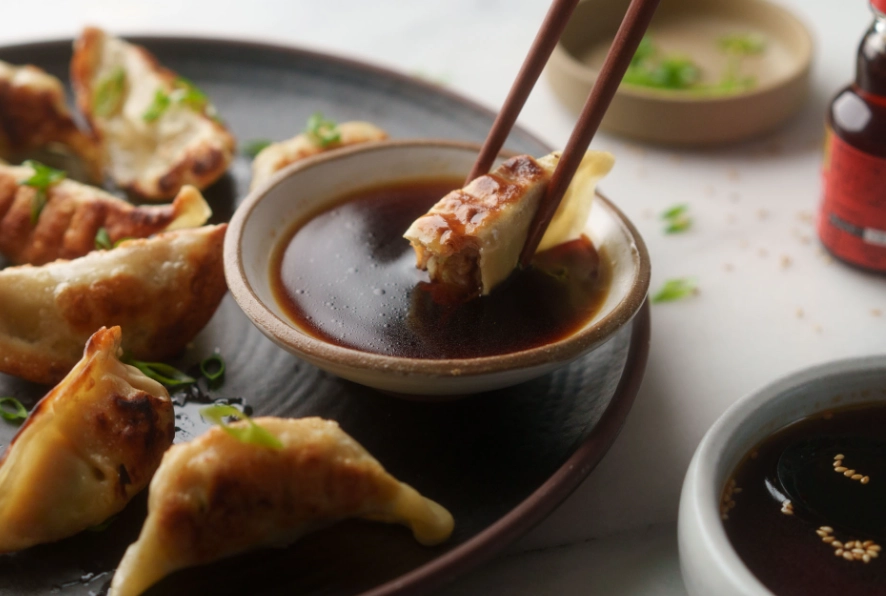
I remember my first time in a tiny gyoza-ya (specialty shop) in Tokyo. The sauce wasn't an afterthought in a plastic packet; it was in a ceramic pot on the table, often with fresh garlic and chili oil floating on top. That's when I realized it's a living component of the meal. The base is essentially a simplified, more robust Ponzu. Traditional Ponzu is citrus-based (yuzu or sudachi) and can be more delicate. Gyoza sauce uses rice vinegar for its cleaner acidity and often ramps up the garlic and chili.
The Classic Gyoza Sauce Recipe, Decoded
Forget vague "parts." Here's a precise, tested ratio that works every time. This is your foundational blueprint.
| Ingredient | Quantity (for 2-3 servings) | Its Role & Best Choices | Easy Substitute |
|---|---|---|---|
| Soy Sauce | 3 tablespoons | Provides saltiness and deep umami. Use a Japanese koikuchi shoyu (regular soy sauce) for balance. Light soy sauce can be too salty; dark can be too intense. | Tamari (gluten-free), or a low-sodium soy sauce (adjust to taste). |
| Rice Vinegar | 2 tablespoons | Adds the crucial bright, clean acidity. Unseasoned rice vinegar is key. Seasoned rice vinegar contains sugar and salt, which will throw off your balance. | Apple cider vinegar (slightly fruitier) or white wine vinegar. Avoid balsamic. |
| Mirin | 1 tablespoon | A sweet rice wine that adds a gentle sweetness and gloss, rounding out the sharp edges. It's non-negotiable for authentic flavor. | A mix of 1 tsp sugar dissolved in 1 tbsp water or sake. It won't be the same, but it works. |
| Toasted Sesame Oil | 1/2 teaspoon | Gives a nutty, aromatic finish that ties everything together. A little goes a very long way. Use the toasted kind, not plain. | Chili oil or a neutral oil in a pinch, but you'll lose the signature fragrance. |
| Aromatics (Garlic & Chili) | 1 clove garlic (minced), Chili to taste | The personal touch. Fresh minced garlic adds pungent warmth. Rayu (chili oil) or crushed red pepper flakes bring heat. | Garlic powder (less potent), sriracha, or fresh ginger for a different kick. |
How to make it: It couldn't be easier. Simply whisk all the liquid ingredients together in a small bowl until combined. Then, stir in your minced garlic and chili. Let it sit for at least 10 minutes before serving. This resting time is the secret most recipes skip – it allows the garlic flavor to mellow and infuse the sauce properly. A raw, harsh garlic bite right after mixing is a common mistake.
Pro Tip from a Gyoza Enthusiast: Don't use pre-minced garlic from a jar. The flavor is off, often preserved in citric acid, and it can make your sauce taste metallic. Taking 60 seconds to mince a fresh clove makes a world of difference.
Beyond the Basic: Flavor Variations to Try
Once you master the classic, the world is your oyster sauce. Here are some popular twists, categorized by the flavor profile they create.
The Spicy Kick
For those who like heat. Add one or a combination of:
- Rayu (Japanese Chili Oil): Start with 1/2 teaspoon. This is my go-to; it adds both heat and a fragrant sesame-chili flavor.
- Fresh Thai Bird's Eye Chili: Finely minced. One small chili will be very potent.
- Gochujang (Korean Chili Paste): 1 teaspoon, dissolved well. Adds sweet, fermented, and spicy notes. Completely changes the profile in a delicious way.
The Nutty & Rich
To add creaminess and depth.
- Sesame Paste or Tahini: Whisk in 1 tablespoon for a smooth, rich body and intense sesame flavor. You might need a splash of water to thin it.
- Crushed Toasted Sesame Seeds: A sprinkle on top adds texture and a burst of nuttiness with each dip.
- A Dab of Peanut Butter: Sounds wild, but 1/2 teaspoon of smooth, unsweetened peanut butter whisked in creates a fantastic, almost satay-like dimension. Trust me on this one.

The Fresh & Zesty
To brighten things up.
- Fresh Ginger: A teaspoon of finely grated ginger adds a bright, peppery zing that pairs wonderfully with pork.
- Green Onion: A tablespoon of finely sliced green onion (scallion) added just before serving gives a fresh, oniony crunch.
- Citrus Zest: A tiny bit of grated yuzu, lemon, or lime zest (just a pinch) can elevate the sauce to near-Ponzu levels.
How to Use Gyoza Sauce (It's Not Just for Dipping)
Obviously, it's perfect for gyoza, potstickers, and any dumpling. But its utility is massive.
As a Salad Dressing: Thin it out with a little more rice vinegar or a neutral oil and toss with cucumber slices, shredded cabbage, or a simple green salad. It's a fantastic Asian-inspired vinaigrette.
As a Marinade: For chicken thighs, tofu, or even shrimp. The acidity in the vinegar helps tenderize. Marinate for 30 minutes to an hour (not too long, or the texture can get mushy).
As a Stir-fry Finishing Sauce: Add a couple of tablespoons to your stir-fry in the last minute of cooking instead of plain soy sauce. It adds a more complex flavor.
For Noodles: Toss with cold soba or somen noodles, some shredded chicken and veggies for a quick, flavorful lunch.
It's a fridge staple once you start making it.
Your Gyoza Sauce Questions, Answered
So, what is gyoza sauce called? Now you know it's more than a name. It's gyoza no tare, a customizable, essential companion to your dumplings. It's a 3-minute project that elevates a frozen gyoza bag into a restaurant-worthy experience. Start with the classic 3:2:1 ratio of soy, vinegar, and mirin, play with the add-ins, and don't forget to let it rest. Your next plate of gyozas will thank you.
Reader Comments