You're ready to dive into a plate of steaming gyozas, but a quick glance at the pantry reveals a problem – no rice vinegar. Before you settle for a bland dip or run to the store, let me tell you a secret. The soul of a great gyoza sauce isn't locked into a single bottle of rice vinegar. It's about the balance of umami, acidity, sweetness, and aroma. In fact, being forced to improvise can lead you to a more personalized, and sometimes even better, dipping sauce. I've spent years testing combinations, and some of my favorite versions came from these moments of "missing" an ingredient.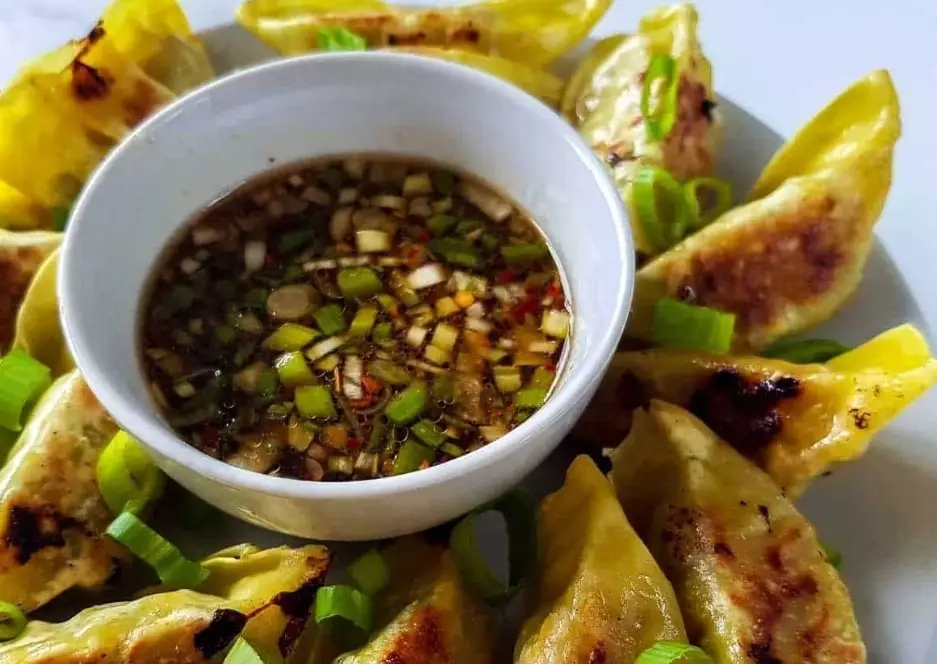
What's Inside This Guide
Why Rice Vinegar Matters (And When It Doesn't)
Rice vinegar brings a specific profile to the table: mild acidity (around 4-5% acetic acid), a touch of inherent sweetness, and a clean, slightly fruity finish that doesn't overpower the delicate flavors of pork and cabbage in gyozas. It's a team player. The mistake most recipes make is presenting it as irreplaceable. It's not. The core function is acid. Any acid will brighten the salty umami of soy sauce and cut through the fat of the dumplings. The goal is to find an alternative that performs this function without introducing harsh or clashing flavors. Apple cider vinegar, for instance, can work beautifully, but you have to handle it differently than rice vinegar—a nuance most guides gloss over.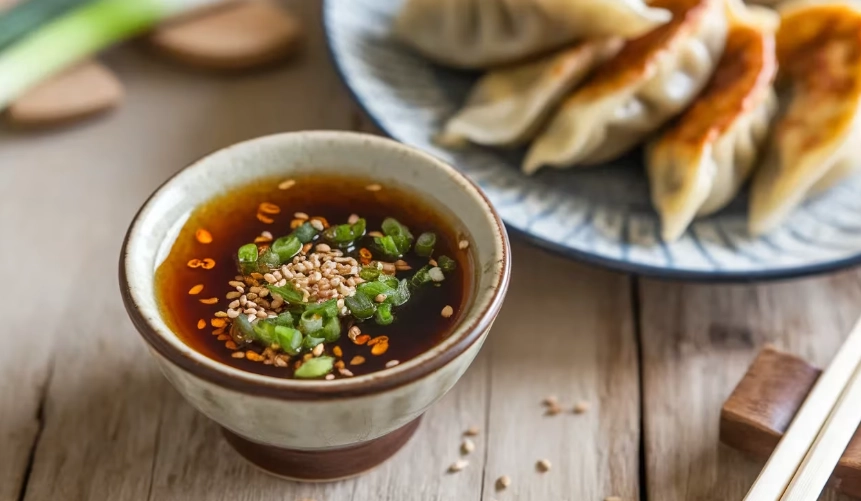
Your Pantry Rescue Squad: Top Substitutes Ranked
Not all vinegars are created equal. Your choice should depend on what you have and the flavor profile you're after. Here’s a breakdown based on my own, sometimes messy, kitchen experiments.
| Substitute | Flavor Profile | Best For | Conversion Tip (vs. 1 tbsp rice vinegar) |
|---|---|---|---|
| Apple Cider Vinegar | Fruity, tangy, slightly sweet | A balanced, crowd-pleasing sauce. My top recommendation for availability and result. | Use 2/3 tbsp. Its acidity is sharper, so use less and consider a tiny pinch more sugar. |
| White Wine Vinegar | Crisp, clean, moderately acidic | A brighter, more refined sauce. Excellent with seafood gyozas. | Use 3/4 tbsp. It's less sweet, so you might want to balance with 1/4 tsp more sugar or mirin. |
| Lemon or Lime Juice (Fresh) | Bright, citrusy, fresh | A vibrant, summery twist. Make it fresh and use immediately. | Use 1 tbsp. Add it last, just before serving, to preserve the fresh zing. |
| Seasoned Rice Vinegar | Sweet, mild, already seasoned | If you have this, you're golden. It contains sugar and salt already. | Use 1 tbsp, but reduce or omit the sugar and salt in your recipe. |
| Chinkiang (Black) Vinegar | Deep, smoky, malty, complex | A bold, Northern Chinese-style dip. It's a different beast, but delicious. | Use 1 tbsp. Be prepared for a darker, richer sauce. Cut back on soy sauce slightly. |
Pro Insight: The biggest error I see is a 1:1 swap. Rice vinegar is mild. Pouring in an equal amount of distilled white vinegar will create a mouth-puckering, inedible sauce. If that's all you have, dilute it with a bit of water and add extra sweetness.
The Foolproof Base Recipe & Customization Steps
This is my go-to blueprint. It works with any of the substitutes above, adjusting as per the table. Think of it as your canvas.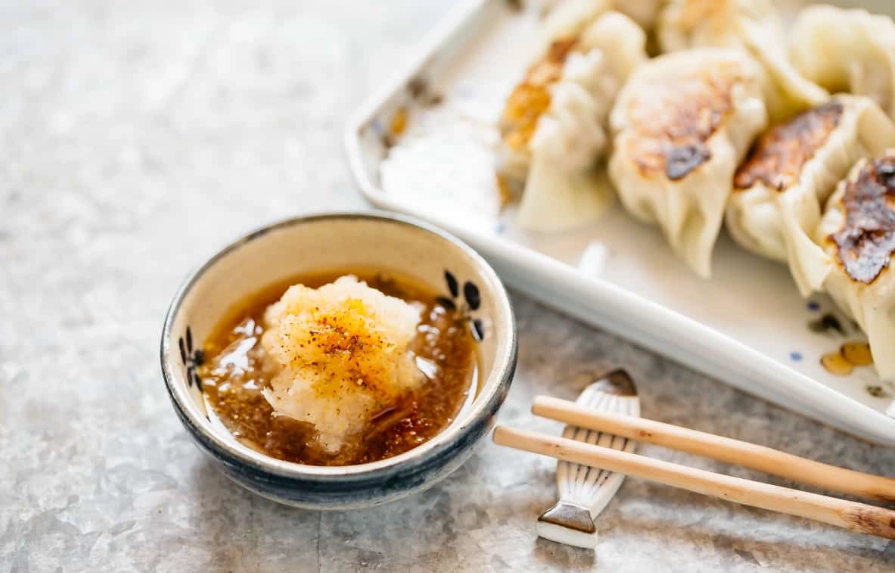
The Core Components (The "Why" Behind Each)
Soy Sauce (3 parts): The umami backbone. Use a standard Japanese soy sauce (like Kikkoman) for authenticity. Light soy sauce works, but avoid dark soy for this – it's too strong and will muddy the color.
Your Chosen Acid (1 part): The brightener. Following our apple cider vinegar example, we'll use less than the soy sauce.
Mirin or Sugar (1/2 part): The balancer. Mirin adds a gentle sweetness and gloss; plain sugar works fine. This is crucial to round off the sharp edges of the vinegar substitute.
Aromatic & Texture (To taste): This is where personality comes in. Sesame oil for fragrance, chili oil for heat, grated ginger or garlic for punch, toasted sesame seeds for crunch.
Step-by-Step Assembly
Grab a small bowl. Start with the soy sauce. Add your chosen acid (remember the conversion!). Stir in the sweetener until dissolved. Now, taste. Is it too sharp? Add a few drops of water or a pinch more sugar. Too flat? A tiny splash more acid. Once the base balance is right, whisk in your aromatics. Finish with a few drops of sesame oil – don't overdo it, or it will dominate.
Let it sit for 5 minutes. The flavors marry. This wait is non-negotiable for a cohesive sauce.
The 3 Mistakes That Ruin Your Sauce
I've ruined my share of sauces to learn these.
1. Not Tasting As You Go: You followed a recipe to the milliliter, but it tastes off. Recipes are guidelines. Your soy sauce brand, the age of your vinegar, even the humidity can affect the outcome. Taste after each major addition.
2. Using Stale or Low-Quality Oils: That bottle of sesame oil that's been in the cupboard for two years? It's rancid. It will give your sauce a bitter, off-putting flavor. Sesame oil and chili oil are finishing elements – use fresh, good-quality ones.
3. Overcomplicating It at the Start: Throwing in garlic, ginger, scallions, three chili pastes, and fish sauce before you've nailed the soy-acid-sweet balance is a recipe for confusion. Master the trinity first. Then add one extra flavor at a time.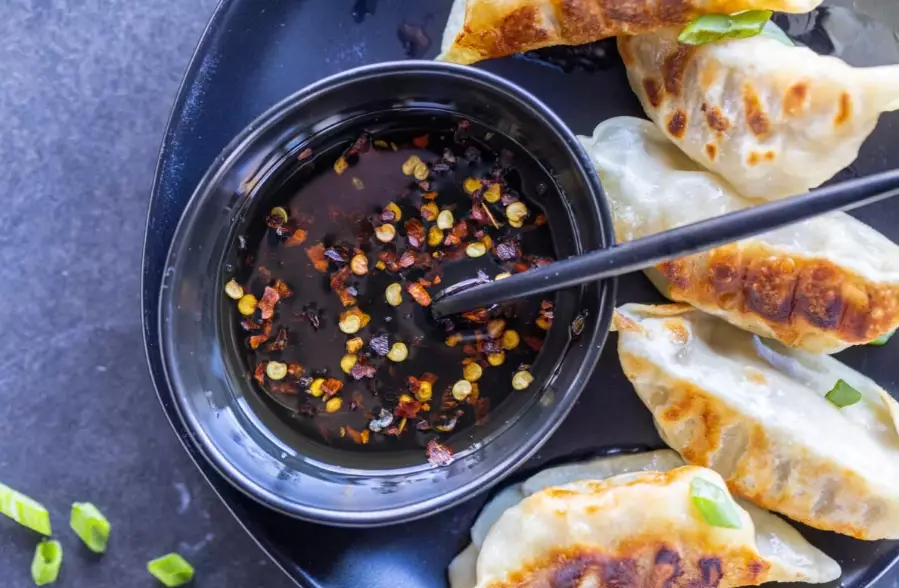
Advanced Flavor Hacks for the Adventurous
Once you're comfortable, play.
The Umami Bomb: Add a quarter teaspoon of dashi powder or a few drops of fish sauce. It adds a deep, savory layer that makes the sauce incredibly moreish.
The Texture Play: Finely minced water chestnuts or cucumber add a surprising, refreshing crunch that contrasts with the soft dumpling.
The Citrus Zest: A few threads of finely grated yuzu or lemon zest (avoid the white pith) lifted a simple sauce into a restaurant-level experience for me last week.
Remember, the nutritional profile of your sauce hinges on the soy sauce and sweetener. Using low-sodium soy sauce and reducing added sugar are easy health-conscious tweaks. For detailed nutritional data on core ingredients like soy sauce, the USDA FoodData Central is an authoritative resource.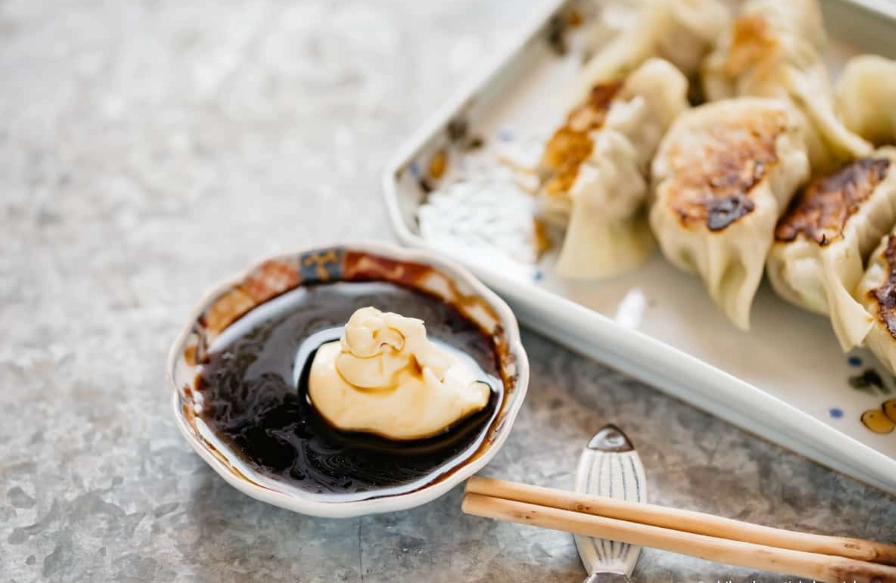
Your Gyoza Sauce Questions, Answered
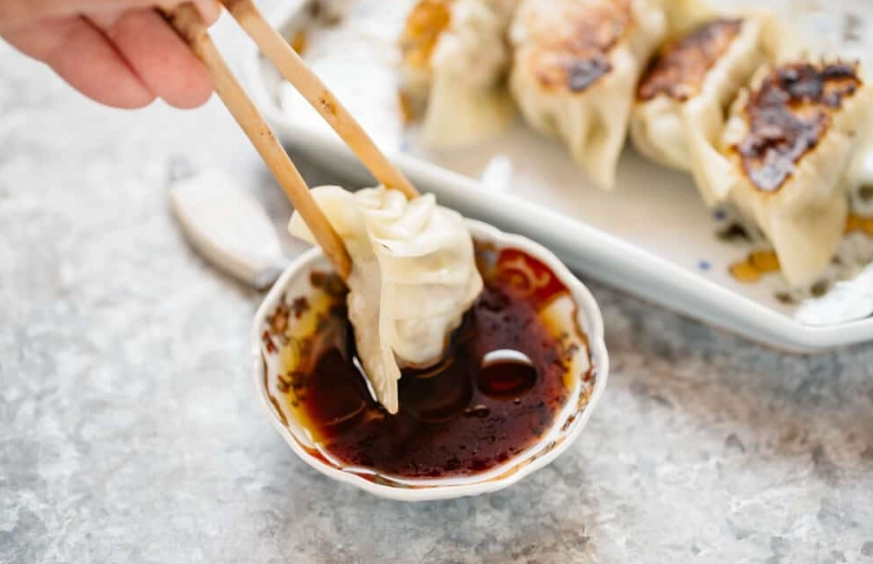 I'm out of all vinegar and citrus. Is there any other way to get the needed acidity?
Reader Comments