You can make a restaurant-quality Japanese seaweed salad in under 20 minutes. I've been making this for years, and the key is balancing the dressing—too much soy sauce ruins it. Here's the full recipe, with tips most guides miss.
What You'll Find Inside
What is Japanese Seaweed Salad?
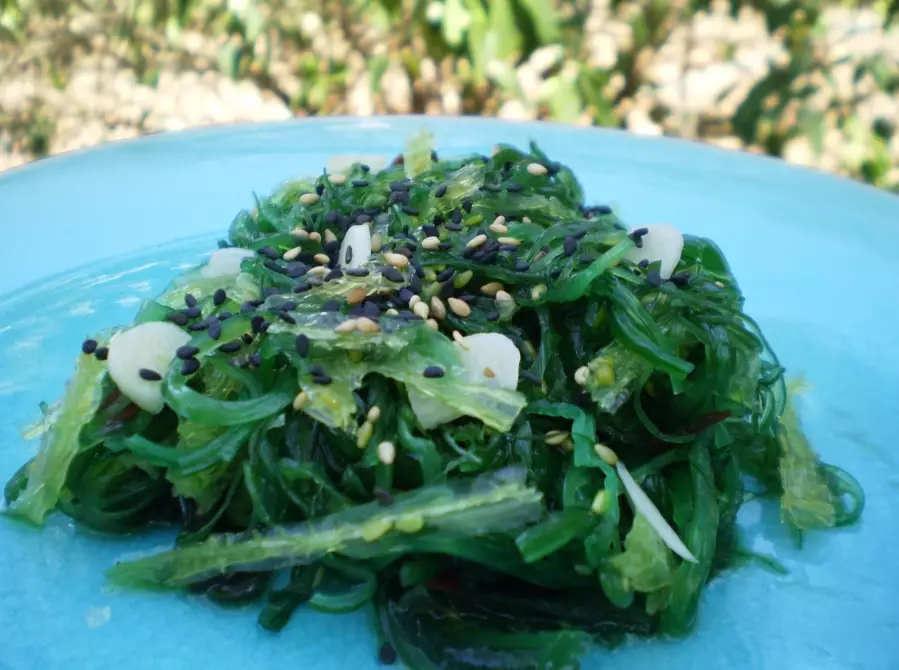
Japanese seaweed salad, often called wakame salad, is a cold side dish made from rehydrated wakame seaweed tossed in a sweet-sour dressing. It's crunchy, refreshing, and packed with nutrients like iodine and fiber. In Japan, it's served as a starter or with rice bowls.
Most people think it's just soaked seaweed with sauce, but the texture matters. If the wakame is over-soaked, it turns slimy. I learned this the hard way when I first tried making it—the salad ended up like a soggy mess.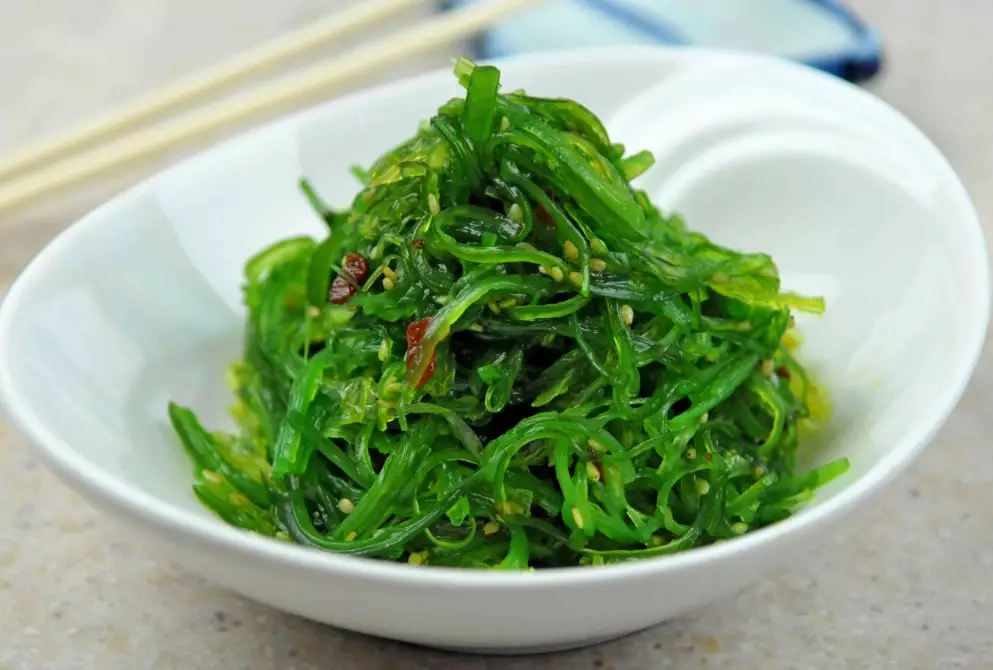
Ingredients for Authentic Japanese Seaweed Salad
You need simple ingredients. Here's the list for 4 servings:
- Dried wakame seaweed: 10 grams (about 1/3 cup). This is the star; don't substitute with other seaweeds unless you know the difference.
- Rice vinegar: 2 tablespoons. Use unseasoned rice vinegar for that authentic tang.
- Soy sauce: 1 tablespoon. Low-sodium soy sauce works better to control saltiness.
- Sesame oil: 1 teaspoon. Toasted sesame oil adds depth.
- Sugar: 1 teaspoon. Balances the acidity.
- Ginger: 1 teaspoon grated. Fresh ginger, not powder.
- Garlic: 1 clove minced. Optional, but I always add it for a kick.
- Toppings: Sesame seeds, sliced cucumber, or shredded carrot for color.
Some recipes add mirin or chili, but this base is what you'll find in most Tokyo izakayas. According to the Japan Seaweed Association, wakame is best sourced from cold waters for optimal texture.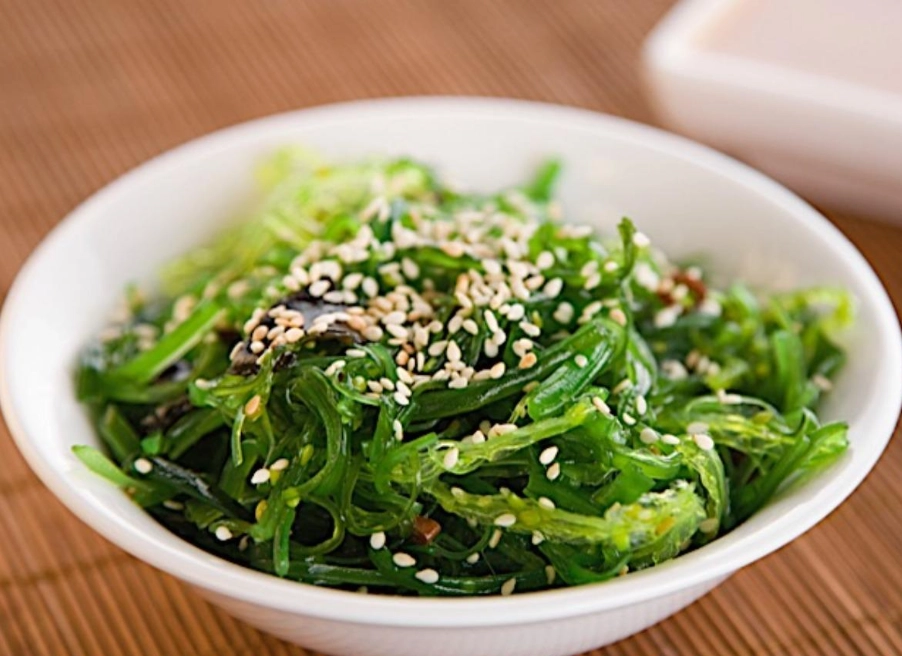
Step-by-Step Recipe: How to Make Japanese Seaweed Salad
Follow these steps closely. It's easy, but timing is everything.
How to Prepare Dried Wakame
Place the dried wakame in a bowl of cold water. Use about 4 cups of water for 10 grams of seaweed. Let it soak for 5-7 minutes only. No more! I once left it for 15 minutes, and it became mushy. Drain and squeeze out excess water gently. Cut any large pieces into bite-sized strips.
The Secret to the Perfect Dressing
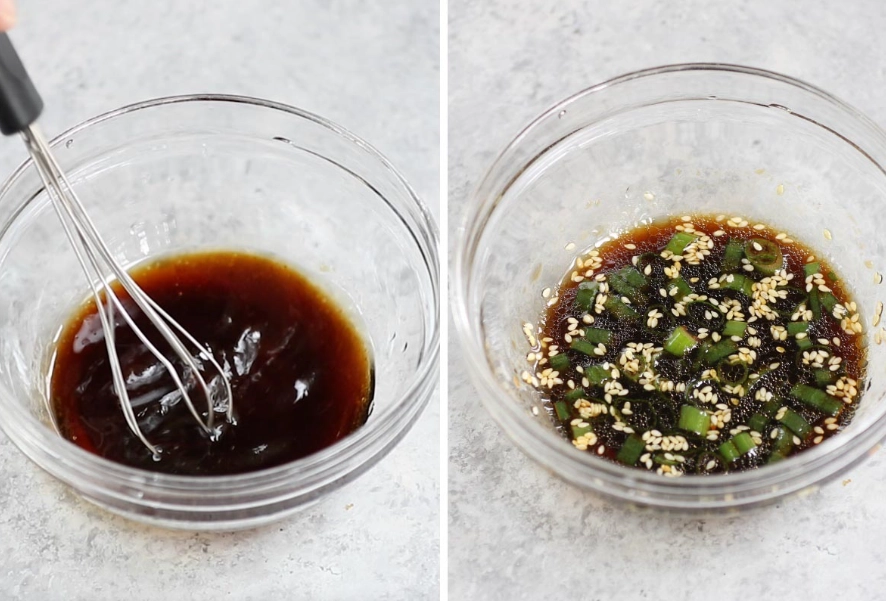
In a small bowl, whisk together rice vinegar, soy sauce, sesame oil, sugar, grated ginger, and minced garlic. Taste it. If it's too sharp, add a pinch more sugar. The dressing should be balanced—not too salty, not too sweet. Let it sit for 5 minutes to meld flavors.
Assembling the Salad
Toss the rehydrated wakame with the dressing in a large bowl. Add toppings like sesame seeds or cucumber. Mix lightly. Serve immediately or chill for 10 minutes. It's best eaten fresh, but it keeps for a day.
That's it. You've got a authentic Japanese seaweed salad. Total time: 15 minutes.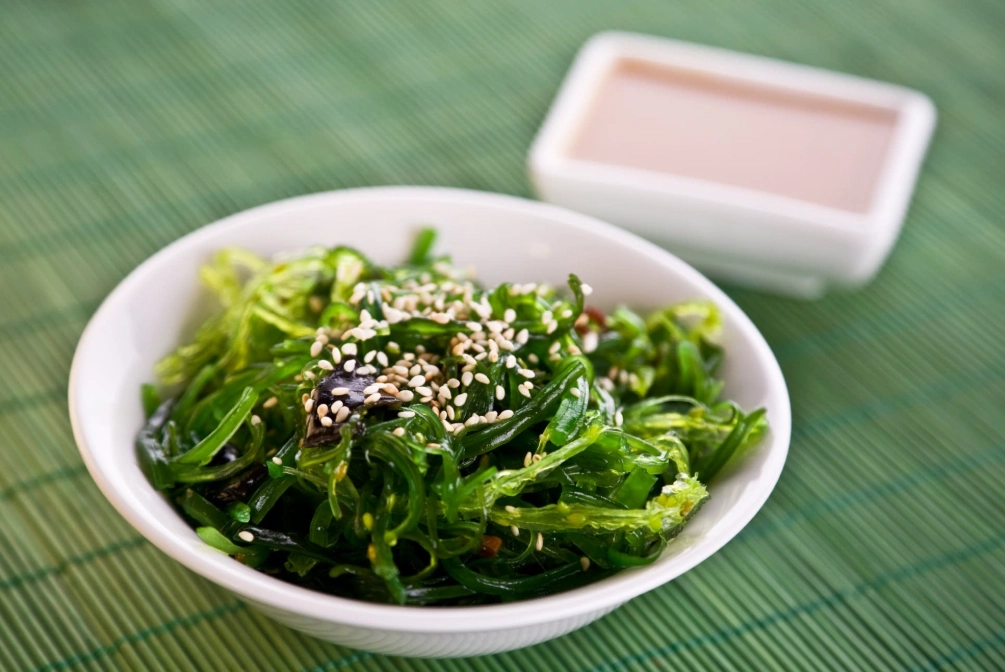
Common Mistakes to Avoid When Making Seaweed Salad
I've seen these errors ruin the dish.
- Over-soaking the wakame: This is the biggest one. Set a timer for 5 minutes. The seaweed expands quickly.
- Using the wrong vinegar: Apple cider vinegar or white vinegar changes the flavor. Stick to rice vinegar.
- Skipping the squeezing step: If you don't squeeze out water, the dressing gets diluted and the salad turns watery.
- Adding dressing too early: If you dress it and let it sit for hours, the seaweed loses crunch. Do it just before serving.
A friend of mine used bottled seaweed salad dressing from a store, and it was overly sweet. Homemade is always better.
Variations and Substitutions
Want to mix it up? Here are some ideas.
Spicy version: Add a teaspoon of chili oil or togarashi pepper to the dressing. Gives it a nice heat.
With vegetables: Toss in thinly sliced radish, bell peppers, or edamame. Adds color and nutrients.
For a vegan twist: Use tamari instead of soy sauce to make it gluten-free. Some people add a dash of umeboshi paste for sourness, but I find it overpowering.
If you can't find wakame, you might use arame or hijiki, but they have different textures. Wakame is the standard for this salad.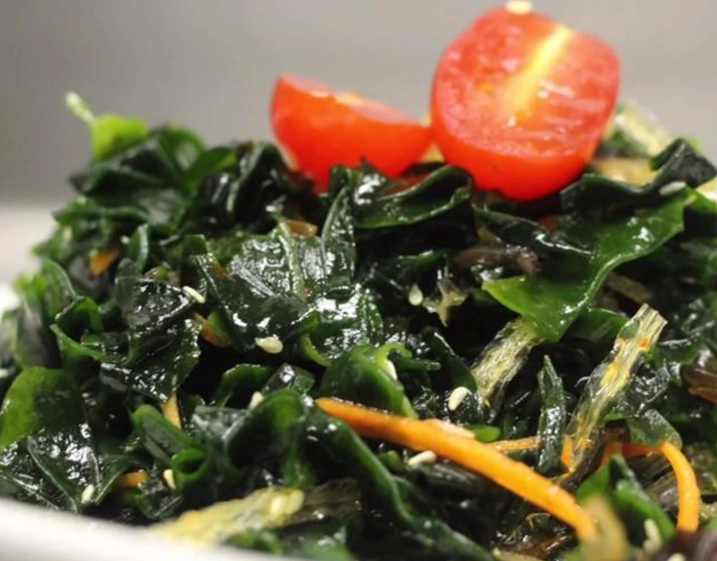
Where to Buy Quality Seaweed
Good seaweed makes a difference. Here's a quick guide:
| Store Type | What to Look For | Approx. Price | Notes |
|---|---|---|---|
| Asian Grocery Stores | Dried wakame in sealed packs, often labeled "cut wakame" | $5-$8 per 100g | Best selection; check the expiry date |
| Online Retailers (e.g., Amazon) | Brands like Eden Foods or Shirakiku | $6-$10 per 100g | Read reviews for texture comments |
| Health Food Stores | Organic wakame, sometimes in bulk | $10-$15 per 100g | Pricier but good for organic options |
I usually buy from my local Japanese market in Los Angeles—the wakame is fresher. Avoid any packages with discoloration or strong fishy smell.
FAQ: Your Questions Answered
 How long can I store leftover seaweed salad in the fridge?
 That wraps up the guide. Making Japanese seaweed salad is straightforward if you focus on the details. Give it a try—it's a crowd-pleaser that beats store-bought versions any day.
Reader Comments